
Review · SPAIN
Jerez de la Frontera: Palacio Domecq Entrance Ticket
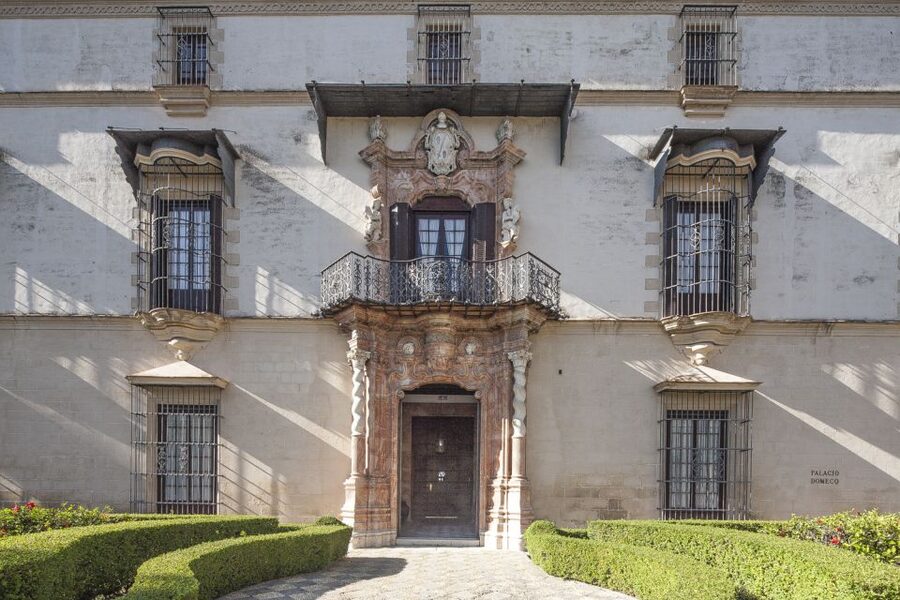
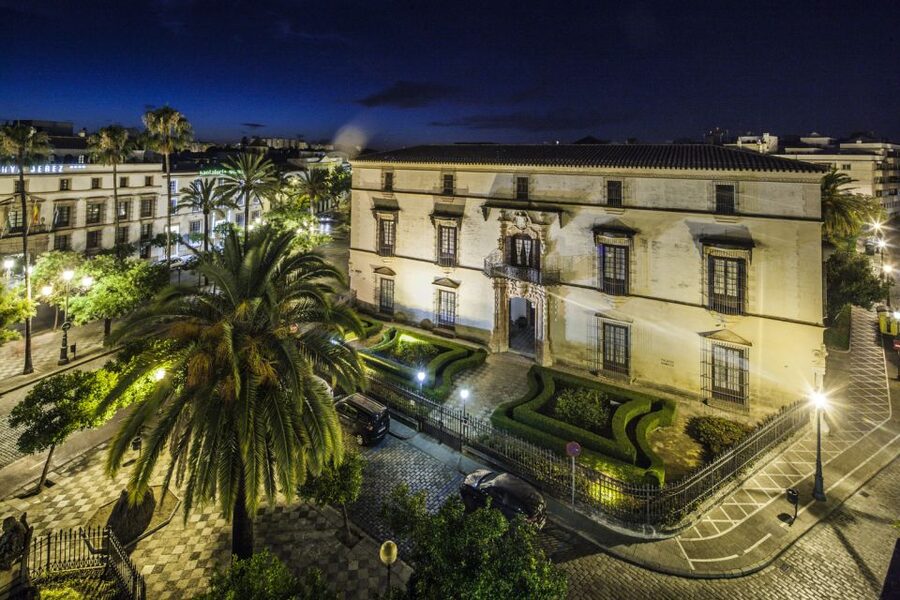
The most striking thing about Palacio Domecq is its sense of polished domestic grandeur. This is not a huge royal complex, but an 18th-century Jerez mansion built for a wine-producing family with money, status, and a strong place in the city’s commercial life. Its central Italian-marble courtyard and tall facade give the visit real presence.
I like the chance to see an authentic bourgeois palace, rather than another church or formal museum. I also like the clear English audio commentary, which helps explain why the building mattered. The main drawback is the no-photography rule, and the audio format can feel dull if you prefer a live guide.
Key points to know
- The Italian-marble courtyard forms the heart of this quadrangular palace.
- The 18th-century facade reflects the wealth of Jerez’s aristocratic and wine-making families.
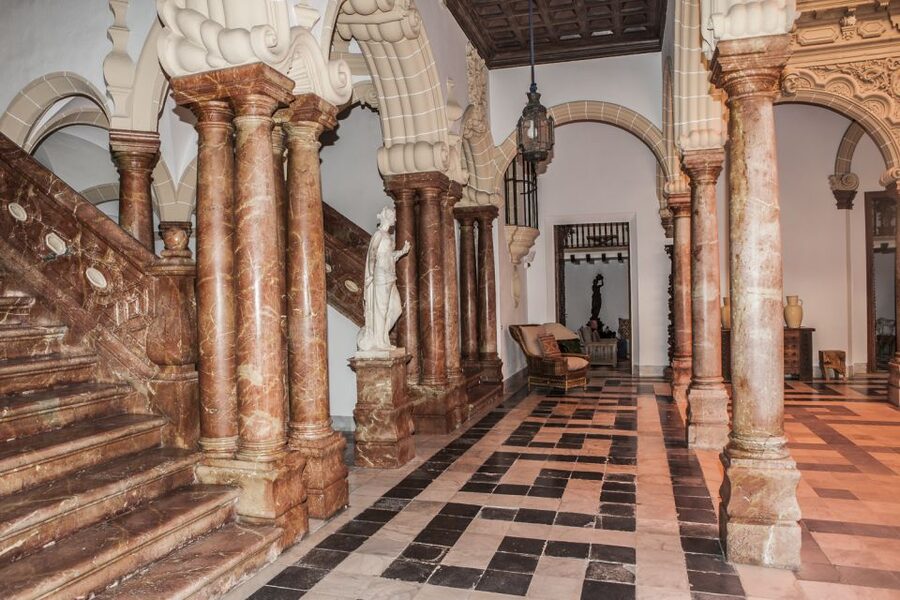
- Paintings, sculptures, tapestries, and fine materials fill out the palace experience.
- The audio guide is available in Spanish, English, and French, with English commentary praised for its clarity.
- The visit lasts about 45 minutes, making it an easy addition to a day in central Jerez.
- Photography is forbidden inside, and wheelchair users should buy tickets at least 24 hours ahead.
A wine family’s palace in central Jerez
Palacio Domecq tells the story of social power through architecture. The family linked to the palace belonged to one of Spain and Europe’s longest-established wine-making traditions, and the house reflects that position at every turn.
You are not simply entering an old residence. You are seeing how successful Jerez families presented themselves in the latter half of the 18th century. The building joined aristocratic taste with the commercial strength of local wine production.
That distinction matters. Jerez is famous for sherry, but the city’s wine culture was never only about cellars and barrels. Wealth from the trade helped create grand homes, formal entertaining spaces, and architectural symbols of influence. Palacio Domecq lets you see that side of the city without committing to a full winery visit.
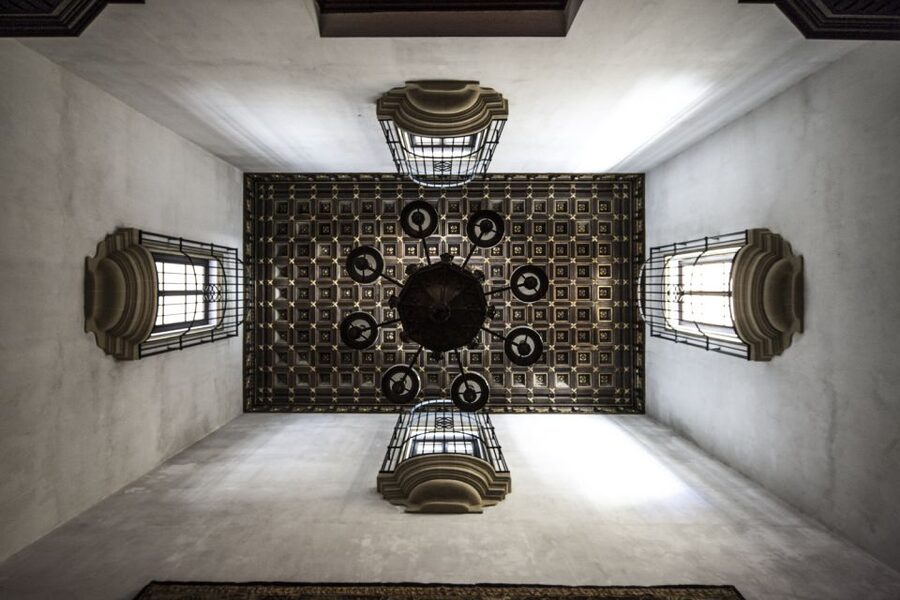
The palace is described as a classic example of Andalusian-Baroque design. That means formal proportions, decorative details, noble materials, and an emphasis on making an entrance. You will find the building more elegant than overwhelming, with its appeal coming from the quality of the interior rather than sheer size.
More Palace Entry Tickets in Spain
- Granada: Alhambra and Nasrid Palaces Entry Ticket
★ 4.6 · 15,130 reviews - Madrid: Royal Palace Fast-Access Admission Ticket
★ 4.6 · 13,856 reviews - Córdoba: Viana Palace Gardens and Patios Entry Ticket
★ 4.5 · 880 reviews
The central courtyard sets the tone
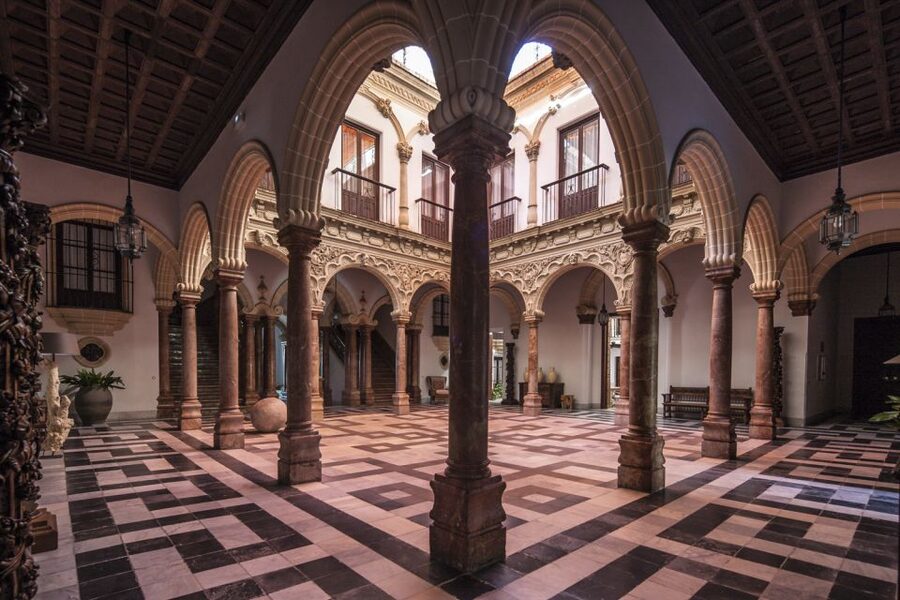
The first major feature to look for is the large central courtyard. Its Italian marble gives the palace a cool, refined center and helps you understand the building’s quadrangular plan.
I like courtyards because they explain old Andalusian houses better than a list of architectural terms can. They organize the rooms around a shared open space, bring light into the interior, and provide a formal view as you move through the building.
Here, the courtyard also signals the family’s standing. Marble was not chosen simply for practicality. It helped turn the center of the residence into a stage for arrival, movement, and display.
Take a moment to look upward and outward from this space. The palace’s balconies are part of the experience, and they lead to some of the best views of Jerez mentioned in the visit material. The exact view can depend on access and timing, but the balconies add an important connection between the private house and the city beyond it.
The courtyard is likely to be the visual anchor of your 45-minute visit. If you move too quickly, you may remember only decorative rooms. Pause here and you get a clearer sense of the entire building’s design.
Rooms filled with art and expensive materials
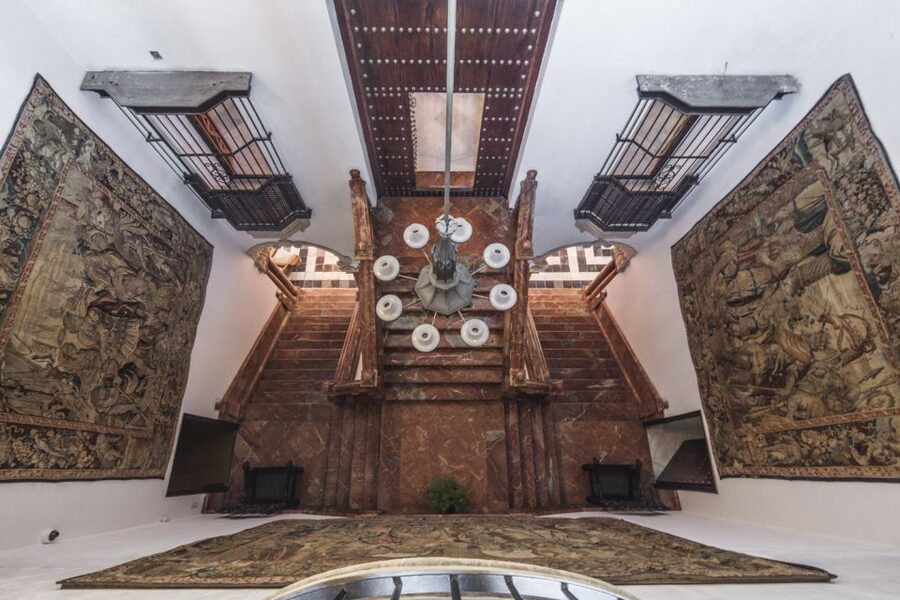
Inside, the palace presents the cultivated side of Jerez’s wine elite. Paintings, sculptures, tapestries, and noble materials give the rooms their character.
The appeal is less about a single famous masterpiece and more about the combined effect. Decorative art, quality finishes, and carefully arranged interiors show how a prosperous family wanted its home to be seen. I find this kind of house especially useful for understanding the people who shaped a city’s economy but rarely appear in a basic sightseeing route.
The palace also gives you a chance to notice the difference between a working wine business and a family residence. The commercial world supported the household, but the interior was designed to communicate refinement, rank, and control.
Do not expect a hands-on museum. You cannot touch the exhibits, and food and drinks are not allowed. Noise is also prohibited, which suits the formal atmosphere but means you should keep the visit quiet and give the audio guide your attention.
The no-photography rule is the biggest practical frustration. I understand that historic interiors often need protection from flashes, crowds, or awkward stopping points, but the restriction can feel severe when the rooms are so decorative. If taking pictures is important to you, decide in advance that this visit will be about looking rather than collecting images.
How the 45-minute visit works
You go directly to the main entrance of Palacio Domecq and show your ticket. There is no transport arrangement involved, and the experience is built around a self-guided audio visit.
The total duration is about 45 minutes. That makes it easy to fit between other stops in Jerez, particularly if you want a short architectural visit rather than a half-day activity.
The audio guide is offered in Spanish, English, and French. English commentary received especially positive attention for being easy to follow through the earphones. Since there is no named live guide provided, the quality of your visit depends partly on how well you respond to recorded narration.
I would use the audio guide as a framework, not as a reason to rush. Listen to the explanation, then spend a few seconds examining the courtyard, balconies, materials, and decorative objects yourself. The palace needs some quiet looking time because its value comes from details that may pass quickly in a purely spoken presentation.
One Spanish-speaking visitor found the audio system made the visit feel boring. That is a fair warning. If you prefer lively conversation, questions, and personal stories from a human guide, this may feel more formal than you want. If you like setting your own pace and having information available in your language, the format is convenient.
Same royal city, another way in:
- Granada: Alhambra & Nasrid Palaces Tour with Tickets
★ 4.7 · 19,801 reviews - Madrid: Royal Palace Expert Guided Tour with Skip-the-Line
★ 4.7 · 8,407 reviews - Granada: Alhambra & Gardens Tour w/Nasrid Palaces Option
★ 4.2 · 7,022 reviews - Madrid Essential: Historic Center, Plaza Mayor & Royal Palace
★ 5.0 · 6,416 reviews
Why the palace matters to Jerez
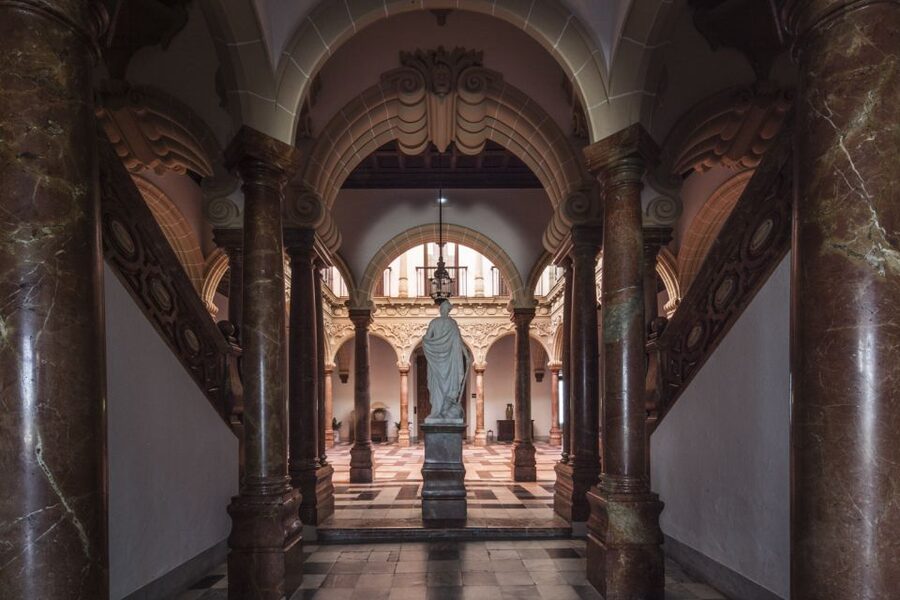
Palacio Domecq is valuable because it connects architecture to Jerez’s economic story. The house represents the social and commercial influence of wine families in the city, not just their private taste.
Jerez grew as a place where wine production, trade, and family enterprise could create lasting wealth. A palace such as this helped make that success visible. Its scale, materials, balconies, and interior decoration told the city who had power.
I like this kind of context because it keeps the visit from becoming a parade of pretty rooms. You can look at the marble and decorative art, but you can also ask what paid for them and what message they sent. The answer is closely tied to the wine tradition that still defines Jerez.
The palace also fills a useful gap in a city visit. A winery tour can explain production and tasting. Palacio Domecq explains the domestic and social world built around that industry. For a first visit to Jerez, seeing both sides would give you a fuller picture, though this ticket by itself does not include a winery tour or tasting.
The building’s identity as an Andalusian-Baroque house is also important. It is not presented as a generic European mansion. The design belongs to the architectural culture of southern Spain and to the particular world of late 18th-century Jerez.
Is $17 a fair price?
At the listed price of $17 per person, I consider the ticket reasonable if you care about architecture, local history, or the role of wine families in Jerez. The visit is short, but you are paying for access to a distinctive historic interior rather than a broad museum collection.
Value depends on your expectations. If you want a large palace with extensive rooms, a live guide, and lots of time inside, 45 minutes may feel brief. If you want one focused historic stop between other activities, the duration works well.
A separate price reference connected with the experience was about €25 for an audio-guided visit. At that level, I would expect the palace itself to be a strong priority for you. The building is certainly worth seeing, but the recorded format and photography ban limit what some people will feel they receive for the money.
I would also compare the ticket with your day’s other plans. A short palace visit can be a good choice when you have limited time in Jerez and want something more specific than a general city walk. It is a less convincing purchase if you are already visiting several ornate historic interiors and are mainly looking for entertainment.
The strongest value comes from the palace’s authenticity. This is not a modern attraction built to imitate an old house. You are entering a residence tied to a real local family and to Jerez’s wine economy.
Practical rules that affect the experience
Bring your passport or identity card. You should also arrive prepared for a quiet, controlled visit.
The following items and activities are not allowed:
- Photography inside
- Food and drinks
- Smoking
- Luggage or large bags
- Baby strollers
- Pets, except assistance dogs
- Alcohol and drugs
- Touching the exhibits
- Excessive noise
Unaccompanied minors are not permitted. The experience is also not considered suitable for people with visual or hearing impairments, so you should take that limitation seriously before booking.
Palacio Domecq is wheelchair accessible, but access requires advance planning. Tickets for wheelchair access must be purchased at least 24 hours ahead because of logistical arrangements. Do not leave that request until the day of your visit.
The activity is non-refundable. Since starting times vary, check availability before committing, and make sure the selected time fits your Jerez plans.
Who will enjoy Palacio Domecq most?
I would recommend this visit to you if you like historic homes, decorative arts, and the connection between architecture and local business. It is also a good match if you want a compact cultural stop and do not need a full guided tour.
The palace should appeal to anyone interested in the history of sherry-producing families. You will not taste wine here, but you will see the social world that wine wealth helped create.
English-speaking visitors have a useful option through the English audio commentary. French and Spanish are also available, making the visit practical for many language preferences.
I would be more cautious if you dislike recorded narration. The palace does not provide a named personal guide, and the commentary may feel too slow or dry for your taste. I would also think twice if photography is a major part of how you enjoy historic buildings.
Families with very young children should note the ban on strollers and the quiet rules. The short duration helps, but the setting is designed for careful looking rather than active exploration.
My advice for making the most of it
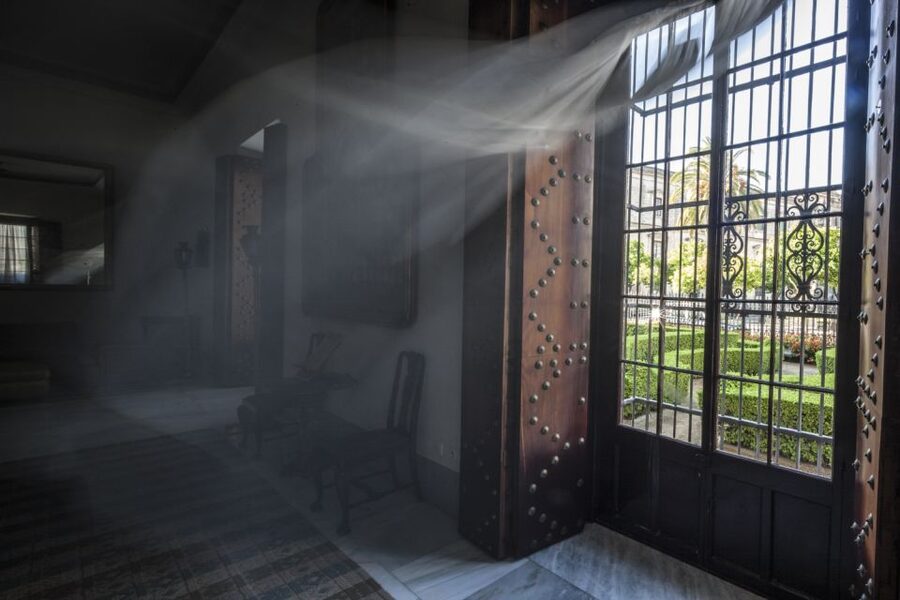
Before entering, decide what you want from the visit. If your interest is architecture, focus on the courtyard, facade, balconies, marble, and the way the rooms fit around the central space.
If your interest is social history, listen for the connection between the palace, the Domecq family, and Jerez’s wine trade. The building makes more sense when you see it as a public statement of family success, not merely a private home.
Use the audio guide, but do not let it dictate every second. Pause when a room catches your eye, even if the narration continues. The palace is small enough that you can balance information with your own observations.
Since photography is forbidden, make a mental note of the elements you want to remember. The Italian marble, the tall facade, the balconies, and the combination of paintings, sculptures, and tapestries are the details most likely to stay with you.
Should you book this palace visit?
Book Palacio Domecq if you want a focused look at Jerez’s 18th-century wine wealth and you appreciate authentic historic interiors. The marble courtyard, refined decoration, and English audio guide make it a worthwhile 45-minute stop for architecture-minded visitors.
Skip it if you need a live guide, dislike audio narration, or expect extensive palace grounds and unrestricted photography. At $17, the ticket offers fair value for the right audience, but the short duration and no-photo rule mean this is a specialized visit, not an all-purpose Jerez attraction.
FAQ
Where is Palacio Domecq?
Palacio Domecq is in Jerez de la Frontera in Andalusia, Spain. You should go to the palace’s main entrance to access the visit.
How long does the visit last?
The visit lasts about 45 minutes.
What does the ticket include?
The ticket includes entrance to Palacio Domecq and an audio guide.
What languages are available for the audio guide?
The audio guide is available in Spanish, English, and French.
Is the experience wheelchair accessible?
Yes, Palacio Domecq is wheelchair accessible. For wheelchair access, tickets must be purchased at least 24 hours in advance because of logistical arrangements.
Do I need identification?
Yes. You should bring your passport or identity card.
Can I take photographs inside?
No. Photography inside the palace is not allowed.
Can I bring a stroller or large bag?
No. Baby strollers, luggage, and large bags are not allowed inside.
Are food and drinks permitted?
No. Food and drinks are not allowed inside the palace.
Is the activity refundable?
No. The activity has a non-refundable cancellation policy.
Fresh palace tours around Spain
- Alhambra Palace & Generalife Gardens daytrip from Roquetas, Aguadulce & Almeria★ 4.0 · 32 reviews
- Private shore excursion to the Alhambra Palace from Almeria★ 5.0 · 3 reviews
- Madrid: Royal Palace Guided Tour with Entry Ticket★ 5.0 · 58 reviews
- Toledo al Completo con Patio-Casa Palacio ⭐⭐⭐⭐⭐★ 4.9 · 33 reviews
- Jerez de la Frontera: Sherry Gallery and San Dionisio Palace★ 5.0 · 4 reviews
- The Royal Palace of Madrid: Small Group Guided Tour★ 3.2 · 6 reviews
- The March Palace Entry Ticket★ 4.4 · 11 reviews
- The Most Complete Tour of Madrid: Austrias, Cathedral, Palace – Local Guides★ 4.2 · 41 reviews
Palace Entry Tickets: the shortlist.
Buckingham Palace: The State Rooms Entrance Ticket
Read our review →
Prague Castle and Lobkowicz Palace Entry Tickets
Read our review →This visit also appears in