
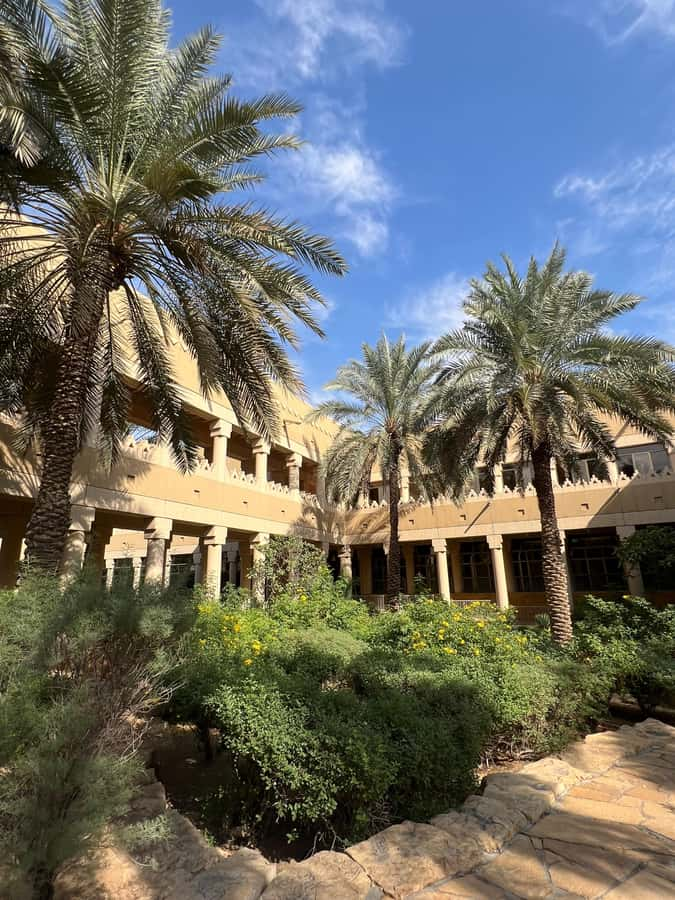
Review · PALACES WORLDWIDE
Riyadh: Masmak Fort, Souq AlZal, and Murabba Palace Tour
Riyadh’s story comes into focus when you move from a mudbrick fort to an old market, then on to a royal palace and the National Museum. This six-hour outing gives you that sweep in one day, with Masmak Fort and Souq AlZal offering the most direct feel for old Riyadh.
I like the mix of places and the included hotel transfer, which saves you from arranging several separate rides. I also like the chance to finish with Najdi food in a heritage-style setting. The drawback is pace: with several major stops, you will see highlights rather than study every museum room at length.
Key points at a glance
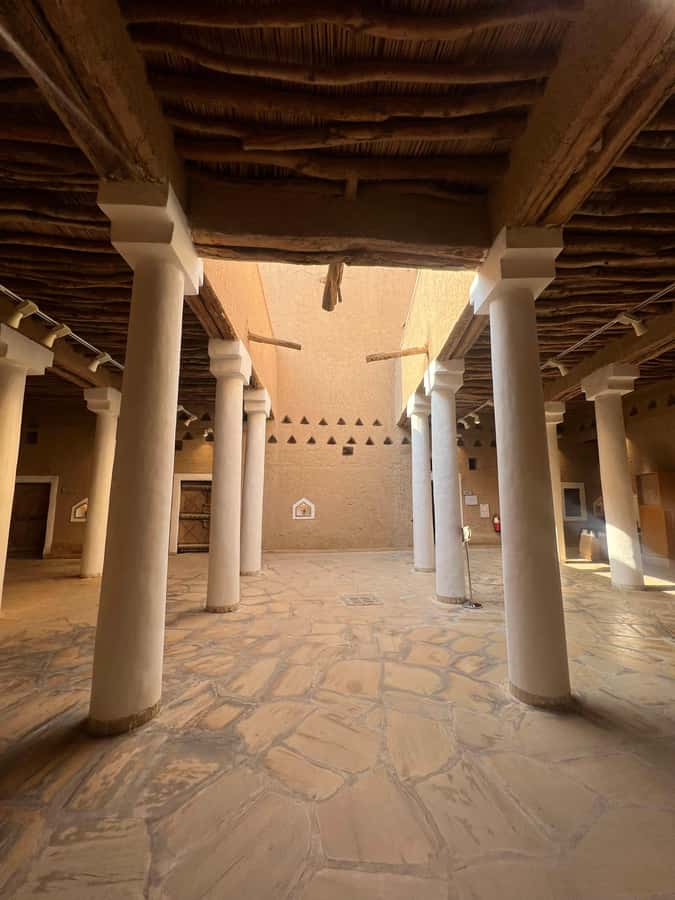
- Masmak Fort sets the historical scene: This clay and mudbrick fortress is tied to the struggle that helped bring the House of Saud to power.
- Souq AlZal feels wonderfully old-fashioned: Look for antiques, rare coins, old utensils, musical instruments, and record players.
- Murabba Palace shows royal domestic design: Its central foyer is surrounded by rooms and reflects traditional building ideas.
- The National Museum gives the broadest context: Its displays include statues, scripts, and sculptures linked to Saudi Arabia’s past.
- Diriyah adds an outdoor change of pace: Al Bujairi Heritage Park looks toward At Turaif and Wadi Hanifah.
- Najdi Village closes the day with local food: The restaurant focuses on popular Saudi dishes, especially food from the Najd region.
Why this six-hour route works in Riyadh
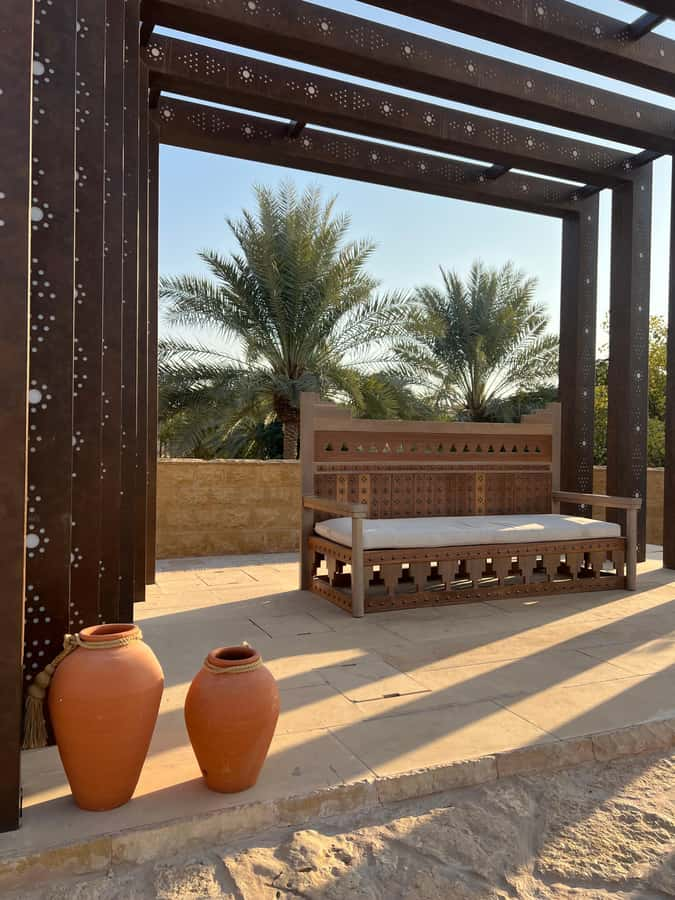
Riyadh can feel spread out, and its major historic sights are not all gathered in one compact old quarter. This tour helps by joining several districts and sites into one planned day, with pickup and drop-off at either the Kingdom Centre or King Khalid International Airport.
That airport option is useful if you have a long layover, though you should allow enough time after the tour before any flight. The experience lasts six hours, so it is not a quick stop between gates. For a hotel-based day, the Kingdom Centre pickup is the more natural choice.
The route is built around contrast. You begin with the military simplicity of Masmak Fort, move through the buying and selling of Souq AlZal, then see royal architecture, museum displays, Diriyah views, and a meal. I like this structure because it avoids turning Riyadh into a string of disconnected photo stops.
At the same time, the number of locations means you should arrive ready to keep moving. The schedule includes walking periods of about one hour and another of about an hour and a half. Comfortable shoes are not just a polite suggestion here.
More palaces to tour around the world:
- Venice: Doge’s Palace Reserved Entry Ticket
★ 4.6 · 42,716 reviews - Paris: Versailles Palace and Gardens Full Access Ticket
★ 4.6 · 41,579 reviews - Granada: Alhambra & Nasrid Palaces Tour with Tickets
★ 4.7 · 19,801 reviews
Masmak Fort and the making of modern Saudi Arabia
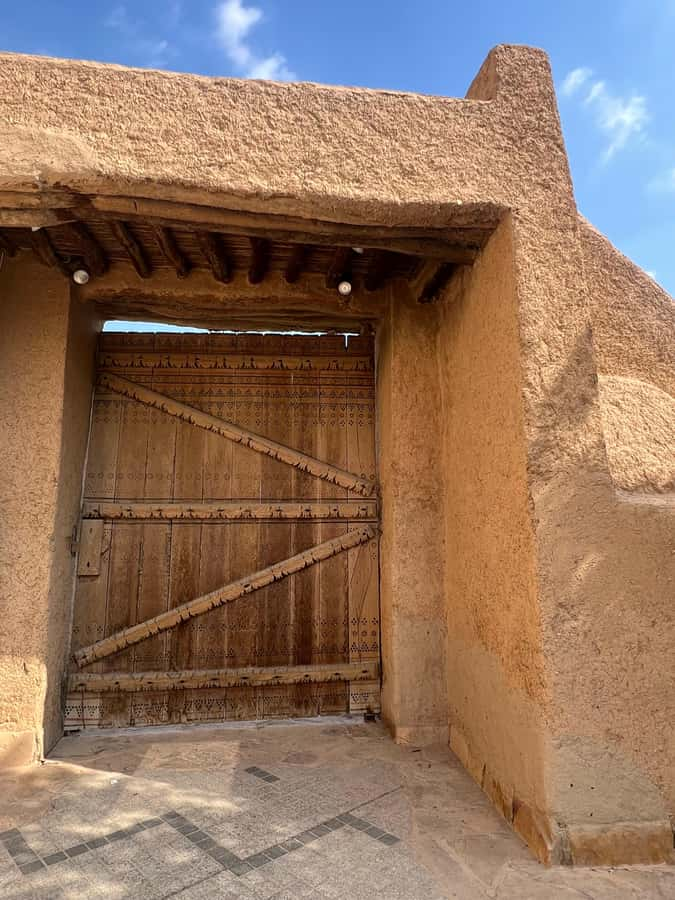
Masmak Fort is the strongest opening stop because its walls connect directly to the political story of Riyadh. Built from clay and mudbrick, it has a solid, earthen character that feels very different from the city’s glass towers.
The fort was the site of a battle that shifted control in favor of the House of Saud. That event helped set the course toward the unification of Saudi Arabia and the creation of the modern kingdom. Your guide can give the site a clear human and political frame, rather than leaving you to inspect walls without context.
I would give Masmak your full attention even though it is not the largest stop. Its value comes from what happened there, not from size or luxury. The simple construction also helps you picture an earlier Riyadh, when local materials and defensive needs shaped the city.
Photography is allowed, but you should remain alert to local sensitivities. Dress modestly, and keep your camera use respectful around people and any areas where photography may not feel appropriate.
Souq AlZal, where old Riyadh still feels close
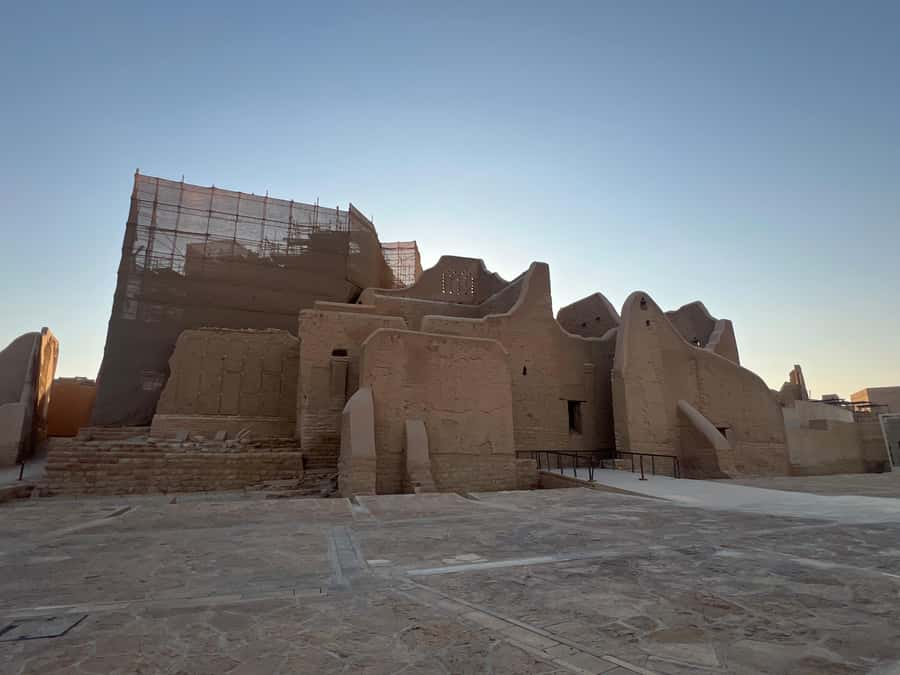
Souq AlZal is one of the oldest traditional markets in Riyadh, with about a century of activity in its alleyways. This is the stop where the tour feels least like a formal heritage visit and most like a working market.
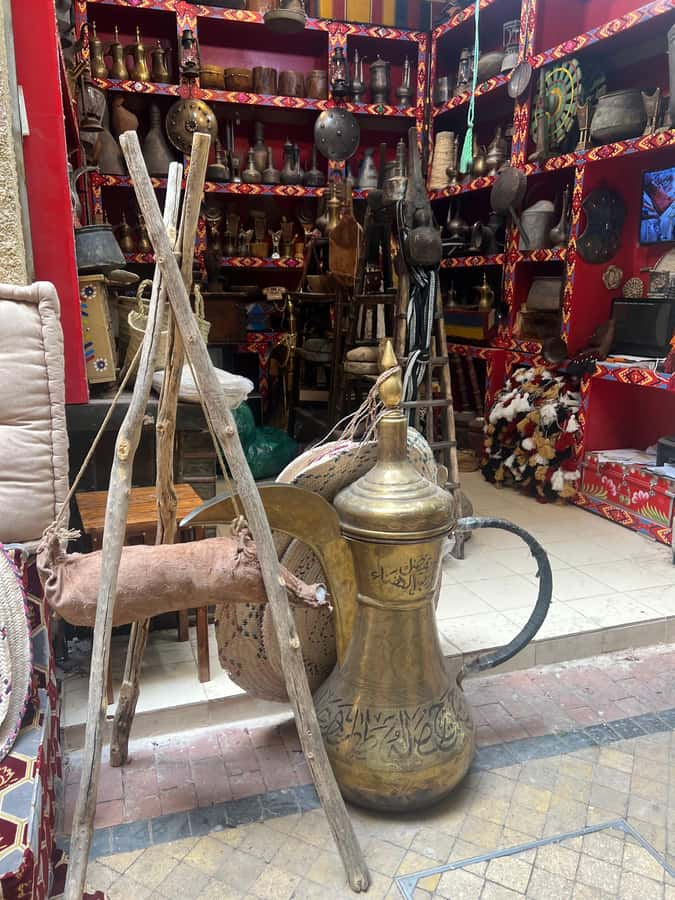
The souq is known for antiques, rare coins, and old household utensils. You might also find musical instruments, old record players, and many small objects tied to older folk traditions. The appeal is partly the uncertainty. You can browse without knowing exactly what you will find around the next corner.
Auction sellers’ voices are part of the experience. The market’s sound matters as much as its objects, especially if you want a sense of how commerce once worked in the city. I would leave room in your attention for both the merchandise and the people conducting business.
Do not expect a polished museum display. Items may be crowded together, and the market can reward patience more than speed. If you like antiques or unusual everyday objects, this may become one of your favorite stops. If shopping is not your main interest, listen to the auction activity and treat the souq as a living part of Riyadh’s past.
Personal expenses are not included, so any purchase is your responsibility. The tour gives you access to the market, but it does not turn browsing into a shopping allowance.
Murabba Palace and its central foyer
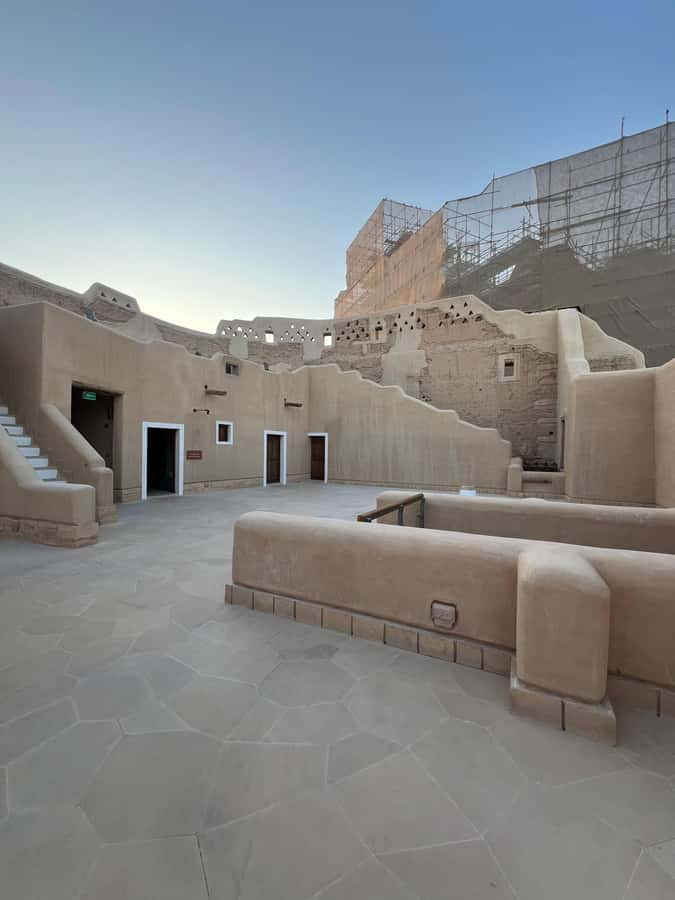
Murabba Palace was established by order of King Abdulaziz, the founder of the Kingdom of Saudi Arabia. Its design offers a different view of the country’s past from the defensive walls of Masmak.
Pay attention to the foyer at the center of the palace. Rooms surround this central space, following traditional design ideas that were common at the time. The arrangement gives the palace an architectural identity beyond its royal association.
I like this stop because it shows how older building customs could be used in a royal setting. The palace is not simply a grand residence to pass through. Its layout helps you see how rooms, courtyards, and shared central spaces shaped formal buildings in the period.
The visit is paired with a stop at the King Abdulaziz Foundation for Research and Archives, also known as Darah. The foundation serves the study of Saudi Arabia’s history, geography, literature, and heritage. That makes it a useful bridge between the palace itself and the wider record of the country.
The itinerary information gives a walk of about one hour around this part of the experience. Plan for steady movement and bring water, especially in hot weather. A hat and sunscreen will help, and modest clothing is expected throughout the day.
Same royal city, another way in:
- Sintra: Pena Palace and Park Entrance Ticket
★ 4.2 · 17,410 reviews - Granada: Alhambra and Nasrid Palaces Entry Ticket
★ 4.6 · 15,130 reviews - Madrid: Royal Palace Fast-Access Admission Ticket
★ 4.6 · 13,856 reviews - Doge’s Palace & St. Mark’s Basilica with Terrace Access Tour
★ 4.7 · 10,697 reviews
The National Museum, a wider view of Saudi Arabia
The National Museum sits in the Al-Murabba neighborhood near King Abdulaziz Palace. It adds scale to the story, moving beyond Riyadh’s founding episodes and royal buildings to a larger account of Saudi Arabia.
The museum covers about 17,000 square meters and presents roughly 3,700 artifacts, including statues, scripts, and sculptures. Those numbers tell you to expect a substantial collection rather than a small local display.
This is where a guide can make a real difference. A large museum can overwhelm you if you try to treat every object as equally important. With an English or Arabic guide, you can ask for the exhibits that best explain the period, symbols, and people connected to the route you have already followed.
I would not expect to see every gallery in depth during a six-hour city tour. The National Museum is one part of a packed day, not a full museum study visit. Your best approach is to focus on the main displays and use the visit to connect Masmak, Murabba, and the broader national story.
The museum also gives the day a useful change of rhythm. After walking through a market and historic buildings, you can spend time with objects and written records in a more controlled setting. For many visitors, this is the stop that turns separate sights into a connected account of Saudi Arabia.
Al Bujairi Heritage Park and the view toward At Turaif
Al Bujairi Heritage Park brings the tour into the historic Diriyah district. From the park, you can look toward At Turaif, the UNESCO World Heritage Site, and across Wadi Hanifah, a desert oasis running through this part of Riyadh.
This stop is important because it gives you open space after the denser fort, market, palace, and museum visits. The views toward At Turaif help place Diriyah within the story of the region, while Wadi Hanifah offers a reminder that Riyadh is not only roads and modern buildings.
The park is an exploration stop, not necessarily a long archaeological visit. The information provided does not promise entry into every part of At Turaif, so you should treat the experience as a look toward the heritage site from Al Bujairi and an opportunity to see the district.
I like having this outdoor pause near the end of the day. You can take photographs, get your bearings, and notice the setting before sitting down to eat. Again, bring water and sun protection. Riyadh’s heat can make even a pleasant walk feel demanding.
Najdi Village and the final meal
The final stop is Najdi Village, a restaurant with a heritage character that serves popular Saudi cuisine, with special attention to Najdi dishes. It gives the tour a practical ending: after hearing about local traditions and seeing historic places, you get to experience part of that culture at the table.
Food is not listed among the inclusions, so plan to pay for your own meal. Personal expenses are also excluded. That is worth knowing before you arrive, especially if you are comparing the total cost of this tour with a sightseeing-only option.
A heritage-style restaurant can also be more useful than another display case at the end of a long day. You can ask your guide about the dishes and regional food customs, then decide how adventurous you want to be. The supplied information does not specify a set menu, so do not assume a particular dish or meal is included.
Is $149 a fair price?
At $149 per person, this is not a budget walking tour. The value depends on how much you want to cover in one day and how useful you find private transport and guiding.
The price includes hotel pickup and drop-off, entrance to Masmak Fort, the Murabba Palace visit, National Museum admission, access to Souq AlZal, and exploration of Al Bujairi Heritage Park. It does not include personal spending or the Najdi Village meal.
I see the strongest value in the combination of transport, entrance fees, and a live guide. Riyadh’s historic sites are spread across different areas, and arranging each stop yourself would take time. If you have only one day in the city, the route gives you a broad introduction without leaving the planning to chance.
The weaker value appears if you prefer slow museum visits or unstructured market time. Six hours across this many places means some stops will be brief. You are paying for range and convenience, not an in-depth study of one site.
The tour has a rating of 4.8 from seven reviews. The written feedback repeatedly highlights the guides, with Sultan and Thamer named directly, and describes the day as informative and enjoyable. That is useful because the guide is central to a route built around history and context.
Who should book this Riyadh tour?
I would recommend it to a first-time visitor who wants a strong introduction to Riyadh’s historic core and nearby heritage districts. It suits you especially well if you prefer a guide to explain what you are seeing rather than reading every sign alone.
It also fits people with a tight schedule. Pickup and drop-off at the Kingdom Centre or airport make the day easier to organize, and the route covers several major names in one outing.
History fans should enjoy the range, from the battle connected to Masmak to the national collection at the museum. Shoppers and collectors may give extra weight to Souq AlZal, while food-focused visitors will appreciate ending at Najdi Village.
I would hesitate if you have serious mobility limitations. The activity is marked wheelchair accessible, but it is also described as not suitable for people with mobility impairments, and the schedule includes substantial walking. Ask the operator for a clear, current accessibility explanation before booking.
Wear modest clothing, comfortable walking shoes, a hat, and sunscreen. Carry water. Smoking is not allowed, and photography should be handled with care around local people and sensitive settings.
Cancellation is flexible up to 24 hours before the start for a full refund, and you can reserve now and pay later. Those terms help if your Riyadh plans are still moving around, but they do not change the need to confirm the pickup point and timing that suit your day.
Should you book it?
Book this tour if you want Riyadh’s main historic themes explained in one organized day, with transport and admissions handled for you. The best parts are Masmak Fort, the character of Souq AlZal, and the range provided by the museum and Diriyah stop.
Choose a different plan if you want to spend half a day in one museum, bargain slowly through the souq, or avoid a fairly active walking schedule. For most first visits, though, $149 is reasonable when you value convenience, a live English or Arabic guide, and a broad look at old and modern Saudi Arabia.
FAQ
How long does the Riyadh historic tour last?
The tour lasts six hours.
Where can I be picked up?
Pickup is available at the Kingdom Centre or King Khalid International Airport.
Where can I be dropped off?
Drop-off is available at King Khalid International Airport or the Kingdom Centre.
Which languages are available for the guide?
The live guide can conduct the tour in English or Arabic.
Does the tour include entrance fees?
Yes. Admission to Masmak Fort and the National Museum is included, along with the Murabba Palace visit and exploration of Al Bujairi Heritage Park.
Is food at Najdi Village included?
No. Personal expenses are not included, so you should expect to pay for the meal at Najdi Village.
What should I bring?
Bring comfortable shoes, a hat, sunscreen, and water. A camera is also recommended. Dress modestly, and remember that smoking is not allowed.
Fresh palace tours around the world
- Bangkok Private Grand Palace Emerald Buddha and Reclining Buddha★ 4.5 · 2 reviews
- Bangkok Markets, Palaces and Temples Excursion★ 5.0 · 8 reviews
- Bangkok Two Temple Tour: Wat Pho, Emerald Buddha & Grand Palace★ 5.0 · 4 reviews
- Bangkok Royal Road – Top 3 Major Monuments (Grand Palace, Wat Pho, Wat arun)★ 4.5 · 111 reviews
- Bangkok Grand Palace and Emerald Buddha Tour★ 4.0 · 91 reviews
- Bangkok’s Landmarks Tour : GrandPalace WatTraimit WatPho WatArun★ 5.0 · 8 reviews
- Private Tour: Grand Palace,Wat Phra Kaew, Museum&Cooking Class★ 5.0 · 7 reviews
- Bangkok Grand Palace & Emerald Buddha Flexible Entry with Audio★ 3.5 · 3 reviews