
Review · PALACES WORLDWIDE
Taipei: National Palace Museum and Taiwan Aborigines Museum
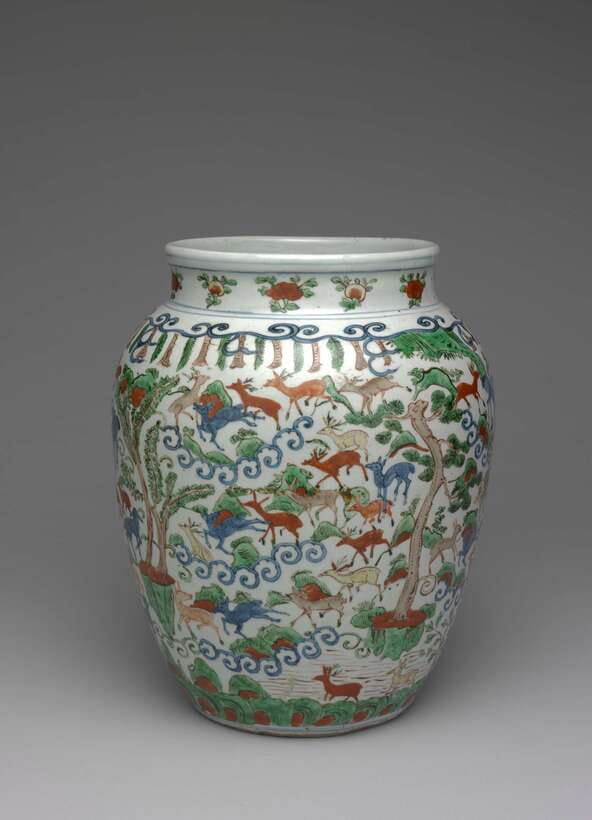
Taipei’s National Palace Museum holds one of the world’s great collections of Chinese art, while the nearby Shung Ye Museum of Formosan Aborigines gives Taiwan’s indigenous peoples their own place in the story. For $15, you visit both in one day and set your own pace rather than following a fixed group schedule.
I like the contrast between the two museums and the easy short walk connecting them. I also like that the optional Shung Ye audio guide adds useful commentary, especially when you are trying to understand unfamiliar customs, clothing, festivals, and beliefs. The main drawback is the ticket procedure: you must first redeem both admissions at Shung Ye, and the smaller museum may feel brief beside the National Palace Museum.
Key points to know before you go
- Collect both tickets at Shung Ye first: You cannot begin at the National Palace Museum and sort out the admission later.
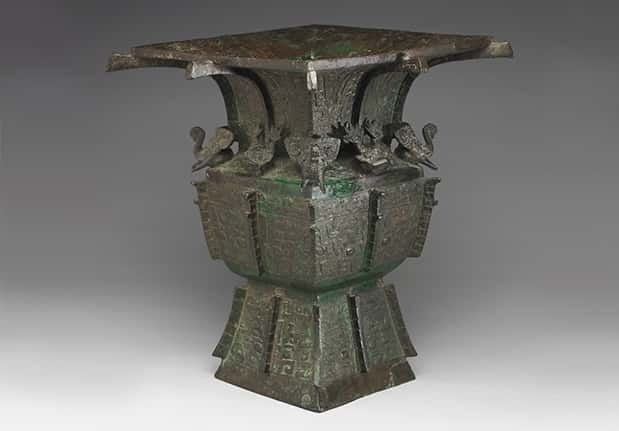
- See two very different collections: Shung Ye focuses on Taiwan’s indigenous peoples, while the National Palace Museum covers about 5,000 years of Chinese art and culture.
- Allow three to four hours at the National Palace Museum: The collection is enormous, so a quick stop only scratches the surface.
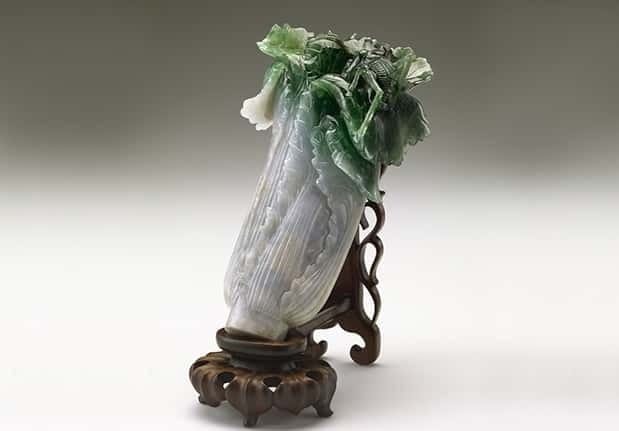
- Look for the jadeite cabbage carving: It is among the best-known objects in the museum’s collection.
- Use the audio guide at Shung Ye if selected: The commentary can add context to exhibits that may otherwise be unfamiliar.
- Plan around museum hours: Both museums are open Tuesday through Sunday, with later National Palace Museum hours on Friday and Saturday.
Start at Shung Ye Museum of Formosan Aborigines
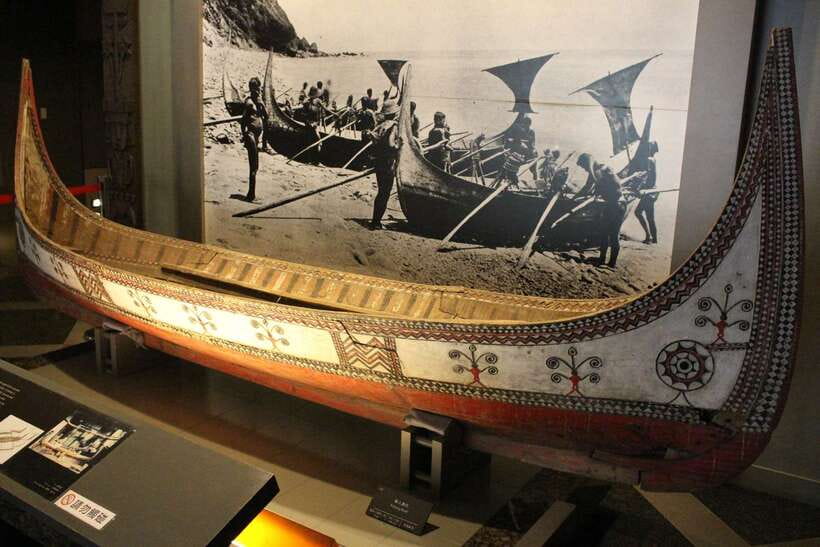
Your first stop is the Shung Ye Museum of Formosan Aborigines at No. 282, Section 2, Zhi Shan Road, in Taipei’s Shilin District. This is not just a ticket office. It is a compact museum that introduces Taiwan’s indigenous peoples before you move on to the much larger collection next door.
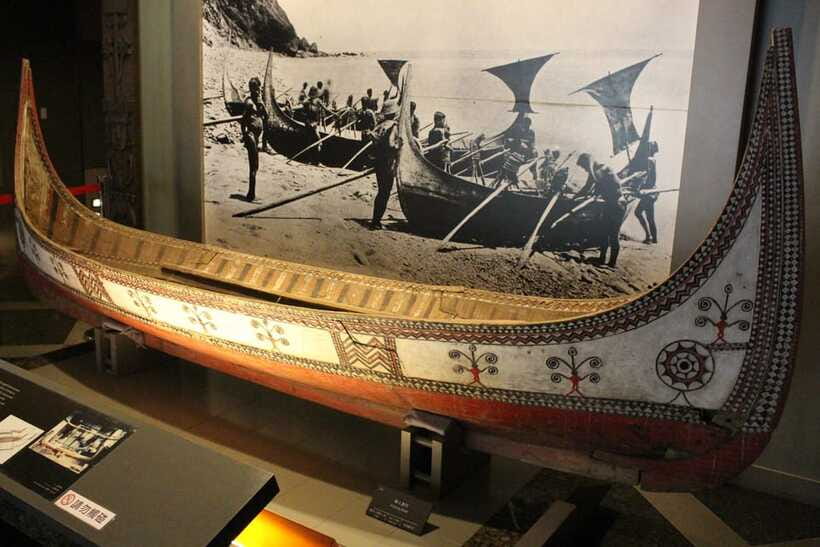
The museum covers the original tribes of Taiwan, including their ways of life, clothing, festivals, religious beliefs, and cultural traditions. The displays give you a useful starting point because Taiwan’s indigenous communities have distinct identities and customs, not one single shared culture.
I would take time here instead of rushing straight to the National Palace Museum. The indigenous collection is smaller, but that is part of its value. You can focus on the basic themes without being overwhelmed by hundreds of rooms and thousands of objects.
If you select the audio guide, use it as you move through the galleries. Lively commentary can help explain the meaning behind objects and traditions that may not be obvious from a display case alone. The guide is included only when you choose that option, so check the booking details before you arrive.
The museum also has an auditorium showing films about the present conditions of Taiwan’s indigenous peoples. These screenings add a modern angle to the exhibits. You are not only looking at clothing and cultural objects from the past. You are also given a chance to consider the position of indigenous communities in Taiwan today.
That balance matters. A museum about indigenous peoples can become a display of costumes and artifacts without much connection to living communities. The films help broaden the subject beyond the visual appeal of colorful clothing and ceremonial objects.
More palace museums around the world:
- Venice’s Best: Basilica, Doge’s Palace, Gondola & History Gallery
★ 4.5 · 2,478 reviews - Royal Palace & Prado Museum Skip the Line Guided Tour
★ 4.5 · 1,347 reviews - Venice: City Pass with Museums including Doge’s Palace
★ 4.1 · 1,020 reviews
Getting there from Shilin MRT Station
The simplest stated route is from Exit 1 of Shilin MRT Station on the red line. Take bus 255, S18, or S19, then get off at Wesley Girls High School, written in Chinese as 衛理女中.
The bus stop name is worth saving on your phone or writing down. You are heading to the Shung Ye Museum first, not directly to the National Palace Museum. That order matters because both tickets must be redeemed at Shung Ye.
Since the activity lasts one day rather than following a fixed start time, you have room to choose a morning or early afternoon visit. Still, starting earlier is the safer plan. The National Palace Museum has much more to see, and you will want enough time for the galleries rather than squeezing them in before closing.
The route includes a bus ride and a short walk between museums. The activity is wheelchair accessible, which is useful information for anyone planning the day around mobility needs. You should still allow time for the transfer and the museum entry process.
Walk to the National Palace Museum
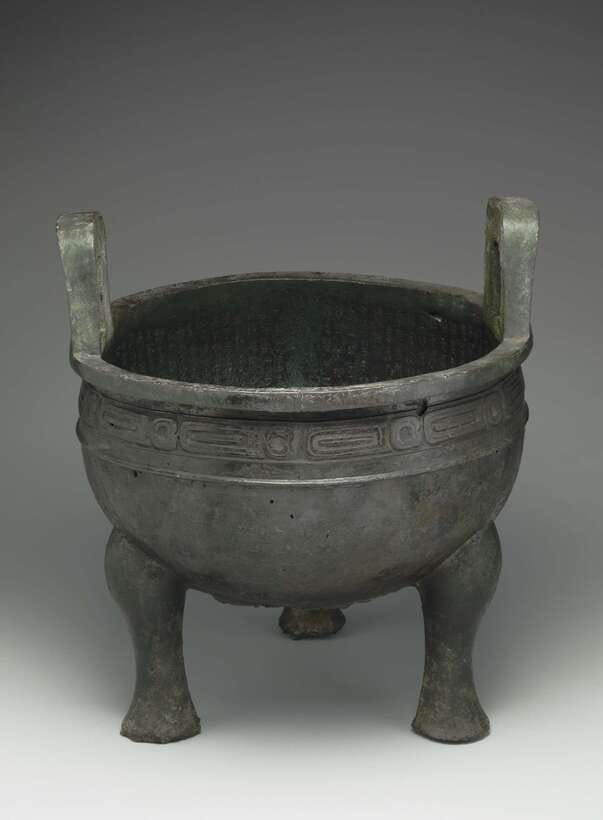
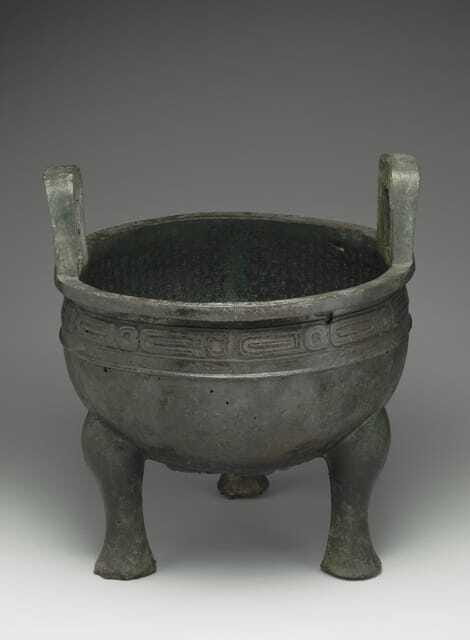
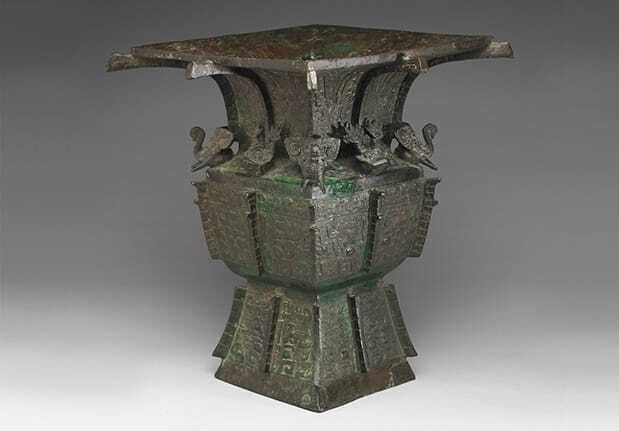
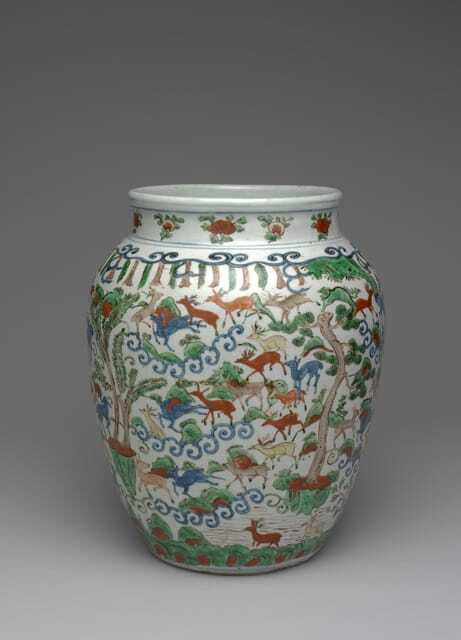
After Shung Ye, take the short walk to the adjacent National Palace Museum. This is the main event for most people, and the scale changes quickly. The museum houses more than 700,000 pieces of Chinese art, including calligraphy, ceramics, and paintings.
You cannot see everything in one visit. That is not a criticism. It is the central fact you need to plan around. A three or four hour visit gives you time to enjoy major galleries and return to objects that catch your eye, but it will not cover the entire collection in detail.
The museum presents about 5,000 years of Chinese history, culture, and daily life. You will encounter objects that show how art, writing, craft, court life, and everyday customs developed across long periods. The collection also helps you see how Chinese culture has influenced Taiwan.
The famous jadeite cabbage carving is an obvious target. It is one of the best-known pieces associated with the museum, and many people plan their visit around seeing it. Do not let that single object define the whole museum, though. The ceramics, paintings, and calligraphy provide the broader picture, and they reward a slower visit.
A useful approach is to choose a few subjects instead of trying to conquer every gallery. You might focus on ceramics, then move to calligraphy and paintings. If you are especially interested in a particular period or type of object, the freedom to explore independently lets you spend your time where it matters most.
One unusual strength of this collection is its difference from the imperial objects you might see in Beijing’s Forbidden Palace. The National Palace Museum offers an extensive Chinese collection, but it is not simply a repeat of that experience. If you have already visited major Chinese museums, you can still expect a different selection and a different way of understanding the objects.
Why the two museums work well together
The paired visit gives you two kinds of cultural context in a single day. Shung Ye focuses on Taiwan’s indigenous peoples and their continuing cultural presence. The National Palace Museum looks across a much wider span of Chinese art and civilization.
That contrast helps you avoid a narrow view of Taiwan. It is easy for a first visit to focus on temples, food, modern Taipei, or Chinese cultural traditions. These museums add two important layers: the indigenous cultures that existed first on the island and the Chinese artistic traditions that shaped later Taiwanese life.
The order also works well. At Shung Ye, you receive a focused introduction to Taiwan’s local tribes. At the National Palace Museum, the scale expands to art and culture across centuries. You can then think about how those large historical forces relate to Taiwan itself.
The connection is not presented as one simple story, and you should not expect the two museums to feel alike. Shung Ye is smaller and more direct. The National Palace Museum is vast and more demanding. That difference keeps the day from becoming two versions of the same museum visit.
More palaces to tour around the world:
- Venice: Doge’s Palace Reserved Entry Ticket
★ 4.6 · 42,716 reviews - Paris: Versailles Palace and Gardens Full Access Ticket
★ 4.6 · 41,579 reviews - Granada: Alhambra & Nasrid Palaces Tour with Tickets
★ 4.7 · 19,801 reviews - Sintra: Pena Palace and Park Entrance Ticket
★ 4.2 · 17,410 reviews
How much time should you allow?
The advertised validity is one day, so you can arrange the timing around your own schedule. I would allow at least an hour for Shung Ye, including time for a film if one is showing and time with the audio guide. Then set aside three to four hours for the National Palace Museum if art and history are important to you.
A shorter visit can still work. You could see the main themes at Shung Ye, walk over, visit the jadeite cabbage, and choose a few National Palace Museum galleries. But do not expect to feel finished. The collection is too large for that.
Friday and Saturday offer a later closing time at the National Palace Museum, which gives you more flexibility. The National Palace Museum is open from 8:30 a.m. to 6:30 p.m. Tuesday through Sunday, extending to 9 p.m. on Friday and Saturday. Shung Ye is open from 9 a.m. to 5 p.m. Tuesday through Sunday.
Because Shung Ye closes earlier, it should remain your first stop even if you plan to spend the evening at the National Palace Museum. Both museums are closed on Monday according to the stated hours, so check the calendar before you reserve.
What the $15 price really gets you
At $15 per person, this is a strong-value museum day if you plan to spend several hours inside. The price covers admission to both the National Palace Museum and Shung Ye, giving you two distinct cultural visits rather than one single ticket with a large campus to cover.
The value is best for independent visitors. You are not paying for a private guide, transport between every gallery, or a tightly scripted tour. You receive entry and the freedom to decide what deserves your time.
The audio guide at Shung Ye is an optional extra within the booking choice. It is worth considering if you want help with cultural context, especially because the exhibits may introduce terms and traditions you have not encountered before. The National Palace Museum audio guide is not included, so do not assume one comes with the package.
There are small extra costs to remember. Locker fees are not included. Filming equipment must be left in the onsite lockers, which cost around TWD20 each. The rules also state that cameras and flash photography are not allowed, so pack for a museum visit rather than a photo session.
Practical advice for a smoother visit
Bring your passport or another accepted ID card. You need it for the ticket process, and it is better to have it ready than to discover the requirement at the entrance.
Redeem both tickets at Shung Ye before doing anything else. This is the most important logistical detail. If you go directly to the National Palace Museum, you may not have the admission you need.
Wear comfortable shoes for the museum galleries and the short walk between the buildings. The day is not physically demanding, but the National Palace Museum can keep you on your feet for several hours.
Do not count on photographing the collection. The stated rules prohibit cameras and flash photography, and filming equipment must go into lockers. Treat the visit as a chance to look carefully rather than as a checklist of pictures.
Families should note that children under seven enter free. The activity is wheelchair accessible. The two museums also allow you to set your own pace, which is helpful if one person wants to spend an hour with ceramics while another prefers a quicker route through the galleries.
Who will enjoy this museum pairing?
This is a good choice if you like museums, art, cultural history, or independent sightseeing. It works especially well for anyone who wants more than a quick city tour and is willing to spend a full day with exhibits.
It also suits repeat visitors to Taipei. The National Palace Museum can be hard to appreciate during a rushed first visit, and a longer return visit gives you time to explore beyond the most famous objects. One especially useful point is that the collection offers a different experience from Beijing’s Forbidden Palace, so previous visits there do not make this stop redundant.
Families with older children and teenagers may find the two-part format useful. The indigenous museum provides a smaller, more manageable introduction, while the National Palace Museum offers enough variety for each person to choose a favorite area.
This may not suit you if you dislike historical museums or prefer a guide to lead you from object to object. One visitor found the museum visit acceptable but not especially compelling, which is a fair warning. The subject is focused and serious, and the National Palace Museum rewards patience more than speed.
Should you book this museum day?
Book it if you want a low-cost, self-guided day that connects Taiwan’s indigenous cultures with a major Chinese art collection. The two-museum contrast, the famous jadeite cabbage, and the chance to spend three or four hours at the National Palace Museum make the $15 price easy to justify.
Skip it if your schedule is tight, you dislike museums, or you want a fully guided experience with included commentary at both sites. If you do book, start at Shung Ye, use the optional audio guide if you want extra help, collect both tickets there, and save your best time for the National Palace Museum.
FAQ
Where do I begin the activity?
Begin at the Shung Ye Museum of Formosan Aborigines. You must redeem both museum tickets there before visiting the National Palace Museum.
How do I reach the Shung Ye Museum?
From Exit 1 of Shilin MRT Station on the red line, take bus 255, S18, or S19. Get off at Wesley Girls High School, or 衛理女中.
Is the National Palace Museum next to Shung Ye?
Yes. The National Palace Museum is adjacent to Shung Ye, and you can walk between the two museums.
Is an audio guide included?
An audio guide for Shung Ye is included only if you select that option. An audio guide for the National Palace Museum is not included.
What are the museum opening hours?
Shung Ye is open from 9 a.m. to 5 p.m. Tuesday through Sunday. The National Palace Museum is open from 8:30 a.m. to 6:30 p.m. Tuesday through Sunday, with hours extending to 9 p.m. on Friday and Saturday.
Can children enter for free?
Children under seven enter free.
Can I take photographs inside?
Cameras and flash photography are not allowed. Filming equipment must be stored in onsite lockers, which cost around TWD20 each.
What should I bring?
Bring your passport or an ID card. Locker fees are not included, so bring a small amount of money if you need to store filming equipment or other items.
Fresh palace tours around the world
- Bangkok Private Grand Palace Emerald Buddha and Reclining Buddha★ 4.5 · 2 reviews
- Bangkok Markets, Palaces and Temples Excursion★ 5.0 · 8 reviews
- Bangkok Two Temple Tour: Wat Pho, Emerald Buddha & Grand Palace★ 5.0 · 4 reviews
- Bangkok Royal Road – Top 3 Major Monuments (Grand Palace, Wat Pho, Wat arun)★ 4.5 · 111 reviews
- Bangkok Grand Palace and Emerald Buddha Tour★ 4.0 · 91 reviews
- Bangkok’s Landmarks Tour : GrandPalace WatTraimit WatPho WatArun★ 5.0 · 8 reviews
- Private Tour: Grand Palace,Wat Phra Kaew, Museum&Cooking Class★ 5.0 · 7 reviews
- Bangkok Grand Palace & Emerald Buddha Flexible Entry with Audio★ 3.5 · 3 reviews