
Review · PALACES WORLDWIDE
Taipei: National Palace & Shung Ye Aborigines Museums Ticket
The National Palace Museum holds an astonishing sweep of Chinese art, from ancient bronze vessels to delicate calligraphy and the famous Jadeite Cabbage. Pairing it with the much smaller Shung Ye Museum gives you two very different views of Taiwan: imperial culture on one side, Indigenous life and tradition on the other. I like the contrast, and I like that one ticket covers both museums for $12. The main drawback is that this is a self-guided museum day, not a guided tour, and Shung Ye can take as little as 30 minutes.
I also like the simple entry system. You scan the QR code at the entrance, then set your own pace. Allow plenty of time for the National Palace Museum, though, because its collection can feel almost too large to take in during one visit. Wheelchair access is limited, and the package does not include transport, food, drinks, or an audio guide.
Key points to know before you book
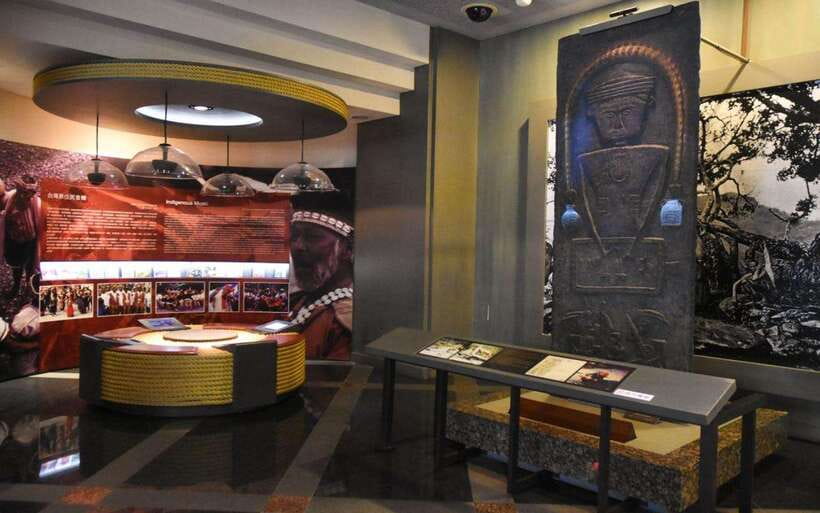
- Two museums, two sides of Taiwan: See imperial Chinese art at the National Palace Museum, then learn about the island’s 14 recognized Indigenous tribes at Shung Ye.
- The headline objects are worth seeking out: Look for the Jadeite Cabbage, Meat-Shaped Stone, ancient bronze ritual vessels, and calligraphy scrolls.
- The National Palace Museum needs most of your time: Its collection spans more than 5,000 years, while Shung Ye is much smaller and may take about 30 minutes.
- This is admission only: You receive entry to permanent and special exhibits, but no guide, transport, meals, or hotel pickup.
- A QR code makes entry easy: The ticket is designed for skip-the-line admission, and a Japanese visitor specifically praised the quick scan-at-the-door process.
- Plan around museum rules: Flash photography is forbidden, and food and drinks cannot enter the exhibit areas.
Start with the National Palace Museum’s 5,000 years of Chinese art
The National Palace Museum is the main event. Its holdings cover more than 5,000 years of Chinese history, giving you a chance to see objects linked to different dynasties, artistic traditions, and periods of court life in one place.
That scale is both the museum’s strength and its challenge. You can look at bronze ritual vessels, calligraphy scrolls, carved objects, and paintings until each room begins to blur together. I suggest choosing a few themes before you begin rather than trying to inspect every display. If you give each object only a few seconds, the collection becomes a march. If you slow down, even a small carved piece can show the patience and skill behind it.
The layout is described as manageable, which helps. You are not dealing with a confusing maze, but the number of important works can still feel overwhelming. A full day is valid for this ticket, and you should resist the urge to rush through the first museum simply because a second one is included.
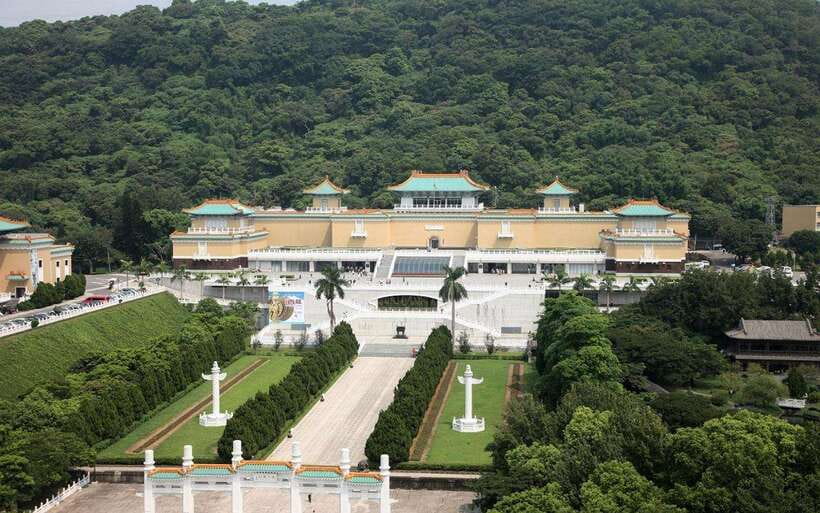
The museum’s setting on a hillside adds to the visit. You are not only entering a collection of objects. You are also visiting one of Taipei’s best-known cultural landmarks in a striking hillside location. The setting gives the museum a sense of place, even though the real focus remains indoors.
More palace museums around the world:
- Venice’s Best: Basilica, Doge’s Palace, Gondola & History Gallery
★ 4.5 · 2,478 reviews - Royal Palace & Prado Museum Skip the Line Guided Tour
★ 4.5 · 1,347 reviews - Venice: City Pass with Museums including Doge’s Palace
★ 4.1 · 1,020 reviews
Find the Jadeite Cabbage and Meat-Shaped Stone
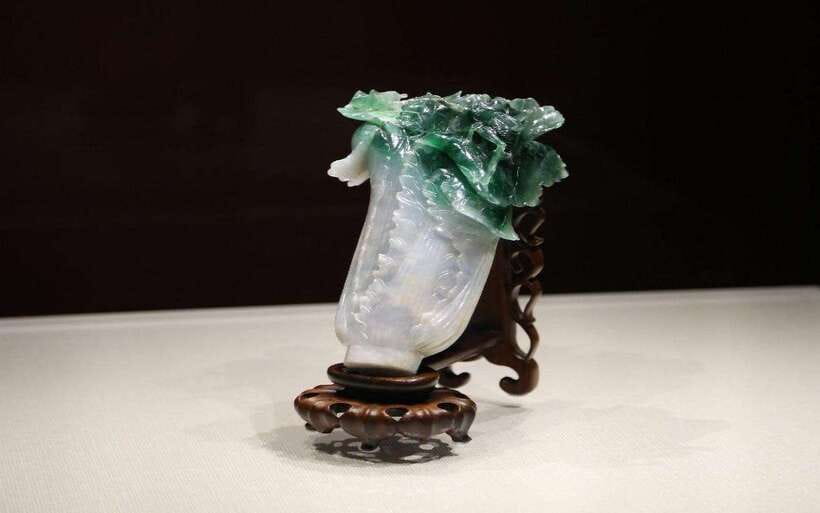
The Jadeite Cabbage is the object many people come to see first. Its appeal is easy to understand: a piece of jade has been shaped to resemble a cabbage, with careful color and carving used to bring the form to life.
The Meat-Shaped Stone is another famous display. Its unusual subject makes it memorable, especially after a long series of formal objects and paintings. These two pieces provide an easy starting point for the visit, but they should not be the only things you see.
The bronze ritual vessels offer a different experience. They connect art with ceremony and the power of ancient courts. The calligraphy scrolls reward a slower look, even if you cannot read the text. Their value lies not only in the words, but also in brush control, spacing, rhythm, and the way the work occupies the page.
You may find the museum’s special exhibits useful for breaking up the permanent collection. This ticket includes access to both permanent and special exhibits, though the exact special exhibitions can change. That gives you more to see, but it also makes it harder to predict exactly how long your visit will take.
Use the audio guide if you want more context
There is no guided tour included, so you will be responsible for choosing your route and deciding how much background you want. A paid or separately arranged audio guide was highly recommended by one visitor because it helps narrow the huge collection to key objects and explains why they matter.
That is good advice if you are not already familiar with Chinese art. Labels can tell you what an object is, but an audio guide can help connect it to a period, use, or tradition. Without that added context, the National Palace Museum can sometimes feel like a series of beautiful objects without a clear story.
If you prefer to wander, the ticket works well for that too. You can focus on famous works, sample rooms from different periods, and leave when your attention fades. The flexible, one-day validity means you do not need to treat the visit like a timed tour.
Remember the basic museum rules. Flash photography is not allowed, and food and drinks cannot be taken into exhibit areas. These rules matter here because many objects are old, delicate, and displayed in controlled interiors.
Change the subject at Shung Ye Museum
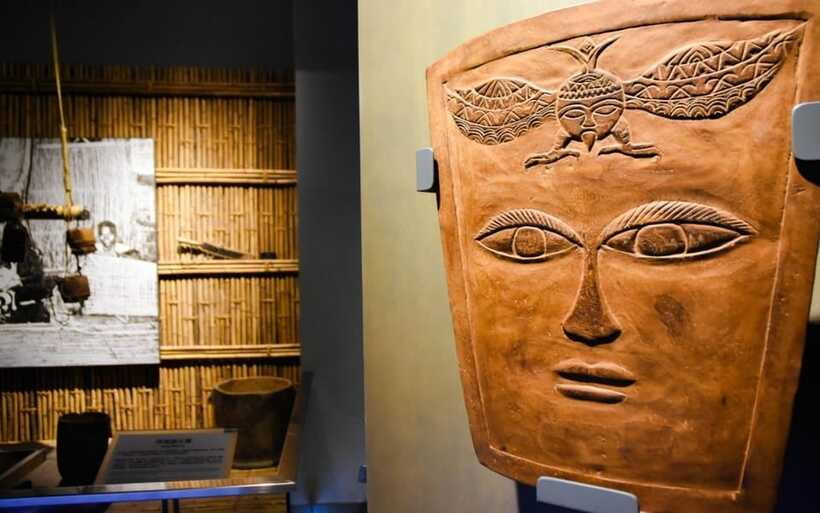
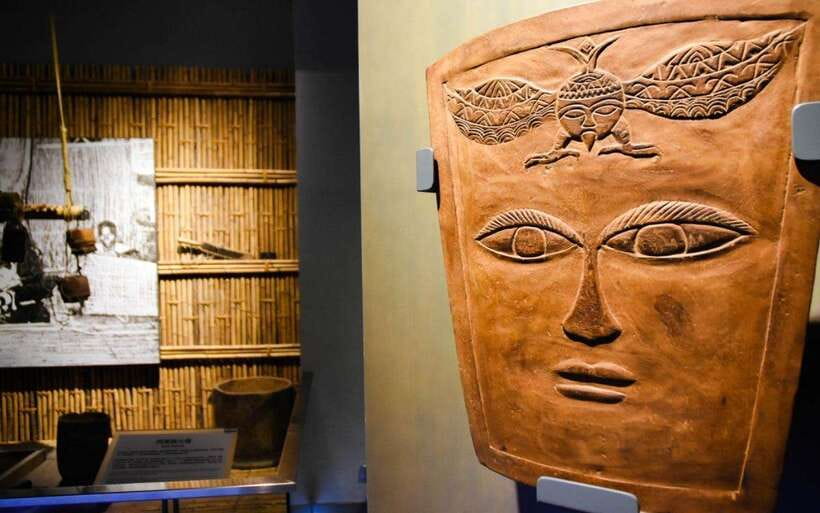
The Shung Ye Museum of Formosan Aborigines is a sharp change from the National Palace Museum. Instead of imperial collections from China, you will see material connected to Taiwan’s Indigenous peoples, including traditional clothing, hunting tools, handicrafts, and ceremonial objects.
The museum focuses on Taiwan’s 14 recognized Indigenous tribes. That makes the visit useful for anyone who wants to understand Taiwan beyond its Chinese imperial and Han cultural influences. The exhibits show that the island’s story includes many separate peoples, customs, languages, and ways of life.
The museum is much smaller than the National Palace Museum. One assessment put the visit at about 30 minutes, which is a fair warning about expectations. You should not book this combination expecting two equally large institutions. Shung Ye is the shorter stop, but its size does not make it unimportant.
I would treat it as a focused companion visit. After the vast National Palace Museum, the narrower scope at Shung Ye can be welcome. Traditional clothing and tools are easier to take in when you are not surrounded by thousands of unrelated objects. Ceremonial pieces also gain meaning when you consider how they relate to community life rather than viewing them only as art.
Multimedia displays add another layer. They help explain Indigenous traditions and daily life in a way that a glass case alone cannot. The exhibits also address the damage caused by colonialism and occupation, so this is not simply a display of attractive crafts. You are being asked to consider the pressure placed on Taiwan’s Indigenous communities and the survival of their identities.
More palaces to tour around the world:
- Venice: Doge’s Palace Reserved Entry Ticket
★ 4.6 · 42,716 reviews - Paris: Versailles Palace and Gardens Full Access Ticket
★ 4.6 · 41,579 reviews - Granada: Alhambra & Nasrid Palaces Tour with Tickets
★ 4.7 · 19,801 reviews - Sintra: Pena Palace and Park Entrance Ticket
★ 4.2 · 17,410 reviews
Why the two museums work well together
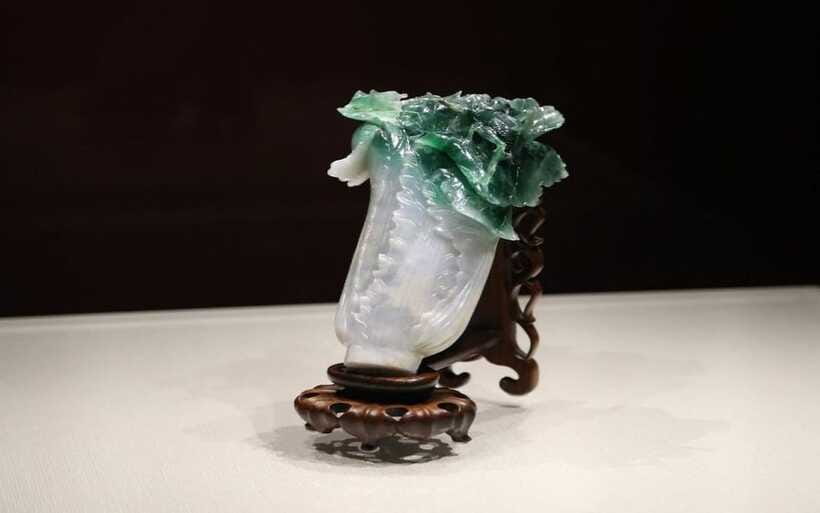
The value of this ticket comes from the contrast. At the National Palace Museum, you see the art, objects, and visual culture linked to long Chinese dynastic traditions. At Shung Ye, you learn about peoples whose cultures developed on Taiwan and whose histories are often left out of a standard account of the island.
I like this pairing because it keeps your understanding of Taiwan from becoming too narrow. The first museum is large, prestigious, and packed with famous works. The second is modest and more specific. One gives you scale and artistic range. The other gives you a closer look at Indigenous identity and material culture.
The pairing also suits different kinds of curiosity. If you care most about painting, sculpture, jade, bronze, or calligraphy, you may spend nearly all your time at the National Palace Museum. If you want to understand Taiwan’s ethnic and cultural variety, Shung Ye becomes essential, even if you finish it quickly.
Do not expect the two museums to feel like parts of one continuous exhibition. They are separate institutions with different subjects and different presentation styles. The connection is the choice you make to visit both in one day.
Is $12 good value?
At $12 per person, the ticket offers strong value if you plan to visit both museums. Admission to the National Palace Museum alone gives you access to a major collection with permanent and special exhibits. Adding Shung Ye for the same day broadens the subject considerably without requiring a second museum purchase.
The value is especially good for people who enjoy self-guided visits. You are not paying for a guide or a fixed route, so you can stay with the displays that interest you and skip those that do not. The ticket’s one-day validity also lets you set a comfortable pace.
The price is less useful if you only want a quick look at the famous jade cabbage. In that case, the National Palace Museum’s scale may feel excessive, and Shung Ye may not hold your attention. You are paying for access to a large cultural collection, not a short highlights tour.
Remember that the $12 does not cover hotel pickup, drop-off, food, drinks, or guided commentary. You need to arrange your own way between the museums and plan your own meals. Since food and drinks are not allowed in exhibit areas, do not expect to snack while moving through the galleries.
A practical plan for your museum day
Begin with the National Palace Museum while your attention is fresh. It has the larger collection and the greater risk of overload, so give it the longer block of time. Start with the famous pieces, then choose one or two areas that interest you rather than trying to see every case.
An audio guide is worth considering if you want help sorting the essential works from the vast number of objects. If you prefer independence, use the manageable layout to create your own short route. Either way, keep your pace slow enough to notice details in the jade, bronze, and calligraphy.
Then visit Shung Ye for a change of subject. Give yourself time to read about the 14 tribes and look closely at the clothing, hunting tools, handicrafts, and ceremonial objects. The multimedia displays can help connect those objects with traditions and ways of life.
The full ticket is valid for one day, but the information provided does not specify opening times or a required order. Check availability and starting information before you go. The ticket is not a transport service, so factor in your own travel time between stops.
Entry should be straightforward. Scan the QR code at the entrance, and the ticket provides skip-the-line access. Keep the code available on your phone, and remember that the admission is for the museums rather than for a personal guide.
Who will enjoy this ticket most?
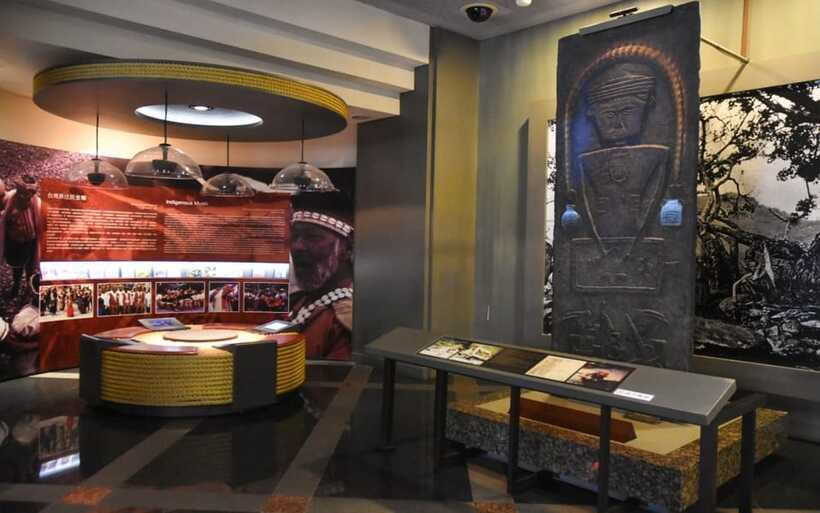
I would recommend this experience to first-time visitors who want a broad introduction to Taiwan’s cultural past. It gives you famous Chinese art, ancient objects, and Indigenous Taiwanese culture in one planned museum day.
It also suits people who like to set their own pace. You can spend hours at the National Palace Museum, make Shung Ye a short focused stop, or give both museums a more even share of your day. Families with older children and teenagers may appreciate the unusual Jadeite Cabbage and Meat-Shaped Stone, while the clothing, tools, and multimedia displays at Shung Ye offer a more direct connection to everyday life.
Art lovers should make the National Palace Museum the priority. Anyone interested in Taiwan’s ethnic and linguistic variety should not skip Shung Ye simply because it is small. Its modest size is part of the point: it offers a focused introduction rather than trying to rival the huge Chinese collection next door in scope.
This is less suitable for anyone who needs full wheelchair access. The museums have limited accessibility, and the experience is not recommended for wheelchair users. It is also a poor match if you want a live guide, organized transport, or a tightly structured tour.
Should you book it?
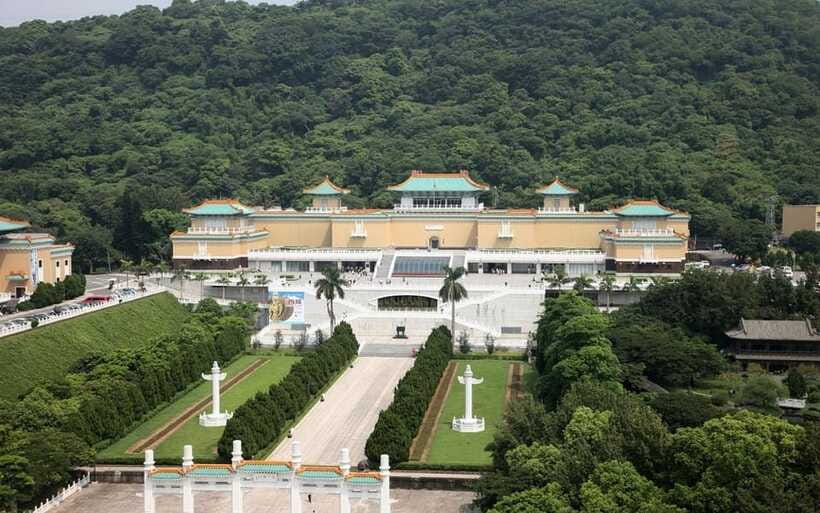
Book this ticket if you want a flexible, low-cost cultural day and can manage museums without a guide. The National Palace Museum alone justifies serious time, and Shung Ye adds an important Indigenous perspective that many Taipei itineraries miss.
I would book it especially if you value context over speed. Give the National Palace Museum the bulk of your time, use an audio guide if you want help with the collection, and treat Shung Ye as a short but meaningful second stop. Skip it only if you want a guided experience, need strong wheelchair access, or have no interest in spending several hours with museum displays.
The cancellation terms are traveler-friendly: you can cancel up to 24 hours in advance for a full refund, and reserve now while paying later. That flexibility makes the $12 ticket an easy choice for a free day in Taipei.
FAQ
How much does the museum ticket cost?
The ticket costs $12 per person.
How long is the ticket valid?
The ticket is valid for one day.
Which museums are included?
Admission includes the National Palace Museum and the Shung Ye Museum of Formosan Aborigines.
What can I see at the National Palace Museum?
You can see Chinese art and artifacts spanning more than 5,000 years, including the Jadeite Cabbage, Meat-Shaped Stone, bronze ritual vessels, and calligraphy scrolls.
What can I see at the Shung Ye Museum?
The museum presents the history and culture of Taiwan’s 14 recognized Indigenous tribes, with traditional clothing, hunting tools, handicrafts, ceremonial objects, and multimedia displays.
Is a guide included?
No. Guided tours are not included. An audio guide may be available separately, but it is not part of the ticket.
Are photography, food, and drinks allowed inside?
Flash photography is not allowed, and food and drinks cannot be taken into the exhibit areas.
Fresh palace tours around the world
- Bangkok Private Grand Palace Emerald Buddha and Reclining Buddha★ 4.5 · 2 reviews
- Bangkok Markets, Palaces and Temples Excursion★ 5.0 · 8 reviews
- Bangkok Two Temple Tour: Wat Pho, Emerald Buddha & Grand Palace★ 5.0 · 4 reviews
- Bangkok Royal Road – Top 3 Major Monuments (Grand Palace, Wat Pho, Wat arun)★ 4.5 · 111 reviews
- Bangkok Grand Palace and Emerald Buddha Tour★ 4.0 · 91 reviews
- Bangkok’s Landmarks Tour : GrandPalace WatTraimit WatPho WatArun★ 5.0 · 8 reviews
- Private Tour: Grand Palace,Wat Phra Kaew, Museum&Cooking Class★ 5.0 · 7 reviews
- Bangkok Grand Palace & Emerald Buddha Flexible Entry with Audio★ 3.5 · 3 reviews