
Review · VIENNA
Vienna: Classical Concert at Eschenbach Palace
Vienna’s classical concert scene can feel formal and hard to choose between, but this 80-minute Eschenbach Palace show keeps things friendly and easy to follow. You get the Vienna Supreme Orchestra, familiar music by Mozart, Schubert, and Strauss, plus opera singers, ballet dancers, humor, and some audience interaction.
I like the beautiful historic hall and the wide mix of music, song, and dance. I also like the early 6:30 p.m. starting time offered on some dates, which leaves room for dinner afterward. The main consideration is that this is a polished introduction to Viennese classics, not a full-length concert for serious symphony regulars.
Key points to know before booking
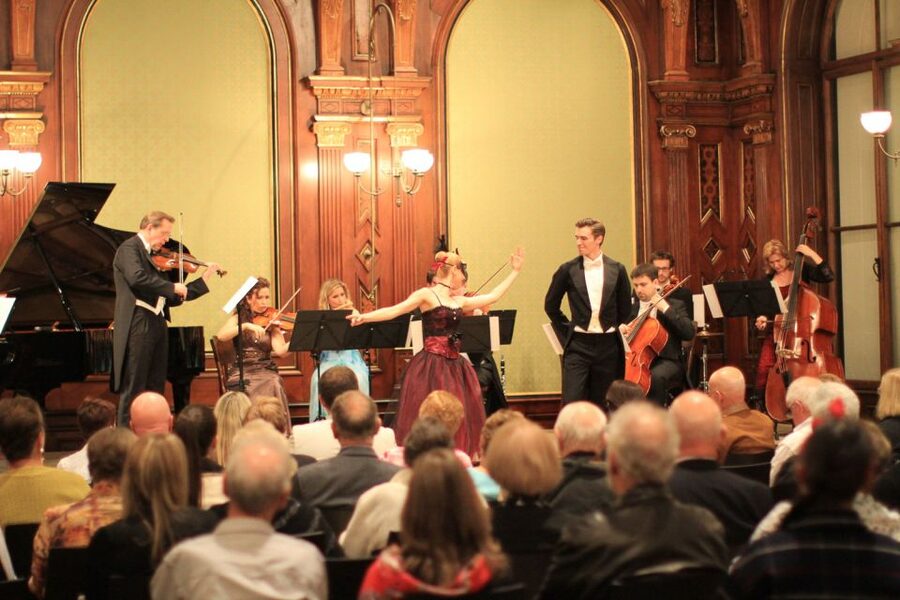
- A concert with more than an orchestra: Expect instrumental music, opera arias and duets, ballet, narration, humor, and audience interaction.
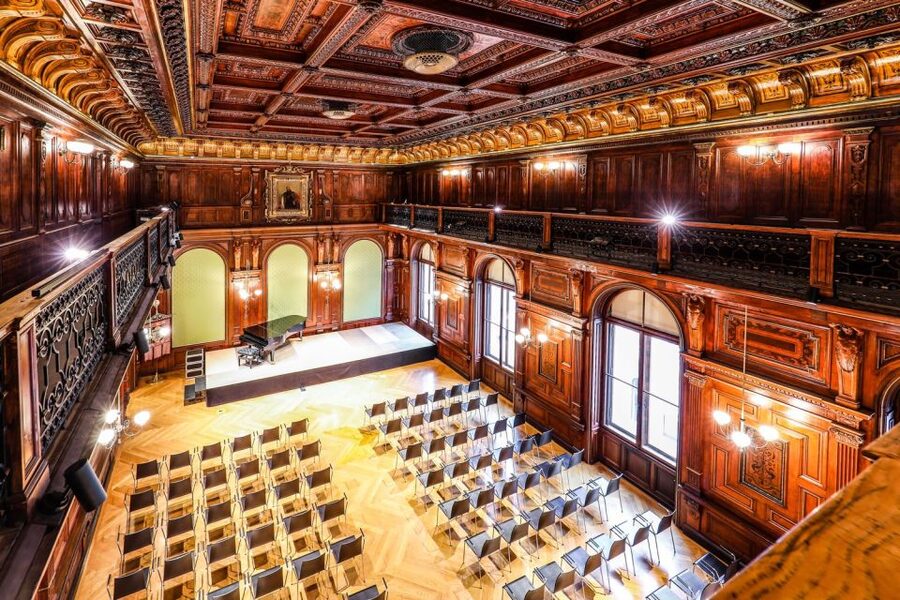
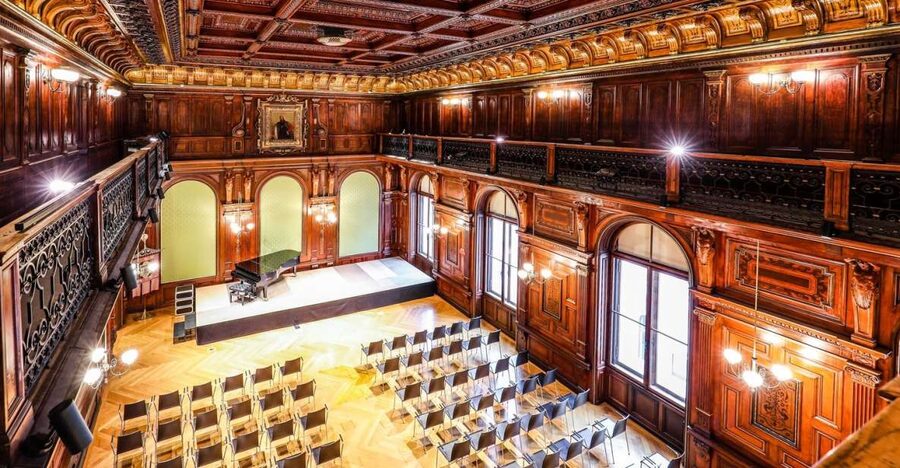
- A handsome palace setting: Eschenbach Palace opened in 1872 and its wood-paneled banquet hall gives the evening a special sense of place.
- Familiar works suit first-timers: Mozart, Schubert, Strauss, the Turkish March, and The Blue Danube make the program easy to enjoy.
- Short and manageable: The performance lasts 80 minutes, a good fit if you want music without giving up your whole evening.
- Seats are assigned on the day: You will not know your exact seat in advance, though several people particularly liked sitting near the front.
- Pack light: Backpacks and bags are not allowed, although a cloakroom is included.
What kind of concert is this?
This is a welcoming introduction to Vienna’s musical tradition, built around pieces many people already know. The program features the Vienna Supreme Orchestra with soloists, and the performance can also include a soprano, tenor, ballet dancers, and a presenter who explains the music before it begins.
That mix matters. If you are new to classical music, a formal concert can sometimes feel like a test you did not study for. Here, the familiar melodies give you a way in. You may recognize the Turkish March, The Blue Danube, famous Strauss waltzes, operetta selections, and popular opera numbers.
The tone is not stiff. The musicians and singers perform seriously, but the show also uses light comedy and direct contact with the audience. Some parts feel closer to a small musical revue than a strict orchestral recital. That is a strength for most first-time concertgoers, families with older children, and anyone who wants a lively night out.
If your main goal is to hear a long, demanding symphonic work in silence, this may not be the right choice. The concert favors variety and quick changes. You get a taste of several Viennese arts instead of one extended musical argument.
More concerts in palace halls around Vienna:
- Exclusive Evening at Schönbrunn Palace: After-Hours Audiotour, Dinner, Concert
★ 4.0 · 930 reviews - Schönbrunn Palace Concerts in Vienna
★ 4.5 · 889 reviews - Vienna: Schönbrunn Palace Evening Tour, Dinner and Concert
★ 4.4 · 889 reviews
Entering Eschenbach Palace in Vienna
Eschenbach Palace is in central Vienna, close to one of the city’s grand boulevards. Emperor Franz Josef I inaugurated the building in 1872, and architect Otto Thienemann designed it in the Palladian style.
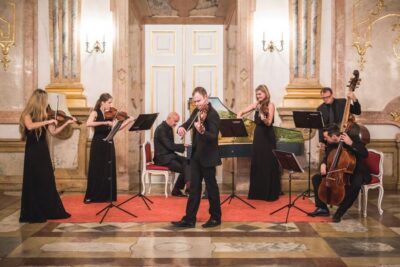
The setting helps make this more than a ticketed music performance. The large banquet hall has precious wood paneling and wall tapestries, with modern technical equipment fitted into the historic room. You are not entering a purpose-built concert hall with rows of anonymous seats. You are spending the evening in a palace interior designed for ceremony and gatherings.
The room is part of the appeal, but keep your expectations sensible. One attendee found the stage smaller than expected. That is useful to know if you are imagining a huge opera-house production. The compact setting can make the singers and dancers feel close, but it also limits the scale of the staging.
Arrive with enough time to find the entrance and collect your ticket. The meeting point is the Vienna Supreme Concerts entrance, and tickets are held at the theater box office for collection on the day of the performance. An earlier attendee had trouble identifying the venue because there was little indication outside, so do not wait until the last minute and assume the entrance will be obvious.
The opening music: a quick route into Vienna’s classics
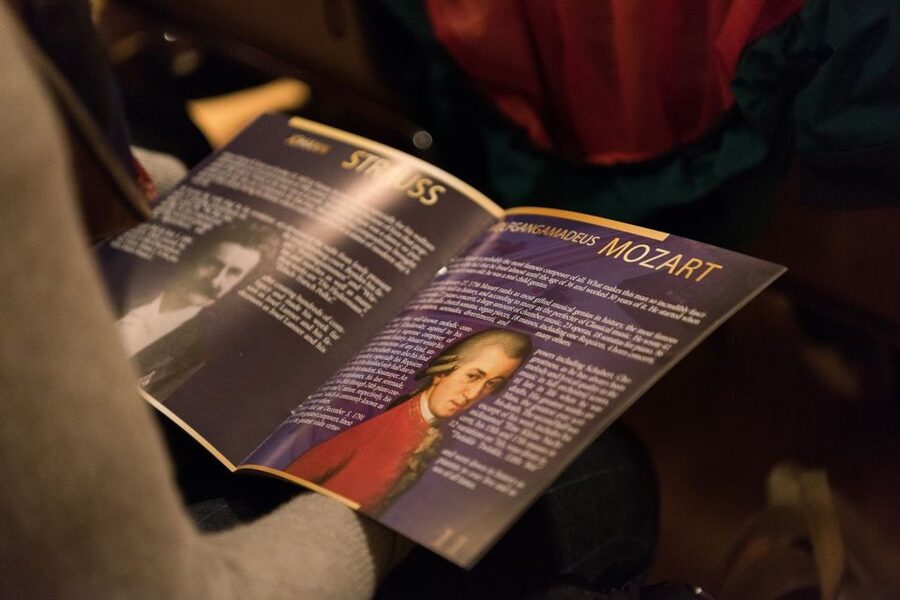
The concert begins with the orchestra and a selection of recognizable Viennese music. Mozart, Schubert, and Strauss form the main musical thread, with Strauss especially important because of his connection to waltz and operetta traditions.
You will hear music chosen for immediate appeal rather than obscure discovery. That makes the opening welcoming. Even if you cannot name every piece, you can follow the rhythm, melody, and mood. A presenter may introduce the selection and offer brief context, which helps you understand what you are hearing without turning the night into a lecture.
The orchestra is central to the evening. The program gives room to instrumental soloists, and individual musicians may receive attention for parts such as violin, flute, or percussion. The performances are designed to keep moving, so you are not sitting through long stretches of explanation.
I think this works well after a day of sightseeing. You can settle into the music quickly, enjoy the room, and let the program do the work. The 80-minute length is also practical. You get a proper evening activity, but you still have time for a late meal or a walk through central Vienna.
Opera voices, ballet, and the lighter side of the show
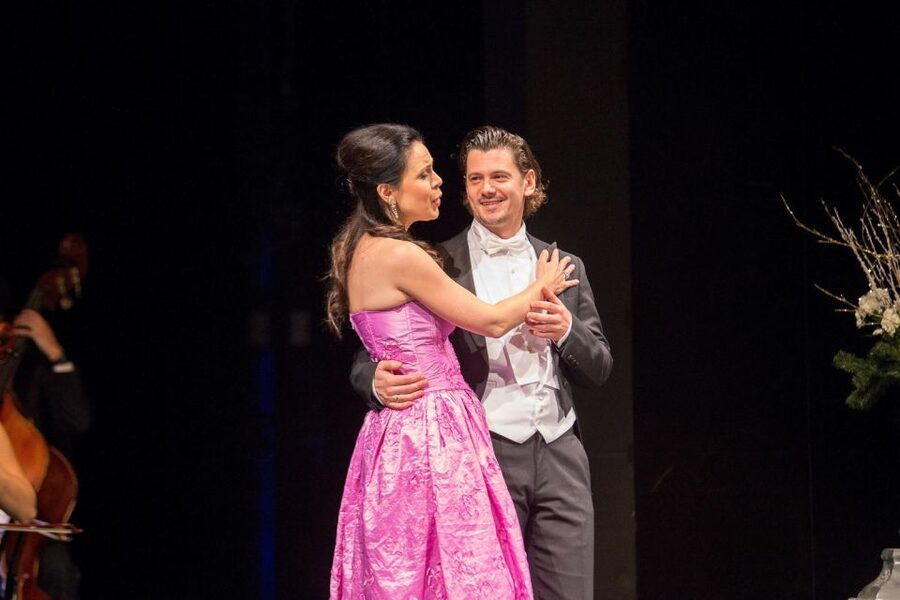
The biggest surprise for many people is that this is not orchestra-only. The program can include soprano and tenor performances, opera scenes, and ballet dancers. Some pieces are presented with theatrical flair rather than as a purely seated recital.
The singers bring a change of pace from the orchestral selections. Arias and duets add drama, while the dancers give the music a visual form. One popular part of the show has been a Carmen selection, and the performance can also include music familiar from The Sound of Music. These choices make the concert accessible to people who may not normally buy tickets for opera or ballet.
The dancers are not decorative extras. They help turn a short program into a variety show of Viennese performing arts. You may see classical music, opera, ballet, and comedy all within the same evening. That is why I would suggest this to a couple with different tastes. One person can enjoy the orchestra, another can look forward to the singers, and everyone gets a bit of movement and humor.
The comedy is usually gentle and audience-friendly. The show does not treat the music as untouchable. A narrator or performer may invite a response, make a light joke, or help the audience take part. This relaxed approach is one reason people who were unsure about classical music found the concert enjoyable.
More palaces to tour around Vienna:
- Vienna: Schönbrunn Palace & Gardens Skip-the-Line Tour
★ 4.7 · 7,739 reviews - Vienna: Skip-the-Line Schönbrunn Palace & Gardens Tour
★ 4.8 · 5,411 reviews - Vienna: Bus & Schönbrunn Palace Skip-the-Line Guided Tour
★ 4.3 · 2,802 reviews - Vienna: Imperial Treasury in the Hofburg Palace
★ 4.4 · 1,791 reviews
Why the 80-minute length works
At 80 minutes, this is shorter than many formal classical programs. I see that as a benefit for a first concert, a busy sightseeing day, or an evening when you have dinner plans.
You can enjoy a full set of music, singers, and dancers without needing to prepare for a three-hour commitment. The pace also supports the program’s variety. By the time you have heard an orchestral selection, an aria, a dance number, and a comic exchange, the performance is ready to finish before the format becomes repetitive.
There is a tradeoff. Several people wanted the concert to last longer. If you are looking for a substantial program with extended works, you may leave wishing for another half hour. The short running time means some pieces are likely to be presented as highlights rather than complete, expansive performances.
For most visitors, I think the timing is a good match for Vienna. You get a clear sample of the city’s musical identity, then return to the streets with enough evening left to enjoy them.
Seats, sightlines, and what to bring
Your seat is assigned by the theater box office, and the exact location is not known in advance. That makes it difficult to choose a specific view when booking.
If seeing the dancers and singers clearly is important to you, arriving early is sensible, though it does not guarantee a particular seat. Several people especially liked sitting in the first few rows or around the third row. Front seating can help you catch facial expressions, comic gestures, and the detail of the dance work.
The stage is not large, so the room has a relatively intimate feel. That can be a plus for vocal performances. It also means the visual scale will not match a major opera house.
Backpacks and bags are not permitted. A cloakroom is included, but you should still avoid arriving with more luggage than necessary. Bring your booking confirmation and allow time to collect your ticket at the box office. The host or greeter speaks English, and the activity is wheelchair accessible.
Children under six are not admitted. Older children may enjoy the humor, colorful changes in performance, and familiar tunes more than they would enjoy a strict orchestral concert. A six-year-old family member was reported to have stayed engaged through the show, but children vary, so think about your child’s patience and interest before booking.
Is $51 a fair price?
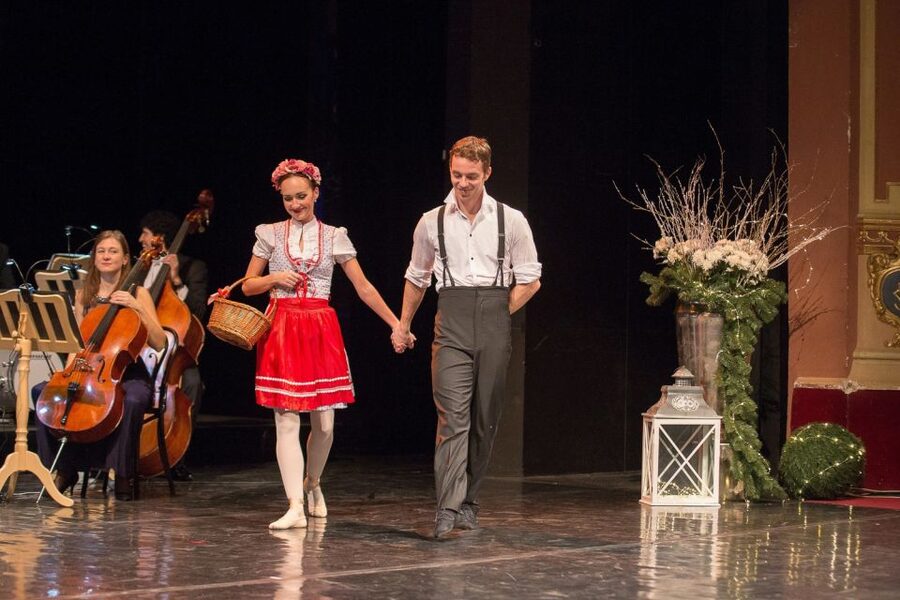
At $51 per person, this is not the cheapest music option in Vienna, but the price covers more than an orchestra seated on a stage. You are paying for the performance, the historic palace setting, opera voices, ballet, a host, and a convenient central location.
The value is strongest if you want a broad introduction to Viennese culture. In one short sitting, you hear music linked to Mozart, Schubert, and Strauss, see ballet, and get a taste of opera. Booking separate performances for each art form would cost more and require more time.
The value is weaker if you already know you want a specialist classical program. This show is built around accessible favorites and theatrical variety. It is not aimed at listeners who want rare repertoire, a long symphony, or a quiet concert with no spoken interaction.
I would also count the included cloakroom as a small practical benefit, especially since bags and backpacks are not allowed in the performance area. Hotel pickup and drop-off are not included, but the central location makes this more of an independent evening plan than a packaged excursion.
Timing your evening in Vienna
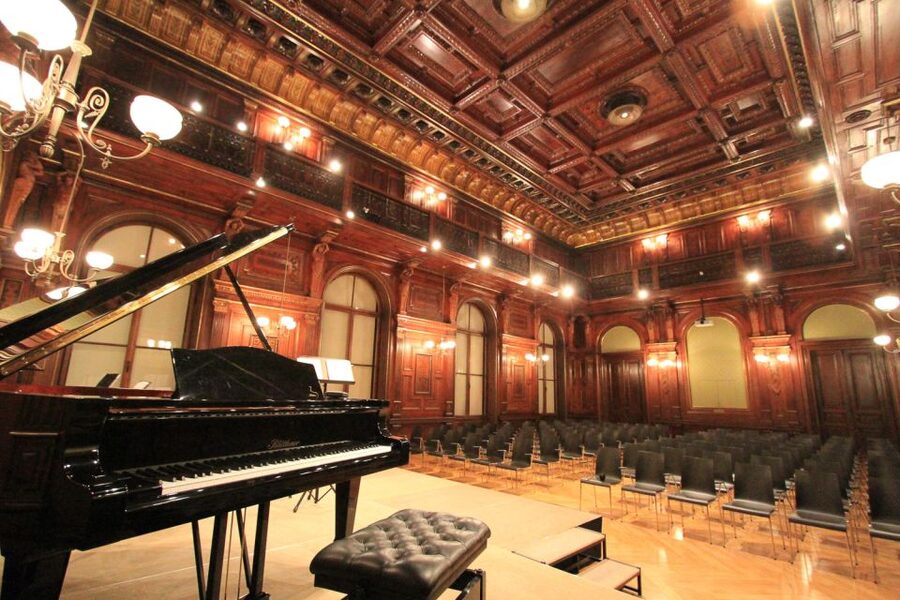
Some performances begin at 6:30 p.m., an earlier start than many evening concerts in the city. That schedule is useful if you want to eat afterward or prefer not to finish late.
Plan to arrive at least 30 minutes early, especially for an early evening show. You need to find the entrance, collect your ticket from the box office, and settle into your assigned seat. An early arrival also reduces the chance of confusion outside the building.
Since there is no hotel pickup, you are responsible for reaching the palace and returning to your accommodation. Treat it like an independent city-center activity. Pair it with a walk along Vienna’s central boulevard, an early dinner, or an afternoon visit to another nearby sight.
The cancellation terms are traveler-friendly: you can cancel up to 24 hours in advance for a full refund. You can also reserve now and pay later, which helps if your Vienna schedule is still changing.
Who will enjoy this most?
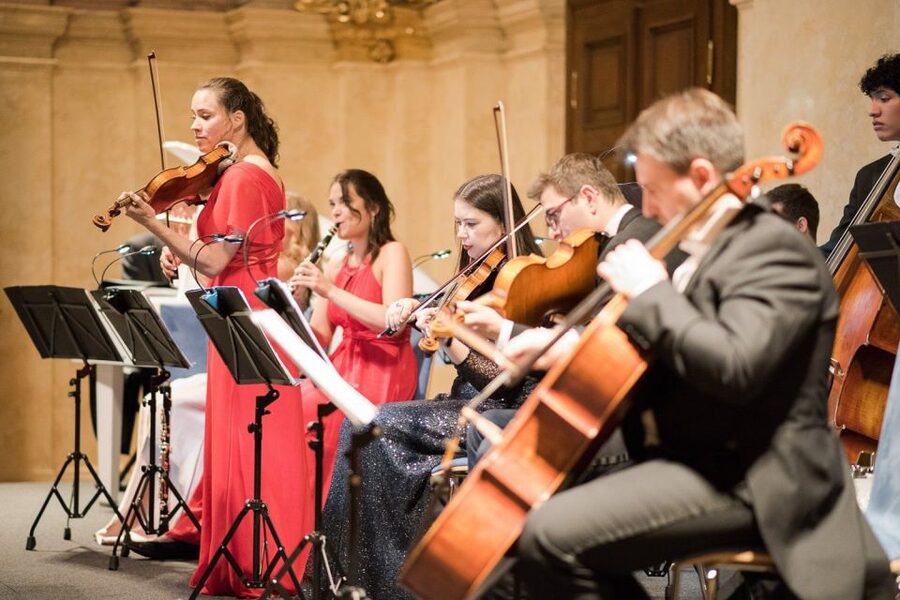
I would recommend the concert to:
- First-time classical concertgoers who want familiar music and a relaxed format.
- Couples looking for a polished evening activity in a historic setting.
- Families with children aged six and older who can sit through 80 minutes.
- Visitors who want opera, ballet, orchestra, and humor in one performance.
- People visiting outside the main opera season who still want a taste of live vocal and dance performance.
- Anyone who wants a central activity that does not consume the whole night.
It may be less suitable for a serious classical listener seeking a full symphony, a large orchestra, or complete operatic scenes. It is also not suitable for children under six, and the assigned seating means you cannot plan around a specific row in advance.
Practical verdict on Eschenbach Palace
I like this concert because it understands what many visitors actually need from a Vienna performance. You want real musicians, a handsome room, famous music, and a format that does not require specialist knowledge. The orchestra provides the foundation, while singers, dancers, narration, and humor keep the evening moving.
The palace setting gives the night a sense of occasion, and the 80-minute length makes it easy to fit into a busy itinerary. The drawbacks are clear: the stage is compact, seating is assigned on the day, and the program may feel tourist-oriented to anyone seeking a formal, serious symphonic recital.
Should you book this concert?
Book it if you want an enjoyable first taste of Vienna’s musical traditions, especially if your group has mixed interests. The combination of Mozart, Schubert, Strauss, opera, ballet, and comedy gives you much more variety than the title alone suggests.
Skip it in favor of a longer specialist concert if you already know exactly what repertoire and orchestra you want. For most visitors, though, $51 buys a well-paced evening in a historic palace, with enough music and theater to make Vienna feel like Vienna.
FAQ
How long does the Eschenbach Palace concert last?
The concert lasts 80 minutes.
What music is performed?
The program includes compositions by Mozart, Schubert, and Strauss, along with Viennese waltzes, polkas, opera arias, and duets. Specific selections can vary.
Does the performance include opera and ballet?
Yes. The performance can include opera singers, ballet dancers, the orchestra, and a presenter who introduces the music.
Where do I collect my tickets?
Your tickets are held at the theater box office for collection on the day of the performance. The meeting point is the Vienna Supreme Concerts entrance.
Will I know my seat before the performance?
No. Seats are assigned by the theater box office, and the exact seats are not known in advance.
Is the concert suitable for children?
Children under six are not admitted. Older children may attend, and the mixture of music, dance, humor, and audience interaction can make the format easier for families.
Are bags allowed, and is the venue wheelchair accessible?
Backpacks and bags are not allowed, but a cloakroom is included. The venue is wheelchair accessible.
Fresh palace tours around Vienna
- Vienna: Schönbrunn Palace Gardens Private Guided Tour★ 4.9 · 28 reviews
- Belvedere Palace: Tour with Skip-the-Line/Transfer Options★ 4.7 · 27 reviews
- Schönbrunn Palace: Exclusive Ticket after the opening hours★ 4.1 · 374 reviews
- Schönbrunn Palace Private Photoshooting tour★ 5.0 · 4 reviews
- Vienna: Schönbrunn Palace & Christmas Market Walking Tour★ 3.9 · 6 reviews
- Private Vienna Night Tour – Palaces & City Lights★ 5.0 · 2 reviews
- Private Schönbrunn Palace Tour: Entrance included★ 4.8 · 5 reviews
- Vienna and Skip-the-Line Schönbrunn Palace Private Tour★ 4.8 · 7 reviews
Palace Concerts: the shortlist.
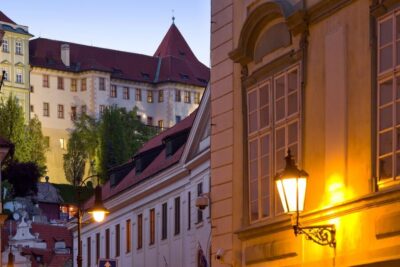
Prague Castle: Midday Classical Concert at Lobkowicz Palace
Read our review →
Opera Concert at Palazzo Poli – Fontana di Trevi
Read our review →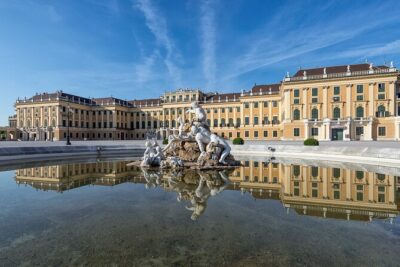
Exclusive Evening at Schönbrunn Palace: After-Hours Audiotour, Dinner, Concert
Read our review →
Schönbrunn Palace Evening Tour, Dinner and Concert
Read our review →
Mozart & Strauss Classical Concert at Börse Palace
Read our review →
Musica a Palazzo ‘Traveling Opera’ Performance in Venice
Read our review →This visit also appears in