
Review · SPAIN
Gandia: Ducal Palace Entry Ticket with Audio Guide
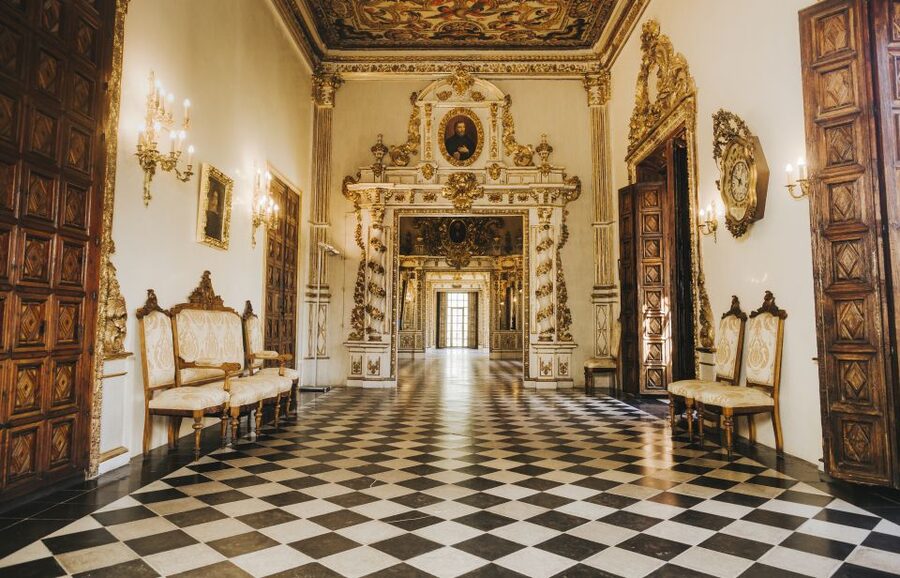
The Ducal Palace of Gandía packs centuries of power into one elegant building. You’ll move from 15th-century Valencian Gothic details to Renaissance additions and then into the lavish Baroque Golden Gallery, where five rooms share painted ceilings and an impressive sense of ceremony. This was not just a home. It was a statement by the Borgia family.
I like the 45-minute audio guide, which gives you enough historical context without turning a short palace visit into a lecture. I also like the low $9 price, especially because it includes both admission and commentary in six languages. The main drawback is that this is an independent visit, not a live guided tour, so you’ll need to keep yourself moving and pay attention to the audio stops.
Key points to know before entering
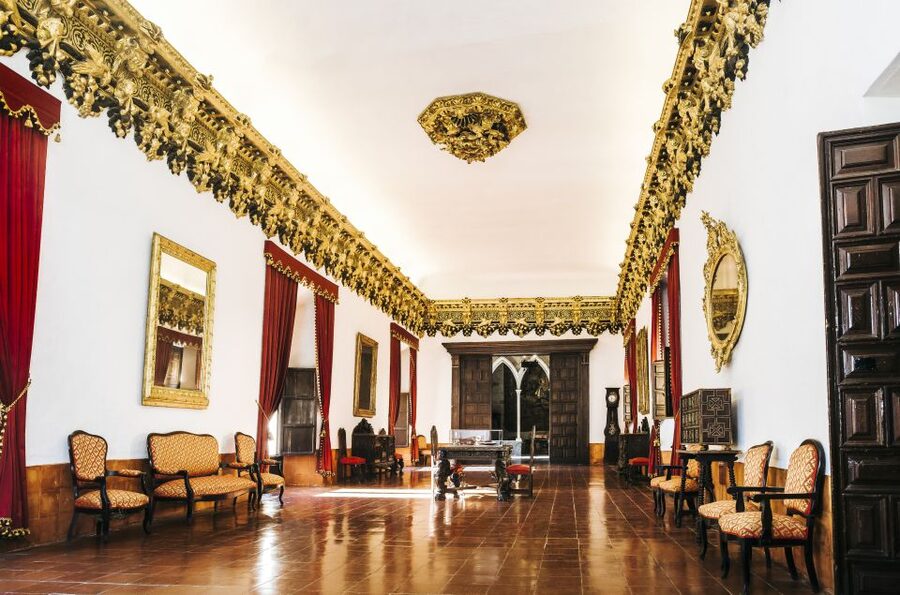
- Five rooms in the Golden Gallery: Look up at the painted ceilings and notice the Baroque taste for drama and display.
- Borgia family connections: The audio guide introduces figures such as Duchess Maria Enriquez and San Francisco de Borgia.
- Six audio-guide languages: Choose Spanish, English, French, Italian, German, or Russian.
- Three architectural eras: Gothic, Renaissance, and Baroque details appear across the palace.
- About 45 minutes of commentary: The audio guide gives structure to a self-guided visit.
- Good value at $9: Admission and the audio guide are included, with free cancellation up to 24 hours ahead.
Why the Ducal Palace matters in Gandía
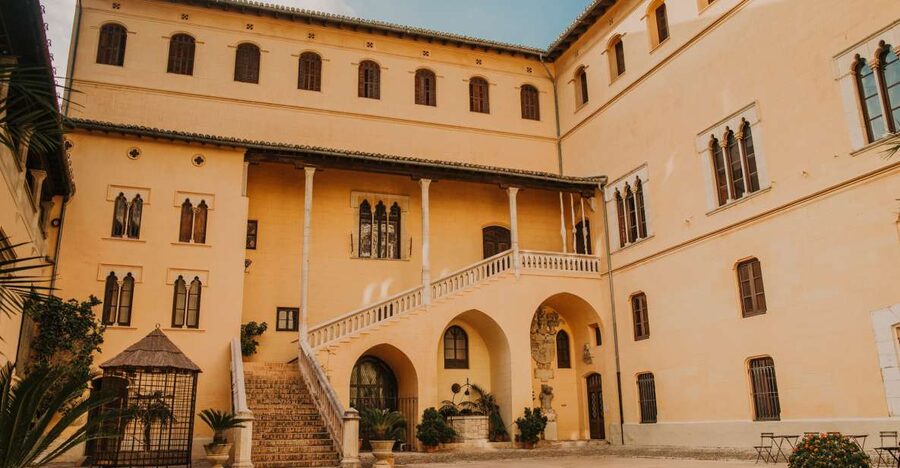
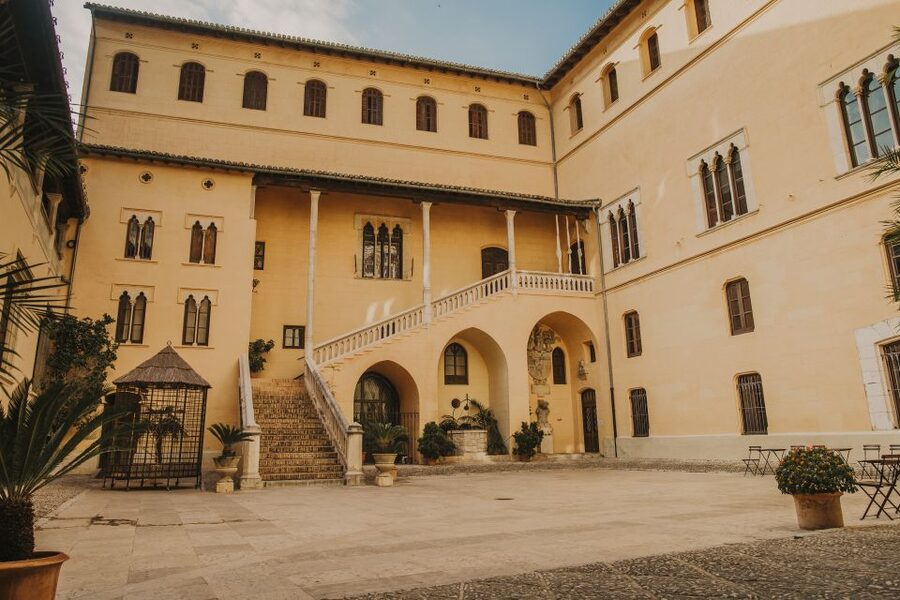
Gandía’s Ducal Palace is one of the city’s key pieces of civil heritage. Its story is tied to the Borgias, the powerful family better known for its influence in Renaissance Europe than for quiet domestic life. Here, their political reach becomes visible in stone, painted ceilings, chapels, grand halls, and carefully arranged rooms.
You are not visiting a single-period monument. The palace changed over time, and that is part of its appeal. Gothic structure, Renaissance taste, and Baroque decoration overlap inside the building. Instead of seeing a perfectly uniform royal residence, you get a record of changing fashion and changing power.
The audio guide helps connect those changes. Without commentary, some rooms may look simply ornate. With the historical background, you can better understand why particular spaces mattered and how the palace reflected the status of the people who lived there.
More Palace Entry Tickets in Spain
- Granada: Alhambra and Nasrid Palaces Entry Ticket
★ 4.6 · 15,130 reviews - Madrid: Royal Palace Fast-Access Admission Ticket
★ 4.6 · 13,856 reviews - Córdoba: Viana Palace Gardens and Patios Entry Ticket
★ 4.5 · 880 reviews
Entering a palace built across several eras
Begin by paying attention to the architecture before rushing toward the most decorated rooms. The older Gothic elements give the palace a more serious, fortified character. They remind you that this residence began in a period when noble buildings needed to project strength as well as comfort.
As you continue, the Renaissance influence brings a different sense of order and refinement. Later Baroque work adds movement, color, and theatrical detail. I find this progression more interesting than a building that was designed all at once, because each period leaves a visible mark.
The audio guide is especially useful here. It gives you a route through the building and explains what you are seeing in a way that helps the details fit together. The commentary lasts around 45 minutes, so it should suit you if you want a focused visit rather than hours of close study.
You can listen in Spanish, English, French, Italian, German, or Russian. German visitors have specifically found the narration easy to understand and pleasant to listen to. That matters in an ornate building, where the best details are often above your head or tucked into architectural features you could easily overlook.
The Golden Gallery and its five painted rooms
The Golden Gallery is the palace’s main visual reward. It is a Baroque interior made up of five connected rooms, each contributing to a larger display of wealth and ceremony. The name gives you a clue about the atmosphere, but the painted ceilings are what make the gallery memorable.
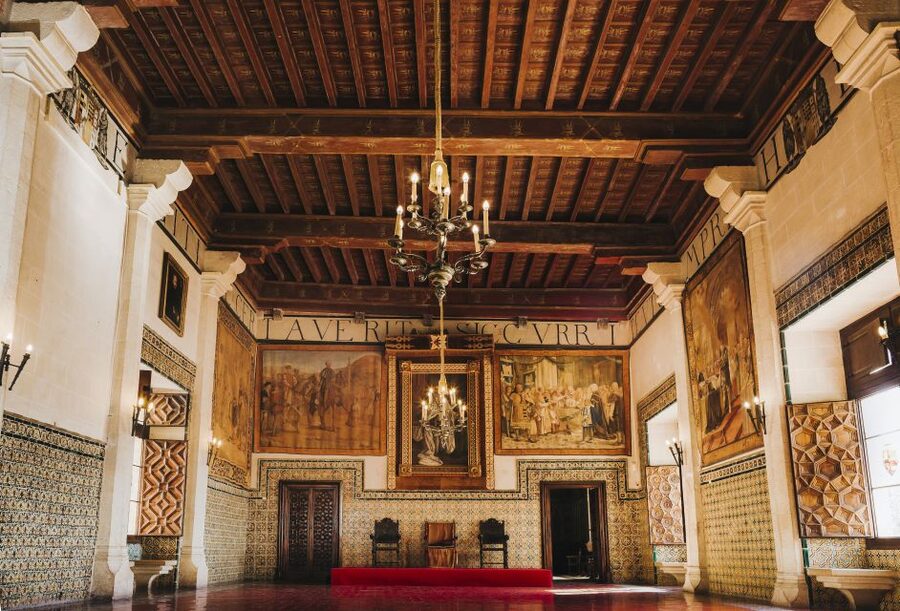
Look upward before studying the walls. The oil-painted ceilings create much of the room’s effect, and the audio commentary helps explain their imagery and artistic purpose. The paintings are associated with Gaspar de la Huerta, a notable artist whose work gives the gallery a strong decorative identity.
This is the section where you may want to slow down. The five rooms are related, but they are not identical. Moving through them gives you a sense of how a formal palace sequence works, with one decorated space leading into another. The design encourages you to keep looking forward while also checking the ceiling and surrounding details.
The Golden Gallery is also a useful reminder that Baroque interiors were designed to impress. The goal was not plain comfort. It was visual impact, social rank, and a carefully staged sense of importance. For $9, this one part of the palace gives the visit much of its value.
Hall of Eagles, Hall of Crowns, and the Holy Chapel
The palace’s other named rooms provide a different kind of interest. The Hall of Eagles and Hall of Crowns carry the language of authority and ceremony. Their names alone suggest the symbols you should watch for, especially if you are interested in how noble families presented themselves.
The audio guide gives these rooms a place in the wider story rather than treating them as disconnected displays. You’ll hear about the people connected with the palace and the role of the Borgias in Gandía. This makes the visit more personal. You are not just examining a room; you are considering how a family used its surroundings to express influence.
The Holy Chapel changes the mood again. Religious spaces inside noble residences often reveal another side of palace life, combining private devotion with carefully presented status. The chapel is one of the places where the palace’s spiritual and political roles meet.
I recommend using the audio guide as a prompt to look closely, not as background noise. Pause when a feature catches your eye, then continue once you have taken it in. Since the visit is self-guided, you can control the rhythm, although you will not have a live guide to answer questions or adjust the route for you.
Same royal city, another way in:
- Granada: Alhambra & Nasrid Palaces Tour with Tickets
★ 4.7 · 19,801 reviews - Madrid: Royal Palace Expert Guided Tour with Skip-the-Line
★ 4.7 · 8,407 reviews - Granada: Alhambra & Gardens Tour w/Nasrid Palaces Option
★ 4.2 · 7,022 reviews - Madrid Essential: Historic Center, Plaza Mayor & Royal Palace
★ 5.0 · 6,416 reviews
Meeting the Borgias through Maria Enriquez and San Francisco de Borgia
The Borgia connection gives this palace more character than a purely decorative residence. The audio guide introduces key figures including Duchess Maria Enriquez and San Francisco de Borgia, helping you place the rooms within the family’s story.
Maria Enriquez is an important name to remember because she connects the palace to the women who managed noble households, estates, and political interests. San Francisco de Borgia adds another dimension to the story, linking the family’s worldly power with religious life.
You do not need a detailed knowledge of Borgia history before arriving. The commentary is designed to give you the essential background as you walk. Still, a little curiosity helps. Notice how the rooms communicate rank, faith, family identity, and public authority. The palace works best when you treat it as both an art-filled building and a record of the people who shaped it.
The history is presented through the rooms rather than through a large museum collection. That means the building itself remains the main attraction. If you prefer paintings, objects, and long written labels, this may feel lighter than a full museum visit. If you enjoy architecture and historic interiors, the balance should suit you.
How the 45-minute audio guide changes the visit
A palace can be difficult to read without context. A ceiling may look attractive but tell you little. A chapel may seem small until you understand its place in the household. The audio guide gives you the basic framework needed to make sense of those details.
The 45-minute length is a practical middle ground. It is long enough to cover the major rooms and historical figures, but short enough to fit into a day of sightseeing in Gandía. You can listen in one continuous visit, and the one-day validity gives you flexibility if your plans leave room to return within the permitted period.
The guide is not a substitute for a live specialist. You cannot ask follow-up questions, and the visit does not include a guided tour. That is the tradeoff behind the modest price. You receive structure and information, but you set the pace and make your own observations.
The audio guide has been particularly well received in German, with clear speech and a comfortable voice. English is also available, along with four other languages. If you want the most relaxed experience, choose your language before you begin and give yourself time to listen rather than trying to hurry through every room.
Is $9 good value for the palace visit?
At $9 per person, this is an easy activity to justify if you are already spending time in Gandía. The ticket includes entry and the audio guide, so you do not need to pay extra for the basic historical explanation. For the price of a simple snack, you get access to a major palace and a structured visit through its principal rooms.
The value comes from the combination of setting and commentary. A cheap entry ticket without context could leave you wandering through attractive but confusing rooms. Here, the audio guide explains the palace’s changes, the Borgia family, the Golden Gallery, and the main halls.
It is less compelling if you expect a long, highly detailed tour with a live expert. The listed audio content lasts about 45 minutes, and the experience is built around independent exploration. You may wish to spend additional time looking at ceilings and architectural details, but the formal commentary itself is not an all-day program.
I would treat it as a strong-value cultural stop, especially for couples, families with older children, independent sightseers, and anyone interested in Spanish noble history. Art and architecture enthusiasts will get the most from the Golden Gallery and the building’s mix of styles.
Practical points that affect your visit
Entry is valid for one day, and availability should be checked for the starting time when you book. You can cancel up to 24 hours in advance for a full refund, and the reserve-now, pay-later option can help if your schedule is still changing.
The palace is wheelchair accessible, which makes this a more practical choice for visitors who need step-free access. The supplied information does not specify a particular route or the accessibility of every individual room, so you may want to confirm any detailed mobility needs before arrival.
Food and drinks are not allowed inside. Leave weapons and sharp objects behind, and do not bring alcohol or drugs. Pets are not permitted, although assistance dogs are allowed. Flash photography is also forbidden, so use the available light and follow the palace’s rules.
These restrictions are standard for a historic interior, but they matter if you are planning a longer day out. Have your food and drink before entering, and do not expect to picnic in the building or carry refreshments from another stop.
Who will enjoy this palace most
I would choose this experience if you like grand interiors but prefer to explore independently. The audio guide gives you enough direction to avoid missing the main rooms, while the lack of a live group means you are not tied to a guide’s pace or a large party.
It also suits anyone with a specific interest in the Borgias, Renaissance-era families, or the way architecture changes over time. The palace gives you a compact introduction to those subjects without requiring a full day.
Families can make good use of the shorter audio format, though younger children may find the historical commentary less engaging than the decorated rooms themselves. Adults who enjoy painted ceilings, chapels, and formal halls will have more to examine.
You may want to skip it if your priority is a live conversation with a local expert, a long architectural lecture, or a large collection of artworks presented like a museum. This is a palace visit first, supported by an audio guide, not a full guided tour.
Should you book the Ducal Palace ticket?
Yes, if you want a reasonably priced cultural stop with a clear route and strong architectural highlights. The Golden Gallery alone gives you plenty to look at, while the Borgia connections add a human and political story to the rooms.
I especially recommend it for independent visitors who want to learn as they walk. The six-language audio guide, wheelchair access, flexible one-day validity, and low price make the visit easy to fit into a Gandía itinerary.
Think twice only if you need a live guide or want an extensive museum experience. For most visitors interested in historic buildings, the Ducal Palace offers a satisfying 45-minute introduction with enough visual detail to reward a slower look.
FAQ
How long does the audio guide last?
The audio guide is available for approximately 45 minutes.
Which languages are available for the audio guide?
You can use the audio guide in Spanish, English, French, Italian, German, or Russian.
Is a live guided tour included?
No. The ticket includes palace entry and an audio guide, but not a guided tour with a live guide.
What are the main rooms to see?
The main highlights include the five-room Golden Gallery, Hall of Eagles, Hall of Crowns, and Holy Chapel.
What architectural styles can I see?
The palace includes Valencian Gothic, Renaissance, and Baroque elements from different periods.
Is the palace wheelchair accessible?
Yes, the activity information states that the palace is wheelchair accessible.
Can I cancel the booking?
Yes. You can cancel up to 24 hours in advance for a full refund.
Are food, drinks, pets, or flash photography allowed?
Food and drinks, pets, flash photography, weapons, sharp objects, alcohol, and drugs are not allowed. Assistance dogs are permitted.
More Palace Audio Guide Tours in Spain
- Madrid: Royal Palace Entry with Audio Guide
★ 3.5 · 806 reviews - Salamanca: Monterrey Palace Audio-Guided Tour
★ 4.4 · 62 reviews - Ronda’s Historic Center: Self-Guided Tour + Mondragón Palace Ticket
★ 3.4 · 6 reviews - Amsterdam: Royal Palace Entry Ticket + Audio guide
★ 4.6 · 7,889 reviews
Fresh palace tours around Spain
- Alhambra Palace & Generalife Gardens daytrip from Roquetas, Aguadulce & Almeria★ 4.0 · 32 reviews
- Private shore excursion to the Alhambra Palace from Almeria★ 5.0 · 3 reviews
- Madrid: Royal Palace Guided Tour with Entry Ticket★ 5.0 · 58 reviews
- Toledo al Completo con Patio-Casa Palacio ⭐⭐⭐⭐⭐★ 4.9 · 33 reviews
- Jerez de la Frontera: Sherry Gallery and San Dionisio Palace★ 5.0 · 4 reviews
- The Royal Palace of Madrid: Small Group Guided Tour★ 3.2 · 6 reviews
- The March Palace Entry Ticket★ 4.4 · 11 reviews
- The Most Complete Tour of Madrid: Austrias, Cathedral, Palace – Local Guides★ 4.2 · 41 reviews
Palace Audio Guide Tours: the shortlist.
Topkapi Palace and Harem Skip-the-Line-Tickets & Audio Guide
Read our review →
Topkapi Palace and Harem Ticket with Audio Guide
Read our review →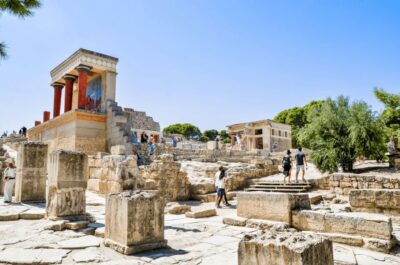
Knossos Palace Entry Ticket with Optional Audio Guide
Read our review →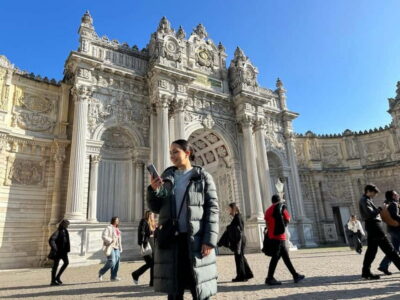
Dolmabahce Palace and Harem Fast-Track & Audio
Read our review →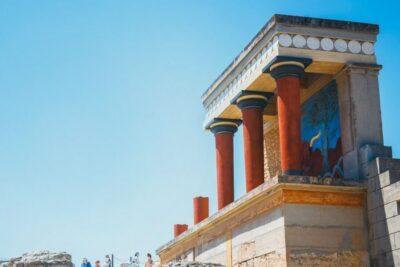
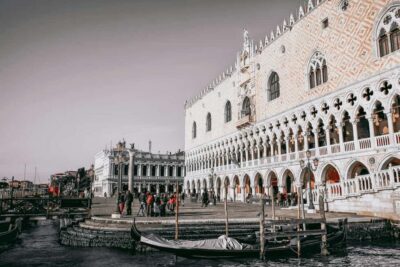
Doge’s Palace, Bridge of Sighs, Prisons, Correr & Audio Guide
Read our review →
Dolmabahce Palace & Harem Skip-the-Line Entry & Audio Guide
Read our review →This visit also appears in