
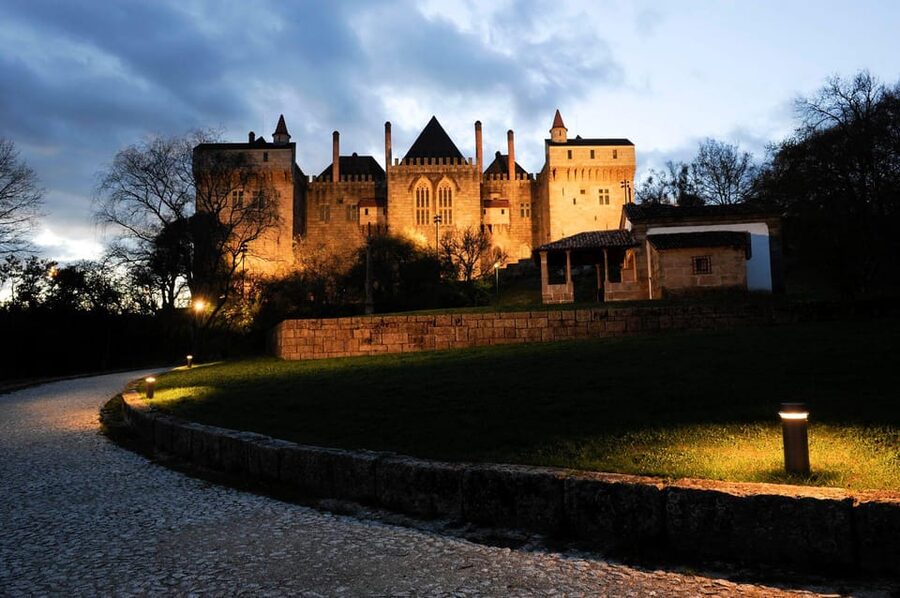
Review · PORTUGAL
Guimarães: Palace of the Dukes of Bragança Entry Ticket
Guimarães’ Palace of the Dukes of Bragança is a fine place to see how Portugal’s nobility lived, without paying a royal price. For about $5, you can walk through a 15th-century palace, view its 17th- and 18th-century collections, and finish in the gardens.
I like the way the permanent exhibition is arranged as a real house, with rooms that suggest their original purpose rather than a jumble of unrelated objects. I also like the central location, which makes the palace an easy first stop before exploring Guimarães on foot. The main drawback is that renovation work is under way, and the attraction is not suitable for wheelchair users.
Key points to know
- A 15th-century palace with a royal connection: D. Afonso, the first Duke of Bragança, began the building, and the site is linked to the House of Bragança.
- A low-cost cultural stop: The $5 ticket includes entry, museum collections, and the booking fee.
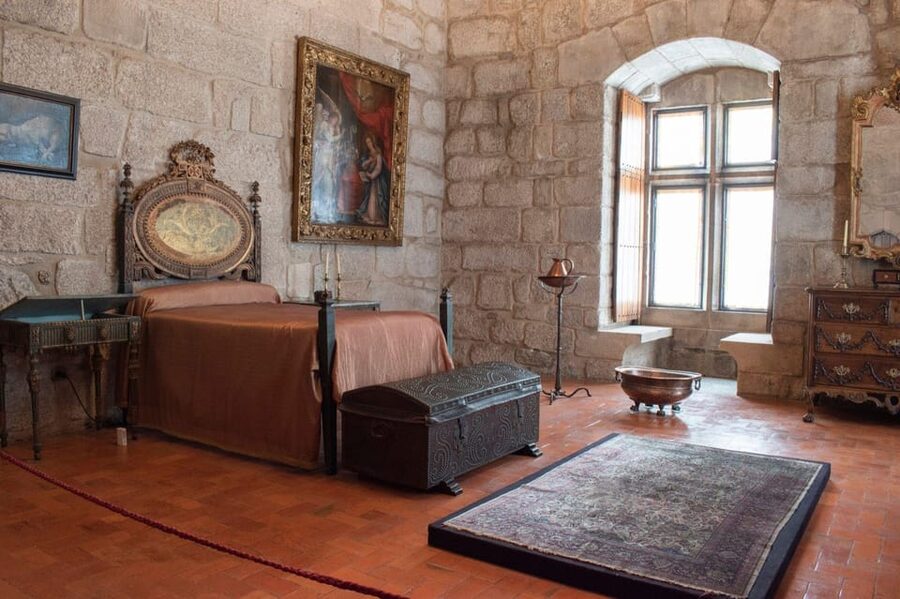
- Rooms arranged like a noble home: You move through halls and chambers furnished with paintings, porcelain, furniture, sculptures, weapons, and decorative wall hangings.
- A self-guided visit: No guide or food is included, so you set your own pace and read the displays as you go.
- A useful final stop outdoors: The palace gardens give you a quiet place to pause after the indoor rooms.
- Plan around the renovation: Some areas may be affected, and the current discounted price reflects the work.
Why the Palace of the Dukes belongs on your Guimarães route
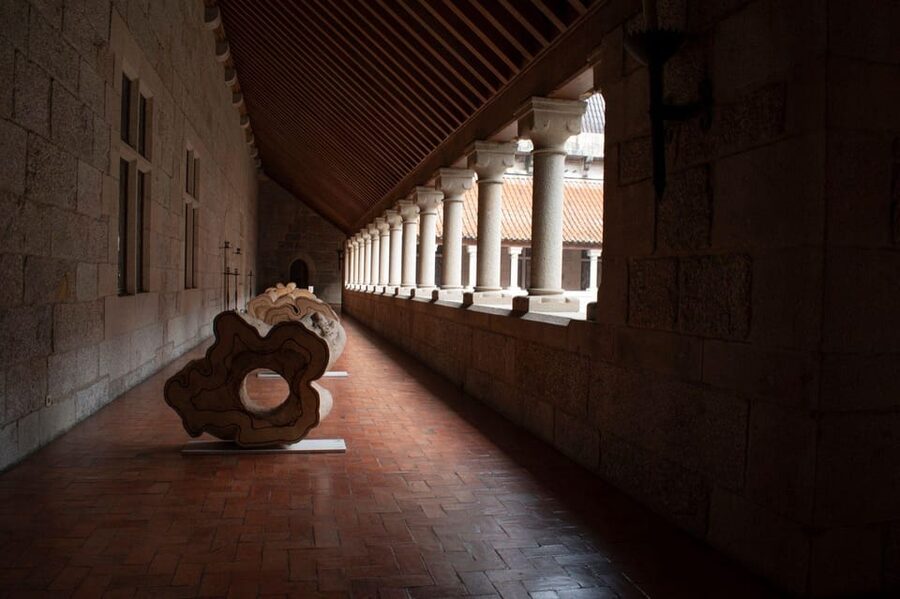
Guimarães is closely tied to the early story of Portugal, and the Palace of the Dukes of Bragança gives that story a physical setting. Instead of meeting the past only through dates and labels, you walk through the large rooms where a noble household would have displayed its wealth and status.
The palace was built in the 15th century by D. Afonso, the first Duke of the House of Bragança. The building is also described as an impressive example of 17th-century seigneurial architecture, so you will encounter several layers of development and use rather than one perfectly preserved moment in time.
I find that useful because grand buildings can otherwise feel like empty shells. Here, the objects help explain the rooms. A piece of furniture tells you how a chamber functioned. A weapon points to military power. Porcelain and paintings show the taste and reach of the household.
The palace also has a present-day role. One wing serves as the official residence of the Presidency of the Republic. That gives the site an unusual link between Portugal’s noble past and its modern state, although your ticket is focused on the museum areas open to the public.
More Palace Entry Tickets in Portugal:
- Sintra: Pena Palace and Park Entrance Ticket
★ 4.2 · 17,410 reviews - Mafra: National Palace of Mafra Entry Ticket
★ 4.5 · 190 reviews - Sintra: Pena Palace and Park Entry Ticket with Tuk Tuk Ride
★ 3.5 · 43 reviews
A $5 ticket with unusually good value
At around $5 per person, this is one of the easier cultural purchases to justify in Guimarães. The price includes entrance to the palace, access to the museum collections, and the booking fee. Food, drinks, and a guided tour are not included.
The value comes from the range of the visit. You are not paying to see one grand room and leave. You get a series of interiors, collections from the 17th and 18th centuries, and access to the palace gardens. If you take time with the displays, the ticket gives you a solid cultural hour or more, though the exact length depends on your pace and which areas are open during renovation.
The low price is also practical for families or anyone building a full day in Guimarães. You can visit the palace without giving up a large share of your sightseeing budget. The main qualification is that the attraction is currently discounted because of renovation work. That makes the price attractive, but it also means you should not expect every part of the building to be presented without limitations.
This is a better buy for someone who enjoys looking closely at rooms and objects than for someone who wants a fast photo stop. The palace rewards attention. If you rush through every chamber, you will miss why the furnishings are placed as they are.
Entering the palace and meeting the House of Bragança
The opening section sets up the palace’s connection with the House of Bragança. D. Afonso, the first duke, commissioned the building in the 15th century, and the family’s name later became tied to a major chapter of Portuguese royal life.
You will not need a guided lecture to understand the basic importance of the site, but a little preparation helps. Keep in mind that this is both a residence and a museum. The building matters, yet the collections are what make the rooms readable.
Look for the contrast between grand architectural spaces and everyday signs of household use. The palace was meant to display rank, but it was also a place where people ate, slept, worked, received callers, stored possessions, and managed family life. The exhibition arrangement encourages you to think about that practical side.
I like this approach more than a simple line of paintings on white walls. You can connect the objects to a room and a purpose. The result is a visit that feels closer to walking through a furnished historic home than entering a conventional gallery.
The grand halls show power before you see the details
The large halls are likely to make the strongest first impression. These spaces communicate scale and ceremony. Noble architecture often works by making you feel small, and the Palace of the Dukes uses that same visual language.
As you move through the building, pay attention to the relationship between structure and decoration. High ceilings, broad rooms, substantial furniture, and large wall hangings all work together to show wealth. You might find that the objects make more sense when viewed from a distance first, then examined up close.
The wall hangings are among the most important decorative pieces in the collection. They were not simply ornaments. Large textiles could keep a room warmer, soften hard surfaces, and display scenes or designs that spoke to the household’s status.
The palace also contains sculptures and paintings. These pieces add faces, religious subjects, decorative detail, and visual interest to rooms that could otherwise seem severe. I would not try to identify every object. Pick a few pieces in each room and ask what they tell you about the people who used the space.
More palaces to tour around Portugal:
- Lisbon: Pena Palace, Sintra, Cabo da Roca, & Cascais Daytrip
★ 4.7 · 9,981 reviews - Small Group Tour to Sintra, Pena Palace, Cabo Roca and Cascais
★ 5.0 · 3,559 reviews - Lisbon: Sintra, Pena Palace, Cabo da Roca, & Cascais Tour
★ 4.9 · 3,509 reviews - Lisbon: Sintra Cascais & Pena Palace Small Group Tour
★ 4.8 · 3,218 reviews
Porcelain, furniture, weapons, and paintings make the rooms feel lived in
The collections cover much more than royal portraits. Porcelain gives you a glimpse of formal dining and display. Furniture helps define how a room was used. Weapons point to the military identity of noble families, while paintings add both decoration and social meaning.
This variety is one of the palace’s strengths. A single type of object can become repetitive, especially in a smaller museum. Here, the different collections break up the visit and give you several ways to connect with the past.
I especially like the furniture because it anchors the rooms. A painting can be admired anywhere, but a table, chair, bed, or cabinet belongs to a particular kind of interior. The placement of these objects helps you imagine the palace as a working household rather than a storage place for antiques.
The weaponry gives the visit a different tone. It reminds you that noble identity was not only about comfort and ceremony. Power also involved defense, military service, and public authority. You might find these displays especially useful if you are visiting with children who need a break from rooms of porcelain and paintings.
Photography is allowed, but flash photography is not. That rule protects the collections and keeps the rooms calmer. Bring your camera, but switch off the flash before you enter.
A self-guided visit lets you set the pace
There is no guided tour included, so you explore independently. For many people, that is a plus. You can linger over a room that interests you, move quickly through a less compelling display, or pause for photographs without keeping up with a group.
The trade-off is that you must create your own context. The palace has a clear story, but a guide would add more detail about the family, architecture, and objects. If you enjoy reading labels and making your own connections, the self-guided format works well. If you prefer a strong narrative, allow extra time to read the information provided in the exhibition.
I recommend entering with three simple questions:
- What was this room used for?
- Which object has the strongest practical purpose?
- Which object exists mainly to show wealth or status?
Those questions keep the visit active. They also help you avoid treating the palace as a series of beautiful but disconnected rooms.
Because the ticket is valid for one day, you have flexibility within the attraction’s opening schedule. The stated hours are 10:00 a.m. to 6:00 p.m., with last admission at 5:30 p.m. A late arrival leaves little room for a relaxed visit, so I would not plan to enter close to closing time.
The gardens provide a natural pause
After the interiors, the palace gardens offer a change of pace. The outdoor area gives you room to rest, collect your thoughts, and take in the setting without another display case in front of you.
The gardens are not presented as a separate major attraction, so I would treat them as a pleasant part of the palace visit rather than the main reason to buy a ticket. They are particularly useful if you have spent a full stretch of time indoors or are visiting with someone who prefers short cultural stops.
You can also use this final pause to decide what to see next in Guimarães. The palace is in the city center, so it works well as a starting point or as one stop in a larger walking day. Its location means you do not need a separate transport plan just to reach the building.
Timing your visit around renovation and closures
Renovation is the key practical issue. The palace is currently being repaired, and the attraction is offered at a discounted price. The work may affect which spaces you can see or how polished the visit feels.
I would book this experience if your main goal is to see the palace and its collections at a low price, and if you can accept some limitations. I would hesitate only if you have come specifically to see every room or need a fully accessible route.
The palace closes on January 1, Easter Sunday, May 1, June 24, and December 25. June 24 is a city holiday in Guimarães, so that closure is easy to overlook when planning a summer visit.
The attraction is not suitable for wheelchair users. If accessibility is important for your group, confirm the current conditions before paying, especially while renovation work continues. The supplied information does not give a detailed description of steps, lifts, or alternate routes, so you should not assume that every area is accessible.
Who will get the most from this ticket
I would recommend the palace to anyone interested in Portuguese history, historic houses, decorative arts, or the daily world of noble families. It is also a good choice for first-time visitors to Guimarães because the central location helps you start your day with a clear sense of the city’s past.
Families may like the mix of objects. Weapons and large halls offer visual variety, while porcelain, furniture, and paintings give adults more to study. The visit is also short enough to fit beside other city sights without taking over the whole day.
Art lovers will find plenty to examine, though this is not a specialist gallery. The collection has broad appeal: paintings, sculptures, porcelain, furniture, weapons, and wall hangings share the rooms. If you want one narrow artistic theme, you may prefer a museum devoted to a single collection.
The palace is less suited to anyone seeking a guided, story-heavy tour. Since no guide is included, you control the experience and supply some of the interpretation yourself. That keeps the price down, but it also means the visit may feel less personal than a guided tour.
What I would plan before buying
I would check the date and opening hours first, especially if your visit falls near a public holiday. Then I would allow enough time to move slowly through the rooms instead of treating the palace as a quick photo stop.
Wear comfortable shoes, since the visit involves moving through multiple rooms and possibly using historic parts of the building. That advice is practical rather than glamorous, but old palaces are rarely designed around modern comfort.
I would also keep the palace near the beginning of a Guimarães walking day. Its central position makes it easy to continue exploring afterward, and the gardens provide a natural point to pause before heading on.
The ticket is non-refundable, so make your plans with care. Since renovation may alter the experience, avoid buying it if your schedule is so tight that a partial closure would ruin your day.
Should you book the Palace of the Dukes?
Yes, if you want an inexpensive and self-paced look at Portuguese noble life. The $5 price, central location, varied collections, and palace gardens make this an easy addition to a Guimarães itinerary.
Book with realistic expectations. You are not buying a guided tour, food, or a guaranteed view of every area. Renovation is in progress, wheelchair access is not suitable, and the palace is closed on several important dates.
For most visitors interested in history and historic interiors, the value is strong. I would choose it as a low-cost cultural stop, especially before exploring more of Guimarães on foot.
FAQ
How much does entry to the Palace of the Dukes of Bragança cost?
The ticket costs $5 per person. The price includes admission, access to the museum collections, and the booking fee.
How long is the ticket valid?
The ticket is valid for one day. The attraction is open from 10:00 a.m. to 6:00 p.m., with last admission at 5:30 p.m.
Is a guided tour included?
No. The ticket provides entry to the palace and museum collections, but a guided tour is not included.
What can I see inside the palace?
You can see grand halls and furnished rooms, along with collections of wall hangings, porcelain, paintings, furniture, sculptures, and weapons.
Is photography allowed?
Yes. Photography is allowed without flash. Flash photography is not permitted.
Is the palace wheelchair accessible?
The attraction is listed as not suitable for wheelchair users. Renovation work may also affect the available route through the building.
When is the palace closed?
The palace is closed on January 1, Easter Sunday, May 1, June 24, and December 25.
Fresh palace tours around Portugal
- Lisbon: Visit Pena Palace, Regaleira, Cabo da Roca & Cascais★ 5.0 · 15 reviews
- From Lisbon: Sintra Pena Palace Cascais 8-People Group Tour★ 4.9 · 93 reviews
- Sintra: Private Tour with Guided Pena Palace Experience★ 4.9 · 99 reviews
- Sintra:1 hour tuk tuk experience to Pena Palace(3 monuments)★ 5.0 · 10 reviews
- Sintra:Pena Palace,Moorish Castle & Q-Regaleira Private Tour★ 5.0 · 10 reviews
- Sintra: Vintage Jeep tour, Pena Palace and coastline 8 hours★ 5.0 · 3 reviews
- Sintra: Pena Palace and Park Entry Ticket with Tuk Tuk Ride★ 3.5 · 43 reviews
- Sintra: Vintage electric Tuk Tuk tour, Pena Palace 4/5 hours★ 5.0 · 7 reviews
Palace Entry Tickets: the shortlist.



Buckingham Palace: The State Rooms Entrance Ticket
Read our review →

Prague Castle and Lobkowicz Palace Entry Tickets
Read our review →This visit also appears in