

Review · SPAIN
Aranjuez: Royal Palace Guided Tour
Aranjuez Royal Palace saves its best surprises for the rooms behind the grand public halls. You move from royal bedrooms and the Queen’s office to the dazzling Porcelain Room, then into a Moorish-style chamber with bronze, crystal, and neo-Nasrid detail. It is a compact way to see how Spain’s royal household lived, not just where it posed for portraits.
I like the 75-minute guided route, which gives you a clear story without eating half your day. I also like the chance to enter rooms such as the Music Room, Queen’s Guard Room, and private chambers. The main drawback is simple: the tour is in Spanish, and the €7 palace admission is not included in the advertised tour price.
Key points
- The Porcelain Room is lined with white porcelain and Rococo decoration from wall to wall.
- The Moorish Room brings bronze, crystal, and neo-Nasrid design into a royal palace.
- Private royal rooms include the Queen’s office and bedroom, offering a closer look at daily court life.
- The route lasts 75 minutes, a useful length for fitting Aranjuez into a day trip.
- Spanish is the only listed tour language, so basic Spanish or translation help will make the visit easier.
- Admission costs extra, with a basic price of €7 and reduced or free rates for qualifying visitors.
Why Aranjuez Palace Is Worth Your Time
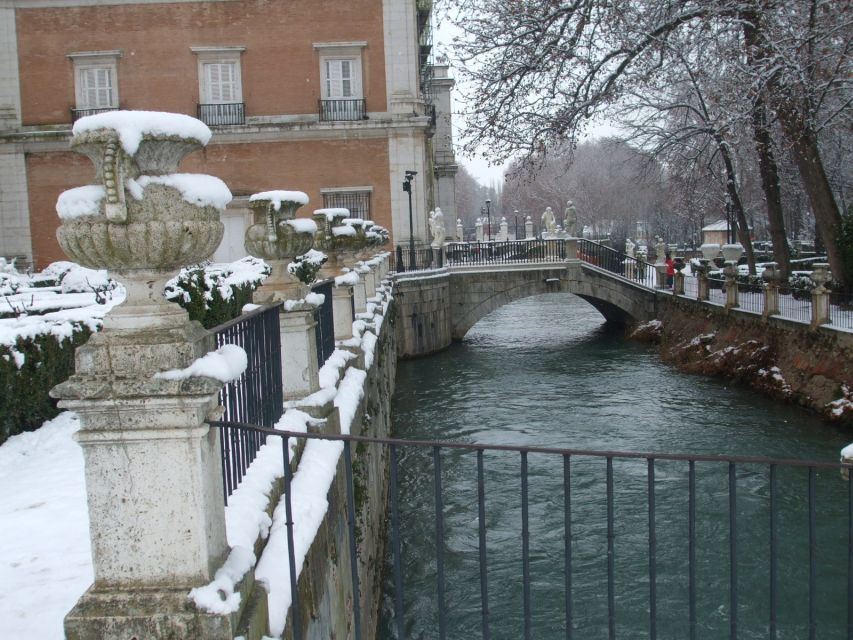
Aranjuez lies in the Community of Madrid and is best known for its royal palace and formal setting. The palace dates to the 16th century, though the rooms you see reflect changing royal tastes, later decoration, and the habits of the court.
A guide gives the building a human scale. Instead of seeing one ornate room after another, you learn what each space was used for and how royal routines shaped the palace. The tour also touches on local myths, mysteries, political events, and court intrigues. That mix keeps the visit from becoming a dry list of dates.
The palace is especially useful for anyone curious about the difference between public ceremony and private life. A Throne Room tells you how royalty received audiences. A bedroom or office shows where decisions, correspondence, and everyday routines took place. Those contrasts make the building easier to understand.
I would not book this tour only for a quick photo stop. The most interesting details are architectural and historical, and they come through best when you can follow a Spanish explanation. If you do not understand Spanish, you can still admire the rooms, but you will miss much of the context that gives them meaning.
More Royal Palace Tours around Spain:
- Madrid: Royal Palace Fast-Access Admission Ticket
★ 4.6 · 13,856 reviews - Madrid: Royal Palace Expert Guided Tour with Skip-the-Line
★ 4.7 · 8,407 reviews - Madrid Essential: Historic Center, Plaza Mayor & Royal Palace
★ 5.0 · 6,416 reviews
Meeting Near Cafe de Damas
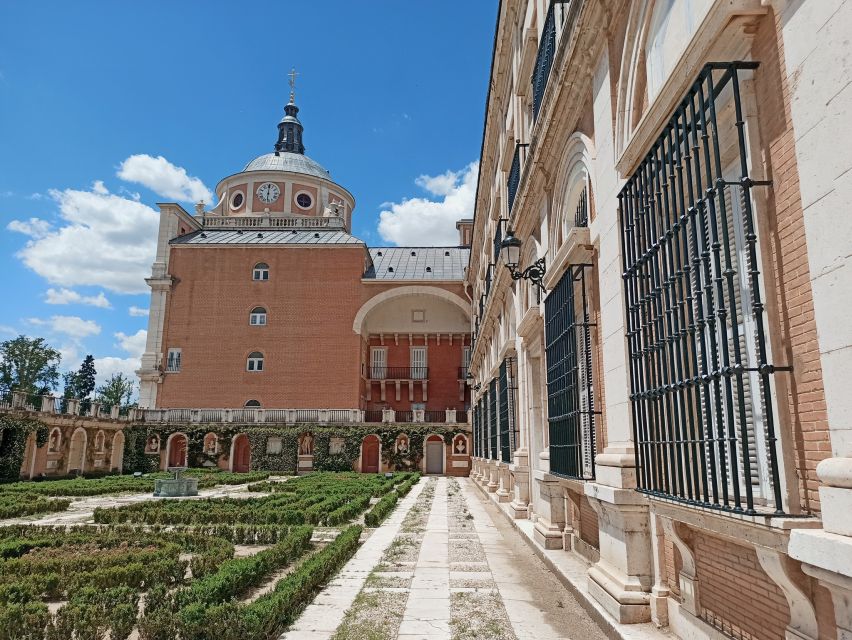
The meeting point is outside Cafe de Damas, on the corner of the square where Avenida de Palacio begins. This is a practical place to meet because it puts you close to the palace while keeping the starting point easy to identify.
Arrive with comfortable shoes and clothes. The tour lasts only 75 minutes, but you will be walking through several palace areas and standing while the guide explains them. Comfortable footwear matters more than dressing up for this visit.
Your guide is inside the Royal Palace rather than simply leading you around the exterior. Several departures have been led by Gloria, whose explanations are described as detailed, professional, and lightened with humor. That combination is useful in a formal building where room names and royal titles can otherwise blur together.
The listed language is Spanish. This is not a bilingual tour. If you follow Spanish well, you should get the full value of the storytelling. If you do not, consider using a translation app or reading a little about Aranjuez before you arrive so the rooms still have a clear framework.
The 16th-Century Royal Palace Route
Once inside, the tour moves through a large set of ceremonial and private spaces. The exact order may vary, but the route includes the Queen’s Guard Room, Music Room, Throne Room, Queen’s office, Queen’s bedroom, Porcelain Room, Moorish Room, Reception Hall, and Royal Chapel.
That range is the tour’s main strength. You are not limited to a single grand hall. You see rooms designed for protection, music, audiences, personal work, sleep, display, formal reception, and worship.
The palace also offers a lesson in how power is staged. Royal architecture was meant to impress. A room could communicate wealth through its materials, authority through its scale, and taste through its decoration. The guide helps connect those visual choices to court life.
Since the tour is timed at 75 minutes, expect a brisk but focused visit. You will not have unlimited time in each room. Listen carefully as the guide explains the key details, and save photography for natural pauses rather than trying to document every wall.
From the Guard Room to the Music Room
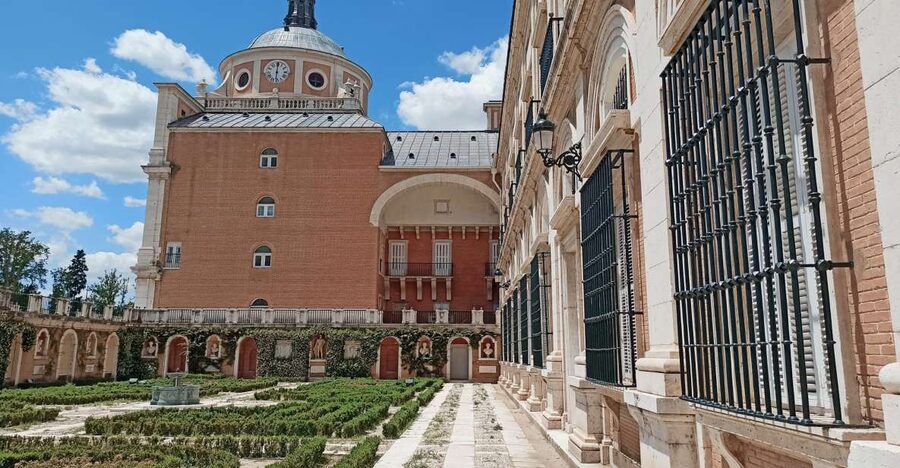
The Queen’s Guard Room introduces the protective side of palace life. Royal residences were not just homes. They were working centers filled with staff, officials, guards, and formal rules.
The Music Room shifts the mood. This space points to the role of performance and entertainment at court. Music was part of royal life, and the room helps you picture the palace as a place of ceremony and culture rather than a silent museum.
I like this opening section because it gives you a useful contrast. The Guard Room is tied to security and access. The Music Room suggests leisure and refinement. Together, they show that court life moved between strict protocol and carefully planned pleasure.
Your guide may also connect these rooms to local stories and palace traditions. The activity specifically includes mysteries and local mythologies associated with the lavish corridors. Do not expect a ghost tour, but you can expect more than a basic architectural walkthrough.
More palaces to tour around Spain:
- Granada: Alhambra & Nasrid Palaces Tour with Tickets
★ 4.7 · 19,801 reviews - Granada: Alhambra and Nasrid Palaces Entry Ticket
★ 4.6 · 15,130 reviews - Granada: Alhambra & Gardens Tour w/Nasrid Palaces Option
★ 4.2 · 7,022 reviews - Fast-Track Alhambra & Nasrid Palaces Guided Tour
★ 4.6 · 5,014 reviews
The Throne Room and Royal Audiences
The Throne Room is where the palace’s public face comes into focus. This is the setting for formal audiences, where royals received people according to rank and ceremony.
Look at the room as a stage. The arrangement, decoration, and sense of order all helped reinforce authority. A royal audience was not a casual meeting. Every detail, from where someone stood to how the room was approached, carried meaning.
The guide’s explanation matters most here. Without context, the Throne Room can look like another grand interior. With context, you begin to see how architecture directed behavior. The room separated the monarch from ordinary life and made access feel rare.
This stop is a good fit for visitors interested in political history, royal ceremony, or the way buildings shape human behavior. It may feel less exciting to children or anyone who prefers interactive attractions, since the experience depends on looking closely and listening.
The Queen’s Office and Bedroom
The Queen’s office and bedroom bring you closer to the personal side of palace life. These rooms are valuable because they reduce the distance between the visitor and the royal household. You begin to think about work, rest, correspondence, and routine rather than only crowns and ceremonies.
The Queen’s office can help you imagine the practical business behind royal status. A palace required constant administration, and private rooms were part of that system. The bedroom, meanwhile, shows how comfort and display could exist together in a royal residence.
The tour presents these rooms as places with customary uses. That distinction matters. A bedroom was not simply a decorated room to look at. An office was not merely a beautiful setting. Each room had a purpose tied to the royal household and its strict customs.
You will want to keep your camera ready, but do not let photography distract you from the guide. The most useful information here concerns how nobles lived and how their private spaces differed from the public rooms you see earlier in the route.
The Porcelain Room’s White Rococo Decoration
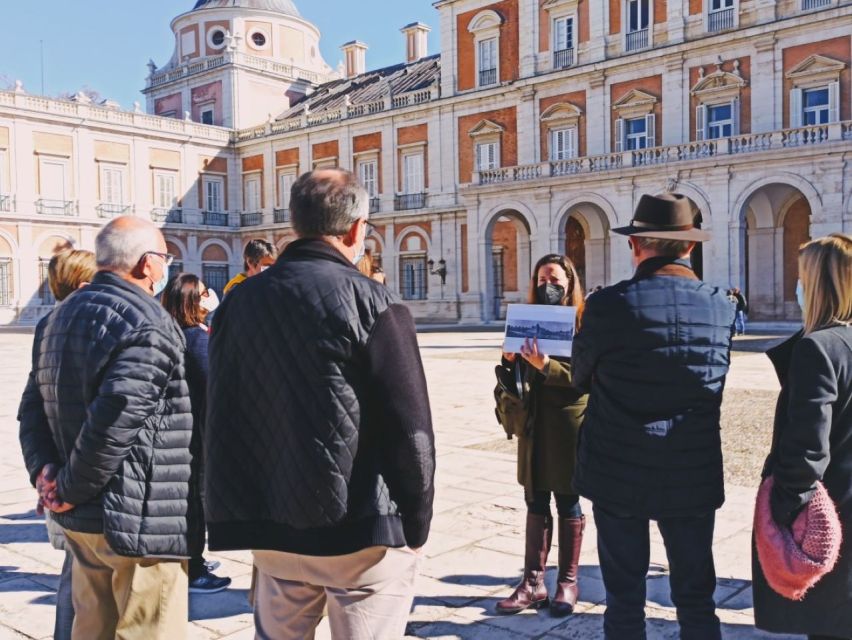
The Porcelain Room is likely to be the visual high point of the visit. Its walls are completely lined with white porcelain, combined with Rococo decoration. The effect is very different from the heavier, more formal look of a throne or reception room.
White porcelain can make a room feel delicate, bright, and almost unreal. Here, it also shows the court’s appetite for costly materials and elaborate design. The room was not decorated for simplicity. It was built to display taste, labor, and wealth.
Take time to look at the surfaces rather than only the overall impression. Notice how the porcelain changes the character of the room and how the decoration works across walls and fittings. The guide’s explanation can help you understand what you are seeing instead of reducing it to a pretty backdrop.
This room is also a good reason to bring a camera. Photography is listed among the recommended items, though you should follow any palace rules about where and how you may take pictures. The white decoration can be difficult to capture well, so your own eyes may serve you better than your phone.
The Moorish Room and Neo-Nasrid Detail
The Moorish Room offers the sharpest change in style. It features neo-Nasrid decoration, along with a bronze and crystal chandelier. The room draws on Moorish design language while belonging to a later royal interior.
That contrast is worth noting. The palace does not present one pure architectural style from beginning to end. It shows how royal buildings changed as different periods brought new tastes, historical references, and ideas about luxury.
The chandelier gives the room a strong focal point, while the neo-Nasrid details create a more patterned and decorative mood. Compared with the Throne Room, this space feels less focused on formal audience and more on visual effect.
For me, this is one of the tour’s most useful stops because it prevents a simplistic view of Spanish royal architecture. You see how later designers looked back to earlier traditions and reworked them for a royal setting.
Reception Hall and Royal Chapel
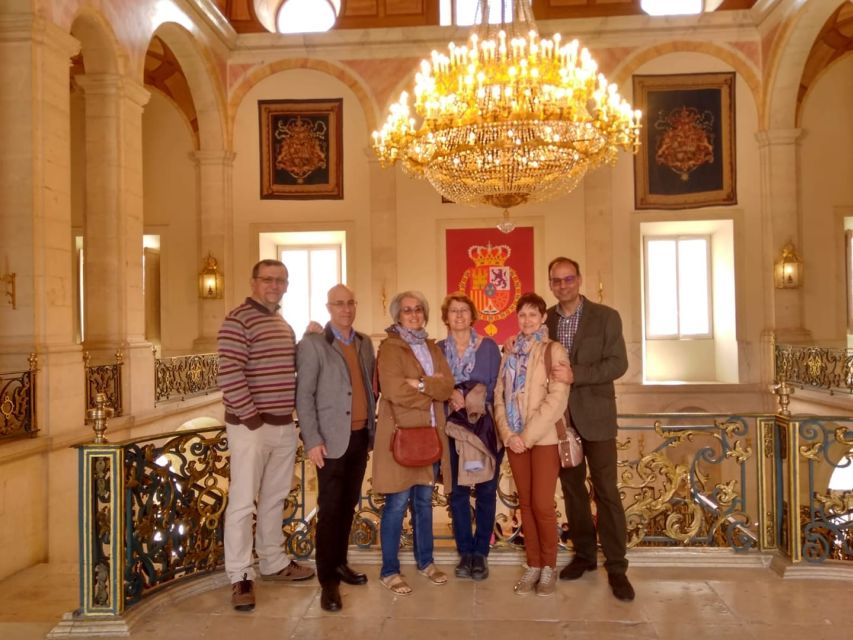
The grand Reception Hall returns you to ceremony on a larger scale. This is where the palace’s formal character comes together: space, decoration, movement, and rank all matter.
A reception hall tells you how the royal household welcomed important people and managed public display. It also helps you understand the scale of the palace as a working institution. These rooms were built for groups, processions, and events, not just for quiet appreciation.
The Royal Chapel provides a different kind of formality. It connects royal life to religious practice and gives the tour a fitting final stop. The chapel is not simply another decorated interior. It reflects the place of faith within the royal household and the ceremonial role of worship.
Ending with the chapel and Reception Hall gives the tour a broad arc. You begin with rooms tied to daily palace operation, pass through ceremony and private life, then finish with two spaces linked to major public and spiritual functions.
What the €14 Price Really Covers
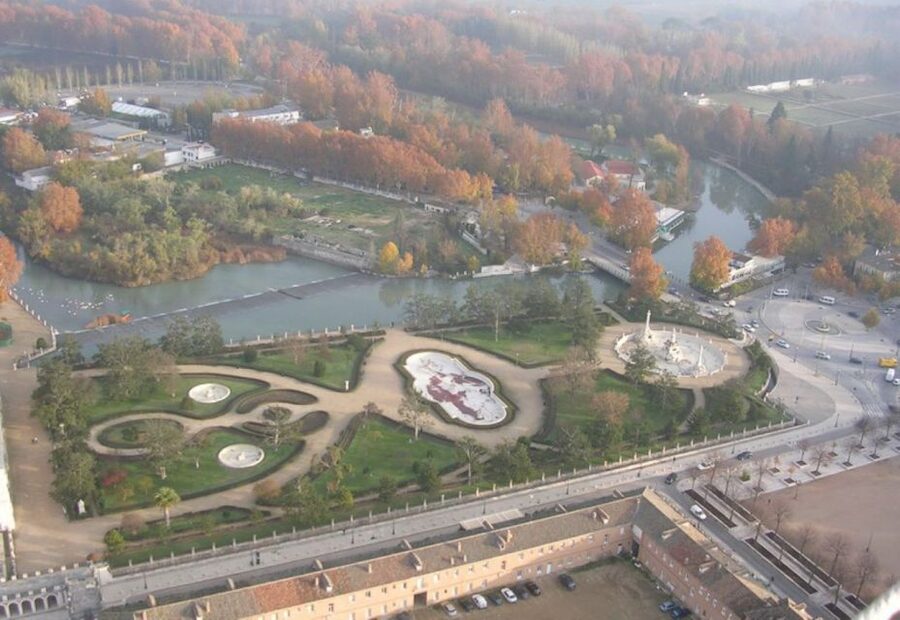
The advertised price is $14 per person, but the palace entrance fee is separate. The listed basic admission is €7 per person. Reduced admission is €4 for people aged over 65 or students under 25, and the provided information lists free admission for teachers, unemployed people, large families, and disabled visitors who can show the required proof.
That makes the real cost higher than the headline tour price for most adults. Still, the combined price can be reasonable if you want a structured visit through rooms that are difficult to understand from labels alone.
The guide is the main value here. You are paying for a focused route, explanations of room functions, and a connection between architecture and royal events. If you are comfortable reading palace information on your own, you might prefer independent entry. If you want the private rooms and their uses explained in Spanish, the guided option makes more sense.
Check your eligibility for reduced or free admission before arrival. Bring the documentation needed to prove it. The tour price and palace ticket are separate, so plan for both parts at the entrance.
Timing, Comfort, and Access
A 75-minute duration works well for a visit to Aranjuez. It is long enough to cover the main rooms but short enough to combine with other plans in the area. You should still allow extra time around the tour for meeting your guide, buying or validating admission, and taking pictures after the explanations.
The activity is not suitable for wheelchair users. This is an important limitation, especially because palace interiors can include access challenges that are not solved by simply arriving at the entrance. If accessibility is essential for your visit, confirm current arrangements before booking.
Wear comfortable shoes and bring a camera if you want one. The palace is an interior visit, so practical clothing matters more than formal dress.
Cancellation is flexible: you can cancel up to 24 hours before the tour for a full refund. You can also reserve now and pay later, which helps if your Madrid plans are not yet fixed.
Who Will Enjoy This Palace Tour Most
I would recommend this tour to you if you enjoy architecture, royal history, decorative arts, and guided storytelling. It is especially useful if you want to see both ceremonial rooms and private spaces in one compact visit.
Spanish speakers will get the clearest value because the listed live guide language is Spanish. The humorous, detailed style associated with guides such as Gloria can make the history easier to follow, but the explanations will not be translated into English or French according to the available details.
Families with older children may find the room changes and unusual decoration engaging, especially the Porcelain Room and Moorish Room. Very young children may have less patience for a 75-minute explanation-led visit.
This is also a good choice for a day trip from Madrid if you want a clear introduction rather than a long, unstructured palace visit. The route gives you a strong sense of royal life without requiring an entire day indoors.
Should You Book the Aranjuez Royal Palace Tour?
Book it if you want to understand how the palace worked, not just photograph its grandest rooms. The combination of royal bedrooms, the Throne Room, Porcelain Room, Moorish Room, Reception Hall, and Royal Chapel gives you a broad view of court life in a short period.
Think twice if you need an English or French tour, use a wheelchair, or want admission included in the first price you see. For everyone else, the tour offers solid value once you add the palace ticket, especially if a Spanish-speaking guide can bring the rooms to life.
The best reason to go is the variety. You move from guard duty to music, ceremony to private life, porcelain to neo-Nasrid decoration, and royal reception to chapel. That is a lot of palace in 75 minutes, with enough detail to make the visit feel purposeful rather than rushed.
FAQ
Where does the tour meet?
Meet outside Cafe de Damas, on the corner of the square where Avenida de Palacio begins.
How long does the guided tour last?
The guided tour lasts 75 minutes.
Is palace admission included in the tour price?
No. The tour guide is included, but palace tickets are not included.
How much is the basic palace admission?
The listed basic admission price is €7 per person.
Is reduced admission available?
Yes. The listed reduced price is €4 for people over 65 and students under 25.
Who can enter free of charge?
The provided information lists free admission for teachers, unemployed people, large families, and disabled visitors who can show the required proof.
What language is the tour in?
The live guided tour is in Spanish.
Is the tour suitable for wheelchair users?
No. The activity is listed as not suitable for wheelchair users.
What should I bring?
Bring comfortable shoes, comfortable clothes, and a camera if you want to take pictures.
Can I cancel the booking?
Yes. You can cancel up to 24 hours in advance for a full refund. You can also reserve now and pay later.
Fresh palace tours around Spain
- Alhambra Palace & Generalife Gardens daytrip from Roquetas, Aguadulce & Almeria★ 4.0 · 32 reviews
- Private shore excursion to the Alhambra Palace from Almeria★ 5.0 · 3 reviews
- Madrid: Royal Palace Guided Tour with Entry Ticket★ 5.0 · 58 reviews
- Toledo al Completo con Patio-Casa Palacio ⭐⭐⭐⭐⭐★ 4.9 · 33 reviews
- Jerez de la Frontera: Sherry Gallery and San Dionisio Palace★ 5.0 · 4 reviews
- The Royal Palace of Madrid: Small Group Guided Tour★ 3.2 · 6 reviews
- The March Palace Entry Ticket★ 4.4 · 11 reviews
- The Most Complete Tour of Madrid: Austrias, Cathedral, Palace – Local Guides★ 4.2 · 41 reviews
Royal Palace Tours: the shortlist.
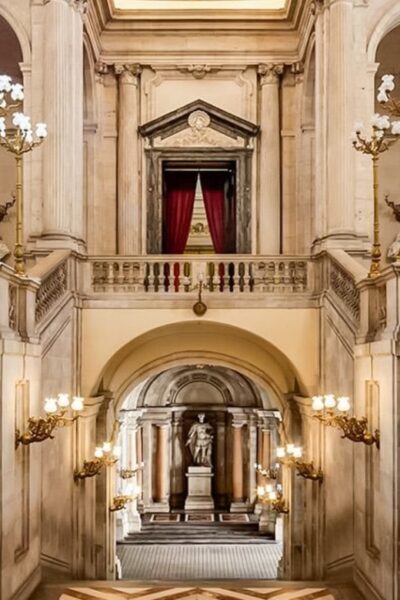
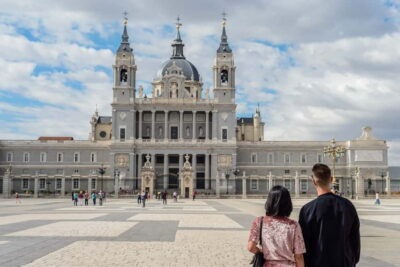
Royal Palace Expert Guided Tour with Skip-the-Line
Read our review →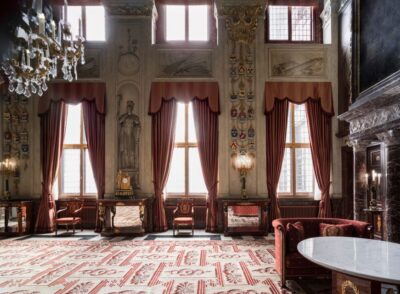
Dubai To Abu Dhabi: Grand Mosque, Royal Palace & Etihad Towers
Read our review →
Madrid Essential: Historic Center, Plaza Mayor & Royal Palace
Read our review →
Abu Dhabi Day-Trip Grand Mosque, Royal Palace & Lunch
Read our review →
Louvre Entry & Etihad Tower/Royal Palace Options
Read our review →This visit also appears in