
Review · UBUD
Bali: Ubud Palace Legong Dance Show Ticket
At Ubud Palace, Legong Kraton turns an old royal art into an easy evening stop in central Bali. Young dancers work through quick, exact movements, tiny hand gestures, and expressive eyes while a gamelan orchestra fills the courtyard with metallic, repeating rhythms. I like the setting and the price: you get a distinctly Balinese performance for about $6, without committing to a long guided tour.
I also like that the show gives you a glimpse of court tradition rather than a polished stage production made only for tourists. The main drawback is simple: seating is limited, and arriving 30 minutes before showtime may leave you standing, sitting on the floor, or viewing the dancers from a poor angle.
Key points at a glance
- Arrive 45 to 75 minutes early: The small performance area fills quickly, especially for popular evening shows.
- Expect a 90-minute program: The music and dance are beautiful, but the length can feel long if you prefer short performances.
- Watch the hands and eyes: Legong’s appeal lies in its precise gestures, sharp changes of movement, and intense facial expression.
- Look for the handout: A printed story guide helps you follow the royal tale and identify the characters.
- Plan for basic seating: Some seats have obstructed views, and late arrivals may need to stand.
- Budget-friendly cultural stop: At about $6 per person, this is one of Ubud’s easier cultural activities to fit into an evening.
Why Legong Kraton is worth your evening
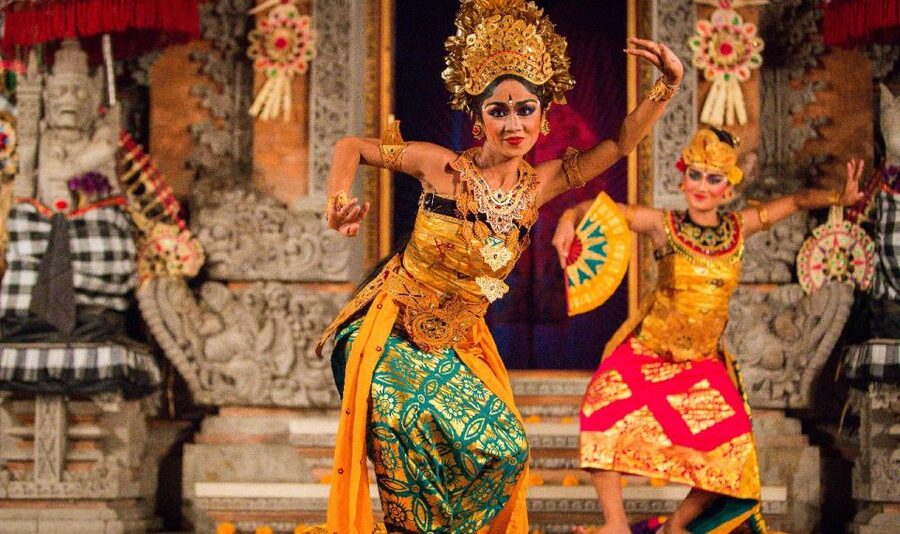
Legong Kraton began as a court dance in Bali’s royal palaces during the 19th century. It was designed to show refinement, discipline, and control, not simply athletic skill. The dancers do not rely on large jumps or sweeping stage effects. Instead, the drama comes from a tilted head, a sudden eye movement, a bent wrist, or a rapid change in direction.
I find that this close attention to detail is what makes the performance special. From a distance, the choreography can look delicate and decorative. Watch more closely and you will notice how demanding it is. The dancers must hold precise poses, move in tight coordination, and shift from softness to sharp energy without losing the style of the dance.
The performance combines dance, music, costume, and story. The exact program can include several characters and sections, and a Ramayana-related story may be part of the evening’s presentation. A handout is usually provided, and I recommend reading it before the action gets going. Without that bit of context, you can still enjoy the movement, but it may be hard to understand who is involved or why the mood changes.
More shows and performances around Indonesia:
- Legong Dance Show at Ubud Palace Bali
★ 4.0 · 45 reviews - Benidorm: Show at Benidorm Palace
★ 4.7 · 848 reviews - Granada: 1-Hour Traditional Flamenco Show at Palacio
★ 4.7 · 256 reviews
Entering Ubud Palace for the evening show
The meeting point is the ticket counter at Ubud Palace. You do not get hotel transportation, so you need to make your own way to central Ubud and go directly to the venue.
The setting is part of the appeal. The performance takes place in a palace complex with ornate Balinese architecture, although the actual dance stage may be across the road from the palace area rather than inside the palace rooms themselves. That distinction matters if you arrive expecting a performance in a grand indoor hall. Think of it as a traditional palace setting with an outdoor stage and basic event seating.
Online ticket holders may use a separate entrance or collection point on the other side of the complex. The process is generally straightforward, but the ticket exchange can be confusing if you do not first check where you are meant to collect or show your booking. Give yourself extra time rather than arriving at the exact start.
The atmosphere builds well before the music begins. The courtyard and seating area can become crowded, with drinks and snacks sometimes sold inside. You may also see mats placed near the front. In some cases, sitting in that area requires buying a drink from the local vendors. Bring cash for those small purchases, and keep your phone, camera, and other items secure in the crowded entrance area.
Why arriving an hour early matters
The advice to arrive early is not a minor suggestion. It is the most useful piece of planning for this show.
A 45-minute head start may be enough on a quieter night, but 60 to 75 minutes gives you a better chance at a comfortable, forward-facing seat. Some evenings are already close to full 30 minutes before the performance begins. The seating area is small, and tickets may also be sold locally on the day, so the room can fill beyond what you might expect from an online booking.
The best seats are generally near the front and close to the center, but side seats can also work well. One useful tip is to avoid a sharply angled position if possible. The action is mostly presented toward the front, so a far-side seat may give you a restricted view of the dancers.
Late arrival creates three problems:
- You may need to stand for the full 90 minutes.
- A seat may be available but partly blocked by people in front.
- Filming becomes difficult because phones and heads can appear in your line of sight.
If you care about photography or video, arrive even earlier. The performance is visually detailed, and a clear view helps you notice the costumes and hand movements. Still, be considerate with your phone. Continuous filming can distract people nearby and may block the view behind you.
Watching the dancers: small movements, fierce control
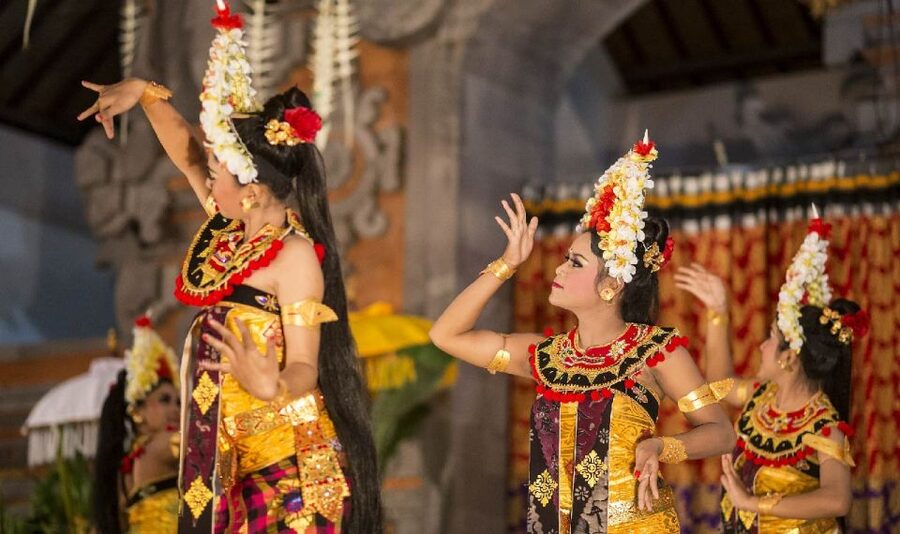
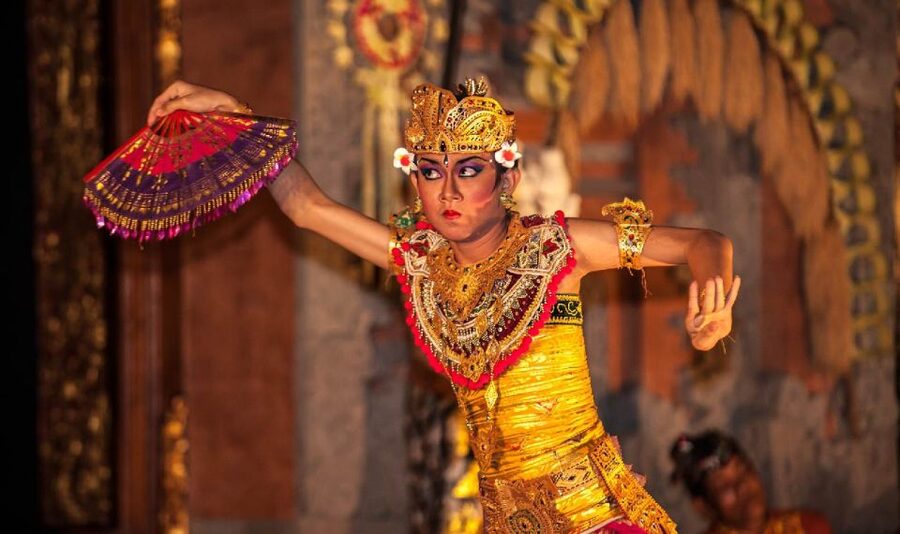
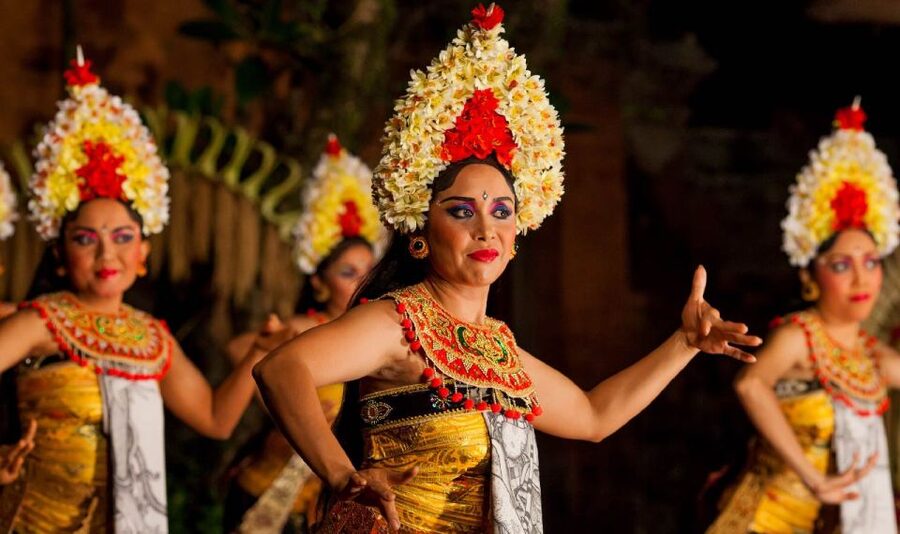
The young female dancers wear elaborate gold costumes and ornate headdresses. These outfits are not just decoration. Their rigid shapes and bright surfaces make every controlled movement visible, from a turn of the head to a carefully angled hand.
The dancers’ eyes are especially important. Their facial expressions can shift quickly, giving the characters a sense of purpose even when you do not understand the language or story. You may see a performer move from a calm, almost statuesque pose into a rapid sequence of steps and gestures. That contrast is central to Legong’s appeal.
The coordination is exact. Several dancers may mirror one another, then separate into different patterns. The choreography can look effortless, but the precision comes from years of training. I would pay attention to the hands, shoulders, feet, and eyes together. Looking only at the costumes misses much of the craft.
The show is not a modern musical with spoken explanations or large scenery changes. Its storytelling is carried by movement, music, expression, and symbolic gestures. If you prefer a clear spoken plot, you may need patience. If you enjoy visual storytelling, the lack of dialogue becomes part of the experience.
More palaces to tour around Indonesia:
- East Bali Tour: Gate of Heaven, Water Palace, Sleeping Gajah
★ 5.0 · 1,726 reviews - Bali: Lempuyang Quick Access, Waterfall, Water Palace & More
★ 4.7 · 1,072 reviews - East Bali: Lempuyang Gates, Tenganan, & Water Palaces Tour
★ 4.8 · 175 reviews - Bali: Ujung Water Palace, Candidasa and Sidemen Village Tour
★ 4.8 · 80 reviews
The gamelan sound and the old royal story
The gamelan orchestra provides the pulse of the performance. Its bright, metallic sound can seem unfamiliar at first, with repeating patterns that rise and fall beneath the dancers. Some people love the distinctive music immediately. Others may find the sound intense or repetitive over a full 90 minutes.
I suggest listening for the relationship between the musicians and dancers. The orchestra is not background music in the usual sense. Its changes help shape the pace of the action, from quiet, controlled passages to faster and more forceful sections.
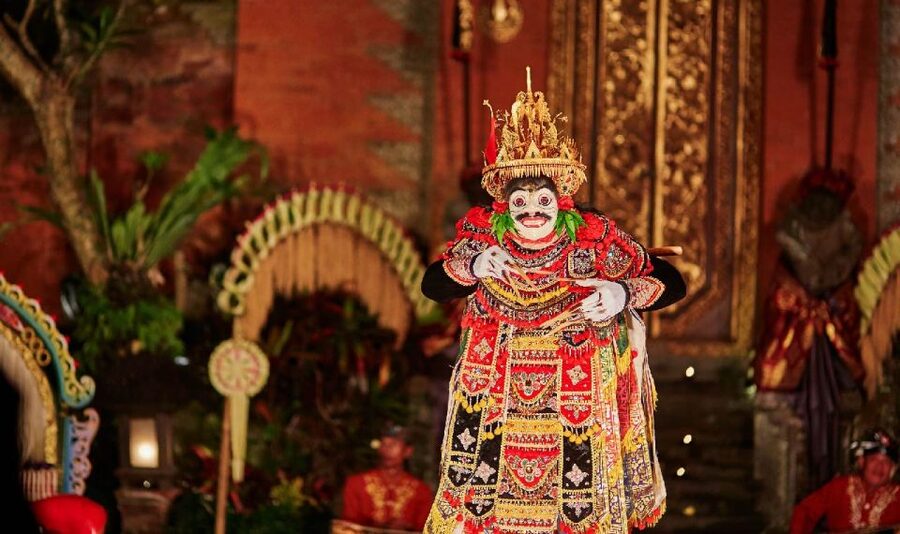
The story centers on a royal world of love, conflict, and destiny. Depending on the evening’s presentation, you may encounter characters and scenes linked to a Ramayana story. The printed pamphlet can make a major difference. Read it before or during the opening section, and you will have a better idea of who is entering, what the conflict means, and why the dancers’ expressions change.
Even with the story guide, do not expect every plot point to be explained in a way familiar to Western theater audiences. The performance is more symbolic than literal. You are watching a traditional art form in which posture, gesture, costume, and music carry meaning.
Seating, comfort, and the outdoor setting
The seating is functional rather than luxurious. It can be basic, crowded, and uneven in quality. Some places offer a direct view, while others are off to the side or behind taller people. If you arrive late, you may have to stand or sit on a mat.
The outdoor setting adds atmosphere but also creates practical issues. On a warm evening, the lack of air movement can make the space hot. A small hand fan is a sensible item to bring. The weather can be pleasant, but the open-air arrangement means conditions are less controlled than in a theater.
There may be drinks and snacks for sale, but you should not assume that all facilities are close at hand. One useful warning is that toilet access may not be convenient during the performance. Use facilities before taking your seat, especially if you plan to arrive early and wait.
The lighting and electrical setup may also be basic. Occasional lighting problems have occurred, though the musicians and dancers can continue performing. I would treat this as a traditional local production rather than a highly engineered theater show. That is part of its charm, but it also explains the rough edges.
How the $6 price affects the value
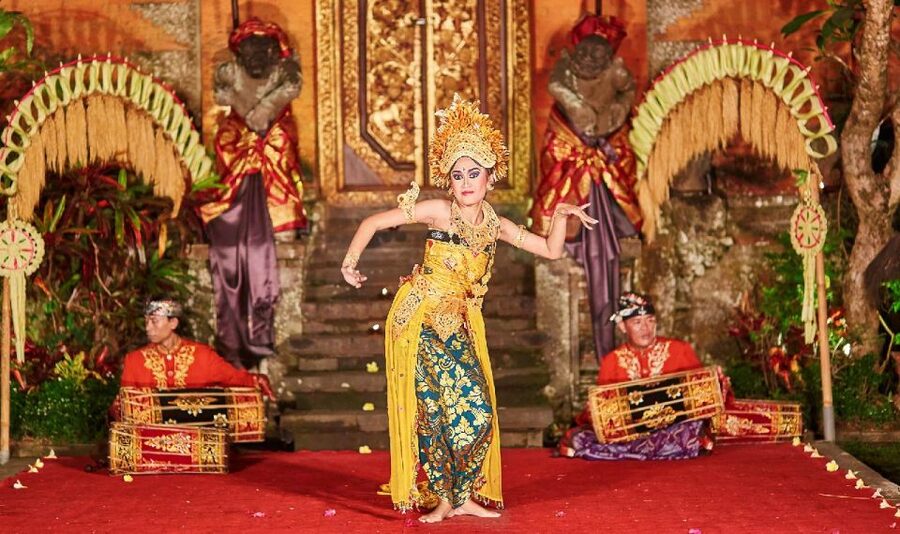
At about $6 per person, this is excellent value if you want a cultural performance without spending much of your evening budget. The ticket covers the show itself, not transportation, food, drinks, or a guide. You need to reach Ubud Palace on your own and handle any small purchases separately.
The low price does not mean the performance is throwaway entertainment. The dancers display real discipline, the costumes are detailed, and the music provides a genuine connection to Balinese performance traditions. You are paying for a seat at a local cultural presentation, not a private demonstration or luxury theater experience.
The tradeoff is infrastructure. You may wait a long time for a good seat, sit close to strangers, deal with heat, or find that the viewing angle is less than ideal. For me, that is acceptable at this price, especially if I plan the evening around it rather than treating it as a perfectly managed theater booking.
Children pay the same rate as adults. That makes the total cost less of a bargain for a family, but the show can still work well for older children who can sit quietly and follow a visual performance. Younger children may struggle with the 90-minute length and the slow sections between faster dances.
Planning dinner and the rest of your night
A 7 PM performance may finish around 9:15 PM, depending on the evening’s schedule and how the program runs. Plan dinner before the show or after it, rather than assuming you can eat immediately at the start time.
The central location makes the performance easy to pair with an evening in Ubud. You can explore nearby streets earlier, arrive at the palace well before the start, and look for food afterward. The show itself is a good after-dinner option if you prefer not to rush through a meal beforehand.
Keep in mind that the published duration is 90 minutes, while practical timing includes arrival, ticket collection, waiting, seating, and departure. If you want a front seat, the activity may occupy much of your evening even though the dance itself is not especially long.
Who will enjoy this most
I would recommend this performance to you if you want:
- A first look at Balinese dance and music
- An inexpensive evening activity in Ubud
- Detailed costumes and expressive movement
- A traditional performance in a historic setting
- A cultural experience that does not require a full-day tour
It suits adults, couples, families with patient older children, and anyone interested in theater without spoken dialogue. It is also a good choice if you have already seen a larger fire or temple performance elsewhere in Bali and want something more focused on classical dance.
You may want to choose another activity if you need cushioned seating, strong air conditioning, a short show, or a clearly explained plot. The music may not suit every taste, and the basic setup can test your patience if you arrive late or dislike crowds.
Practical tips for a better evening
- Arrive 60 minutes early if seating matters to you. Consider 75 minutes during busy periods.
- Go to the ticketing counter at Ubud Palace and check the correct entrance for your booking.
- Bring cash for drinks or snacks and a camera if you want photos.
- Bring a small hand fan for warm, still evenings.
- Read the printed story guide before the main action begins.
- Sit as close to the center as possible, but remember that side seats can sometimes offer a clearer view than a crowded center row.
- Use the toilet before the show because facilities may not be convenient during the performance.
- Keep phone filming brief and low so you do not block the view behind you.
- Do not bring weapons or sharp objects.
- Remember that the ticket is valid only on the selected date and for 90 minutes.
Should you book the Ubud Palace Legong show?
Book it if you want a low-cost, visually striking introduction to Bali’s classical performance traditions and you are willing to accept basic seating. The dancers, costumes, and gamelan music are the strongest reasons to go, while the palace setting gives the evening a sense of place that a standard theater could not match.
I would not book it expecting a quiet, perfectly managed venue. You need to arrive early, tolerate possible heat and crowding, and use the story handout to get more from the performance. But at $6, the balance is favorable. Plan ahead, choose your seat carefully, and this becomes one of Ubud’s easiest worthwhile cultural nights.
FAQ
Where does the Legong Dance Show take place?
You should go directly to the ticketing counter at Ubud Palace in Ubud, Bali. The performance stage may be across the road from the palace area rather than inside the palace rooms.
How long does the show last?
The ticket is valid for a 90-minute performance. A 7 PM show may finish around 9:15 PM, so allow extra time for arrival, seating, and departure.
How much does the ticket cost?
The listed price is $6 per person. Children are charged the same rate as adults.
Do I need to arrive early?
Yes. Arriving 45 to 75 minutes early gives you the best chance of finding a good seat. The area can fill quickly, and late arrivals may need to stand or accept a restricted view.
Is hotel transportation included?
No. Hotel pick-up and drop-off are not included. You must make your own way to the ticketing counter at Ubud Palace.
What should I bring?
Bring a camera and cash. Cash can be useful for drinks or snacks sold at the venue. A small hand fan may also help on warm evenings.
Can I cancel the booking?
No. The activity is non-refundable. The ticket is valid for all passport holders, but only on the selected date.
Fresh palace tours around Indonesia
- Sultan Palace, Water Castle & Prambanan Temple Guided Tour★ 4.6 · 4 reviews
- Sultan Palace, Prambanan Temple and Water Castle Guide Tour★ 5.0 · 2 reviews
- Yogyakarta: Prambanan Temple Morning Tour and Palace Tour★ 5.0 · 4 reviews
- Jakarta : Taman Safari, Panda Palace, and Waterfall★ 4.7 · 11 reviews
- Javanese Dance Workshop with Kraton Palace Dancer★ 5.0 · 2 reviews
- Bali:Heaven Gate, TirtaGangga Palace, and Beach Escape Tour★ 5.0 · 3 reviews
- Bali: Trip to Tirta Gangga Palace and Tukad Cepung Waterfall★ 3.9 · 7 reviews
- Bali: Ujung Water Palace, Candidasa and Sidemen Village Tour★ 4.8 · 80 reviews
Indonesia Palace Tours: the shortlist.
East Bali: Lempuyang Gates, Tenganan, & Water Palaces Tour
Read our review →
Bali: Ujung Water Palace, Candidasa and Sidemen Village Tour
Read our review →
Yogyakarta: Yogyakarta Palace & Water Castle Guided Tour
Read our review →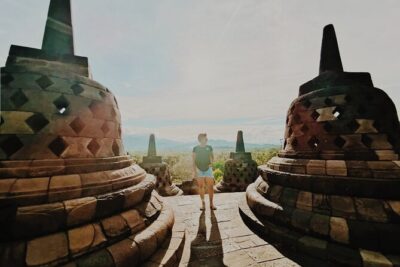
Borobudur Climb To The Top, Prambanan Temple, Yogyakarta Palace
Read our review →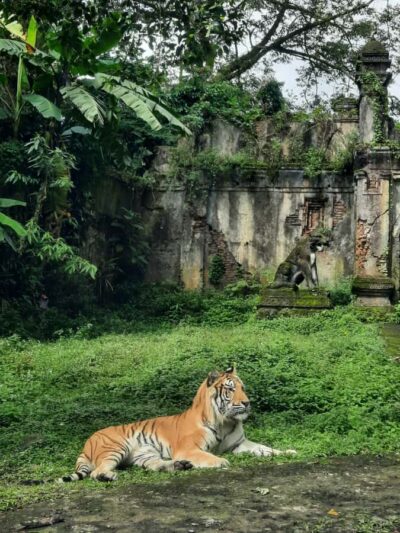
Jakarta : Taman Safari, Panda Palace, and Waterfall
Read our review →
Taman sari water castle, sultan palace & local food tasting
Read our review →
Bali: Trip to Tirta Gangga Palace and Tukad Cepung Waterfall
Read our review →
Bali: Safari Zoo and Ubud Palace and Market Day Tour
Read our review →This visit also appears in