
Review · BERLIN
Berlin: Classical concerts in Köpenick Palace – Aurora Hall
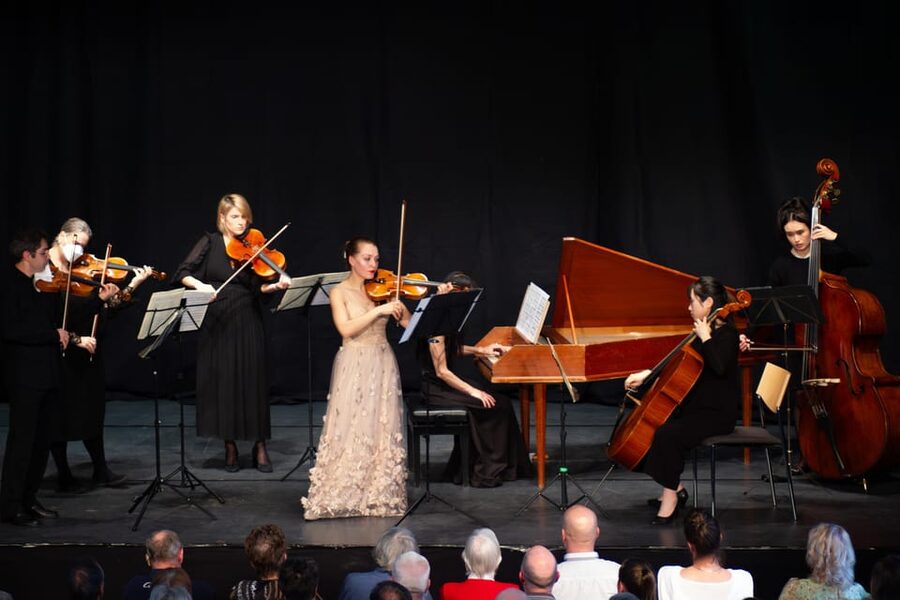
Köpenick Palace gives classical music a handsome setting: the Aurora Hall, where a 90-minute concert pairs historic surroundings with programs by Mozart, Bach, Schubert, and other composers. The series also brings opera singers, pianists, violinists, a guitarist, and the Mozart Ensemble Berlin to the stage.
I like two things right away. You can choose a program that fits your taste, from romantic duets to four-hand piano, and the ticket includes free museum admission. The main caution is comfort: one concert had excessive heat because the hall had no cooling, and a separate booking problem was reported when a paid event did not take place.
Key points to know
- Aurora Hall setting: Hear classical music inside historic Köpenick Palace rather than in a standard concert venue.
- Several musical styles: Choose Mozart, Bach, Schubert, opera, violin sonatas, piano, or Iberian music.
- Named performers: Artists include Inês Pinto, Maria-Magdalena Pitu-Jokisch, Marianne Boettcher, and the Mozart Ensemble Berlin.
- Museum admission included: Add time before or after the concert to see the palace museum at no extra charge.
- Ninety-minute format: The concert length works well for an evening cultural outing without taking over your whole day.
- Practical caution: Audio recording is not allowed, and hall temperature may affect comfort.
Music in Köpenick Palace’s Aurora Hall
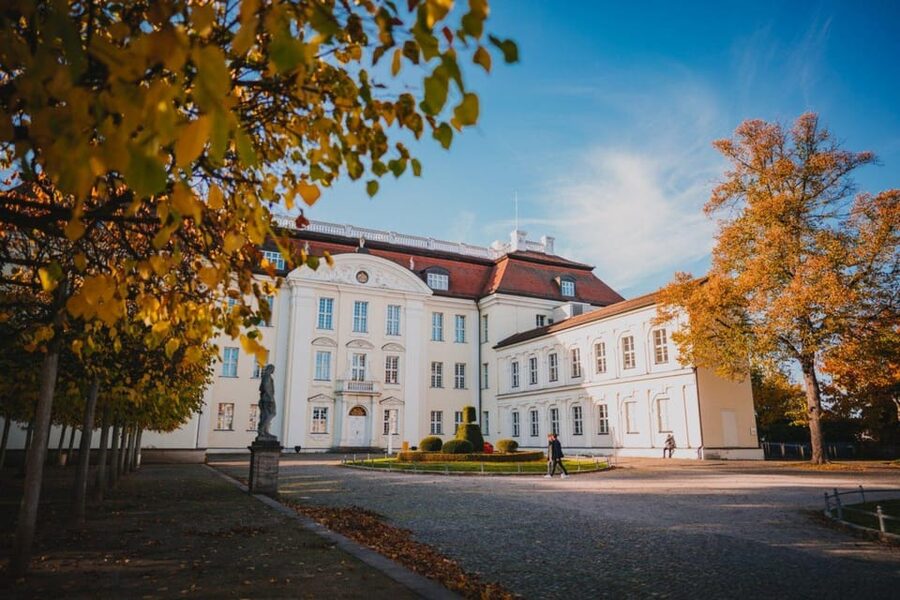
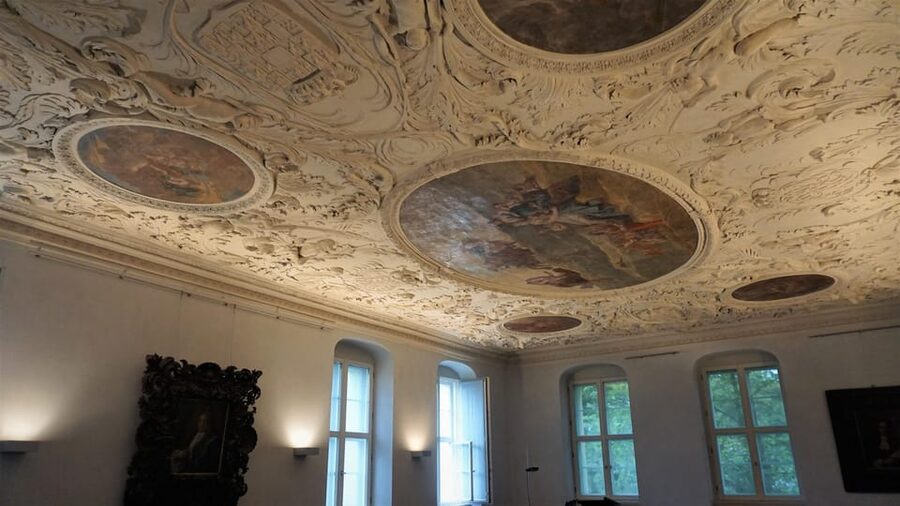
The appeal here is simple: you are not only buying a concert ticket. You are entering a historic palace hall for a focused classical program, then using the same admission to visit the museum.
That setting changes the feel of the evening. A Mozart piano recital, for example, has a natural connection to a palace environment. So does a program built around Frederick the Great’s music. You get a cultural outing with two parts, though the concert remains the main reason to book.
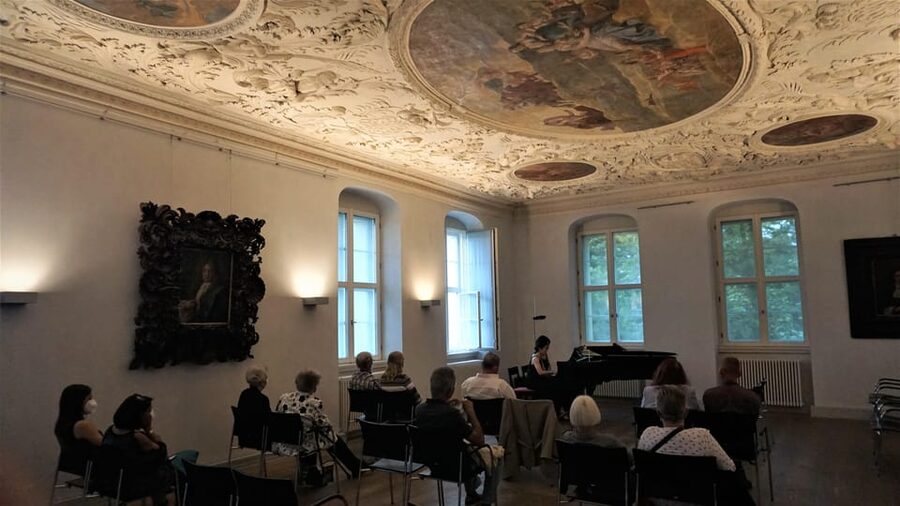
The Aurora Hall is also a practical choice for visitors who want something more intimate than a large concert house. The supplied information does not specify seating layout, audience size, or sightlines, so I would not promise a chamber-scale experience. Still, the 90-minute length suggests a concentrated program rather than a long formal evening.
Some content is presented in its original language. That matters most for the vocal programs. You should expect songs, arias, and duets to retain their musical and linguistic character rather than being adapted for English-speaking audiences.
More concerts in palace halls around Germany:
- Munich: Classical Concert at the Residenz Palace
★ 4.6 · 299 reviews - Festive Concert at Schleißheim with Residence-Soloists
★ 4.7 · 25 reviews - Salzburg: Mozart Concert at Mirabell Palace
★ 4.8 · 3,498 reviews
Picking the right program in 2026
This series is not one repeated concert. Each date has its own subject, performers, and musical personality. Check the date carefully before booking, because the difference between a solo piano evening and an opera program is substantial.
February 15: Pure Romance, Romantic Duets
Soprano Inês Pinto and alto Kristina Naudé perform romantic duets, with Beatrice Wehner-Schaller at the piano.
This is the clearest choice if you want the human voice at the center of the evening. Two singers allow for contrast, dialogue, and shared musical lines. The title points toward emotional, lyrical repertoire rather than a historical survey or instrumental recital.
March 8: Mozart Piano Works, Complete Performance, Program 2
Maria-Magdalena Pitu-Jokisch performs the second program in a complete presentation of Mozart’s piano works.
A complete series rewards repeat visits, but this particular event may feel less self-contained if you want a broad introduction in one sitting. The program number tells you that the music is part of a larger project. For a Mozart enthusiast, that is a strong reason to attend. For a casual listener, it is worth checking exactly what works appear on this date before you commit.
More palaces to tour around Germany:
- Neuschwanstein & Linderhof Castle-Fairytale Day Tour from Munich
★ 4.5 · 7,275 reviews - Potsdam: Palace Tour by Boat
★ 4.5 · 2,369 reviews - Potsdam: Sanssouci Palace and Prussian Palaces Entry Ticket
★ 4.5 · 2,101 reviews - Berlin: Charlottenburg Palace Entry Ticket
★ 4.4 · 2,076 reviews
March 22: Mozart Songs, Arias, and Duets
Mezzo-soprano Yuri Mizobuchi and baritone Stephen Barchi perform with Graham Cox on piano.
This date offers more variety than a single-voice recital. Songs, arias, and duets can move between intimate art music and theatrical Mozart selections. The two voice types also give the program a wider vocal range, while piano accompaniment keeps the performance rooted in a compact concert format.
March 29: The Seven Last Words of the Savior on the Cross
The Mozart Ensemble Berlin performs this sacred work.
This should suit you if you prefer serious, reflective music over a light evening of familiar tunes. The title signals a religious subject and a weightier mood. Since the information does not name the exact composer in the program title, do not assume this is a Mozart work simply because it appears near other Mozart concerts or is performed by the Mozart Ensemble Berlin.
April 3: The Music Book of Frederick the Great
Susanne Ehrhardt plays recorders and Yuko Tomeda performs on harpsichord.
This is one of the series’ more distinctive choices. The combination of recorders and harpsichord points toward an earlier sound world, and the connection with Frederick the Great fits the palace setting especially well. If you want music tied closely to royal court culture, this is likely the most natural match.
April 4: Mozart Piano Works, Complete Performance, Program 3
Naoko Fukumoto performs the third program in the Mozart piano series.
Like the March 8 concert, this is best for a listener who wants a sustained look at Mozart’s piano writing. It also gives you a chance to hear a different pianist within the same overall project. Check the program details if you are considering more than one date, since the supplied information identifies the series number but not the individual works.
April 5: Piano Magic for Four Hands
Naoko Fukumoto and Maria-Magdalena Pitu-Jokisch share the piano.
Four-hand piano is an easy format to recommend to first-time classical concertgoers. Two performers work at one instrument, creating a fuller texture and a visual sense of collaboration. It also makes a good choice if you want piano music without committing to a full Mozart cycle.
April 6: Classical Violin Sonatas
Annegret Pieske plays violin with Victoria Litsoukova on piano.
This is a traditional violin and piano pairing, with the two instruments sharing the musical conversation. It should appeal to listeners who enjoy melody and instrumental interplay. The title does not identify composers or individual sonatas, so you will need to confirm the detailed program if a particular composer matters to you.
May 1: Schubert Potpourri
Stephen Barchi sings, accompanied by Maria-Magdalena Pitu-Jokisch on piano.
The word potpourri suggests a selection of Schubert pieces rather than one continuous work. That can make this a friendly entry point if you want several musical moods in one evening. Barchi also appears in the March 22 Mozart program, but here the focus shifts to Schubert and the voice remains central.
May 10: Bach Violin Sonatas 2
Marianne Boettcher plays violin with Yuko Tomeda on harpsichord.
This is a strong pick for listeners who want Baroque music in a historically fitting instrumental combination. The second program label indicates another continuing series, so you may want to check which sonatas are included before booking. The violin and harpsichord pairing should offer a more precise, finely balanced sound than the fuller forces used in orchestral music.
May 17: Piano Music to Dream To
Maria-Magdalena Pitu-Jokisch performs a solo piano program.
The title sets a quieter expectation. This sounds like the date for a calm, reflective concert rather than a dramatic vocal or ensemble event. Since no composers are listed, the title is your main guide to the mood, not a precise description of the repertoire.
May 31: Iberian Sounds
Soprano Inês Pinto sings, accompanied by Márcio Silva on guitar.
This final listed program shifts away from the German and Austrian core of several earlier dates. Voice and guitar create a leaner sound, and the Iberian focus gives the series a welcome change of color. It is a good option if you want classical music with a clear regional theme and prefer an unusual pairing to a standard piano accompaniment.
What the museum admission adds
Museum admission is included with the concert ticket, which improves the value of the outing. You can make the palace more than a backdrop by setting aside time to see its museum as well.
The exact museum opening hours and recommended visit sequence are not provided, so check them before you arrive. If the museum is open before the concert, you can make the visit part of your pre-concert plan. If not, it may work better afterward, depending on the schedule.
I would not treat the museum admission as a reason to ignore the concert program. The ticket remains most worthwhile when the music suits you. Think of the museum as an included extra that gives your visit more substance.
Is $33 a fair price?
At $33 per person, the ticket sits in a reasonable range for a 90-minute classical concert in a palace setting, especially with museum admission included. Value depends heavily on the performer and program you choose.
For a named soloist, a vocal recital, or the Mozart Ensemble Berlin, the price may feel justified to someone already interested in classical music. The cost is also easier to accept if you plan to visit the museum and make a full cultural stop of it.
The value is less obvious if you select a date without checking the program and discover that the style is not for you. A listener hoping for opera may be disappointed by a solo piano recital. Someone seeking a quiet instrumental evening may not want a program built around songs and arias.
My advice is to choose by repertoire first and setting second. The palace adds atmosphere, but a beautiful room cannot rescue music that does not match your taste.
Comfort, rules, and access
The concert lasts 90 minutes, a manageable length for most cultural plans. You do not need to set aside an entire day, but you should allow extra time if you want to use the included museum admission.
The venue is wheelchair accessible. That is useful, though the available information does not explain accessible seating, entrances, or restroom arrangements. If you need a particular seating position or assistance, confirm the details before booking.
Audio recording is not allowed. Alcohol and drugs are also prohibited. Plan to listen without recording equipment and treat the event as a formal concert rather than a casual nightlife outing.
One practical concern is temperature. A concert on September 2, 2025 was described as musically excellent but uncomfortably hot because the hall had no refrigeration or cooling. This does not prove that every date will have the same problem, but it is worth keeping in mind for warm weather and dressing in layers when possible.
There was also a serious scheduling complaint about a paid event that did not take place, with no response received at the time of the complaint. Because of that, I would verify the event date and current status close to the concert, especially if you are arranging other plans around it. The stated cancellation policy allows a full refund when you cancel at least 24 hours in advance.
Who will enjoy this concert series?
I would recommend it most strongly to:
- Classical music listeners who want a different program on each visit.
- Visitors who enjoy historic rooms as part of the cultural experience.
- Opera fans choosing Pure Romance or Mozart Songs, Arias, and Duets.
- Piano enthusiasts interested in Mozart, four-hand playing, or a quiet solo recital.
- Listeners who want Baroque repertoire, especially Bach with violin and harpsichord.
- Berlin visitors looking for a 90-minute evening activity with museum admission included.
I would be more cautious if you need a guaranteed climate-controlled hall, a fully specified program before booking, or a concert in English. Some vocal content is performed in its original language, and several listings name only the broad theme rather than every work.
How to make the most of the evening
Start with the date, then read the musical focus. Do not book March 8 or April 4 simply because you like Mozart without confirming which part of the piano series you are choosing. Likewise, do not select May 17 expecting a named composer, since the listed information presents it mainly as a mood-based piano program.
Next, decide if the museum matters to you. If yes, check when you can visit and plan enough time around the 90-minute concert. The included admission is most useful when you actually use it.
Finally, allow for the hall conditions. Wear something comfortable, especially for warm weather, and avoid bringing recording equipment. The best experience here comes from accepting the concert on its own terms: one focused program, a historic palace room, and a chance to listen without distractions.
Should you book it?
Book this if you want a short, focused classical concert in a palace and you are willing to choose carefully among the dates. The strongest value comes from matching your interests to the program, then adding the included museum visit.
I would choose the four-hand piano concert for an accessible introduction, the vocal dates for opera lovers, Bach for Baroque fans, and the Frederick the Great program for the closest link between music and palace setting. If comfort or event certainty is a major concern, verify the date shortly before you go and keep the cancellation cutoff in mind.
FAQ
Where are the concerts held?
The concerts take place in the Aurora Hall at Köpenick Palace in Berlin.
How long is the concert?
Each concert lasts 90 minutes.
What does the $33 ticket include?
The ticket includes the classical concert and free museum admission.
Is the venue wheelchair accessible?
Yes, the activity is listed as wheelchair accessible.
Can I cancel for a full refund?
Yes. You can cancel up to 24 hours in advance for a full refund.
Do I have to pay when booking?
A reserve now and pay later option is available, so you can book without paying immediately.
Are all programs the same?
No. The dates feature different programs, including Mozart, Bach, Schubert, romantic duets, violin sonatas, four-hand piano, and Iberian music.
Are performances presented in English?
Some content is presented in its original language. The available information does not promise English-language performances.
Can I record the concert?
No. Audio recording is not allowed.
Fresh palace tours around Germany
- Bamberg – Excursion to Seehof Palace★ 5.0 · 3 reviews
- Segway Tour: Gerberbach, Schlosspark & Castle Weinheim★ 4.9 · 14 reviews
- Potsdam: Private Bus Tour with Park Walk to Sanssouci Palace★ 4.3 · 2 reviews
- Munich: Neuschwanstein Castle and Linderhof Palace Day Trip★ 4.8 · 5 reviews
- Munich: Residenz Palace and Hofgarten Skip-the-Line Tour★ 4.8 · 148 reviews
- Munich: Nymphenburg Palace with official Guide★ 5.0 · 12 reviews
- Munich: Nymphenburg Palace OR Residenz Guided Tour★ 4.4 · 31 reviews
- Munich Nymphenburg Palace & Carriage Museum Fast-Track Tour★ 4.9 · 57 reviews
Palace Concerts: the shortlist.
Prague Castle: Midday Classical Concert at Lobkowicz Palace
Read our review →
Opera Concert at Palazzo Poli – Fontana di Trevi
Read our review →
Exclusive Evening at Schönbrunn Palace: After-Hours Audiotour, Dinner, Concert
Read our review →
Schönbrunn Palace Evening Tour, Dinner and Concert
Read our review →
Mozart & Strauss Classical Concert at Börse Palace
Read our review →
This visit also appears in