
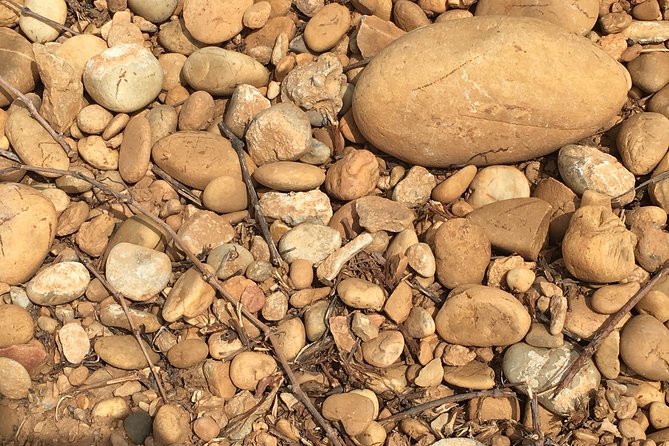
Review · FRANCE
In Depth Chateauneuf du Pape
Châteauneuf-du-Pape is best understood with a local guide who can connect the bottle to the soil, grapes, weather, and old winemaking customs. This small-group outing does that through family-owned wineries and tastings, with Beatrice explaining the region from its wider Rhône Valley setting down to one famous village. I love the personal scale, with no more than four people, and I like that the day can be adapted to your wine knowledge rather than delivered as a fixed lecture.
The tastings include all visits and alcoholic beverages, which makes the $222.28 price easier to judge. The main drawback is practical: the meeting point is in Châteauneuf-du-Pape, not central Avignon, and one person had trouble finding it and reaching the guide. Plan your arrival carefully, especially since lunch is not included.
Key points to know before booking
- Small-group format: The maximum group size is four, allowing a more personal pace and room for questions.
- Family-owned wineries: You visit smaller producers rather than limiting the day to a broad regional overview.
- Wine education with place and process: Beatrice covers Rhône Valley appellations, viticulture, winemaking, and the history of Châteauneuf-du-Pape.
- Several wine styles: Tastings include small-production bottles and different expressions of Châteauneuf-du-Pape.
- Lunch is separate: A suggested castle lunch costs about €28 to €35 per person.
- Start point matters: You meet at Parking Baron Le Roy, 3 Avenue Baron le Roy, in Châteauneuf-du-Pape, and return there afterward.
Why Châteauneuf-du-Pape deserves a full day
Châteauneuf-du-Pape is not simply a famous label to sample and move on from. It is the centerpiece of a major wine area in the Rhône Valley, and the experience is designed to explain how the wider appellations lead into this particular village and its wines.
That broader introduction matters. If you already know Rhône wines, you can use the day to compare styles and ask more technical questions. If you are new to the region, you get a framework for understanding why two bottles from nearby producers can taste quite different.
The focus is not only on drinking. You learn about viticulture, winemaking, and local history, which gives each tasting more meaning. Instead of asking only if you like a wine, you can consider how the vineyard, the producer, and the style shaped what is in your glass.
The day takes place in Châteauneuf-du-Pape, with the activity beginning and ending at the same parking area. The listed duration is approximately one day and six hours, so you should treat this as a substantial outing rather than a quick tasting appointment. Confirm the exact schedule when your booking is accepted, since the published duration is unusually long for a single-day wine activity.
More halls, courtyards and throne rooms open around Avignon:
- Chateauneuf du Pape wine tour
★ 5.0 · 484 reviews - From Avignon: Châteauneuf du Pape Half-Day Wine Tour
★ 4.7 · 365 reviews - Châteauneuf du Pape Wine Day Tasting Tour including Lunch from Avignon
★ 5.0 · 287 reviews
Meeting Beatrice at Parking Baron Le Roy
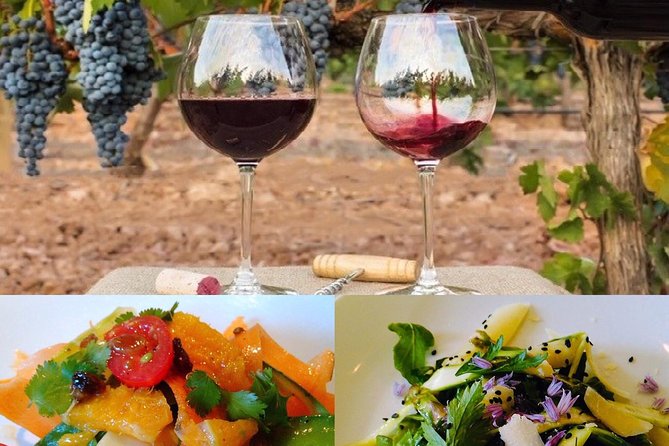
Your meeting point is Parking Baron Le Roy, at 3 Avenue Baron le Roy, 84230 Châteauneuf-du-Pape. This detail deserves more attention than it usually gets because the activity is described as being in Avignon, yet the actual start point is in Châteauneuf-du-Pape.
That distinction affects your whole day. You need to arrange your own way to the village and arrive at the named parking location. Do not assume that meeting in Avignon means you can simply walk to a departure point in the city.
One person had difficulty finding the meeting place and could not reach the guide to sort it out. I would save the complete address, allow extra time, and make sure you have your booking details available before setting out. This is the clearest practical weakness in an otherwise personal experience.
Once you meet Beatrice, the small group should make it easier to settle into the day. With a maximum of four people, you are not competing with a busload of strangers for attention. That matters at a winery, where questions about grapes, production, and taste can quickly become more useful than a standard speech.
Starting with the Rhône Valley
The experience begins with a presentation of the Rhône Valley appellations before narrowing its attention to Châteauneuf-du-Pape. This is one of the most valuable parts for someone who wants more than a few pleasant tastings.
You will learn how Châteauneuf-du-Pape fits into the wider regional wine picture. The supplied information does not promise a specific list of appellations, so you should not expect a fixed catalogue or a formal classroom lesson. Instead, the guide presents the region as context for the wines you taste during the day.
I like this order. Starting with the broader Rhône Valley gives you a point of comparison, then the program turns toward the area’s best-known name. You can begin with the large idea and end up asking more focused questions about one place.
The teaching is also intended to suit different levels. If you are a serious wine drinker, you can use the time to ask about production choices and differences among bottles. If you usually feel lost around wine terminology, Beatrice can adjust the explanation to your needs. The small group helps here, since your questions can shape the pace.
Visiting family-owned wineries
The heart of the day is the visit to family-owned wineries. This is a useful contrast to a quick stop at a large commercial tasting room, where the explanation can feel detached from the people who actually make the wine.
A family-owned winery gives you a closer look at the scale of production and the decisions behind each bottle. The information does not specify the names of the wineries or how many you visit, so I would not book this expecting a fixed list of estates. The appeal is the type of producer and the personal setting, not a guaranteed celebrity château.
Small producers can also make the differences between wines easier to notice. You may taste bottles that are not designed to appeal to everyone, and that is part of the value. The point is not to find one universally perfect wine. It is to see how a producer’s choices create a particular style.
The day includes all winery visits and tastings, with alcoholic beverages included in the price. That removes the need to budget separately for each glass or tasting flight. You should still expect the experience to be educational as well as social, since the main promise is learning how the wines are made and why they taste the way they do.
Same royal city, another way in:
- Avignon: City Walking Tour with Popes Palace Entry
★ 4.7 · 193 reviews - Highlights of Provence : Chateauneuf du Pape & Luberon
★ 4.5 · 189 reviews - Afternoon Wine Tour to Chateauneuf du Pape from Avignon
★ 4.5 · 176 reviews - Avignon Walking Tour including Pope’s Palace
★ 4.5 · 158 reviews
Tasting small productions and different styles
The tasting program includes small-production wines and different styles of Châteauneuf-du-Pape. That phrase is important. You are not simply sampling the same wine several times under different labels.
Different styles let you compare the range within the appellation. One bottle may appeal to you more than another, and the guide can help explain why. Pay attention to your own reactions, then ask Beatrice to connect those reactions to the production and vineyard information discussed earlier.
The tasting also works well for couples or friends with different levels of interest. A committed wine enthusiast can ask detailed questions, while a less experienced drinker can focus on identifying what they enjoy. The day is not presented as a test, and there is no need to pretend you understand every technical point.
I especially like that the experience includes small productions. These can give you a better sense of the area’s individual character than a generic introduction to French wine. At the same time, small production does not automatically mean better wine, so keep your own taste in charge. Let the guide explain the bottle, but decide for yourself what deserves a place in your suitcase.
Learning how vineyard and cellar choices shape the wine
The educational portion covers specific winemaking and viticulture. Those two subjects are related but not identical, and knowing the difference will help you get more from the day.
Viticulture concerns the growing of the grapes. You learn about the work and conditions that shape the fruit before it reaches the winery. Winemaking begins once those grapes are handled, fermented, and developed into wine. The experience links these stages instead of treating the final bottle as a mystery.
The program also includes the history that made Châteauneuf-du-Pape famous. The available information does not provide a detailed list of historical sites or specific stories, so the emphasis is likely to come through Beatrice’s presentation and the places you visit rather than a separate museum stop.
That may suit you if you prefer learning through conversation and tasting. It may disappoint you if you want a long list of monuments or a formal historical tour. This is a wine day first, with history used to explain the region and its reputation.
Planning lunch at a castle
Lunch is not included. A suggested option is a castle with a striking view, with a menu priced between €28 and €35 per person.
That recommendation adds a pleasant break to a long day, but you should budget for it separately. The price listed for the tour covers the visits and tastings, not the meal. If you are comparing the total cost with other wine outings, add the lunch amount before deciding what the day costs you.
The castle setting is also part of the experience’s appeal. It gives you a pause between tastings and lets you enjoy the setting rather than rushing from one cellar to the next. The precise castle, menu, and reservation arrangements are not specified, so ask Beatrice for current details before the day.
I would not skip lunch simply to save money unless you have a strong reason. The listed duration is long, and a proper meal can help keep the day comfortable. You can also use lunch to talk through the wines you have tasted so far and decide what you want to ask about next.
Is the $222.28 price fair?
At $222.28 per person, this is not a budget tasting. The value depends on how much you want from the day beyond the alcohol itself.
The price includes all visits and tastings, and the group is limited to four people. You are paying for a private-feeling format, personal instruction, access to family-owned wineries, and a full day focused on one of France’s best-known wine areas. Lunch is extra, and you are responsible for reaching the starting point.
I think the price makes the most sense for someone who would otherwise spend money on several separate tastings and still want help understanding the region. The small group is particularly important. Four people allows Beatrice to adapt the presentation to your level and answer questions without the rushed feeling of a large coach tour.
The value is less clear if you want only a short tasting or if you are already planning several winery visits on your own. You also need to consider transport to Châteauneuf-du-Pape from wherever you are staying. Since the activity is marketed from Avignon but begins in the wine village, the practical cost may be higher than the headline price.
The activity is commonly booked about 26 days in advance. That suggests you should not leave it until the last moment, especially if your travel dates are fixed. Confirmation arrives within 48 hours, subject to availability, so wait for confirmation before treating the day as final.
Who will get the most from this wine day?
I would recommend it most strongly to:
- Wine drinkers who want to understand the Rhône Valley, not just taste a famous name
- Couples or friends who prefer a small group over a bus tour
- Beginners who want explanations adjusted to their level
- More experienced wine enthusiasts who enjoy comparing small-production bottles
- People willing to spend most of a day on one wine area
- Visitors who can comfortably arrange their own way to Châteauneuf-du-Pape
You may want a different plan if you prefer independent wandering, a short tasting, or a fixed list of famous estates. This experience is built around Beatrice’s presentation and the wineries selected for the day, so its strength is personal guidance rather than a standard sightseeing checklist.
Most travelers can participate, and service animals are allowed. The activity is near public transportation, but the information does not specify a direct transfer from Avignon or provide transport from your accommodation. Confirm how you will reach the meeting point before booking.
Weather, cancellation, and final planning
The experience requires good weather. If poor weather forces a cancellation, you are offered a different date or a full refund. The same applies if the minimum number of participants is not reached.
You can cancel for a full refund up to 24 hours before the start time. Changes or cancellations made less than 24 hours before the local start time are not refunded or accepted. Keep the local time in mind if you are booking from another country.
I would also save the meeting address and contact information as soon as the booking is confirmed. The one serious negative experience connected with this outing involved finding the meeting place and being unable to reach the guide. That is an avoidable problem if you prepare carefully.
Should you book In Depth Châteauneuf-du-Pape?
Book it if you want a focused, small-group wine day built around family-owned wineries, several Châteauneuf-du-Pape styles, and clear explanations from Beatrice. The high rating of 4.8 from 16 ratings and the 94 percent recommendation fit the experience’s strongest points: personal attention, strong instruction, and an enjoyable full-day format.
Before paying, make sure the price fits your plans, add €28 to €35 for lunch, and solve the transport question to Parking Baron Le Roy. If those details work, this is a good choice for turning a famous wine label into a place, a process, and a set of choices you can understand.
FAQ
Where does the experience begin?
It begins at Parking Baron Le Roy, 3 Avenue Baron le Roy, 84230 Châteauneuf-du-Pape, France.
Where does the experience end?
The activity ends back at the same meeting point.
Is lunch included?
No. A suggested castle lunch costs between €28 and €35 per person.
Are the winery visits and tastings included in the price?
Yes. All visits and tastings, including alcoholic beverages, are included.
How many people can join the tour?
The activity has a maximum of four participants.
What happens if the weather is poor?
If poor weather causes the activity to be canceled, you will be offered another date or a full refund.
Fresh palace tours around Avignon
- Wine Tasting Tour at Châteauneuf du Pape★ 5.0 · 36 reviews
- Visit of the cellars of Château Gigognan with tasting★ 5.0 · 3 reviews
- Wines from Châteauneuf-du-Pape and surrounding areas in 1/2 day★ 5.0 · 96 reviews
- 8 Hours Group Tour in Châteauneuf du Pape★ 5.0 · 10 reviews
- Morning Wine Tour to Chateauneuf du Pape from Avignon★ 4.5 · 70 reviews
- Châteauneuf du Pape Wine Day Tasting Tour including Lunch from Avignon★ 5.0 · 287 reviews
- Highlights of Provence : Chateauneuf du Pape & Luberon★ 4.5 · 189 reviews
- Afternoon Wine Tour to Chateauneuf du Pape from Avignon★ 4.5 · 176 reviews
France Palace Tours: the shortlist.
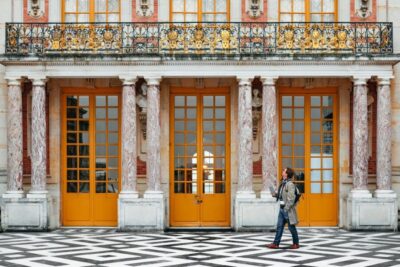
Versailles Palace and Gardens Full Access Ticket
Read our review →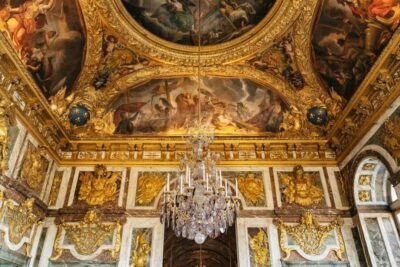
Skip-the-Line Tour of Palace and Gardens Access
Read our review →
Versailles Palace & Gardens with Transportation
Read our review →
Skip-the-Line Guided Palace Tour and Full Access
Read our review →
Versailles Palace Guided Tour & Gardens Access
Read our review →
Versailles Palace and Gardens Tour from Paris
Read our review →
Versailles Palace Bike Tour with Market & Marie-Antoinette hamlet
Read our review →
Versailles Palace Guided Tour with Reserved Entry
Read our review →This visit also appears in