
Review · PORTUGAL
Monumental and historic Porto with the Stock Exchange Palace
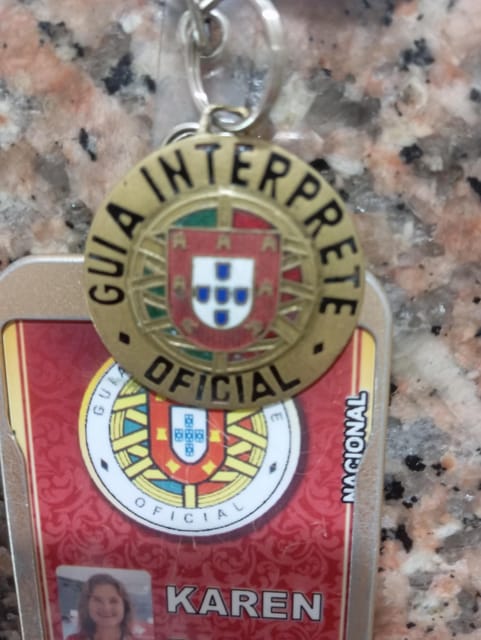
Porto saves one of its best surprises for the inside of the Palácio da Bolsa. The grand Stock Exchange Palace brings a polished finish to a walk that begins among old lanes, worn stone, and the everyday life of the Sé quarter. Guide Karen leads in French, with stories about both Porto’s past and its present.
I like the way this tour links the city’s big sights instead of treating them as isolated photo stops. I also like the close look at authentic medieval streets, where the focus is on local life, odd corners, and the contrasts between old Porto and today’s city. The main drawback is that the €47 price does not include the €10 admission to the palace, and the four-hour walk is not suitable for wheelchair users.
Key points at a glance
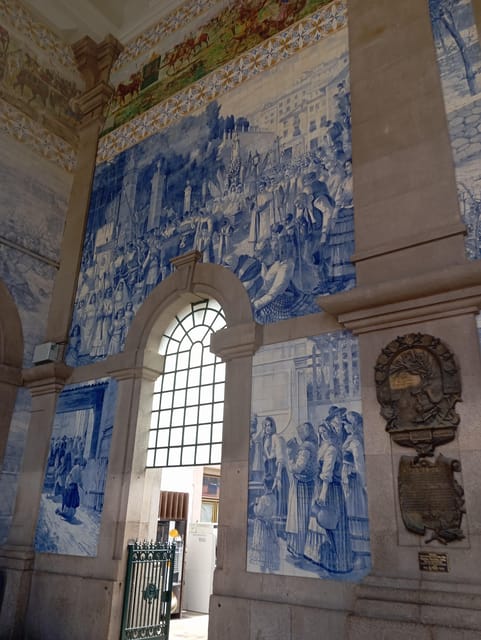
- São Bento starts the story: Spend time with the station’s famous tilework before heading into the old city.
- The Sé quarter is the heart of the walk: Expect steep, irregular streets, viewpoints, and stories about how people still live in this historic area.
- Karen guides in French: Her tours focus on anecdotes, local places, history, and contemporary Porto.
- The Stock Exchange Palace is the grand finale: Skip the ticket line, then pay the separate €10 admission for the guided interior visit.
- Gaia and Ribeira provide the big views: Look across the river toward the bridges, port wine lodges, docks, and rabelo boats.
- Plan for a serious walk: Comfortable shoes are essential, and the route is not designed for wheelchair users.
Why this Porto walk works so well
This is a useful choice if you want Porto explained as a whole city rather than as a checklist of monuments. In four hours, you move from São Bento Station through Sé, down toward the river, across the visual field of the Luis I Bridge, and into the Stock Exchange Palace. The route covers the classic sights, but it also leaves room for smaller streets and local details.
The tour is in French, which makes it especially practical for French-speaking visitors who want more than a quick English-language overview or a self-guided walk with a phone in hand. Karen is the named guide, and the feedback attached to her tours repeatedly highlights her friendly manner, detailed explanations, anecdotes, and ability to show corners you might miss alone.
I would not choose this as a relaxed, sit-down sightseeing outing. You walk for much of the four hours, with Porto’s hills and uneven historic streets adding effort. The reward is a stronger sense of how the monuments fit together, but you need sensible shoes and enough energy for a half-day on foot.
More royal history around Portugal:
- Sintra Historical Jeep Adventure – Palaces & Secret Routes
★ 4.9 · 230 reviews - Mateus Palace – In the Footsteps of Wine History
★ 5.0 · 3 reviews - Lisbon: Private Historical Tour to Queluz and Ajuda Palaces
★ 5.0 · 3 reviews
São Bento Station starts with tiles and city stories
The meeting instructions point to Pier 1, where the guide carries a Portuguese flag, while the walking route begins at São Bento Station. Check the exact meeting directions before setting out, since those two details are not the same location.
São Bento is a fine place to begin. The station is famous for its large blue-and-white tile panels, and the visit gives you an immediate visual introduction to Portugal’s storytelling tradition. The scheduled stop lasts about 15 minutes, so this is a focused visit rather than a long station tour.
That short time is useful. You can see the main decorative spaces, hear the guide explain what you are looking at, and then move into Porto’s older streets without spending the entire morning indoors. If you want a slow look at every tile scene, arrive early or return later on your own.
The station also helps you get your bearings. From here, the route heads toward the Sé neighborhood, and the change is quick. One moment you are near a major transport hub, and the next you are entering streets shaped by centuries of foot traffic.
The Sé quarter shows Porto at close range
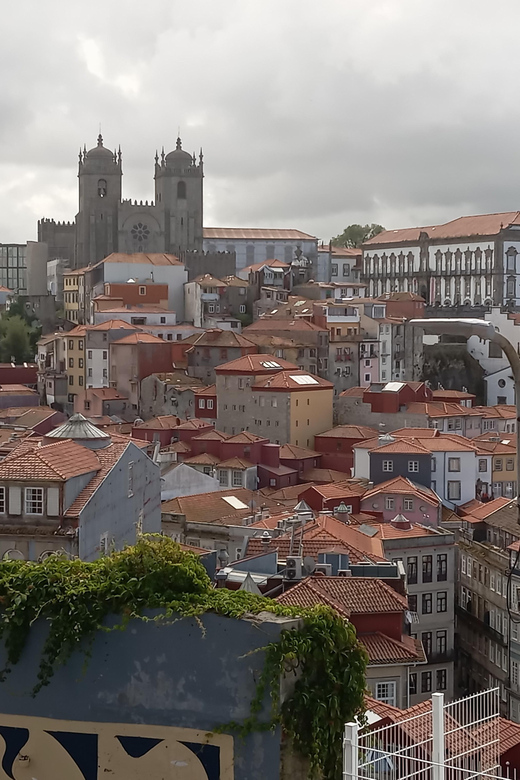
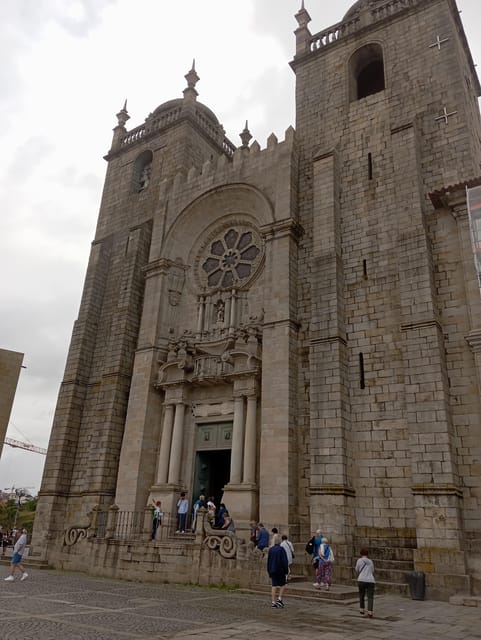
The longest section of the walk takes place around Sé, Porto’s cathedral district. Allow about one hour here. This is where the tour appears to do its most useful work, because the point is not only to show the cathedral but also to explain the streets around it.
You can expect a guided walk through narrow lanes, stone stairways, and inhabited streets. The area is part of Porto’s UNESCO-listed old town, but it is not presented as a museum set. The emphasis is on the people, contrasts, and stories tied to the neighborhood.
That balance matters. Porto’s historic center can look dramatic from a viewpoint, yet a postcard view tells you little about daily life behind the façades. Karen’s approach, based on the details of the tour and the strong praise for her anecdotes, puts attention on the smaller signs of life: the way streets are used, how old buildings sit beside newer activity, and the stories attached to particular corners.
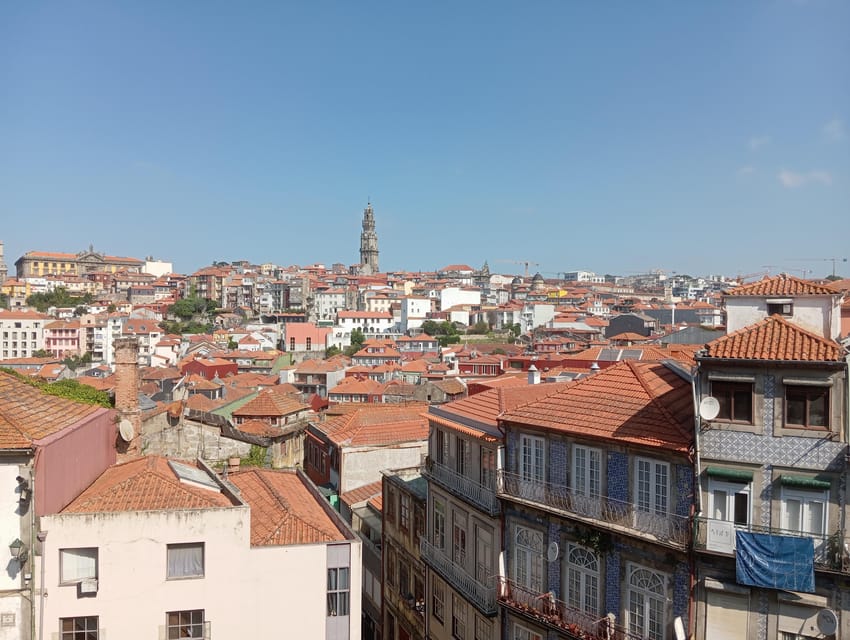
You will also get views toward the Clerigos Tower and the classified old-town area. The tour description includes the Town Hall among the sights seen along the way, so this section is not limited to the cathedral itself. It gives you a broad visual sweep before the route drops toward the river.
The Sé area is also where you should expect the most physical work. Porto is hilly, and old streets are rarely smooth or level. The activity specifically recommends comfortable shoes and excludes wheelchair users. That is not a minor note here. Wear footwear with a firm sole, and do not assume that the historic center will feel like an easy pavement stroll.
From the upper city to Ribeira and the river
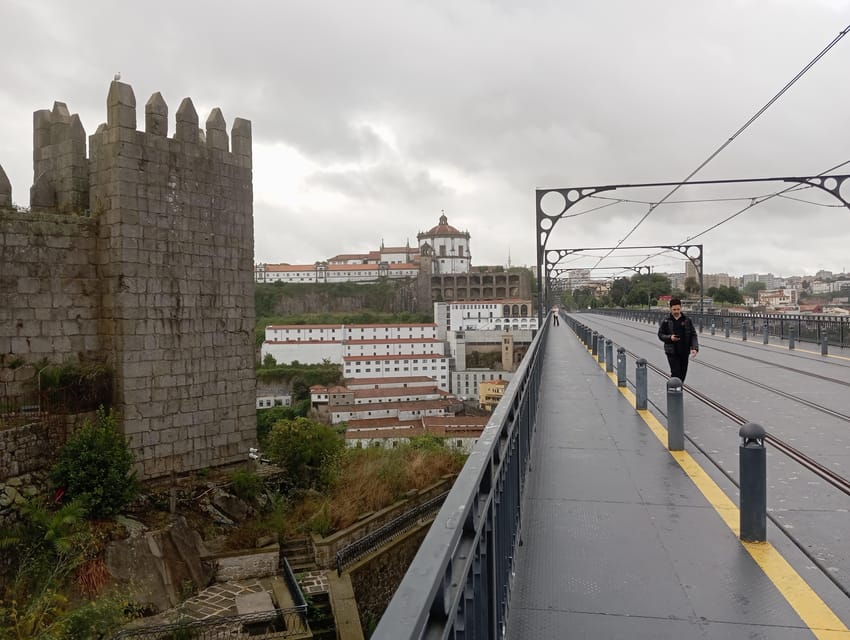
After the cathedral district, the walk turns toward the lower part of Porto and the riverfront. The route includes the Ribeira neighborhood, the city wall, Infante Square, and the Church of São Francisco. These places help connect Porto’s religious, commercial, and waterfront past.
Ribeira is one of the city’s most recognizable areas, with colorful buildings and a riverfront setting. The tour gives you the chance to see it as part of a larger route rather than as a single stop for photographs. From the upper streets, you understand how steeply the city falls toward the Douro. At the water, you can look back and see the layers of Porto rising above the quay.
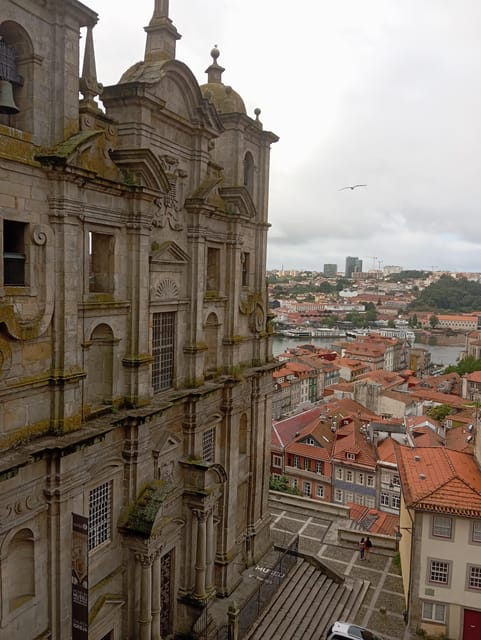
The Church of São Francisco adds another major historic stop. The experience does not state that an interior admission is included, so treat it as a sight along the route unless the guide explains otherwise. The same applies to several listed views and monuments: they form part of the guided walk, but not every location is described as a separate interior visit.
Infante Square provides a useful transition point near the river. From here, the walk opens toward the bridges, the opposite bank, and the Gaia docks. The old wall and the riverfront help you see why Porto developed where it did, with the Douro shaping trade, movement, and the city’s identity.
More palaces to tour around Portugal:
- Sintra: Pena Palace and Park Entrance Ticket
★ 4.2 · 17,410 reviews - Lisbon: Pena Palace, Sintra, Cabo da Roca, & Cascais Daytrip
★ 4.7 · 9,981 reviews - Small Group Tour to Sintra, Pena Palace, Cabo Roca and Cascais
★ 5.0 · 3,559 reviews - Lisbon: Sintra, Pena Palace, Cabo da Roca, & Cascais Tour
★ 4.9 · 3,509 reviews
Luis I Bridge, Maria Pia Bridge, and Gaia
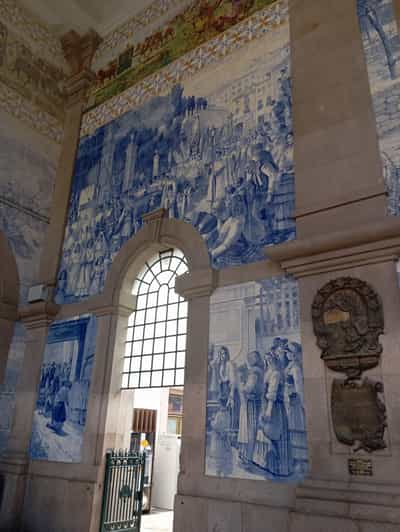
The bridge views are among the strongest parts of the route. You see the Luis I Bridge and Maria Pia Bridge, then look toward Vila Nova de Gaia, the docks, and the port wine wineries. Rabelo boats, the traditional boats associated with transporting wine along the Douro, are also part of the view.
The Luis I Bridge is the visual star. Its metal structure cuts across the river and links Porto with Gaia, while the different levels create changing viewpoints. The tour does not promise a dedicated bridge crossing or a long stop on the bridge, so think of this section as guided sightseeing around the river corridor rather than a bridge engineering tour.
The Maria Pia Bridge gives the scene a second layer. Together, the two bridges show different chapters of the river’s working and transport history. You also get a clear sense that Porto and Gaia are separate places facing each other across the water, not simply two names for one riverfront.
The Gaia portion lasts about 15 minutes in the stated schedule. That is enough for an introduction and some views, but not enough for an extended visit to the wine lodges. No wine tasting is included. You may hear about places to taste and visit, and one review specifically praised the guide for pointing out places worth trying, but plan a separate stop if you want a cellar tour or tasting.
The activity finishes in Vila Nova de Gaia. That is convenient if you plan to spend the afternoon by the docks or visit a wine lodge. It also means you should not expect to return to São Bento with the group.
Palácio da Bolsa is the payoff
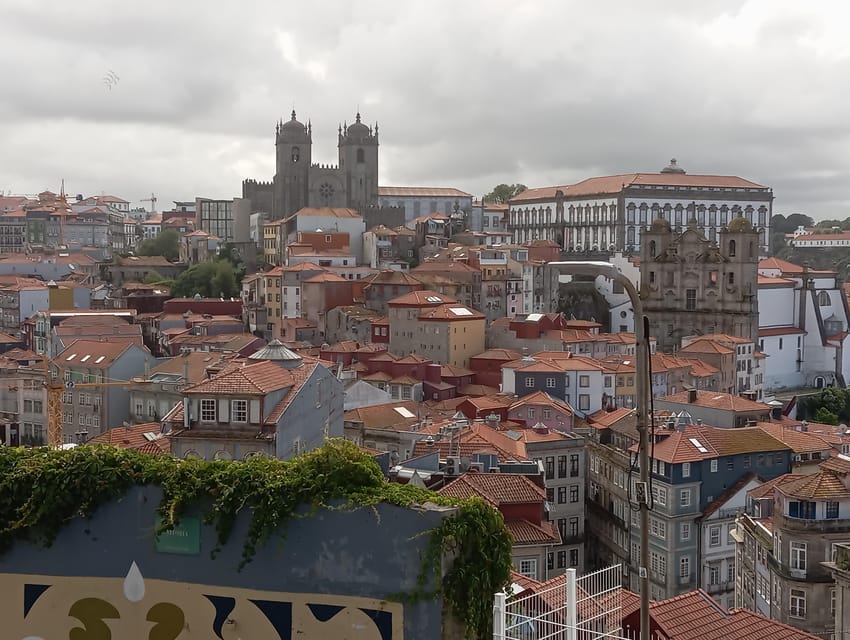
The Stock Exchange Palace, or Palácio da Bolsa, is the featured interior visit and the reason this tour costs more than a simple free walking route. The guided visit lasts about 30 minutes and includes skip-the-ticket-line access. Admission itself costs an additional €10, so include that in your real budget.
The building gives the tour a change of mood. After the rough edges of Sé and the open river views, you enter a formal civic building with a grander, more polished character. The visit adds architecture and ceremony to a route that has mostly focused on streets, neighborhoods, viewpoints, and urban life.
This is also the stop most strongly singled out in the direct feedback. One assessment called it the high point of the visit, and another described the palace as the key attraction after the guide’s explanations of Porto’s neighborhoods and contrasts. That makes sense even if you are not an architecture specialist. A good guide can help you notice how the palace represents Porto’s commercial ambition and civic pride.
The skip-line benefit matters most when the palace is busy. You are paying for the guided walk, the guide’s French explanations, and a smoother entry process, not just access to a room. Still, remember that skip-the-line entry does not mean the €10 admission disappears.
The palace is scheduled after the wider city walk, which is a sensible order. By the time you reach it, you have seen the river, the docks, and the historic streets that give the building its context. You are not looking at an impressive interior in isolation.
French-language guiding and the human touch
The guide is certified, live, and French-speaking. Karen is named in the available feedback, and the comments about her are unusually consistent: detailed explanations, kindness, interesting anecdotes, and a good understanding of both the old city and present-day Porto.
That last point is important. A city walk can become a string of dates and architectural labels. Here, the stated focus includes contemporary life as well as the history of the old city. You can expect the guide to explain not only what a monument is, but how the area around it works now.
French-language tours can also vary in pace. You should expect the guide to speak in French throughout, while some material may appear in its original language. If you are comfortable listening to French for four hours, this is a strong match. If you need regular translation into another language, it is not the right format.
The rating shown for the experience is 5 out of 5 from six reviews. That is a small sample, so I would not treat it as a guarantee that every group will have the same experience. Still, the repeated praise for Karen’s personal style gives you a useful clue: this is best suited to someone who values a warm guide and detailed storytelling more than a fast, highly scripted sightseeing loop.
Is $47 plus €10 a fair price?
The listed price is $47 per person, with the Palácio da Bolsa admission charged separately at €10. That makes the effective cost higher, but the value depends on what you want from Porto.
If you only want to see the outside of the major sights, you can walk around Porto on your own for much less. São Bento Station, Sé, Ribeira, bridge views, and the riverfront are all part of the city itself. You are paying here for the structure, the French commentary, the local stories, the four-hour route, and the guided palace entry process.
I consider the price reasonable for a visitor who wants a single morning or afternoon to cover the main historic areas without planning every turn. The guide also helps you avoid treating Porto as a collection of disconnected viewpoints. The extra €10 is easy to overlook, so add it before comparing this with other tours.
The value is weaker if you dislike walking, want a small focus on wine tasting, or prefer to spend a long time inside each monument. The Gaia stop is brief, and there is no included tasting. The palace visit is also only about 30 minutes, so serious architecture fans may want a separate, slower visit if available.
Who should book this experience?
I would recommend it to French-speaking first-time visitors who want a clear introduction to Porto’s old town, riverfront, and Gaia views. It suits couples, friends, and independent visitors who enjoy walking but want someone to explain the odd street, historic building, and local contrast along the way.
It is also a good choice for people who want to finish near Vila Nova de Gaia. You can continue with your own plans at the docks after the tour, though those plans are not included.
I would hesitate if you have limited mobility, dislike hills, or need a wheelchair-accessible route. I would also choose another experience if your main goal is port wine tasting, since wineries and tasting places are viewed and discussed rather than included as a formal tasting.
Free cancellation up to 24 hours before the start and reserve-now, pay-later booking make planning easier. Starting times depend on availability. Bring comfortable shoes, confirm the Pier 1 meeting instructions, and allow the full four hours rather than trying to squeeze in another timed attraction.
Should you book the Porto monumental walk?
Book it if you want French-language guidance, a strong introduction to Porto’s historic center, and the Stock Exchange Palace included in a well-connected half-day route. Karen’s friendly, detailed style is the clearest reason to choose this over wandering alone.
Skip it if you want a gentle ride, an accessible route, or a dedicated wine experience. For most fit walkers who want Porto’s cathedral quarter, medieval lanes, Ribeira, bridges, Gaia, and the palace explained in one outing, the tour offers good coverage and a useful sense of how the city fits together.
FAQ
Where does the tour meet?
The meeting point is Pier 1, where the guide presents a flag of Portugal. The walking route begins at São Bento Station, so check the exact meeting directions when booking.
How long does the activity last?
The tour lasts four hours. Starting times depend on availability.
What language is the tour in?
The live tour guide speaks French. Some content may be shown in its original language.
Is admission to the Palácio da Bolsa included?
No. Admission is an additional €10, although the guided visit includes skip-the-ticket-line access.
Is the tour suitable for wheelchair users?
No. The activity is not suitable for wheelchair users.
What should I bring?
Bring comfortable shoes. The route includes Porto’s historic streets and a substantial amount of walking.
Fresh palace tours around Portugal
- Lisbon: Visit Pena Palace, Regaleira, Cabo da Roca & Cascais★ 5.0 · 15 reviews
- From Lisbon: Sintra Pena Palace Cascais 8-People Group Tour★ 4.9 · 93 reviews
- Sintra: Private Tour with Guided Pena Palace Experience★ 4.9 · 99 reviews
- Sintra: Vintage Jeep tour, Pena Palace and coastline 8 hours★ 5.0 · 3 reviews
- Sintra:1 hour tuk tuk experience to Pena Palace(3 monuments)★ 5.0 · 10 reviews
- Sintra:Pena Palace,Moorish Castle & Q-Regaleira Private Tour★ 5.0 · 10 reviews
- Sintra: Pena Palace and Park Entry Ticket with Tuk Tuk Ride★ 3.5 · 43 reviews
- Sintra: Vintage electric Tuk Tuk tour, Pena Palace 4/5 hours★ 5.0 · 7 reviews
Portugal Palace Tours: the shortlist.
Pena Palace, Sintra, Cabo da Roca, & Cascais Daytrip
Read our review →Small Group Tour to Sintra, Pena Palace, Cabo Roca and Cascais
Read our review →Sintra to Cascais: 2 Palaces, 4 Sites, Small Group 10 Hour Tour
Read our review →

Sintra, Pena, Regaleira, Cabo da Roca & Cascais from Lisbon
Read our review →
Cascais-Pena Palace 8-People Small Group Tour from Lisbon
Read our review →This visit also appears in