
Review · PORTUGAL
Porto Bishop’s Palace Guided Tour
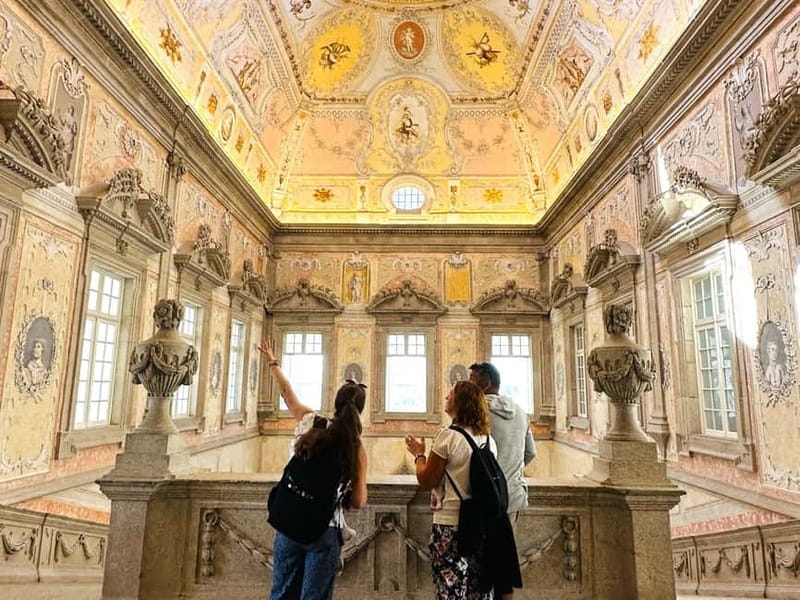
Porto’s Bishop’s Palace gives you a close look at the power behind the city’s grand religious center. You move from the Pelourinho, the decorated stone pillar in the square, into the grand Episcopal Palace, where Baroque rooms, carved wood, carpets, silver, paintings, and sculpture show how church and elite power shaped Porto.
I like the short walk through Terreiro da Sé, which adds useful city context before you enter. I also like the strong focus on the people behind Porto’s rise, not just on ornate ceilings and furniture. The main drawback is the brisk one-hour schedule: the palace visit lasts about 45 minutes, so you will need to keep moving and may not have time to study every object.
Key points to know
- The tour begins at Porto’s Pelourinho, where your guide waits with a white umbrella.
- A 15-minute walk through Terreiro da Sé connects the city square with the palace visit.
- The palace visit lasts about 45 minutes, with a guide explaining art, architecture, religion, and political power.
- Arthur receives especially strong praise for detailed answers, a friendly manner, and patience with questions.
- The $18 price includes admission and the guide, making it a useful value for a short, focused introduction to the palace.
- The building is not wheelchair accessible, and comfortable shoes are important for the walk and palace visit.
Why Porto’s Bishop’s Palace matters
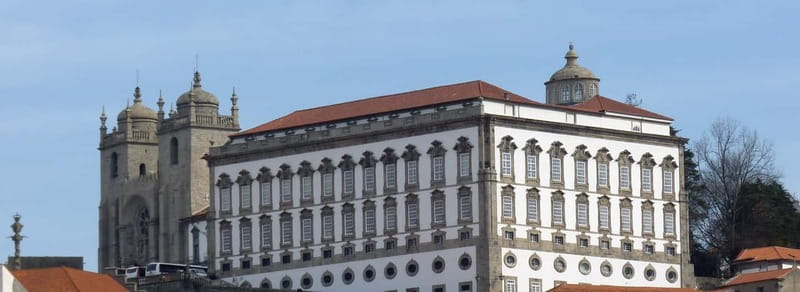
The Bishop’s Palace is more than a decorated residence. For centuries, the bishop held religious authority, but that authority also connected to Porto’s political and economic life. The building gives you a way to see how the church, city leaders, wealthy families, and ordinary people were linked.
I find this angle more useful than a simple parade of dates and architectural labels. As you pass through the palace, you can think about who had access to such rooms, who paid for the objects inside, and how religious power helped shape the city.
The palace also sits beside Porto’s cathedral area, where the city’s old center rises above the Douro. That setting matters. You are not visiting an isolated country house. You are seeing an important building in the middle of the place where religious authority and civic life met.
More palaces to tour around Portugal:
- Sintra: Pena Palace and Park Entrance Ticket
★ 4.2 · 17,410 reviews - Lisbon: Pena Palace, Sintra, Cabo da Roca, & Cascais Daytrip
★ 4.7 · 9,981 reviews - Small Group Tour to Sintra, Pena Palace, Cabo Roca and Cascais
★ 5.0 · 3,559 reviews
Meeting at the Pelourinho in Porto
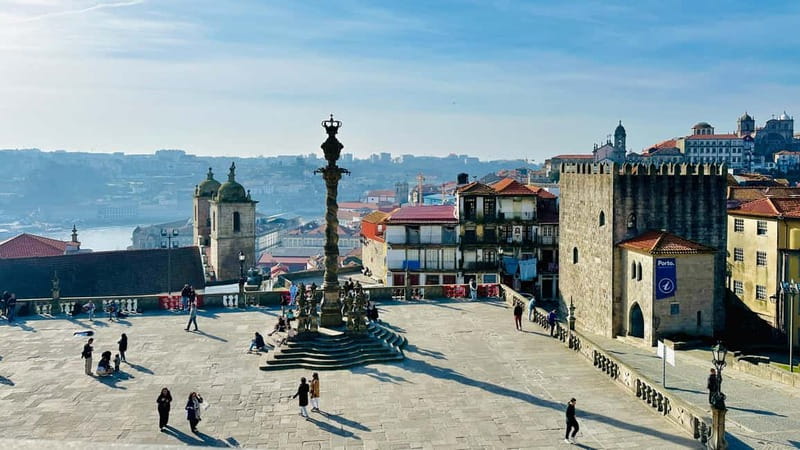
Your starting point is the Pelourinho do Porto, the decorated pillar in the middle of the square. The guide waits nearby with a white umbrella, a practical marker in a busy historic area.
Arrive with enough time to identify the square and locate the pillar. The meeting point is specific, but old city squares can still be confusing if you are watching the clock, checking a phone, and trying to match several stone buildings at once.
The tour is offered in English, Portuguese, Spanish, Ukrainian, and Russian. That gives you a useful choice of language, but you should confirm the language and starting time when booking. The exact departure times vary, and the activity lasts only one hour.
The tour provider is InsighTours. The guide is described as professional and certified, with the required insurance and Tourism of Portugal certifications. That is reassuring for a short walking tour in the old center, though the real value comes from how well your guide connects the palace to the city around it.
The 15-minute walk through Terreiro da Sé
The route begins with a walk of about 15 minutes through Terreiro da Sé. This is not dead time between the meeting point and the main attraction. It helps set up the story.
You get an introduction to the cathedral area and the palace’s place within Porto. The walk also gives your guide a chance to explain how the religious center related to the city’s growth. Listen for connections between the bishop, local elites, trade, and the people who lived and worked around these powerful institutions.
This portion is short, so do not expect a full walking tour of Porto. It is better understood as a lead-in to the palace. If you already know the cathedral district well, the walk may feel familiar. If this is your first visit, it provides helpful orientation before you step inside.
Wear comfortable shoes. Porto’s old center involves slopes and historic paving, and even a brief walk can feel tiring in warm weather. One participant specifically found the day hot enough to hurry away afterward, so carry water, especially during summer.
Entering the Episcopal Palace
The main visit takes place at Paço Episcopal, the Bishop’s Palace. The palace is presented as a major example of Portuguese Baroque architecture, with the grand scale and decorative detail expected from a building linked to a senior church official.
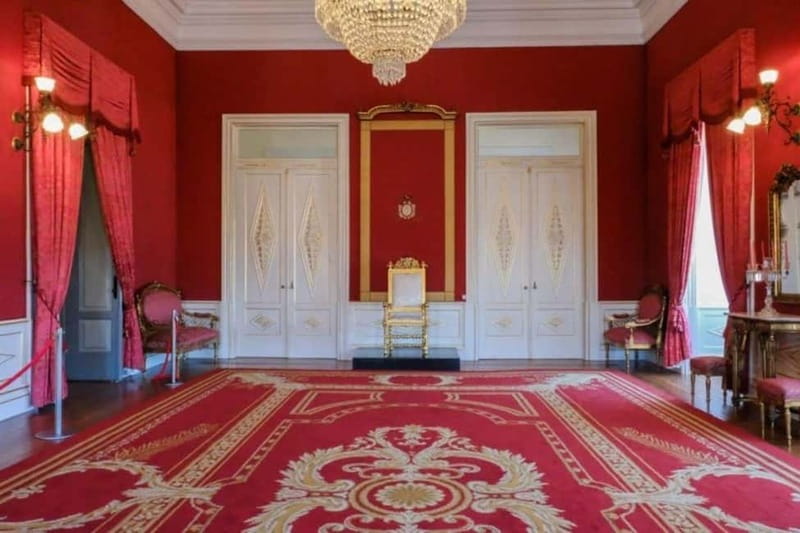
The point is not only to admire luxury. The palace helps you see how architecture communicated status. Large rooms, fine furnishings, decorative arts, and carefully arranged interiors all sent a message about authority and wealth.
Your guide leads you through the lavish rooms and explains the objects and spaces rather than leaving you to guess what matters. This is where the tour earns its keep. Without guidance, a room filled with carved wood, silver, carpets, and paintings can become a blur of attractive things. With context, the same objects show how Porto’s ruling and religious classes presented themselves.
The palace blends grandeur with the changing city outside. That contrast is part of the appeal. You see an interior built to express permanence and control, while Porto itself changed through trade, urban growth, and shifting social forces.
Same royal city, another way in:
- Lisbon: Sintra, Pena Palace, Cabo da Roca, & Cascais Tour
★ 4.9 · 3,509 reviews - Lisbon: Sintra Cascais & Pena Palace Small Group Tour
★ 4.8 · 3,218 reviews - Sintra to Cascais: 2 Palaces, 4 Sites, Small Group 10 Hour Tour
★ 5.0 · 3,105 reviews - From Lisbon: Sintra & Cascais Group Tour with Pena Palace
★ 4.8 · 2,237 reviews
Art, furniture, carpets, and silver
The palace’s collections include paintings, sculptures, and decorative arts. Specific comments about the interiors point to Portuguese craft, curved wood furniture, carpets, and silver. These details are worth slowing down for, even though the schedule is tight.
I would pay particular attention to the furniture. Carved and curved wood shows the skill and taste valued by the palace’s occupants. Carpets soften and enrich the rooms, while silver objects signal wealth in a direct, highly visible way.
The paintings and sculptures add another layer. They are not simply decoration. In a palace tied to religious and political authority, art could reinforce faith, rank, ceremony, and the importance of the institution.
Photography is allowed without flash. Bring a camera if you like recording decorative details, but be ready to put it away when the guide is explaining a room. Flash photography is not allowed, and the one-hour format leaves little spare time for repeated shots.
What the guide adds to the visit
The guide makes a large difference here. The palace has enough visual detail to interest you on its own, but the tour is designed around explanation.
Arthur has received especially strong praise for being thorough, polite, welcoming, and able to handle detailed questions. One account describes him as recalling history in fine detail and encouraging questions rather than rushing people through them. If Arthur leads your tour, you can expect a guide who welcomes an active conversation.
Oleksandra has also been praised for a friendly and helpful approach, particularly in making the material accessible to someone from a different cultural background. That matters because the role of a bishop in Porto may not be familiar to every visitor.
The other listed languages are Spanish, Ukrainian, and Russian, in addition to English and Portuguese. The quality of your visit will depend partly on the guide assigned that day, but the central promise is clear: this is meant to be an interpreted visit, not a silent palace walk.
A useful tip is to ask questions early. With only 45 minutes inside, you may not get a second chance to return to a subject. Ask about the bishop’s role, the objects that catch your eye, and how the palace related to the wider city.
A one-hour schedule that moves quickly
The timing is compact:
- About 15 minutes walking through Terreiro da Sé
- About 45 minutes inside the Bishop’s Palace
That makes the tour easy to fit into a day of sightseeing. You can schedule it alongside the cathedral, central Porto, or another nearby activity without giving up half a day.
The trade-off is pace. A 45-minute palace visit is enough for an introduction, but it is not enough for every room, object, and question in great depth. You may need to choose between taking photographs, listening closely, and lingering over details.
I would treat this as a focused first visit. If the palace becomes a major interest, you can use the guide’s explanations to decide which parts deserve more attention later. The tour works best when you arrive ready to listen rather than expecting unlimited free time.
Is $18 a fair price?
At $18 per person, the cost is reasonable for a one-hour guided visit that includes the entrance ticket. You are paying for admission, a professional guide, and a structured explanation of a major historic building.
The value is strongest if you want context. If you only want to step into the palace, look around, and leave, you may find the visit short. If you want to understand why the building mattered, how the bishop’s authority worked, and what the furnishings reveal about Porto’s elite, the guide adds real value.
The included ticket also keeps the outing simple. You do not have to arrange a separate palace entrance and then find your way through the rooms alone. The separate entrance allows the tour to skip the main line, according to the activity details, though you should still arrive on time at the meeting point.
Personal expenses are not included. Tipping is also not included, so bring a little extra if you feel the guide gave you a particularly useful visit. The price does not include food, drinks, or anything beyond the tour itself.
Who will enjoy this palace tour?
I would recommend it to you if you like architecture, church history, decorative arts, or the political side of city history. It also suits first-time visitors who want a short, guided introduction before exploring more of central Porto alone.
The tour is especially useful if you prefer a guide who can answer questions. Arthur’s ability to handle detailed questions makes that style a good match for curious visitors. If you are visiting from another culture or do not know much about Portugal’s religious institutions, the explanations can make the palace far easier to understand.
Families with older children may find the short duration manageable, though the material is centered on art, authority, and history rather than hands-on activities. Anyone hoping for a relaxed, slow museum visit should adjust expectations. The timetable is tight.
This is not suitable for wheelchair users because the palace is not wheelchair accessible. The walking route and historic building also make comfortable shoes a sensible choice for everyone.
Practical details before you book
Free cancellation is available up to 24 hours before the tour for a full refund. You can also reserve now and pay later, which helps if your Porto schedule is still changing.
Confirm the available starting time and language before booking. The guide meets you by the Pelourinho with a white umbrella, not at the palace entrance, so do not head straight to the building and assume the group will find you there.
Bring water on a hot day and wear shoes suited to walking on old city streets. You can take photographs without flash. Since the building is not wheelchair accessible, check the route and physical requirements carefully before paying.
The tour has a rating of 4.5 from eight available ratings, with repeated praise for the guides’ explanations, friendliness, and command of Porto’s culture and past. The strongest pattern is clear: the guide is the key part of the experience. A good guide turns an ornate residence into a story about power and city life.
Should you book the Porto Bishop’s Palace tour?
Book this tour if you want a short, affordable look at Porto’s religious and political center, with a guide to explain what you are seeing. The palace’s furniture, carpets, silver, paintings, and Baroque design provide plenty to admire, while the discussion of bishops, elites, and ordinary people gives the visit purpose.
Skip it if you want a long, unhurried palace visit, need step-free access, or have little interest in historic interiors. For most curious visitors, though, $18 is a sensible price for a guided introduction, especially early in your Porto stay when a guide can help you understand the city you are about to explore.
FAQ
How long does the Porto Bishop’s Palace tour last?
The tour lasts one hour. About 15 minutes are spent walking through Terreiro da Sé, followed by about 45 minutes inside the Bishop’s Palace.
Where does the tour begin?
The meeting point is the Pelourinho do Porto, the decorated pillar in the middle of the square. Your guide waits nearby with a white umbrella.
Is the entrance ticket included?
Yes. The price includes the entrance ticket and a guided tour of the Bishop’s Palace.
What languages are available?
The tour is available in English, Portuguese, Spanish, Ukrainian, and Russian. Check the available language when selecting your booking.
Is the palace wheelchair accessible?
No. The palace is not wheelchair accessible, and the activity is not suitable for wheelchair users.
Can I take photographs inside?
Yes, photography is allowed without flash. Flash photography is not allowed.
Should I wear special clothing or shoes?
Wear comfortable walking shoes. The tour includes a walk through Terreiro da Sé and a visit to a historic palace.
Can I cancel the booking?
Yes. You can cancel up to 24 hours in advance for a full refund.
Can I reserve now and pay later?
Yes. The activity allows you to reserve your place and pay later, helping you keep your plans flexible.
Fresh palace tours around Portugal
- Lisbon: Visit Pena Palace, Regaleira, Cabo da Roca & Cascais★ 5.0 · 15 reviews
- From Lisbon: Sintra Pena Palace Cascais 8-People Group Tour★ 4.9 · 93 reviews
- Sintra: Private Tour with Guided Pena Palace Experience★ 4.9 · 99 reviews
- Sintra: Vintage Jeep tour, Pena Palace and coastline 8 hours★ 5.0 · 3 reviews
- Sintra:1 hour tuk tuk experience to Pena Palace(3 monuments)★ 5.0 · 10 reviews
- Sintra:Pena Palace,Moorish Castle & Q-Regaleira Private Tour★ 5.0 · 10 reviews
- Sintra: Pena Palace and Park Entry Ticket with Tuk Tuk Ride★ 3.5 · 43 reviews
- Sintra: Vintage electric Tuk Tuk tour, Pena Palace 4/5 hours★ 5.0 · 7 reviews
Portugal Palace Tours: the shortlist.

Pena Palace, Sintra, Cabo da Roca, & Cascais Daytrip
Read our review →Small Group Tour to Sintra, Pena Palace, Cabo Roca and Cascais
Read our review →Sintra to Cascais: 2 Palaces, 4 Sites, Small Group 10 Hour Tour
Read our review →

Sintra, Pena, Regaleira, Cabo da Roca & Cascais from Lisbon
Read our review →
Cascais-Pena Palace 8-People Small Group Tour from Lisbon
Read our review →This visit also appears in