
Review · ITALY
Lazing among giants – a guided tour of Palazzo Te
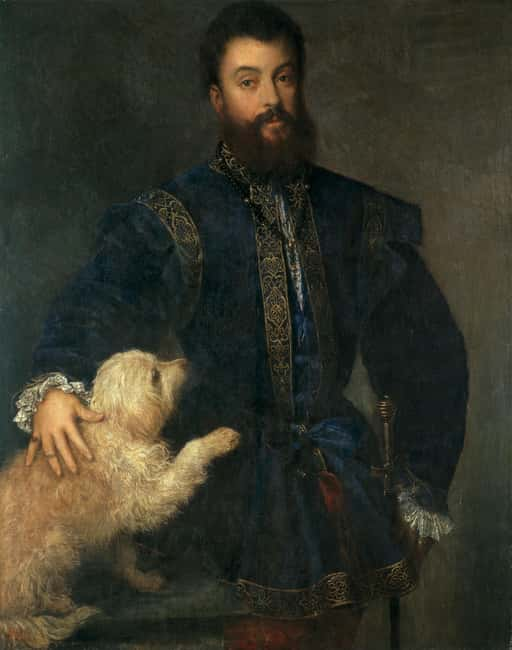
Palazzo Te was not built for dull government business. Duke Federico II Gonzaga created this country villa as a place for leisure, romance, private audiences, and elaborate visual tricks. The highlight is the Camera dei Giganti, where painted giants seem to collapse around you.
I like two things here: the tour focuses on the palace’s best rooms rather than wasting time, and guide Eleonora Scacchetti brings a personal, Italian-language explanation to Giulio Romano’s bold work. The main drawback is easy to miss: the $17 price covers the guide only. Your palace ticket costs extra.
Key points to know
- The Camera dei Giganti is the main event: Painted figures surround the room in a theatrical scene that rewards a slow look.
- This was a pleasure villa, not a normal palace: Its rooms reveal Duke Federico II Gonzaga’s private life and taste for spectacle.
- Giulio Romano’s workshop shaped the visit: You’ll see grand fresco cycles in the Sala dei Cavalli and Camera di Amore e Psiche.
- The tour is private and in Italian: It suits visitors comfortable with Italian and those who prefer a guide focused on their group.
- Budget for admission separately: The $17 fee does not include entrance to Palazzo Te.
- Plan on 1 to 1.5 hours: The activity is advertised as one hour, while the practical visit time is about an hour and a half.
Why Palazzo Te feels different from a formal palace
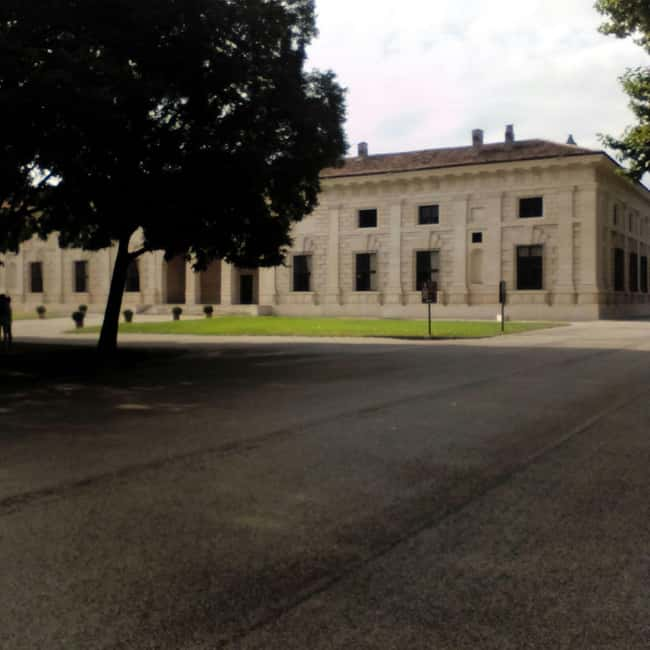
Palazzo Te sits in Mantua, in Lombardy, and its purpose was unusual from the start. Federico II Gonzaga commissioned it as a suburban villa for leisure and entertainment. This was a place to escape formal court life, enjoy private company, and display refined taste.
The connection with Isabella Boschetti gives the building an intimate thread. The palace was intended as a setting where the duke could freely live out his love story with her. That helps explain why the decoration is so personal, playful, and at times openly sensual.
You are not simply walking through rooms decorated with nice paintings. You are seeing a carefully staged world. Architecture, frescoes, myth, humor, and illusion work together to create an experience meant to surprise the duke’s guests.
The phrase lucid deceptions is a useful key to the palace. Giulio Romano and the artists in his workshop used painted architecture and dramatic scenes to confuse your sense of what is real. A wall may appear to open, a figure may seem to project into the room, and the ceiling can feel less like a surface than a stage.
That theatrical quality is what makes a guided visit worthwhile. Without context, you can still admire the colors and movement. With an explanation, you can better understand why the images are arranged as they are and how the palace was meant to affect the people inside it.
More palaces to tour around Italy:
- Venice: Doge’s Palace Reserved Entry Ticket
★ 4.6 · 42,716 reviews - Doge’s Palace & St. Mark’s Basilica with Terrace Access Tour
★ 4.7 · 10,697 reviews - Venice: Doge’s Palace and St Mark’s Basilica Walking Tour
★ 4.4 · 6,291 reviews
Meeting Eleonora at the Palazzo Te entrance
The meeting point is the entrance to Palazzo Te, so you do not need to arrange transport as part of this experience. You should arrive with comfortable shoes and clothing, especially if you plan to spend extra time looking closely at the frescoes before or after the guided portion.
The group is private, which changes the feel of the visit. You are not joining a large crowd with a fixed script. You can ask for clarification and keep the pace suited to your party, although the guide speaks Italian, and some content is presented in its original language.
Eleonora Scacchetti of Guidamica Mantova Guida Turistica leads the experience. The strongest praise attached to this tour focuses on her professionalism, competence, cordial manner, and willingness to explain. That matters in Palazzo Te, where a room can look spectacular but still leave you wondering what you are seeing.
The visit is wheelchair accessible. Pets are not allowed, except for assistance dogs. Flash photography and audio recording are also prohibited, so bring your phone or camera only for quiet, non-flash photographs where permitted.
The Sala dei Cavalli and the power of display
The Sala dei Cavalli, or Hall of the Horses, is one of the key stops. Its decoration reflects the Gonzaga family’s pride in horses, courtly display, and controlled magnificence. The room is a reminder that art in a Renaissance villa was not just decoration. It told you who owned the building and what kind of world that owner wanted to project.
Look at the scale. These rooms were designed to make visitors feel surrounded by the duke’s interests and status. The horses are not a small private detail tucked into a corner. They help turn the entire room into a declaration of power and taste.
A guide can also help you distinguish between the work of Giulio Romano and the contributions of his workshop. Romano, a student of Raphael, brought a more restless and inventive style to the villa. The result is less calm than the balanced beauty many people expect from Raphael’s circle.
You may find the Sala dei Cavalli easier to appreciate after hearing why it was created. If you simply hurry through, it can blur into a sequence of grand Renaissance rooms. Give yourself time to look at the relationship between the painted scenes, the architectural setting, and the duke’s image.
Camera di Amore e Psiche brings myth indoors
The Camera di Amore e Psiche, or Room of Cupid and Psyche, shifts the mood from public display to myth and pleasure. Its decoration draws on the story of Cupid and Psyche, a subject that allowed the artists to combine romance, drama, beauty, and sensuality.
This room fits the purpose of Palazzo Te especially well. Federico wanted a villa where entertainment and private life could take center stage. Mythological scenes gave him a sophisticated visual language for desire, love, and transformation.
The room also shows why a guided visit can be more useful than a quick independent walk-through. You can recognize Cupid and Psyche, but the guide can point out how the story relates to the room’s setting and the palace’s broader purpose.
Do not expect a quiet, restrained picture gallery. Giulio Romano’s approach is energetic and theatrical. Bodies twist, scenes unfold, and painted details compete for your attention. That may feel busy if you prefer simple compositions, but it is exactly the point. The room is meant to entertain.
Same royal city, another way in:
- Legendary Venice: Doge’s Palace, St Mark’s & VIP Terrace Access
★ 4.5 · 5,033 reviews - Florence: Palazzo Vecchio Entrance Ticket & Audioguide
★ 4.4 · 4,822 reviews - Florence: Entrance Ticket to Pitti Palace
★ 4.5 · 4,528 reviews - Venice: Doge’s Palace and St. Mark’s Basilica Tour
★ 4.5 · 3,734 reviews
The Camera dei Giganti turns painting into an event
The Camera dei Giganti is the room to save your attention for. It presents the fall of the giants, with the figures appearing to tumble around the viewer as the gods defeat them. The scene is not contained in a neat frame. It is designed to surround you.
This is where the palace’s lucid deceptions become most convincing. The painted architecture blurs the line between the actual room and the fictional scene. The walls and ceiling work together, so you feel less like someone looking at a fresco and more like someone caught inside the story.
The room was also used for private audiences by the duke. That gives it an extra layer of meaning. Imagine receiving a formal guest in a space where the gods are defeating the giants on every side. The decoration sends a clear message about power, order, and the consequences of challenging authority.
Take your time here. Stand still and let your eyes adjust to the full composition. Look up, then back toward the walls. The effect depends on the whole room, not on one famous painted figure.
This is also the point where a guide adds the most value. The room can seem chaotic at first. A clear explanation helps you follow the myth, notice the painted tricks, and understand why the design was so unusual for its time.
A compact visit with a clear artistic focus
The advertised duration is one hour, while the practical visit is described as about one hour and 30 minutes. Treat this as a compact guided visit rather than a long museum program. You will cover the principal rooms, but you should not expect every detail of Palazzo Te to receive equal attention.
That compact format can work well if you are building a day around Mantua. You get a focused look at the main frescoed spaces without giving up half a day. It also suits anyone who finds large museums tiring but wants more than a quick, unguided glance.
The private format gives you a chance to ask questions, but the tour remains in Italian. If you do not understand Italian, this is an important limitation, not a small footnote. Some original-language content may be shown, and the experience is best suited to people who can follow an Italian explanation.
The pace may also feel fast if you want to study every painted detail. Palazzo Te rewards lingering. If you are passionate about Renaissance art, consider arriving early or staying after the guided portion to look again at your favorite room, provided your admission allows it.
What the $17 price really covers
The price is $17 per person, but that amount pays for the guided visit only. Your entrance ticket to Palazzo Te is separate, and you must purchase it at your own expense. Transport and meals are also not included.
This makes the price reasonable only if you understand what you are buying. You are paying for a private Italian-language guide who can explain the palace’s visual ideas and point out details you might miss. You are not buying an admission bundle.
One disappointing experience came from discovering this extra admission cost only after booking. The problem was not the quality of the visit, which was described as very good, but the expectation that the booking covered the palace itself. Read the price details carefully before you commit.
For a visitor who values focused explanation, the fee can be worthwhile. For someone who is happy to read signs and explore at their own speed, the added cost may feel high, especially once the entry ticket is added.
The booking terms give you some flexibility. You can cancel up to 24 hours before the activity for a full refund, and you can reserve now and pay later. Those features help if your Mantua plans are still shifting, but they do not change the separate cost of palace admission.
Who will get the most from this visit
I would choose this tour if you enjoy art but do not want to spend hours preparing before you enter. Palazzo Te has enough visual drama to interest first-time visitors, while the guide can provide the background that makes the rooms easier to read.
It also suits couples and small private groups who want a more personal pace. The link between Federico II Gonzaga and Isabella Boschetti adds a human story to the palace, and the villa’s purpose gives the paintings a stronger connection to the people who commissioned them.
Families with older children may also find the Camera dei Giganti memorable. The room’s scale and dramatic action are easier to grasp than a long lecture on dates and artistic movements. Young children who cannot follow Italian, however, may get less from the guided explanation.
Art specialists should know what this is and what it is not. It is a concentrated visit to key spaces, not a complete course on Giulio Romano or Mantuan art. You will see important rooms and receive context, but the one to one-and-a-half-hour format places limits on detail.
The tour is less suitable if you need an English guide, want to bring a pet, or expect the entrance fee to be included. It is also not a good match for anyone who wants to record the guide’s talk, since audio recording is not allowed.
Practical advice before you go
Wear shoes that you can comfortably use for an hour or more. The tour does not call for special equipment, but comfortable clothing and footwear will make it easier to focus on the paintings rather than your feet.
Bring your ticket budget in addition to the $17 guide fee. Since the palace admission is not included, check the total cost before booking so there is no unpleasant surprise at the entrance.
A camera can be useful, but do not use flash. Audio recording is prohibited, and pets are not allowed except for assistance dogs.
Keep your expectations clear about language. Eleonora’s tour is in Italian, and some content appears in its original language. If you speak Italian, this is a direct way to experience the palace. If you do not, you should consider another language option if one is available for your date.
The activity is wheelchair accessible, which makes it a practical choice for many visitors with mobility needs. You should still confirm the current arrangements when booking if your party has specific access requirements.
Should you book the Palazzo Te tour?
Book it if you want the main artistic ideas of Palazzo Te explained in Italian, prefer a private group, and are especially keen to see the Camera dei Giganti. Eleonora Scacchetti’s professional and helpful approach is the strongest reason to choose this guided format.
Skip it if you need English, want a low-cost admission-only visit, or dislike paying separately for entry. The $17 price is for the guide, not the palace ticket.
For the right visitor, this is a smart, focused introduction to one of Mantua’s most unusual buildings. Just budget for admission, allow up to an hour and a half, and give the Camera dei Giganti the time it deserves.
FAQ
Where does the tour meet?
The meeting point is at the entrance to Palazzo Te.
How long does the visit last?
The activity is listed as one hour, while the visit itself is described as lasting about one hour and 30 minutes.
Is the entrance ticket included?
No. The entrance ticket to Palazzo Te is excluded and must be purchased separately.
What does the $17 price include?
The $17 price covers the guided visit to Palazzo Te. Transport, meals, and palace admission are not included.
What language is the tour in?
The live tour guide speaks Italian. Some content is shown in its original language.
Is the tour private?
Yes. The activity is offered for a private group.
Is Palazzo Te wheelchair accessible for this activity?
Yes. The activity is described as wheelchair accessible.
What should I bring and what is not allowed?
Bring comfortable shoes and comfortable clothing. Pets are not allowed, except for assistance dogs. Flash photography and audio recording are prohibited.
Fresh palace tours around Italy
- Foligno and the frescoes of Palazzo Trinci, a masterpiece of the Middle Ages – Private Tour★ 4.5 · 2 reviews
- Venaria Royal Palace and Gardens in Turin★ 4.0 · 12 reviews
- Tour of Doge’s Palace and Gondola Ride★ 4.5 · 60 reviews
- Full Venice Walking Tour: Doge’s Palace and St. Mark’s★ 4.6 · 32 reviews
- The places of the Medici family: the Palace and the Chapels★ 4.7 · 12 reviews
- St. Mark’s Basilica, Doge’s Palace & Glass Factory Tour★ 4.1 · 216 reviews
- Venice: St Mark’s Basilica and Doge’s Palace Private Tour★ 4.8 · 56 reviews
- Venice: Doge’s Palace and St. Mark’s Basilica Guided Tour★ 4.6 · 458 reviews
Italy Palace Tours: the shortlist.
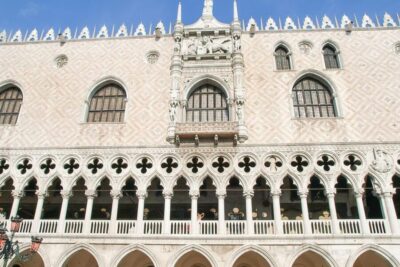
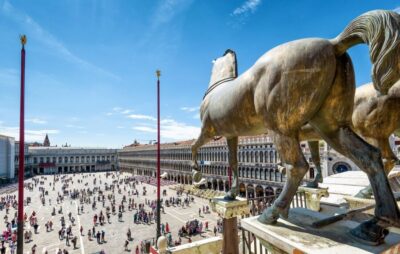
Doge’s Palace & St. Mark’s Basilica with Terrace Access Tour
Read our review →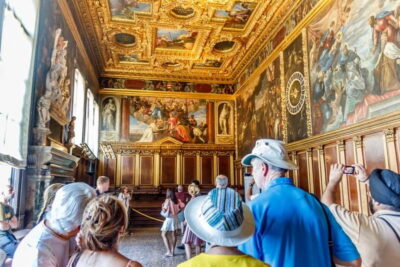
Doge’s Palace and St Mark’s Basilica Walking Tour
Read our review →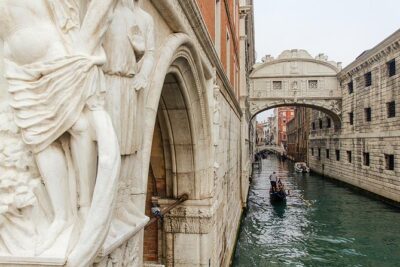
Legendary Venice: Doge’s Palace, St Mark’s & VIP Terrace Access
Read our review →
Venice In a Day: St Mark’s, Doges Palace Gondola Ride & City Tour
Read our review →
St. Mark’s Basilica & Doge’s Palace Tour with Ticket
Read our review →This visit also appears in