
Review · FRANCE
Avignon: Full-Day Wine Tour around Châteauneuf-du-Pape
Châteauneuf-du-Pape is the star, but this is not a one-winery tasting with a quick photo stop. Over nine hours, you move through several Rhône appellations, visit working cellars, taste generously, and sit down to a proper lunch with vineyard views. The small group size, capped at eight, makes the day feel personal.
I especially like the chance to compare Châteauneuf-du-Pape with Gigondas, Vacqueyras, or Séguret, and I like that the guide explains how to taste rather than simply handing you a glass. Guides including Thierry, Nico, Nicholas, David, Fred, and Brigitte have all been praised for their warmth, humor, and wine knowledge. The main caution is that the exact route can change: you may visit three or four appellations, not necessarily all four.
Key points
- Three or four Rhône appellations: Expect Châteauneuf-du-Pape, with Gigondas, Vacqueyras, or Séguret depending on the day’s pace.
- Small-group format: Transportation is shared by no more than eight participants, a useful size for questions and relaxed tastings.
- Cellar visits with real wine education: See barrels used for aging wine for up to 24 months and learn to assess color, aroma, and taste.
- A proper included lunch: The meal is served at a scenic countryside property, with several people praising the food and views.
- Strong guide element: Thierry, Nico, Nicholas, David, Fred, and Brigitte have each been singled out for clear explanations and good humor.
- A generous tasting day: Past itineraries have included reds, whites, and rosés, with some groups tasting 16 to 18 wines.
Why Châteauneuf-du-Pape makes a good full-day outing
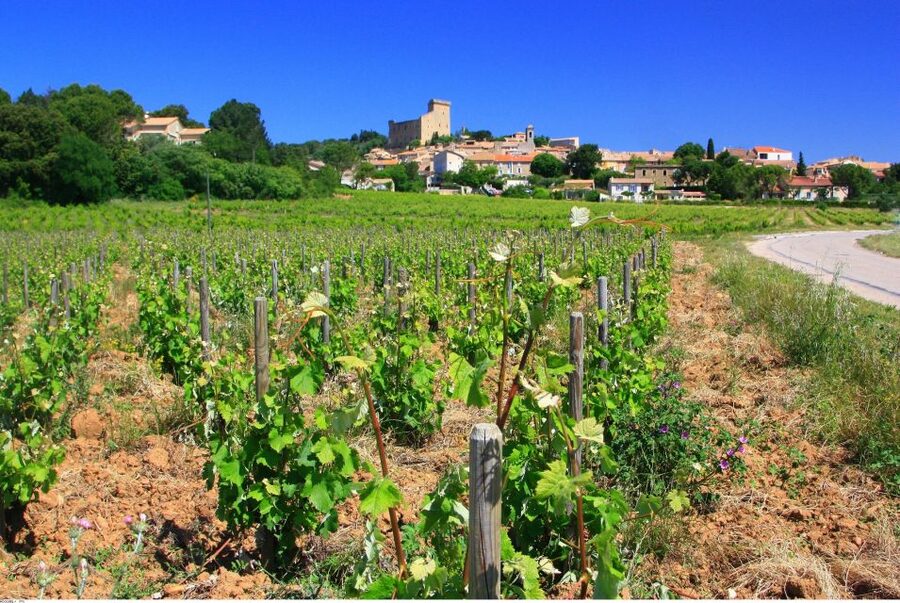
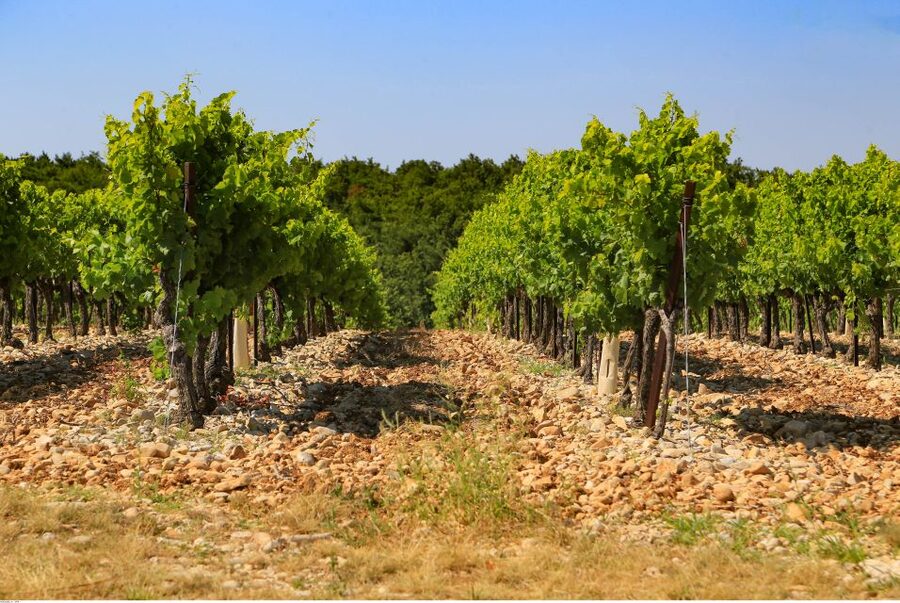
From Avignon, the Rhône wine country gives you a very different view of Provence. Instead of spending the day among city monuments, you head into vineyard country and see how village names, grape varieties, soil, aging, and local rules shape what ends up in your glass.
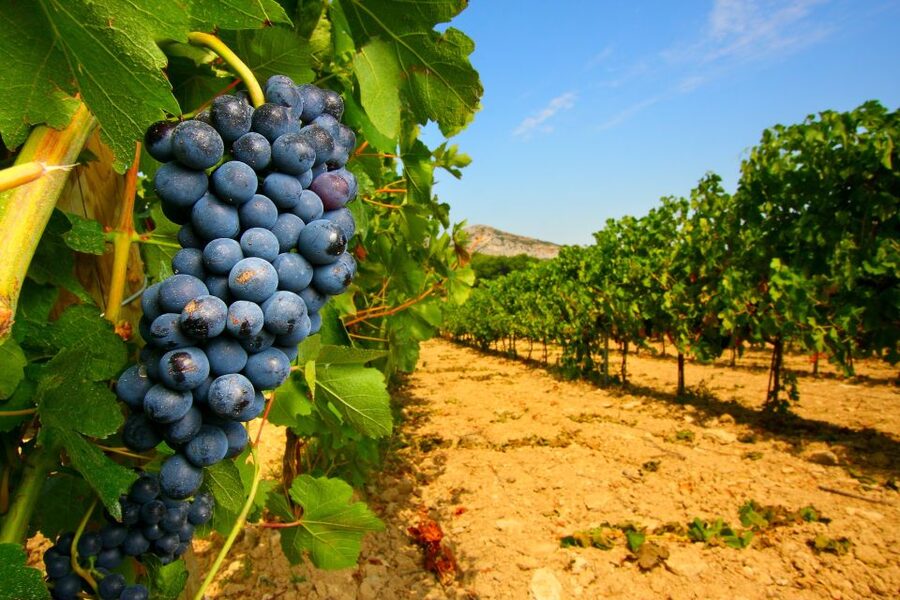
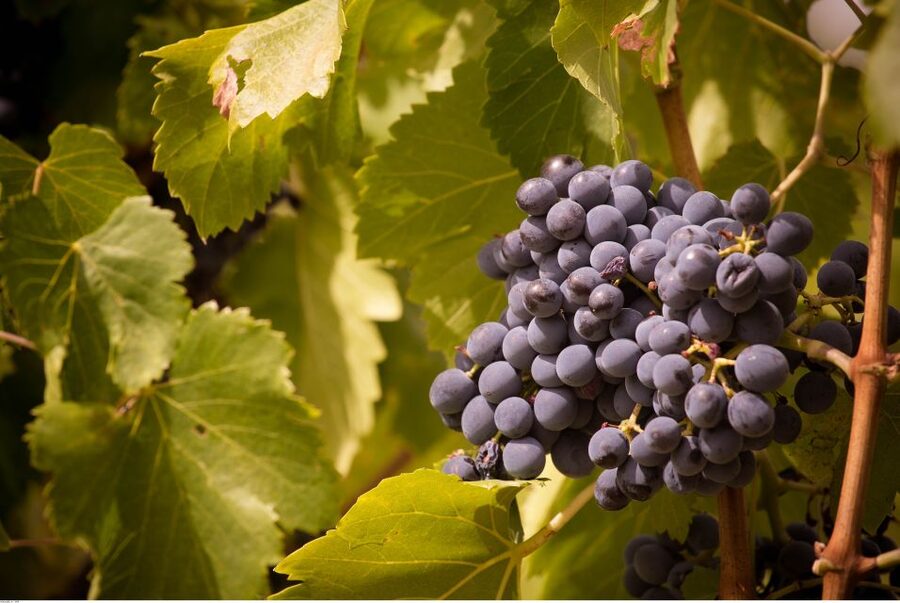
Châteauneuf-du-Pape is the best-known name here. The appellation is associated with blends led by grenache, syrah, and mourvèdre, grapes that can bring fruit, spice, body, and structure. The tour uses those wines as a starting point, then gives you comparisons from nearby areas.
That comparison matters. A bottle from Châteauneuf-du-Pape can taste quite different from one made in Gigondas or Vacqueyras, even though the villages are close together. You will hear about terroir, the permitted grapes, production rules, barrel choices, and the decisions that give each producer a distinct style.
I would choose this day if you want more than pretty vineyard photographs. You get enough explanation to understand why one wine feels lighter, another more peppery, and another more rounded. You do not need prior wine knowledge. Beginners are welcomed, while experienced wine drinkers still have plenty to compare.
More full days among the state rooms around Avignon:
- From Avignon: Luberon and Chateauneuf-du-Pape Full-Day Tour
★ 4.5 · 142 reviews - Avignon: Full-Day Châteauneuf du Pape Wines & Luberon Tour
★ 4.8 · 42 reviews - Versailles Full Day Bike Tour with Palace, Gardens, & Picnic
★ 5.0 · 2,217 reviews
The small van and the rhythm of the day
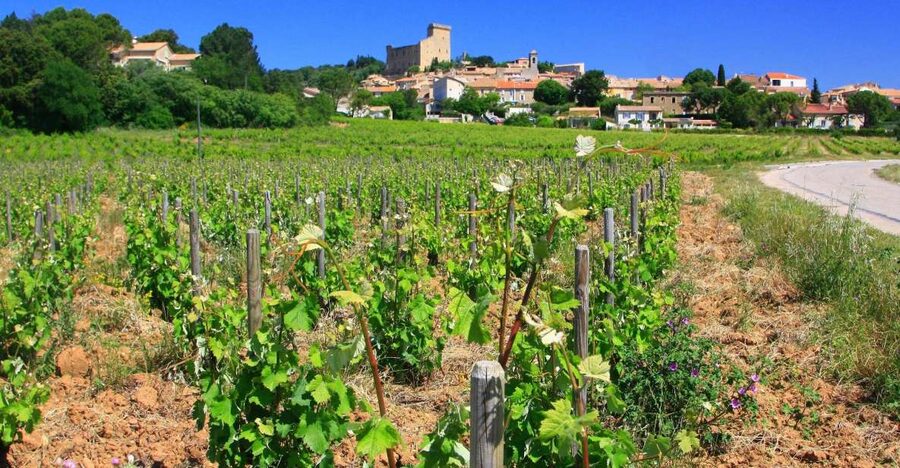
The tour lasts about nine hours, so the vehicle is an important part of the experience. Transportation and a driver are included, and the group limit of eight keeps the day more manageable than a large coach excursion.
A small group also helps at the wineries. You can ask about winemaking, storage, grapes, or tasting technique without trying to speak over a crowd. Guides such as Nico, Nicholas, Thierry, and David have been praised for answering questions clearly and adding local food suggestions at the end of the day.
The schedule is described as flexible enough to include three or four main appellations, depending on the pace. That wording is worth taking seriously. One group reached three wineries in two appellations because the cellar visits at Châteauneuf-du-Pape took time. That was not necessarily a bad trade, since the cellar tours added substance, but you should not book expecting a rigid checklist of four villages.
The route may also include a stop in Séguret or other attractive villages along the way. You are not simply driven from tasting room to tasting room. The journey gives the guide room to explain the area and point out places you might otherwise miss.
Touring the cellars and tasting like a pro
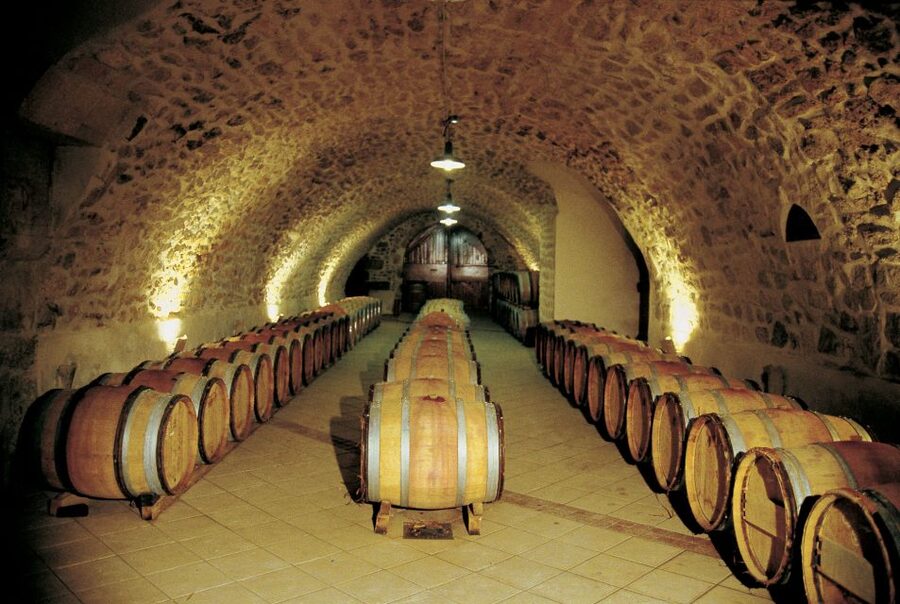
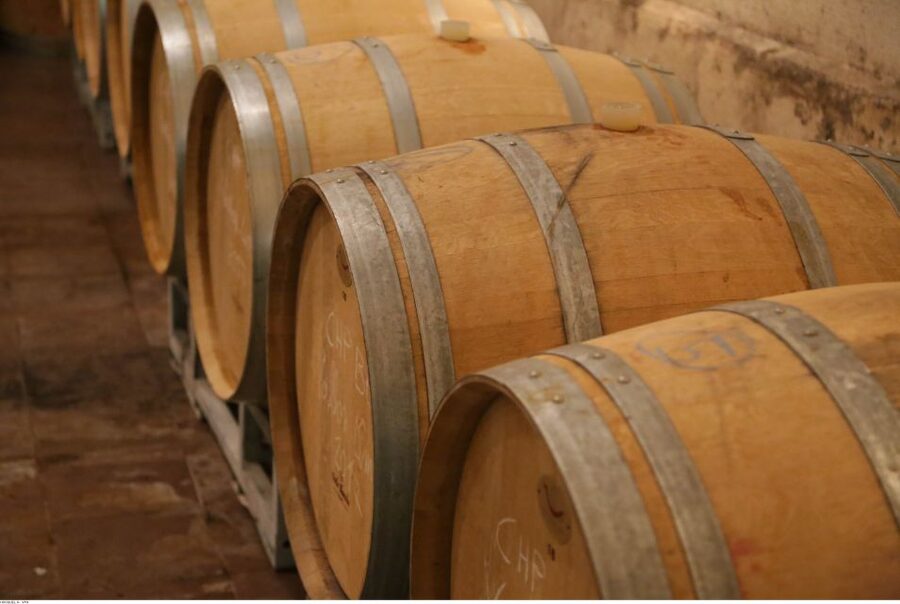
A highlight is the visit to a wine producer and its cellar. You can see the barrels used to age wine for as long as 24 months, then connect that storage process with what you taste in the glass.
The tasting lesson follows a simple order: look at the wine, smell it, and then taste it. This sounds basic, but it gives you a useful structure for the rest of your trip. You can notice color and clarity first, then fruit, spice, oak, or other aromas, and finally the balance and finish on your palate.
The most useful guides do not make this feel like a classroom. Nico has been praised for being funny and engaging while explaining wine production. David has been described as both entertaining and precise, with explanations of terroir, storage, barrel types, and the freedom producers have within appellation rules. Thierry has also been praised for matching suggestions to individual tastes.
The wineries themselves are not all presented as identical. Some visits focus on a broad introduction to the area. Others offer older cellars, personal stories, or a closer look at production. That variety is a strength. You get a better sense of the people and methods behind the label instead of receiving the same presentation three times.
You can expect generous pours, so pace yourself. Past groups have tasted around 16 to 18 wines, including red, white, and rosé styles. Even if the exact number changes, this is a serious tasting day, not a single glass at lunch.
Châteauneuf-du-Pape, the main event
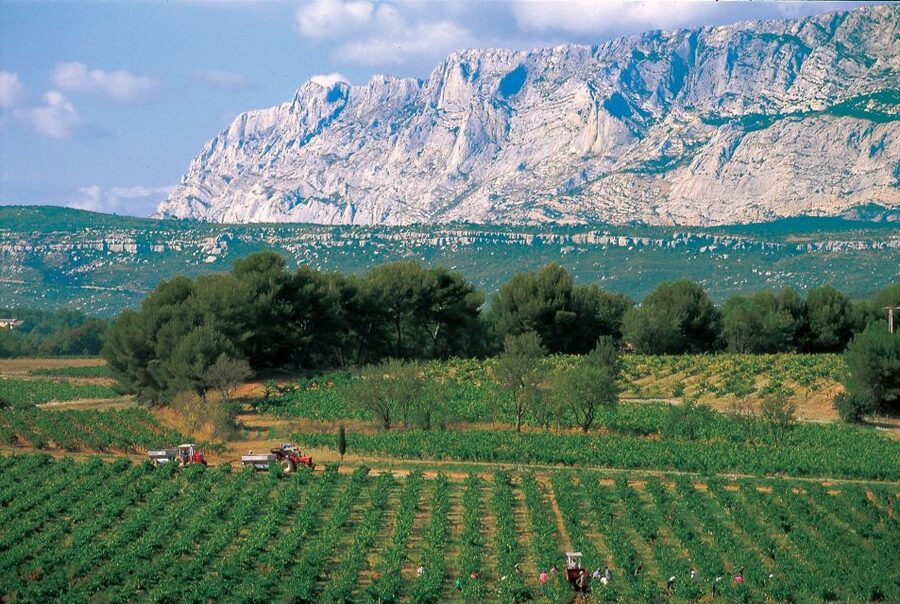
The Châteauneuf-du-Pape stops are likely to be the most memorable part of the route. You may visit two producers there, tour cellars, and taste several wines from the appellation.
A useful feature of the visit is that you can see both the famous name and the work behind it. The guide can explain the role of grenache, syrah, and mourvèdre, while the winery staff show how the wine is stored and prepared. At some stops, the setting is old and atmospheric; at others, the focus is more firmly on the bottles and production.
There may also be time to see the ruins associated with Châteauneuf. One guide gave a group an explanation of the village’s history and culture alongside the wine tasting. That adds welcome context, since the area is not just a collection of vineyards with a famous label.
The drawback is that Châteauneuf-du-Pape attracts attention for good reason, so this part can take longer than planned. If you care most about visiting several appellations, tell yourself that a detailed Châteauneuf stop may replace another village. If you care most about learning and tasting, the extra time can be worthwhile.
Same royal city, another way in:
- Chateauneuf du Pape wine tour
★ 5.0 · 484 reviews - From Avignon: Châteauneuf du Pape Half-Day Wine Tour
★ 4.7 · 365 reviews - Châteauneuf du Pape Wine Day Tasting Tour including Lunch from Avignon
★ 5.0 · 287 reviews - Avignon: City Walking Tour with Popes Palace Entry
★ 4.7 · 193 reviews
Comparing Gigondas, Vacqueyras, and Séguret
The tour may continue to Gigondas, Vacqueyras, or Séguret, with the precise combination shaped by the day. These names are valuable because they put Châteauneuf-du-Pape into a wider Rhône context.
Gigondas and Vacqueyras are useful comparison points for anyone who wants to understand how nearby appellations differ. Séguret adds a village visit and a change of setting, and several itineraries have included a stop there on the way to the tastings.
Do not assume every departure includes all three. The experience promises three or four main appellations, and the schedule can change with cellar visits and tasting appointments. I would treat the route as a well-planned regional sampler rather than a guaranteed tour of every named village.
That flexibility may also improve the day. A slow, attentive visit at two Châteauneuf producers can be more rewarding than rushing through four places. The best guides use the available time to keep the group comfortable and the explanations clear.
Lunch with views instead of a rushed sandwich
Lunch is included, and it appears to be a real meal rather than an afterthought. The setting has been described as a countryside hotel, château, or restaurant with views over vineyards and rolling hills. The exact property can vary, but the consistent point is that you get a scenic pause in the middle of a long tasting day.
I like this arrangement because wine tours can become tiring when every stop involves standing, listening, and tasting. A proper meal gives you time to sit down, eat, and reset before the afternoon visits.
Several guides have been praised for selecting a delicious or even gourmet lunch. One group found the food much better than expected, while another described the setting as spectacular. One useful criticism is that some diners wanted more time at lunch and would have liked a wine pairing included with the meal.
That is a fair point. The tour includes lunch and wine tastings, but the details of a specific wine served with the meal are not guaranteed. If lunch matters as much to you as the wineries, ask the guide what is planned when the day begins.
The guides make a real difference
This is a guide-led experience, not just transportation with winery appointments. The guide sets the tone, explains the region between stops, handles the timing, and helps you make sense of wines that may otherwise seem similar.
Thierry has been praised for his understanding of Châteauneuf-du-Pape and the wider Côtes du Rhône area. He has also helped match wine suggestions to different palates. Nico and Nicholas are repeatedly described as warm, funny, engaging, and highly informed about winemaking and tasting.
David receives similar praise for combining local background with practical wine instruction. Fred has been noted for explaining terroir and the winemaking process in clear terms. Brigitte has been praised for careful planning and enthusiasm, including a day that worked well for a family with teenagers.
Guide assignments can change, so you cannot count on a particular person. Still, the range of strong guide feedback suggests that the operator puts real weight on the human side of the experience. If you have questions, ask them. This tour is built to benefit from conversation.
Who should book this wine tour
I would recommend it most strongly to:
- First-time visitors to the Rhône wine region
- People who want structured learning without a formal wine course
- Couples and small groups who prefer a personal day in the countryside
- Food lovers who value a proper lunch as part of the outing
- Experienced wine drinkers who want to compare several appellations
- Visitors without a car who want to reach Châteauneuf-du-Pape from Avignon
You do not need to know how to taste wine. The guides explain the basics and make room for questions. The tour also suits mixed-ability groups, since a beginner can learn the vocabulary while a more experienced drinker compares producers and vintages.
It is less suitable if you want to explore at your own pace, avoid alcohol, or spend the whole day visiting historic sites. Pregnant women are specifically listed as not suitable for the activity. Children under 18 may attend only with the understanding that they cannot drink the wines.
Pack a passport or identity card. Pets, luggage, and large bags are not allowed, so this is not a convenient choice on the day you are changing hotels with full suitcases.
Is the $188 price good value?
At $188 per person, the price is not cheap, but it covers a lot for a nine-hour day. You receive transportation, a driver, a guide, lunch, wine tastings, and visits to three or four wineries.
The value improves if you compare it with the cost and effort of arranging the same day yourself. You would need to organize a vehicle, avoid driving after tastings, make winery appointments, find a lunch reservation, and work out the route between several appellations. The tour bundles those pieces into one day.
The small group also matters. A group of eight is large enough to create a social atmosphere but small enough for direct questions. The high transport score and 4.9 rating from 83 ratings support the view that the day is generally well run, though they do not remove the possibility of a route change or a less impressive lunch on a particular departure.
The biggest value is educational. If you only want to drink wine, a shorter tasting may cost less. If you want to understand why these appellations differ and see how wine is made, the full day earns its price.
Free cancellation up to 24 hours before departure and the reserve-now, pay-later option also make the booking less rigid. Check the available start time before committing, since the tour fills most of a day.
The final call
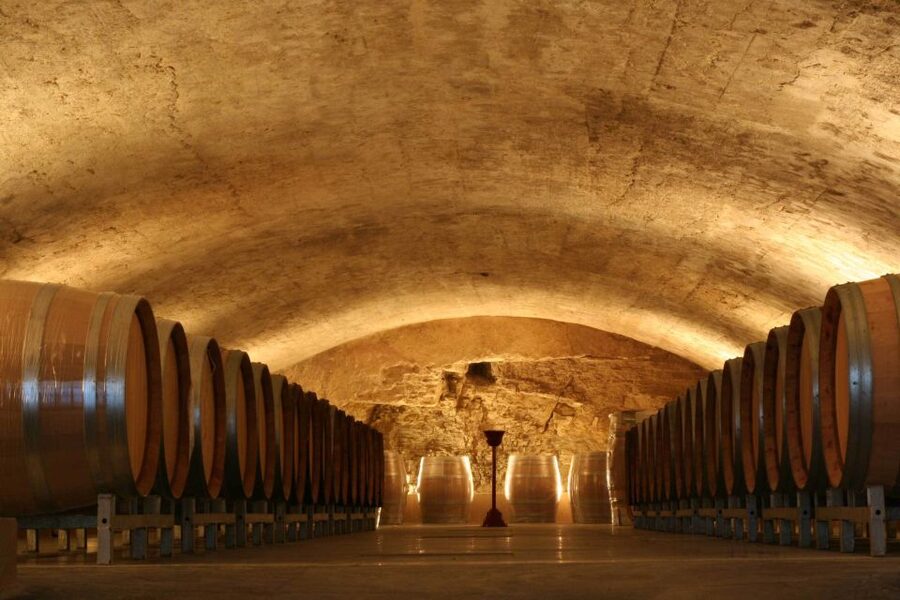
Book this tour if you want a guided introduction to Châteauneuf-du-Pape with enough time for nearby appellations, cellar visits, and a sit-down lunch. The strongest reasons are the small group, generous tastings, scenic meal, and guides who can make technical wine details easy to follow.
Skip it if you need a guaranteed visit to all four named areas, want a short tasting, or prefer to plan every winery yourself. For most visitors based in Avignon, though, this is a practical way to reach the Rhône vineyards without driving, and it gives you much more than a famous name on a bottle.
FAQ
How long does the wine tour last?
The tour lasts nine hours, including transportation, winery visits, tastings, and lunch.
Where does the tour take place?
The experience begins from Avignon and visits wine areas around Châteauneuf-du-Pape. Depending on the route and pace, it may also include Gigondas, Vacqueyras, and Séguret.
How many wineries will I visit?
You will visit three or four wineries. The exact number and combination of appellations can depend on the pace of the day.
Is lunch included?
Yes. Lunch is included in the price. The meal takes place at a countryside property or restaurant, and the setting may include views of vineyards and rolling hills.
What wines will I taste?
The tasting may include red, white, and rosé wines. The region is known for grapes including grenache, syrah, and mourvèdre.
How large is the group?
The tour is limited to eight participants, making it a small-group experience.
Which languages are available?
The live guide is available in English or French.
Can I cancel the booking?
You can cancel up to 24 hours in advance for a full refund. A reserve-now, pay-later option is also available.
Fresh palace tours around Avignon
- Wine Tasting Tour at Châteauneuf du Pape★ 5.0 · 36 reviews
- Visit of the cellars of Château Gigognan with tasting★ 5.0 · 3 reviews
- Wines from Châteauneuf-du-Pape and surrounding areas in 1/2 day★ 5.0 · 96 reviews
- 8 Hours Group Tour in Châteauneuf du Pape★ 5.0 · 10 reviews
- Morning Wine Tour to Chateauneuf du Pape from Avignon★ 4.5 · 70 reviews
- Châteauneuf du Pape Wine Day Tasting Tour including Lunch from Avignon★ 5.0 · 287 reviews
- Highlights of Provence : Chateauneuf du Pape & Luberon★ 4.5 · 189 reviews
- In Depth Chateauneuf du Pape★ 5.0 · 16 reviews
France Palace Tours: the shortlist.
Versailles Palace and Gardens Full Access Ticket
Read our review →
Skip-the-Line Tour of Palace and Gardens Access
Read our review →
Versailles Palace & Gardens with Transportation
Read our review →
Skip-the-Line Guided Palace Tour and Full Access
Read our review →
Versailles Palace Guided Tour & Gardens Access
Read our review →
Versailles Palace and Gardens Tour from Paris
Read our review →
Versailles Palace Bike Tour with Market & Marie-Antoinette hamlet
Read our review →
Versailles Palace Guided Tour with Reserved Entry
Read our review →This visit also appears in