
Review · PALACES WORLDWIDE
Addis Ababa +Mount Entoto View Point,Museums Palace Market Tours
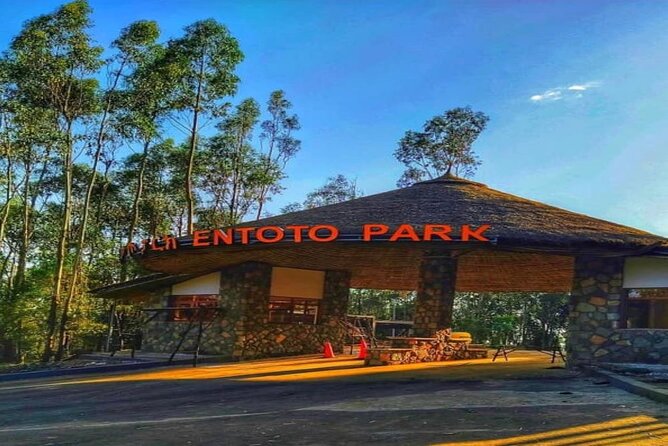
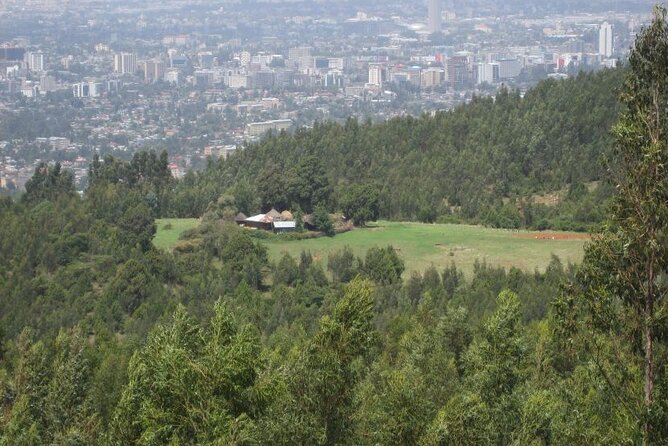
At 3,200 meters, Mount Entoto gives you the best quick look at Addis Ababa from above. The road climbs through eucalyptus forest and highland settlements to Menelik II’s former headquarters, then drops back into the city for Lucy, local textiles, coffee, monuments, and honey.
I like the way this tour mixes major sights with everyday Addis Ababa. The National Museum gives the day real purpose, while Shiro Meda Market and Tomoca Coffee bring you closer to local shopping and Ethiopia’s coffee culture. The main drawback is pace: four to six hours is enough for highlights, but not enough for long museum visits or unhurried market browsing.
Key points at a glance
- Entoto Hill reaches about 3,200 meters: Expect cooler air, eucalyptus trees, steep roads, and broad views over Addis Ababa when the weather is clear.
- Menelik II’s palace adds historical context: You see the former base of the emperor associated with the founding of modern Addis Ababa.
- Lucy is the museum centerpiece: The National Museum holds the famous Australopithecus afarensis fossil along with objects from earlier Ethiopian civilizations.
- Shiro Meda is a practical shopping stop: Look for handwoven cotton clothing, scarves, linens, jewelry, and small gifts, and be ready to bargain.
- Coffee is treated as culture, not just a drink: Tomoca serves Ethiopian coffee and macchiato, with roasted or ground beans available to take home.
- The tour works well for a short Addis stay: Airport and hotel pickup, a maximum group size of 15, and a flexible route make it useful for a first visit or a long layover.
Why Entoto Hill is the right place to begin

I like starting above the city. The climb toward Entoto takes you from the busy capital into a cooler highland setting, where eucalyptus trees cover much of the mountain and homes and small villages line the road.
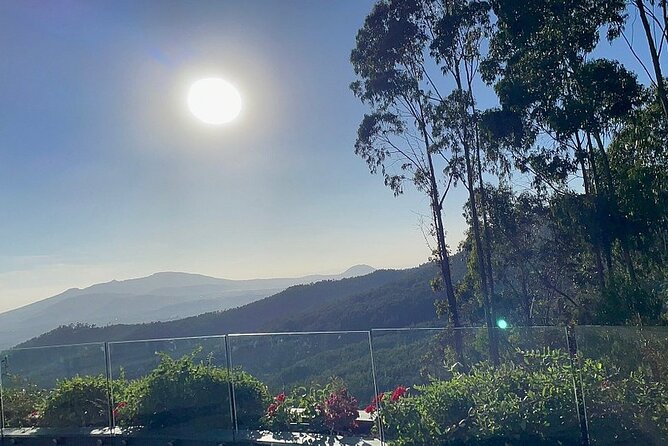
On a clear day, the top gives you a wide view of Addis Ababa and the countryside around it. Weather matters here. During the rainy season, clouds can cover the view, so you should treat the mountain as a cultural and environmental stop even if the panorama disappears.
Entoto is not only a viewpoint. Menelik II used the mountain as a permanent camp and built his palace here after coming from Ankober. The mountain is also regarded as sacred and is associated with churches and monasteries, including Saint Mary and Saint Raguel.
The supplied timing allows about 35 minutes at Mount Entoto, which is enough for a look around and photographs. It is not enough for a long walk through the forest or an extended stop at every religious site. If the view is your main goal, ask your guide to allow extra time when traffic and daylight make that possible.
One cost needs careful attention. The general tour information says the Entoto Park entrance fee is not included and gives a price of $9 per person. Other attraction fees, including the Menelik palace and Saint Mary church, are described as included. Confirm the park charge before you go so the final cost is clear.
More market visits around the world:
- Versailles Palace Bike Tour with Market & Marie-Antoinette hamlet
★ 5.0 · 2,680 reviews - Versailles Bike Tour with Market, Gardens & Guided Palace Tour
★ 5.0 · 1,121 reviews - Seoul: Palace, Temple and Market Guided Foodie Tour at Night
★ 4.9 · 750 reviews
Menelik II’s palace and Saint Mary
The palace stop gives the mountain a human story. This was where Menelik II lived and worked while establishing Addis Ababa, and it helps explain why Entoto matters beyond its altitude.
The visit lasts about an hour. That is a useful amount of time for the palace and Menelik Museum, particularly if you want your guide to explain the setting rather than rush you through rooms and objects.
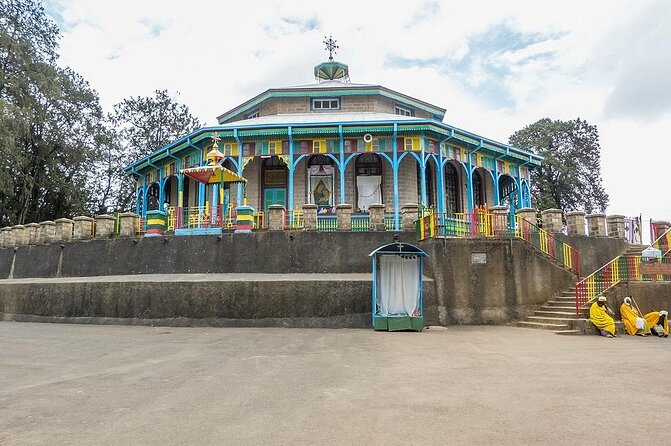
Saint Mary, also known as Entoto Maryam Cathedral, is another important stop near the top of the mountain. The tour includes admission to the church and palace areas, according to the provided details. Dress and behave respectfully at religious sites, and listen carefully if your guide explains local customs.
The eucalyptus forest is part of the story too. Trees were brought from Australia during Menelik II’s reign and were planted in larger numbers during Haile Selassie’s reign. The forest supplies firewood and once provided building material for Addis Ababa, so it is tied to the city’s daily life as well as its appearance.
Shiro Meda for Ethiopian textiles
On the way down, Shiro Meda Market changes the tone of the day. This is a local shopping area near the US Embassy, known for Ethiopian textiles in many forms, including wedding clothing, cotton garments, linens, scarves, bed covers, and tablecloths.
I would save a little energy and attention for this stop. The visit is planned for about 35 minutes, which works for browsing and buying a few gifts, but you will not have time to examine every stall in detail.
Look for handwoven cotton clothing decorated with embroidery, along with scarves, shirts, necklaces, earrings, and other small items. The market is especially noted for clothing made for women and men, so it is more useful than a stop limited to tourist souvenirs.
Bargaining is expected. Start politely, compare a few items, and do not feel pressured to buy the first thing you see. The value here is not only the object itself. You are also seeing a living market where Ethiopian cloth traditions are sold for local use and for visitors taking pieces home.
The National Museum and the story of Lucy
The National Museum of Ethiopia is the intellectual center of the tour. It contains archaeological material from pre-Axumite civilization and many other objects, but the best-known exhibit is Lucy, or Dinkinesh, whose name means you are wonderful in the local language.
Lucy is a 3.5-million-year-old Australopithecus afarensis fossil. Her discovery in 1974 changed ideas about human development by showing that an early human ancestor walked upright much earlier than previously believed.
You have about 45 minutes here. That is enough to see the main exhibits and Lucy, especially with a guide pointing out what matters. It is not a full museum visit. If archaeology is your main interest, you may want to ask at the start whether the schedule can give the museum more time.
The museum is one reason this tour offers better value than a simple city drive. You are not only collecting photographs. You are getting a concise introduction to Ethiopia’s place in human history and to the civilizations that developed here before modern Addis Ababa.
More shopping stops around the world:
- Grand Palace, Damnoen Floating Market & Maeklong Market Tour
★ 4.8 · 173 reviews - Crete: Knossos Palace, Heraklion City, Market Guided Tour
★ 4.2 · 164 reviews - Tipu Palace + Koté Vishnu + Fort + KR Market + Jain Temple = Bengaluru Pété Walk
★ 5.0 · 150 reviews - Seoul: Nighttime Tour of Palace, Market, Naksan Park & More
★ 4.9 · 143 reviews
Monuments that explain modern Addis Ababa
Several short stops add political and national context. The Tiglachin Monument, also called the Derg Monument, remembers Ethiopian and Cuban soldiers involved in the Ogaden War.
The monument includes a central statue, a 50-meter pillar, wall reliefs, and squares showing portraits of Cuban soldiers. Some sculptures were donated by North Korea in 1984. You have about 20 minutes here, so expect an outdoor orientation and photographs rather than a long historical lecture.
The Yekatit 12 memorial at Sidist Kilo Square marks the Italian war crime and pogrom carried out from February 19 to 21, 1937. Its name comes from Yekatit 12, the date in the Ethiopian calendar. This stop is brief but important, since it introduces a difficult part of Ethiopia’s twentieth-century history.
The Lion of Judah connects the capital with the Ethiopian monarchy and with Emperor Haile Selassie. The symbol comes from the biblical tribe of Judah and is also used in connection with Jesus Christ and the Ethiopian royal tradition.
Menelik II Square, with its equestrian statue of the emperor, provides another central city landmark. It is a public gathering place, especially during religious and national holidays. These stops are short, but taken together they prevent the tour from becoming only a series of scenic overlooks and shopping stops.
Tomoca Coffee, Ethiopia in a small cup
Tomoca Coffee is one of the most enjoyable short stops because it brings Ethiopia’s coffee reputation into a real place. You can smell roasted Ethiopian Yirgacheffe coffee, order a coffee or macchiato, and buy beans or ground coffee as a souvenir.
The stop lasts about 15 minutes. That is enough for a cup and a quick purchase, not a full traditional coffee ceremony. The tour information also refers to frankincense and Ethiopian coffee ceremony traditions, so ask your guide what is available on your particular visit.
Ethiopia is widely associated with coffee, and this stop gives you an easy way to taste that connection rather than only hearing about it. If you buy coffee, consider asking whether the beans are roasted or ground and how you should prepare them at home.
This is also a good place to pause after the museum and monuments. The schedule is active, and a short drink break can make the second half of the outing easier.
Lunch and Ethiopian flavor
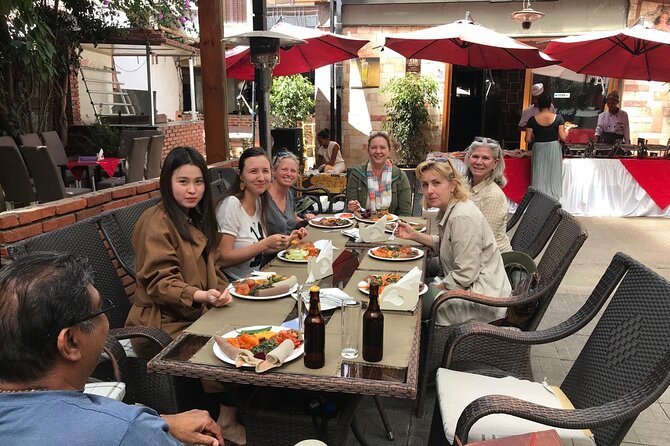
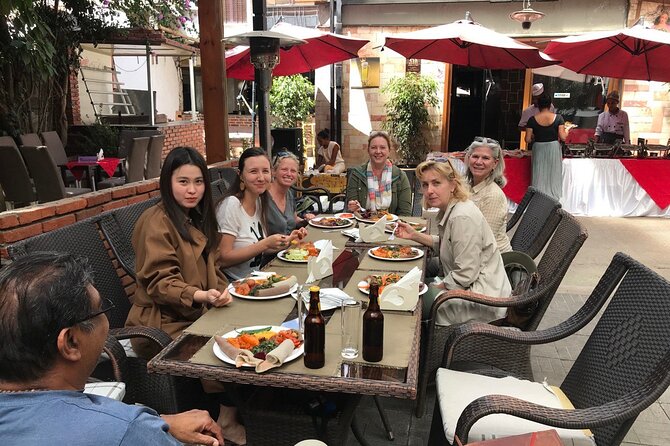
Lunch is planned at the Addis Ababa Restaurant, described as being in downtown Silver Spring. The dining room has murals and lamps showing Ethiopian cultural and historical subjects, including angels from Debre Birhan Selassie Church and a painting of the Queen of Sheba with King Solomon.
Lunch is not included in the tour price, and alcoholic drinks are also extra. Bring that into your budget before booking. The meal is one of the parts that can make the day feel more personal, but the exact food and cost are not specified, so ask your guide or the operator for current details.
The tour information explains that Addis Ababa means New Flower in Amharic. The city was founded in 1886 and is home to more than five million people. Its population includes Amhara, Oromo, Gurage, Tigray, and other communities.
That short background matters. Addis Ababa is not simply a base for visiting Ethiopia’s ancient sites. It is a large, mixed capital with its own political, religious, and commercial life. A local meal helps you see the city as a place where people live, not just a collection of monuments.
A final taste of Ethiopia at the honey shop
The last stop is Safi Honey in the Bole area, near Flamingo and opposite the Hyatt Regency Hotel. The shop offers raw Ethiopian honey, different flavor styles, and infused products.
You have about 10 minutes here. It is a quick stop for tasting and shopping, not a full food tour. If you like edible souvenirs, honey is easier to pack than many textile items, though you should check your airline and destination rules before carrying food products.
The shop is also useful if you want a final, simple gift. The range is described as including both strong and delicate flavors, so you can ask for help choosing instead of buying blindly.
Price, timing, and what the $65.55 covers
At $65.55 per person, the tour offers solid value if you want transport, a guide, and several admissions in one half-day outing. Airport or hotel pickup and drop-off are included, as are air-conditioned transport, onboard Wi-Fi, taxes, handling charges, Menelik palace admission, Saint Mary church admission, the Menelik Museum, and the Entoto viewpoints.
The value is strongest for a short stay. One booking described a pickup at Bole Airport and a schedule suited to a solo visitor with limited time. You can see a mountain viewpoint, palace, museum, market, monuments, coffee shop, and honey shop without arranging each ride yourself.
The price does not cover lunch, alcoholic drinks, tips, or the Entoto Park fee of $9 per person if you enter the park. Those extras do not ruin the value, but they make the advertised price less than the full amount you may spend.
The tour takes about four to six hours. The planned stop times total roughly four hours and 40 minutes before traffic and driving time, so the length can vary. Addis Ababa traffic is a practical reason not to schedule a tight flight immediately after the tour unless the operator confirms the timing.
The maximum group size is 15. That is small enough for a guide to handle questions, though it may feel less personal than a private tour. The itinerary is described as flexible, so tell the guide if the museum, market, religious sites, or coffee matter most to you.
Who will get the most from this tour
I would choose this experience for a first visit, a long airport stop, or a short stay in Addis Ababa. It gives you a useful first map of the city and introduces several parts of Ethiopian life without requiring a full day.
It also suits solo visitors who want a planned route and pickup. The experience is open to most people, and service animals are allowed. The mountain roads and altitude may matter if you are sensitive to high elevations, but no special fitness requirement is stated.
You should choose something slower if you want long museum hours, serious shopping time, or a detailed exploration of every church and monument. The schedule is designed for breadth. You see many places, but most stops are brief.
The guide can make a major difference. Yonas is specifically praised for being personable, engaging, well informed, and good at adjusting the day to individual interests. He is not guaranteed, so ask whether he will lead your tour if that matters to you.
Should you book this Addis Ababa tour?
Book it if you want a practical first look at Addis Ababa with airport or hotel pickup, a mountain viewpoint, Ethiopia’s most famous fossil, and a few authentic shopping and food stops.
I would be especially comfortable recommending it for a short visit because the route combines scenery, archaeology, religion, politics, coffee, textiles, and local products. Just confirm the Entoto Park fee, leave room in your budget for lunch and tips, and accept that clear weather is not guaranteed at the summit.
Free cancellation is available if you cancel at least 24 hours before the start time. That gives you some protection while planning, but changes or cancellations made later are not accepted for a refund.
FAQ
How long does the Addis Ababa tour last?
The experience lasts approximately four to six hours. The exact length can vary because of traffic, the time spent at each stop, and the flexible itinerary.
What is the price per person?
The listed price is $65.55 per person.
Is hotel or airport pickup included?
Yes. Airport and hotel pickup and drop-off are included.
Is lunch included in the tour price?
No. Lunch at the Addis Ababa Restaurant is not included.
Is the Entoto Park entrance fee included?
No. The provided information lists the Entoto Park fee as $9 per person if you choose to enter the park.
Which admissions are included?
The tour includes admission fees for Menelik Palace, Saint Mary church, the Menelik Museum, and the Mount Entoto viewpoints. It also lists all attraction fees as included, but the separate Entoto Park charge is specifically excluded.
Will I see Lucy at the National Museum?
Yes. The National Museum visit includes the 3.5-million-year-old fossil known as Lucy, or Dinkinesh.
How large can the group be?
The maximum group size is 15 people.
Can the itinerary be adjusted?
Yes. The experience is described as flexible and tailored to your interests. Tell your guide which sights matter most to you.
Can I cancel for a full refund?
Yes, if you cancel at least 24 hours before the experience start time. Cancellations or changes made less than 24 hours before the start time are not refunded.
More palace museums around the world
- Venice’s Best: Basilica, Doge’s Palace, Gondola & History Gallery
★ 4.5 · 2,478 reviews - Royal Palace & Prado Museum Skip the Line Guided Tour
★ 4.5 · 1,347 reviews - Venice: City Pass with Museums including Doge’s Palace
★ 4.1 · 1,020 reviews - The Hague: Escher in The Palace Museum Ticket
★ 4.6 · 896 reviews
Fresh palace tours around the world
- Bangkok Private Grand Palace Emerald Buddha and Reclining Buddha★ 4.5 · 2 reviews
- Bangkok Markets, Palaces and Temples Excursion★ 5.0 · 8 reviews
- Bangkok Two Temple Tour: Wat Pho, Emerald Buddha & Grand Palace★ 5.0 · 4 reviews
- Bangkok Royal Road – Top 3 Major Monuments (Grand Palace, Wat Pho, Wat arun)★ 4.5 · 111 reviews
- Bangkok Grand Palace and Emerald Buddha Tour★ 4.0 · 91 reviews
- Bangkok’s Landmarks Tour : GrandPalace WatTraimit WatPho WatArun★ 5.0 · 8 reviews
- Bangkok Grand Palace & Emerald Buddha Flexible Entry with Audio★ 3.5 · 3 reviews
- Private Tour: Grand Palace,Wat Phra Kaew, Museum&Cooking Class★ 5.0 · 7 reviews