
Review · CAIRO
Cairo Heritage Tour: Golden Palace, Oldest Mosque with Lunch
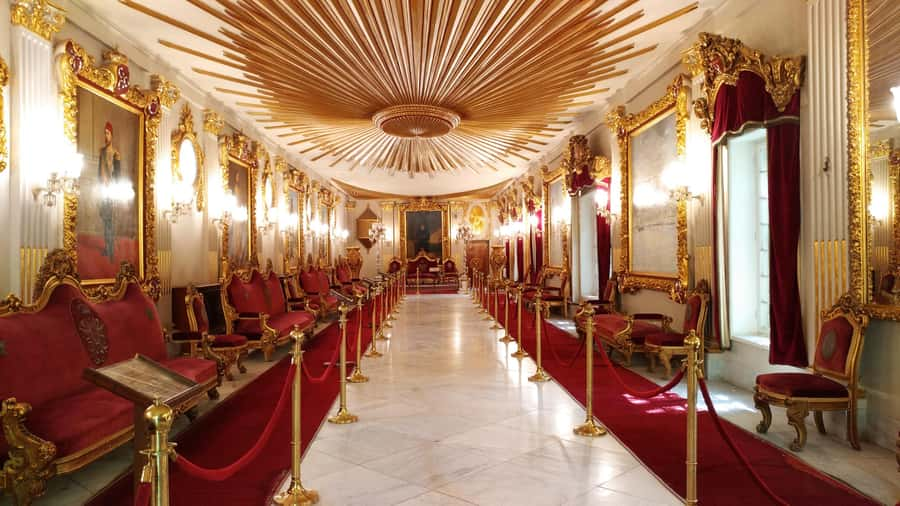
Cairo’s grand sights often steal the spotlight, but this half-day tour takes you to three places with a quieter, more personal feel. You’ll see the lavish Mohamed Ali Palace, climb the spiral minaret at Ibn Tulun Mosque, and enter the wonderfully unusual Gayer-Anderson Museum.
I like the strong mix of royal luxury and everyday history. I also like that entry tickets, hotel transfers, bottled water, and lunch are included, so the $63 price covers more than just a guide and a ride. Guides such as Nashwa, Fatma, and Nadia have led this experience, with Nadia earning particular praise for clear explanations and attention to a multigenerational family.
The main consideration is the tight five-hour schedule. You get about an hour at each major site, and an earlier description of the outing caused confusion about Khan el-Khalili, which is not part of the listed route. If that market is essential to your plans, confirm the stops before booking.
Key points to know before booking
- Mohamed Ali Palace offers royal interiors: Expect gold leaf, marble, European artwork, Ottoman design, and gardens.
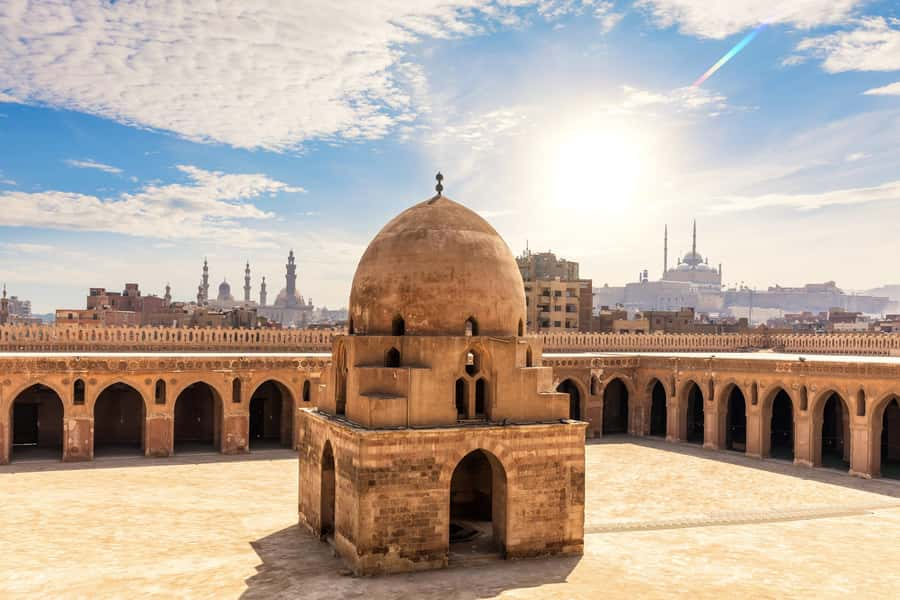
- Ibn Tulun Mosque provides the main physical highlight: Its wide courtyard and climbable spiral minaret bring Cairo’s old Islamic quarter into view.
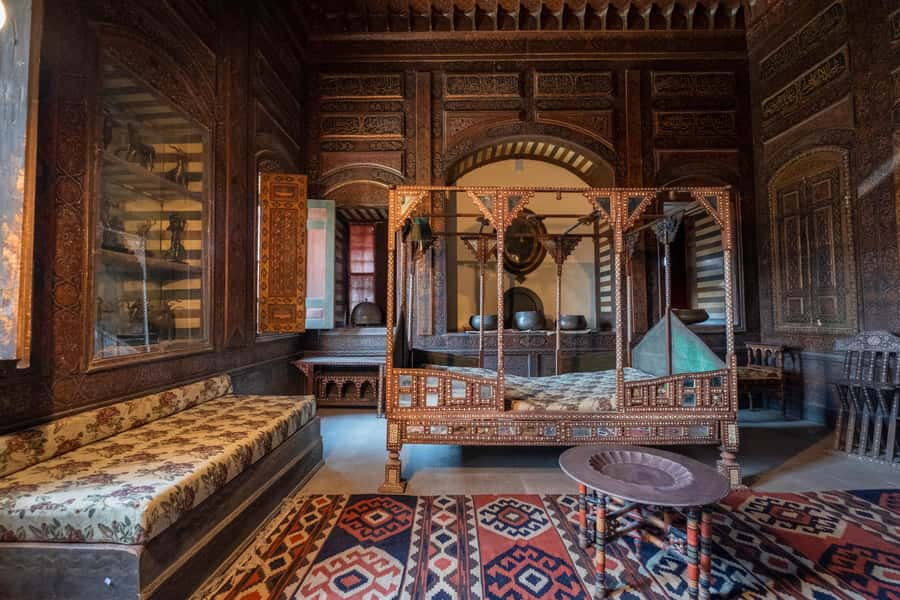
- Gayer-Anderson Museum feels personal and domestic: The collection fills two preserved Mamluk houses with furniture, art, and old objects.
- Your guide shapes the day: English, French, German, Italian, and Spanish guiding is available, with Egyptologists explaining the sites in context.
- Lunch and transport are included: Pickup from Cairo or Giza, air-conditioned transfers, bottled water, and a traditional meal are built into the price.
- Dress and walking matter: Wear loose clothing covering shoulders, arms, legs, and knees, and bring a scarf for mosque visits.
Why this Cairo route feels different
This is not a greatest-hits tour built around one enormous monument. It is a compact look at how Cairo’s rulers lived, worshippers prayed, and collectors preserved domestic art.
That variety gives the outing its strength. The Mohamed Ali Palace introduces royal ambition. Ibn Tulun Mosque shifts the mood toward religious architecture and open space. The Gayer-Anderson Museum brings you into furnished rooms where the past feels closer and more human.
I like this balance because you are not spending five hours looking at one type of building. You move from decorated palace rooms to a vast mosque courtyard, then into smaller rooms filled with objects. A professional Egyptologist guide can connect those changes and explain why each place matters.
The tour begins with hotel pickup in Cairo or Giza. The drive to the first stop is listed at about 30 minutes, followed by transfers between the major sites and a return ride of about 30 minutes. The air-conditioned vehicle is useful in Cairo, especially when you are moving between outdoor areas and enclosed rooms.
More palace days with lunch around the world:
- Dubai: Abu Dhabi Day-Trip Grand Mosque, Royal Palace & Lunch
★ 4.9 · 5,368 reviews - Versailles Palace and Giverny Monet House Visit with Lunch
★ 4.0 · 1,948 reviews - Agios Gordios: Corfu ATV Quad Tour with Lunch at Pink Palace
★ 4.2 · 258 reviews
Mohamed Ali Palace: gold leaf, marble, and royal ambition
The first main stop is listed as Al Manial Palace, also described as the Mohamed Ali Palace or Golden Palace. Allow about an hour here.
The palace was built in the 19th century for Mohamed Ali, the ruler associated with major changes in modern Egypt. The appeal is not only the name attached to it. You come for the rooms themselves, where gold leaf, polished marble, and European artwork meet Ottoman design.
Expect a setting that feels intentionally theatrical. Royal residences were built to impress, and the palace uses decoration to show rank, taste, and power. The gardens provide a useful break from the interiors and help you see the palace as a complete residence rather than a single ornate building.
I would pay attention to the contrast between the palace’s European touches and its Ottoman character. That blend is one of the most interesting features of the visit. Your guide can make those design choices easier to read, pointing out what you might otherwise pass without noticing.
An hour is enough for a guided introduction, but it is not a leisurely museum visit. If you love architecture or decorative arts, you may wish for more time. Still, the compact visit works well in a five-hour outing because you have two very different historic sites still ahead.
Ibn Tulun Mosque: Cairo’s wide-open historic center
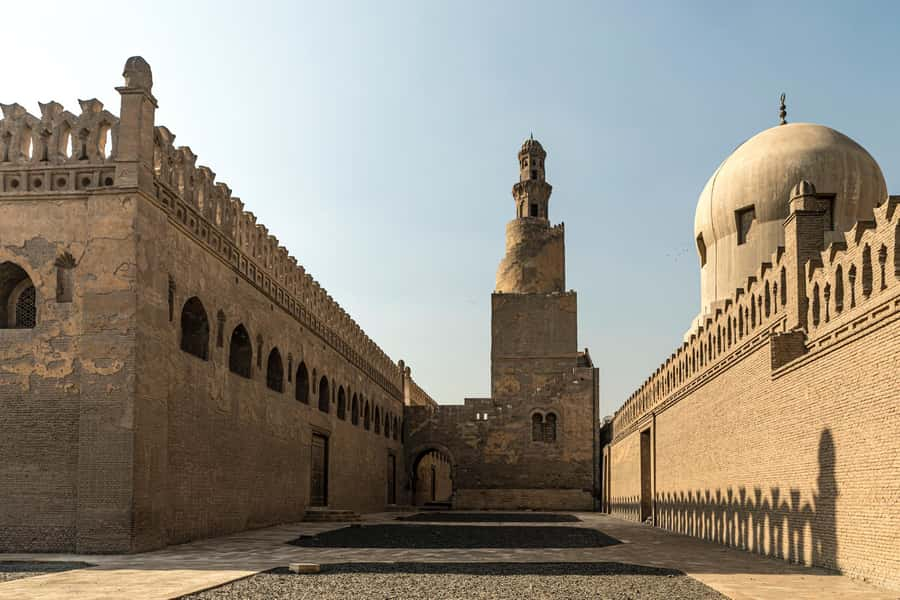
Next comes the Mosque of Ibn Tulun, one of Egypt’s largest and oldest Islamic mosques. The building has been standing for more than 1,000 years, and its scale is immediately different from the palace.
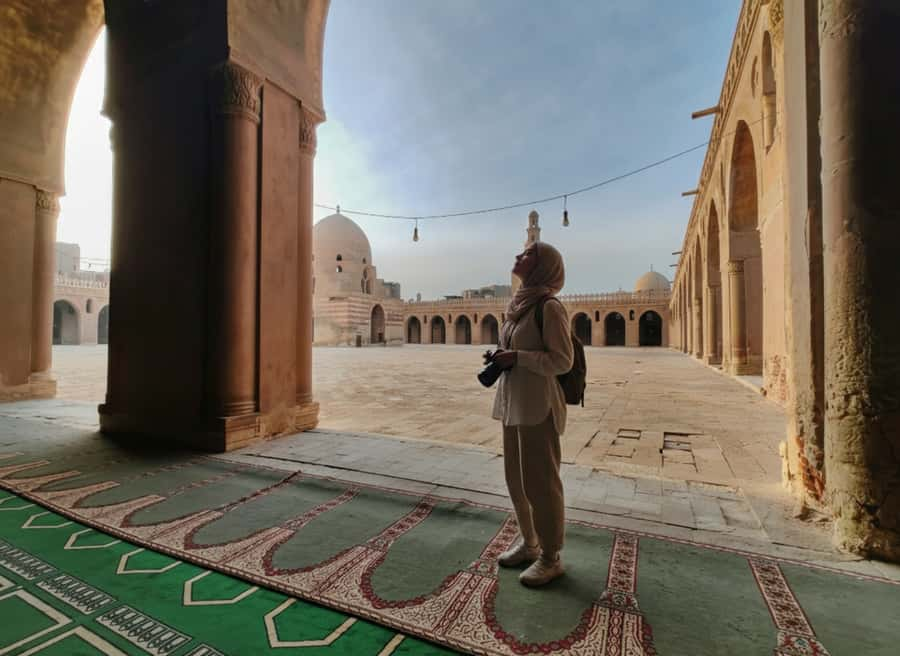
The mosque is organized around a large open courtyard. Pointed arches frame the space, creating long lines and repeated patterns that are easy to appreciate even if you are not an architecture specialist. The open plan also gives the visit a calmer rhythm after the palace’s dense decoration.
The signature feature is the spiral minaret. The tour includes the chance to ascend it, and the climb is the day’s most memorable physical moment. From above, you get broad views across Cairo. The city spreads out in every direction, giving you a useful sense of how the historic quarter fits into the modern capital.
Bring comfortable walking shoes. The tour involves movement through large spaces, and the minaret climb may not suit everyone. The experience is not wheelchair accessible, so anyone with mobility concerns should consider that before reserving.
This is a religious site, not just an old building. Wear loose clothing covering your shoulders, arms, legs, and knees. Women should carry a scarf for use at religious sites. Photography may be restricted in some areas, so follow your guide’s instructions rather than assuming every room or view can be photographed.
The mosque receives about an hour. That should give you time to see the courtyard, hear the main historical points, and climb the minaret if conditions and access allow. If you want a long architectural study, the time will feel short. If you want a focused introduction, it is well judged.
Lunch in Cairo: a useful pause, not an afterthought
The schedule includes about 45 minutes for lunch and free time at a local restaurant. A traditional meal is included, but drinks are not, so plan to pay separately for anything beyond the food.
This pause matters because the first two visits combine walking, standing, and outdoor exposure. Lunch gives you a chance to sit down, cool off, and reset before the museum.
The description does not specify a fixed menu, restaurant name, or dietary arrangements. If you have allergies or special food needs, ask the provider before the day begins. You should also keep some Egyptian pounds or another accepted payment method available for drinks, since they are excluded from the tour price.
I see the meal as part of the tour’s value, even though it is not the main reason to book. You are not spending the whole afternoon arranging food and transport between sites. The meal keeps the route moving and leaves more time for the three scheduled visits.
More royal history around the world:
- Madrid Essential: Historic Center, Plaza Mayor & Royal Palace
★ 5.0 · 6,416 reviews - Venice’s Best: Basilica, Doge’s Palace, Gondola & History Gallery
★ 4.5 · 2,478 reviews - Tokyo: Imperial Palace and Shogun Historical Walking Tour
★ 5.0 · 2,251 reviews - Dubai: Abu Dhabi Grand Mosque, Palace, and Heritage Village
★ 4.8 · 1,265 reviews
Gayer-Anderson Museum: Cairo through lived-in rooms
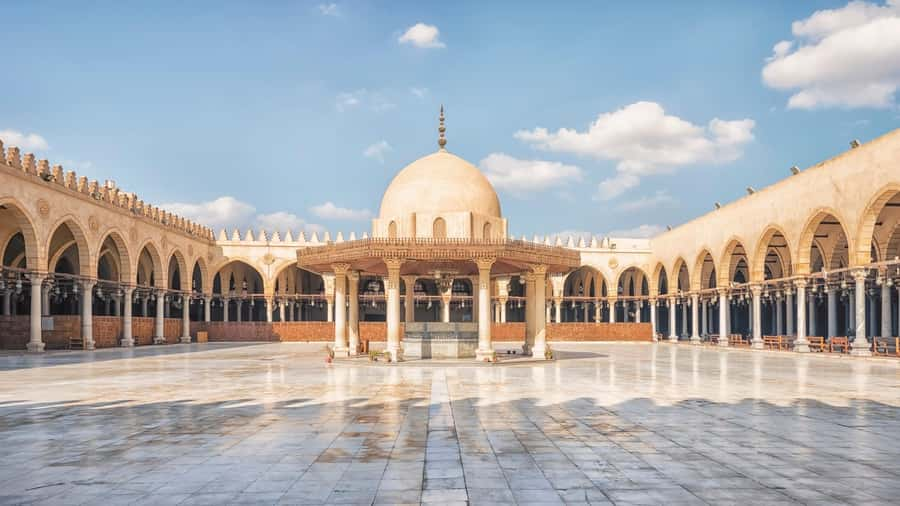
The final major stop is the Gayer-Anderson Museum, housed in two preserved 17th-century Mamluk houses. You get about an hour here.
The museum takes its name from British Major Gayer-Anderson, who lived in the houses during the 1930s and assembled the collection displayed inside. The result is not a bare sequence of cases. Rooms contain antique furniture, Islamic art, and other objects arranged within historic domestic spaces.
That setting makes the museum different from the palace and mosque. The palace presents official wealth, while the mosque presents public religious architecture. Gayer-Anderson gives you rooms, furnishings, and objects that suggest how people used and decorated a home over time.
I like this stop for its scale. After the broad courtyard at Ibn Tulun Mosque, the museum brings you close to details. Look at the relationship between the furniture, wall decoration, and architecture. The rooms are part of the collection, not just a container for it.
An hour allows for a guided walk through the key rooms. You will not have time to inspect every object at length, but the guide can point out the pieces that best explain the house and its former resident. Photography rules may vary by area, so ask before taking pictures.
The museum is especially suitable if you enjoy interiors, historic homes, Islamic art, or unusual collections. It may be less satisfying if your main goal is a large archaeological display with famous monumental objects.
The guide can make or break the five-hour format
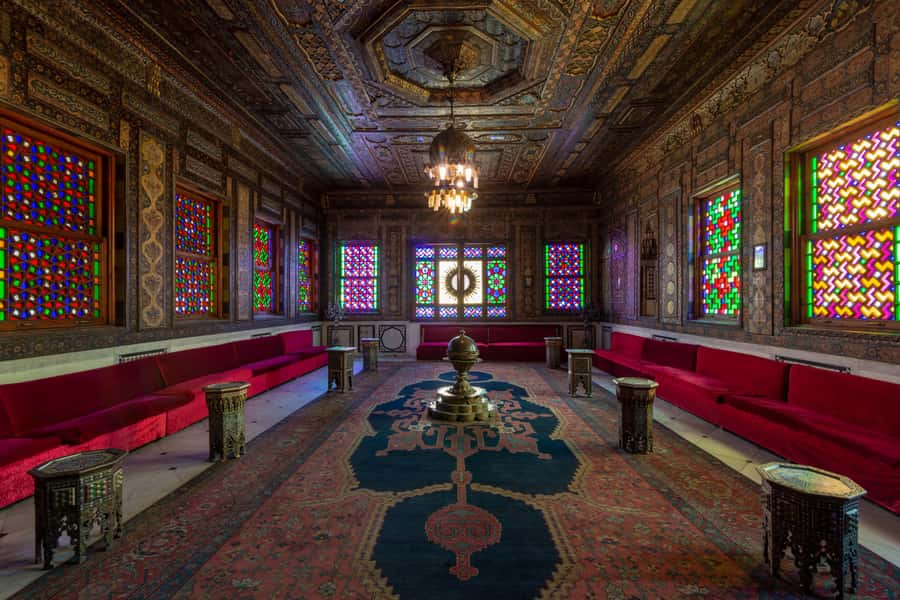
The tour is sold with a professional Egyptologist guide, and guiding is available in English, French, German, Italian, and Spanish. That language range makes the outing easier for mixed-language groups, though you should select or confirm your preferred language when booking.
The names attached to recent departures include Nashwa, Fatma, and Nadia. Nashwa was praised for explaining Cairo’s past clearly. Fatma was noted for offering personal insight into the city. Nadia was described as attentive, highly cultured, and easy to understand in English, adapting well to a family spanning three generations.
Those details matter because this route depends on explanation. The buildings are attractive on their own, but the palace’s design choices, the mosque’s age, and the collector’s museum all become more meaningful when someone explains the connections.
The guide also controls the pace. You need enough time at each site, but the schedule does not allow long unsupervised wandering. A good guide will keep the group moving without making the visits feel rushed.
Group size is not specified, so do not assume this is a private tour. If having a dedicated vehicle and guide for only your party is important, ask the provider before booking.
What the $63 price really covers
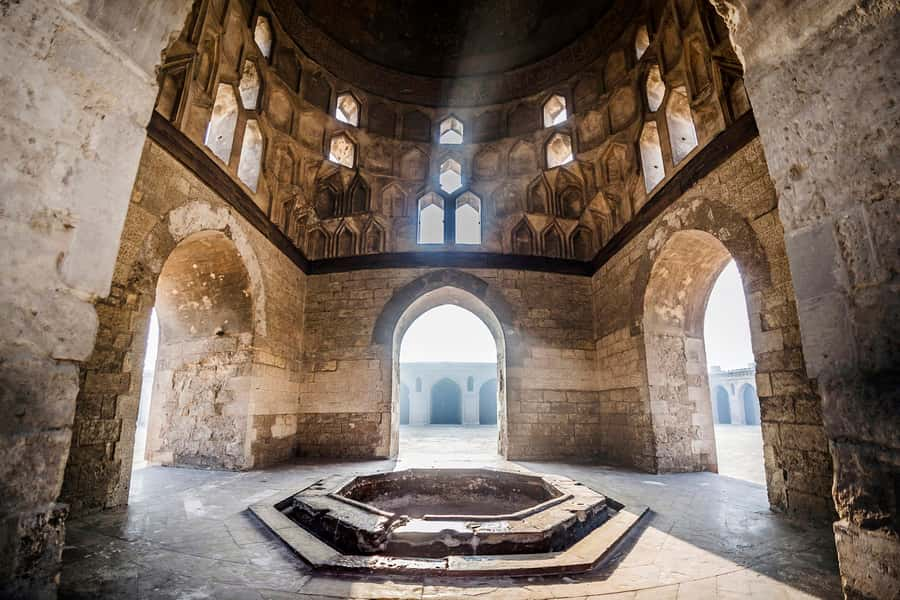
At $63 per person, the tour offers solid value if you want a guided half-day rather than a self-planned route.
The price includes:
- Hotel pickup and return from Cairo or Giza
- Air-conditioned transport
- Entry tickets to all three named sites
- An Egyptologist guide
- Traditional lunch
- Bottled water
- Service taxes and fees
You still pay for lunch drinks. The tour also does not list shopping stops, extra attractions, or a visit to Khan el-Khalili. That is useful if you want a focused cultural route, but important if you were expecting a market visit.
Independent visits might cost less in cash, especially if you already know Cairo well and can organize transport. The tour earns its price through convenience and interpretation. You avoid arranging three admissions, finding a restaurant, and working out transport between sites.
The strongest value comes for first-time visitors, families, and anyone who wants historical context without committing to a full-day program. At five hours, the outing leaves part of your day free.
Timing, clothing, and practical details
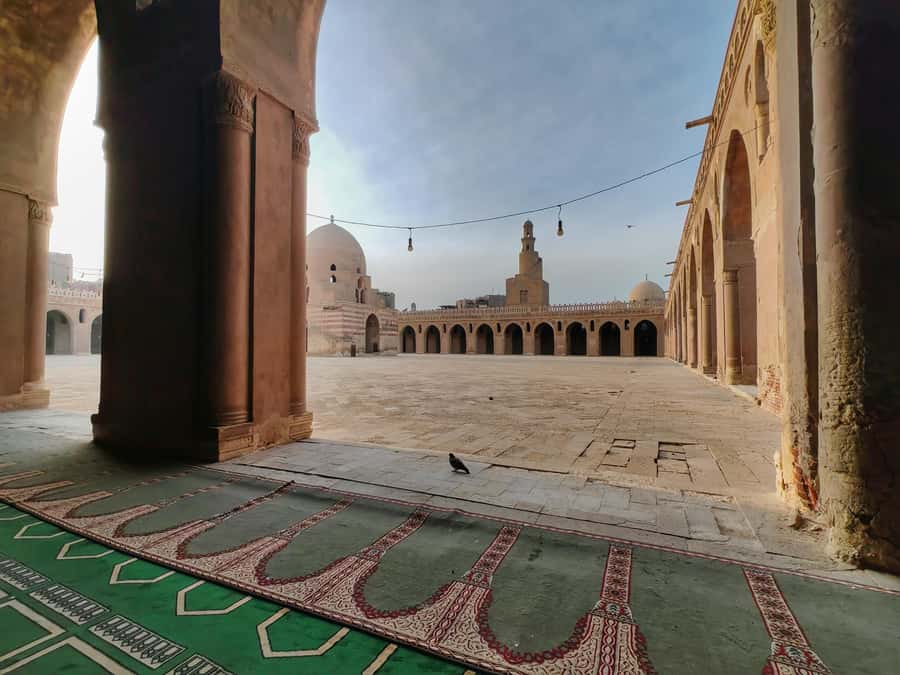
The full experience lasts about five hours. Pickup and return are available from hotels in Cairo or Giza, and the exact time and meeting point are confirmed the day before by WhatsApp, email, or phone.
Check those messages carefully and make sure your contact details are accurate. Pickup timing can vary, and the provider asks you to respond promptly to avoid delays.
Bring a passport or identity card. A copy is accepted. Do not bring luggage or large bags, since this is a sightseeing outing rather than a transfer service.
Wear comfortable walking shoes and light, loose clothing that covers your shoulders, arms, legs, and knees. A scarf is useful for women visiting the mosque. Modest clothing is the practical choice for everyone here, not just a formality.
The route is not suitable for wheelchair users. If you have limited mobility, ask specific questions about the minaret climb, mosque access, and museum surfaces before booking.
Free cancellation is available up to 24 hours before the start time, and you can reserve now while paying later. Those terms help if your Cairo schedule is still shifting.
Who should book this Cairo heritage tour?
I would recommend it to you if you want three different kinds of Cairo history in one manageable outing. It suits first-time visitors who want more than the standard pyramid circuit, families who benefit from a guide, and anyone interested in architecture, Islamic art, royal interiors, or old homes.
It also works well for a short stay. You get a focused route, a meal, and hotel transport without giving up an entire day.
I would hesitate if you want a slow museum day, a private itinerary, or a market visit above all else. The schedule is structured, group size is not stated, and Khan el-Khalili is not listed among the stops. Confirm the route if that market matters to you.
For most people, the decision is simple: book this tour if you value context and convenience more than complete freedom. The combination of the palace, mosque, and museum gives you a fuller picture of Cairo than visiting another single monument would.
FAQ
How long does the Cairo Heritage Tour last?
The tour lasts five hours, including hotel pickup, visits, lunch, transfers, and return to your hotel.
Where is hotel pickup available?
Pickup and drop-off are available from hotels in Cairo and Giza, including the Giza District.
What sites are included?
The route includes Mohamed Ali Palace, also called Al Manial Palace or the Golden Palace, Ibn Tulun Mosque, and the Gayer-Anderson Museum.
Is lunch included?
Yes. A traditional lunch at a local restaurant is included. Drinks during lunch are not included.
Are entrance tickets included?
Yes. Entry tickets for Mohamed Ali Palace, Ibn Tulun Mosque, and the Gayer-Anderson Museum are included.
What languages are available for the guide?
Live guiding is available in English, French, German, Italian, and Spanish.
Can I climb the Ibn Tulun Mosque minaret?
The tour description includes ascending the mosque’s spiral minaret for Cairo views. Comfortable walking shoes are recommended.
What should I wear?
Wear loose-fitting clothes covering your shoulders, arms, legs, and knees. Women should carry a scarf for religious sites.
Is the tour suitable for wheelchair users?
No. The experience is not suitable for wheelchair users.
What should I bring?
Bring a passport or identity card, with a copy accepted. Comfortable shoes and a scarf for mosque visits are also useful. Large bags and luggage are not allowed.
Can I cancel the booking?
You can cancel up to 24 hours in advance for a full refund. Reserve now and pay later is also available.
Fresh palace tours around the world
- Bangkok Private Grand Palace Emerald Buddha and Reclining Buddha★ 4.5 · 2 reviews
- Bangkok Markets, Palaces and Temples Excursion★ 5.0 · 8 reviews
- Bangkok Two Temple Tour: Wat Pho, Emerald Buddha & Grand Palace★ 5.0 · 4 reviews
- Bangkok Royal Road – Top 3 Major Monuments (Grand Palace, Wat Pho, Wat arun)★ 4.5 · 111 reviews
- Bangkok Grand Palace and Emerald Buddha Tour★ 4.0 · 91 reviews
- Bangkok’s Landmarks Tour : GrandPalace WatTraimit WatPho WatArun★ 5.0 · 8 reviews
- Private Tour: Grand Palace,Wat Phra Kaew, Museum&Cooking Class★ 5.0 · 7 reviews
- Bangkok Grand Palace & Emerald Buddha Flexible Entry with Audio★ 3.5 · 3 reviews
Cairo Palace Tours: the shortlist.
Cairo:Nilometer, Manial Palace,City of The Dead With Felucca
Read our review →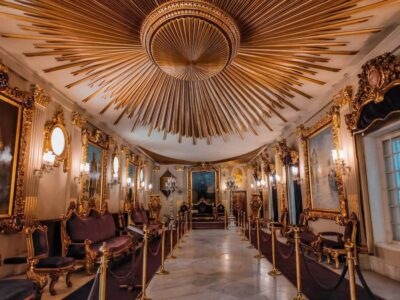
Royal Tour To Baron Palace, Abdeen Palace And Manial Palace
Read our review →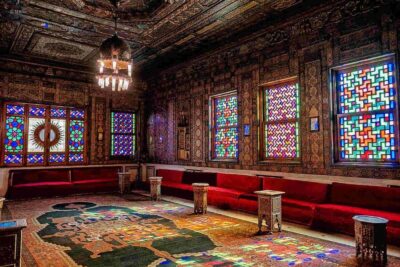
Cairo: Prince Mohamed Ali Palace Manial QR Tickets
Read our review →
Cairo: Private Tour to Abdeen Palace with transfers.
Read our review →
Cairo: Private Manial Palace and Cairo Tower Guided Day Trip
Read our review →This visit also appears in