
Review · FRANCE
Château Balestard La Tonnelle : The “Origins” tour
Château Balestard La Tonnelle gives you an unusual Saint-Emilion pairing: a 15th-century watchtower beside a sleek, architect-designed cellar built in 2019. The visit connects old stone, working vineyards, and modern wine production without making you choose between the two.
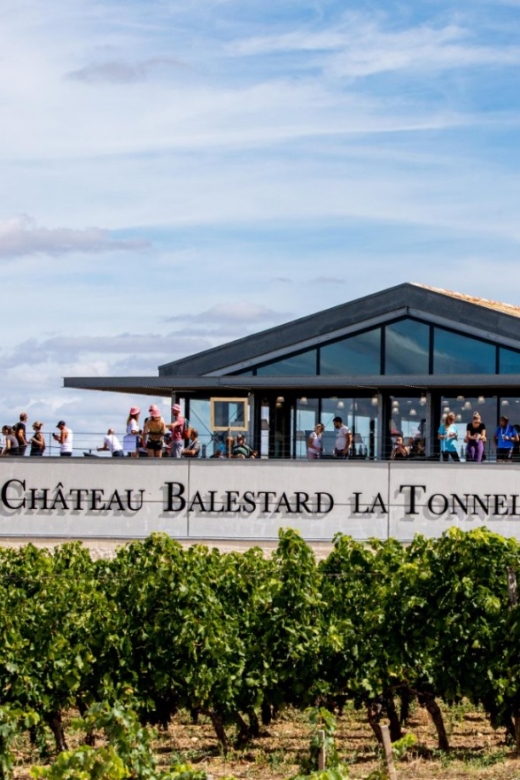
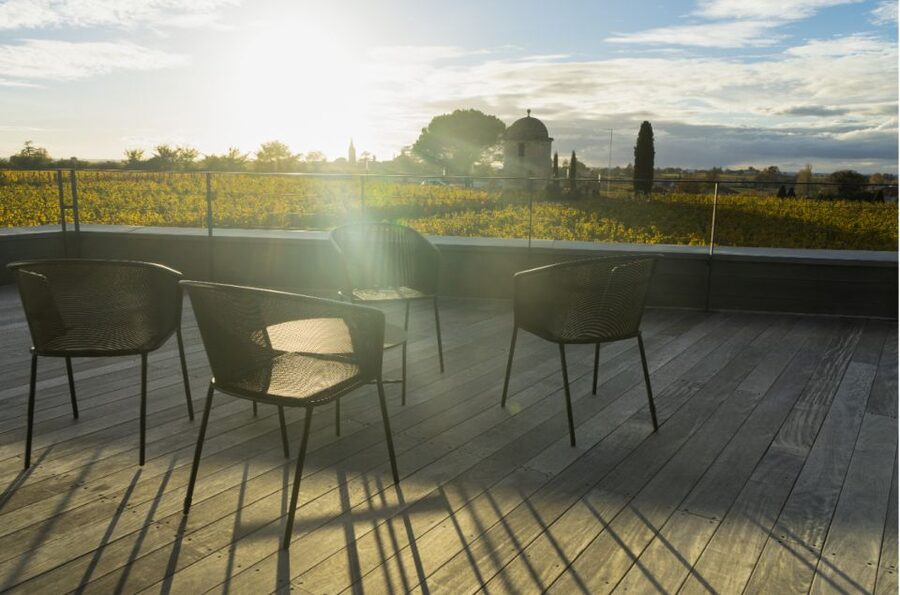
I like the 400-square-meter panoramic terrace, where the tasting comes with a broad view toward Saint-Emilion and nearby appellations. I also like the small group limit of eight, which should make the winemaking explanation easier to follow and less like a lecture delivered to a crowd.
The main consideration is time. One hour is enough for a clear introduction, but not for a slow, sprawling estate visit. You will need to reach the boutique five minutes early, and a delay of more than 20 minutes can mean losing the tour.
Key points
- A rare old-and-new setting: A 15th-century watchtower shares the property with a 2019 bioclimatic cellar.
- A tasting with a view: Three red wines, including a Grand Cru Classé, are served on a 400-square-meter terrace.
- A real production route: The tour moves from vineyard to vat room to barrel cellar before reaching the glass.
- A family estate since 1647: The property links present-day winemaking with generations of local involvement.
- Small groups matter: With no more than eight participants, the visit should feel personal and easier to follow.
- Good practical value: At $23 per person, you get a guided hour, three wines, the terrace tasting, parking, and access to the estate shop.
Why the old watchtower and new cellar work so well together
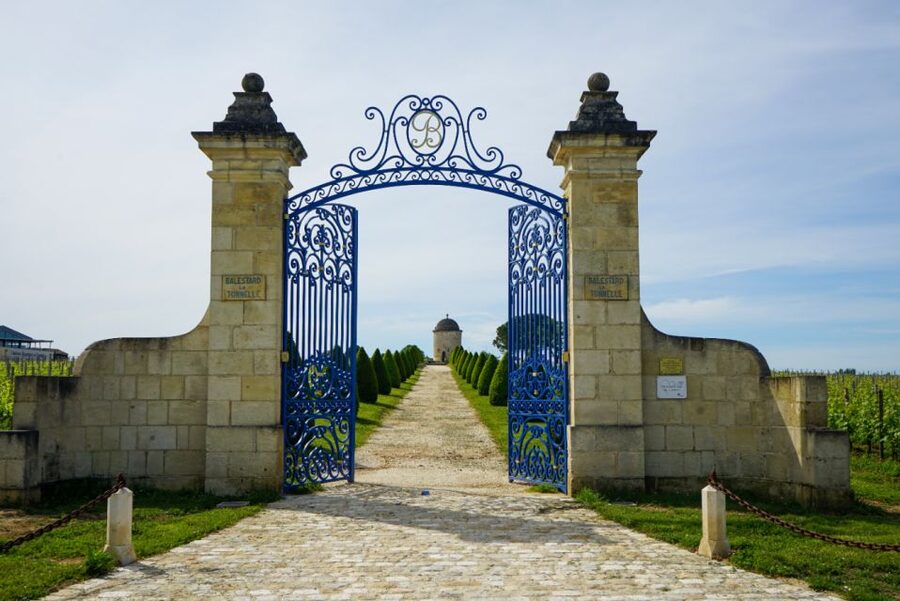
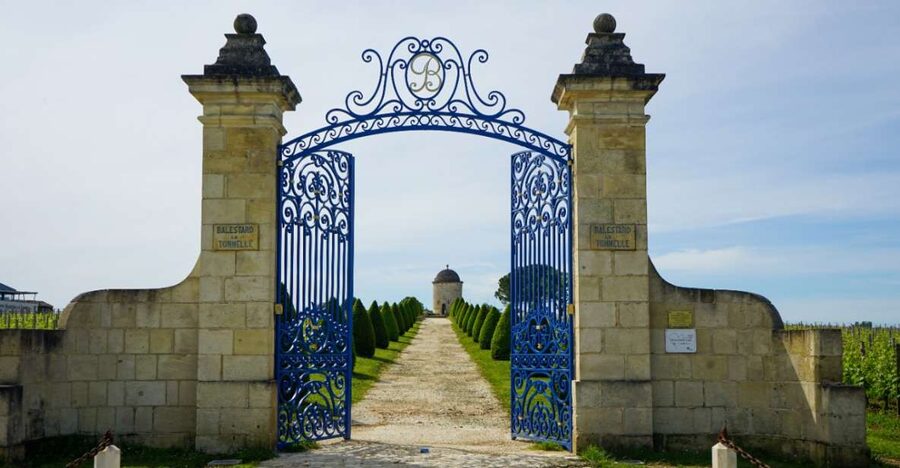
The first thing that catches your attention at Château Balestard La Tonnelle is the contrast. The estate includes a 15th-century watchtower, a reminder that Saint-Emilion’s wine country is built on much older foundations than its polished tasting rooms suggest.
Then the setting shifts toward the present. The cellar, completed in 2019, was designed with bioclimatic principles in mind. That gives the visit a useful point of comparison: you are not only looking at old architecture, you are also seeing how a working wine estate has adapted its facilities for modern production.
I like this combination because it gives the tour a clear shape. You can place the wine in time and place. The watchtower points back to the property’s long story, while the newer building explains how the estate handles wine today.
The family has been making wine in Saint-Emilion since 1647. That detail adds weight, but the visit is not presented as a museum tour. Château Balestard La Tonnelle remains a functioning wine estate, and the route is built around how wine moves from the vineyard to the bottle.
More halls, courtyards and throne rooms open around France:
- Paris: Versailles Palace and Gardens Full Access Ticket
★ 4.6 · 41,579 reviews - Versailles: Skip-the-Line Tour of Palace and Gardens Access
★ 4.7 · 10,429 reviews - From Paris: Versailles Palace & Gardens with Transportation
★ 4.6 · 6,222 reviews
Starting at the limestone plateau
The tour begins at the estate, on the Saint-Emilion limestone plateau. That location matters. Saint-Emilion is not one uniform patch of vines, and the plateau is one of the appellation’s defining areas.
You will start with the vineyard before moving indoors. The point is to connect the soil and the vines with the wine in your glass. The tour does not give a full technical course in geology, but the limestone plateau provides useful context for understanding why estate visits talk so much about place.
The vineyard section should suit you if you want more than a tasting-room introduction. You will see where the process begins before hearing about vats, barrels, and finished wine.
The walk is part of a one-hour schedule, so expect a focused explanation rather than a long wandering route through every corner of the property. That is a benefit if you are fitting the estate into a busy day around Saint-Emilion. If you want an unhurried vineyard walk, this visit may feel brief.
Inside the 2019 bioclimatic cellar
The modern cellar is one of the estate’s most distinctive features. Built in 2019 and designed by an architect, it gives the guide a chance to explain how the property handles wine production in a newer building.
The bioclimatic design is worth paying attention to, even if you are not interested in architecture. It shows that the estate’s story is not frozen in 1647. The family connection reaches back centuries, but the working facilities belong to the present.
You will then see the vat room, where the wine’s production moves beyond the vineyard. This is the practical heart of the visit. The guide explains the route from grapes to wine, giving you a better sense of the decisions involved before any bottle reaches the shop.
The small group size is useful here. With a maximum of eight people, you have a better chance of hearing the guide clearly and asking a question without having to compete with a packed room. The tour is offered in French and English. One host, Audre, is also noted as having guided in Spanish, which may be helpful if she is leading your departure.
The barrel cellar and the road to the glass
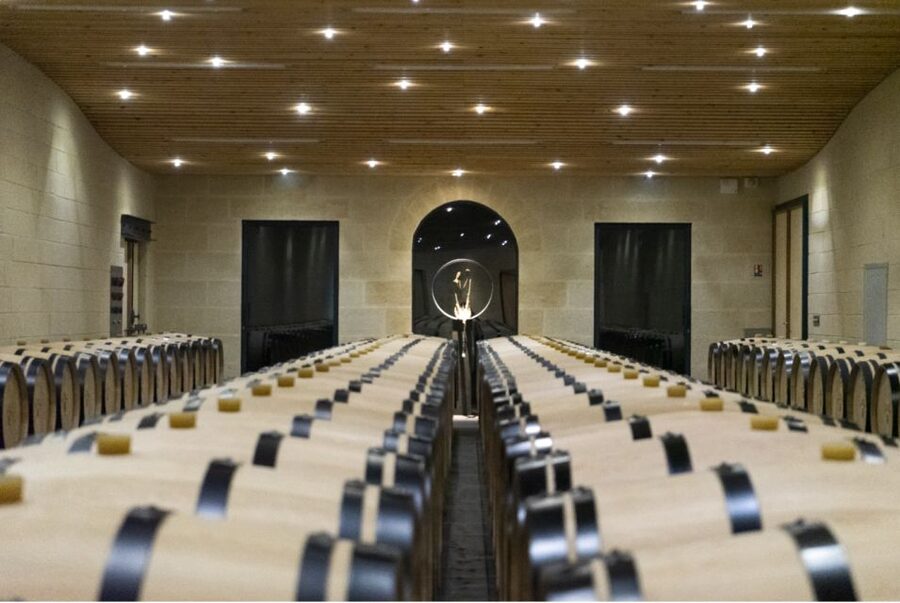
From the vat room, the tour continues to the barrel cellar. This part completes the basic production story. You have seen the vineyard, heard about the vat room, and now reach the stage where the wine spends time in barrels before tasting.
I appreciate this order because it keeps the visit grounded. You are not simply handed three glasses and given a few labels to remember. The route explains the stages that make those wines different from one another.
The tour is designed for people who want a straightforward account of winemaking rather than a specialist seminar. You should expect clear explanations of the estate’s production spaces and the path from vine to finished wine. The supplied information does not promise a detailed vintage comparison, food pairing lesson, or extended technical tasting, so do not book it expecting those extras.
This is also where the one-hour format becomes apparent. The property has enough history and architecture to fill a longer visit, but the scheduled route keeps moving. Pay attention to the guide’s explanation early on, because there is not much spare time for a second pass.
Same royal city, another way in:
- Versailles: Skip-the-Line Guided Palace Tour and Full Access
★ 4.6 · 5,214 reviews - From Paris: Versailles Palace Guided Tour & Gardens Access
★ 4.7 · 3,574 reviews - Versailles Palace and Gardens Tour from Paris
★ 4.5 · 3,390 reviews - Versailles Palace Bike Tour with Market & Marie-Antoinette hamlet
★ 5.0 · 2,680 reviews
Three red wines on the 400-square-meter terrace
The final part is the reward for the walking and explanation. You taste three red wines on the estate’s 400-square-meter panoramic terrace, including a Grand Cru Classé.
The terrace is more than a place to stand with a glass. It gives the tasting a strong sense of location, with a 360-degree view toward the village of Saint-Emilion and the surrounding appellations. You can look across the area that the earlier parts of the tour have been describing.
That setting makes the tasting feel connected to the estate rather than separate from it. The wine, the plateau, the village, and the surrounding vineyards all meet in one place.
The three-wine format is a sensible middle ground. One wine would feel too slight, while a much longer flight could turn a one-hour visit into a more formal tasting session. Here, you can compare several reds while still having time to enjoy the terrace.
The information provided does not specify the exact labels or vintages served. That can change, so I would treat the three wines as a chance to taste the estate’s range rather than as a guaranteed list of particular bottles. The inclusion of a Grand Cru Classé gives the tasting a clear highlight.
There is no food included. If you need lunch or a snack, plan that separately. The tasting is centered on wine and views, not a meal.
What $23 buys you at Saint-Emilion
At $23 per person, the Origins tour offers solid value for a short wine visit. You receive a one-hour guided tour, three red wines, the terrace tasting, free parking, and the ability to browse or buy from the property shop.
The value is strongest if you want several elements in one stop. You get history through the watchtower and family connection, architecture through the 2019 cellar, production through the vat room and barrel cellar, and a scenic tasting at the end.
You are also paying for access to a Grand Cru Classé tasting in a setting that explains the estate before you taste. That is more useful than tasting a prestigious wine without knowing anything about where it comes from.
Still, $23 is not a bargain for someone who only wants a quick glass of wine. The visit is worthwhile because of the full route and the terrace. If you skip the guided explanation and care only about drinking wine, you may find a casual tasting room better suited to you.
The shop is included as part of the property visit, but purchases are not included in the price. You can browse after the tour without treating the shop as part of the tasting fee.
A practical one-hour visit
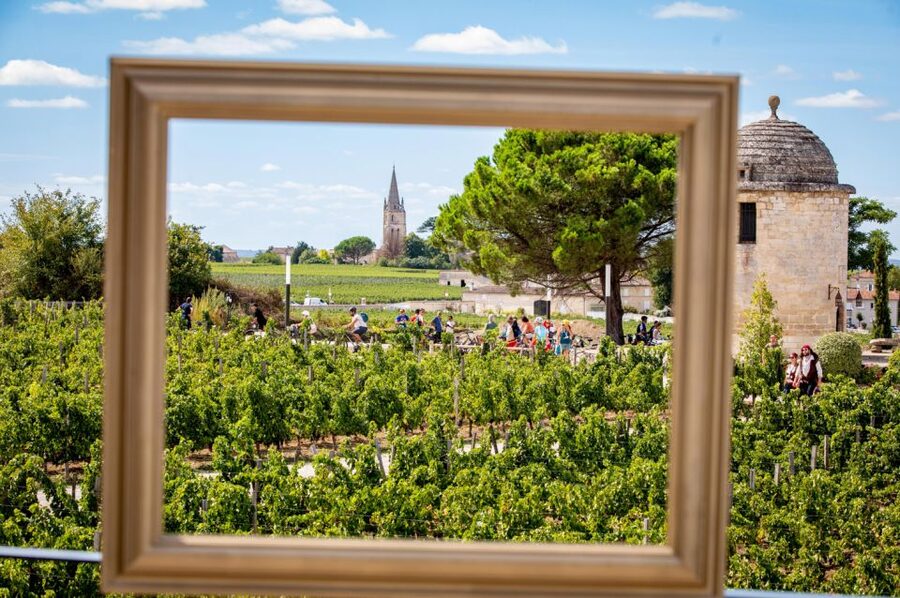
The meeting point is Château Balestard La Tonnelle. After parking by the watchtower, follow the path to the shop, which is the meeting point for the tour.
Arrive at least five minutes before your start time. This is not a suggestion to ignore if you are driving in from another part of the region. A delay of more than 20 minutes may lead to cancellation, so allow time to park and walk to the boutique.
The estate has free parking, which makes it easier to add this stop to a day of exploring Saint-Emilion by car. The supplied information does not include public transport details, so do not assume that reaching the property without a car will be simple.
The visit is wheelchair accessible. Since the route includes the terrace, cellar, vat room, barrel cellar, and vineyard setting, it is sensible to confirm any specific mobility needs when booking, but the activity is identified as accessible.
You can cancel up to 24 hours before the visit for a full refund, and the reserve-now, pay-later option lets you keep your schedule flexible. Those terms are useful in the Bordeaux area, where weather and transport plans can change.
Who will enjoy this Château Balestard visit
I would recommend this tour to you if you want a compact introduction to Saint-Emilion wine and prefer a small group to a crowded estate visit.
It is especially well suited to:
- First-time wine visitors: The route follows an easy order from vineyard to finished wine.
- Architecture and history fans: The watchtower and modern cellar provide two very different points of interest.
- View seekers: The terrace gives you a wide view of Saint-Emilion and nearby appellations during the tasting.
- Couples and small groups: The eight-person limit should keep the visit calm and personal.
- Visitors with a tight schedule: The hour-long format fits neatly into a day of sightseeing.
- English-speaking visitors: English and French tours are available, with Audre noted for Spanish-language guiding.
You may want something else if you are looking for a full meal, a long vineyard walk, or a highly technical tasting focused on several vintages. None of those are promised here.
The tour also suits people who want a clear sense of place. You do not just taste wine in an anonymous room. You taste it above the village, after seeing the estate’s vines and production spaces.
What the strong feedback tells you
The highest praise centers on the guide, the clarity of the explanations, and the condition of the property. That matches what the format is designed to do. A one-hour visit works best when the guide keeps the story organized and makes the production process easy to follow.
Audre receives particular credit for being friendly, courteous, and able to guide in Spanish. Another strong point is English communication. If you want to ask questions about the cellar or the wines, language should not be a major barrier on an English departure.
The property itself is described as very clean and well kept. That matters in a wine estate because you move through working spaces, not just a polished reception room. Clean, orderly facilities make the vat room and cellar easier to appreciate.
The tone of the visit is also described as relaxed. That is a useful clue for anyone who feels unsure about formal wine tastings. You should be able to enjoy the three wines without treating the event like an exam in French wine terminology.
The five-star score is based on only six reviews, so I would keep the sample size in mind. Still, the repeated themes are specific: clear explanations, good English, a friendly guide, a beautiful property, and an enjoyable tasting.
Should you book the Origins tour?
Book it if you want the best parts of a Saint-Emilion estate visit in one efficient hour. The combination of the 15th-century watchtower, 2019 bioclimatic cellar, family history since 1647, working production spaces, and three red wines gives you plenty for $23.
The panoramic terrace is the deciding feature for me. You get more than a standard cellar tasting because the final glasses come with a 360-degree view over Saint-Emilion and the surrounding appellations.
Skip it if your priority is a long, leisurely day at one estate, a meal, or an advanced tasting focused on particular vintages. For everyone else, especially first-time visitors and anyone driving through the area, Château Balestard La Tonnelle is a practical and well-priced introduction to the wines of Saint-Emilion.
FAQ
How long does the Origins tour last?
The guided visit lasts one hour and includes the wine tasting.
How many wines are included?
You taste three red wines, including a Grand Cru Classé.
Where does the tasting take place?
The tasting takes place on the estate’s 400-square-meter panoramic terrace, with a 360-degree view toward Saint-Emilion and nearby appellations.
What languages are available?
The tour is available in French and English. Audre is also noted as having guided in Spanish.
Is the tour wheelchair accessible?
Yes. The activity is listed as wheelchair accessible.
How early should I arrive?
Reach the boutique five minutes before the tour begins. After parking by the watchtower, follow the path to the shop. A delay of more than 20 minutes may result in cancellation.
Fresh palace tours around France
- Wine Tasting Tour at Châteauneuf du Pape★ 5.0 · 36 reviews
- Visit of the cellars of Château Gigognan with tasting★ 5.0 · 3 reviews
- Wines from Châteauneuf-du-Pape and surrounding areas in 1/2 day★ 5.0 · 96 reviews
- 8 Hours Group Tour in Châteauneuf du Pape★ 5.0 · 10 reviews
- Morning Wine Tour to Chateauneuf du Pape from Avignon★ 4.5 · 70 reviews
- Châteauneuf du Pape Wine Day Tasting Tour including Lunch from Avignon★ 5.0 · 287 reviews
- Highlights of Provence : Chateauneuf du Pape & Luberon★ 4.5 · 189 reviews
- In Depth Chateauneuf du Pape★ 5.0 · 16 reviews
France Palace Tours: the shortlist.
Versailles Palace and Gardens Full Access Ticket
Read our review →
Skip-the-Line Tour of Palace and Gardens Access
Read our review →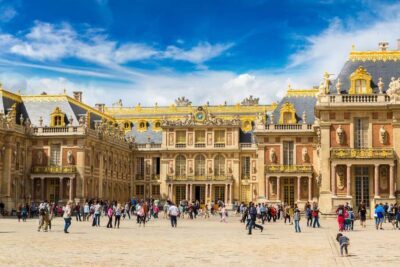
Versailles Palace & Gardens with Transportation
Read our review →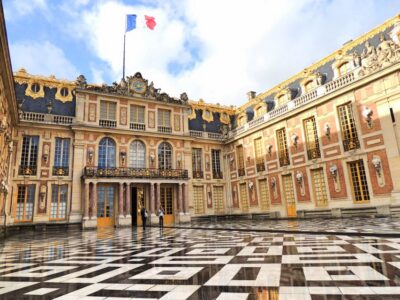
Skip-the-Line Guided Palace Tour and Full Access
Read our review →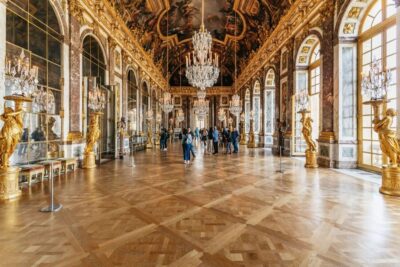
Versailles Palace Guided Tour & Gardens Access
Read our review →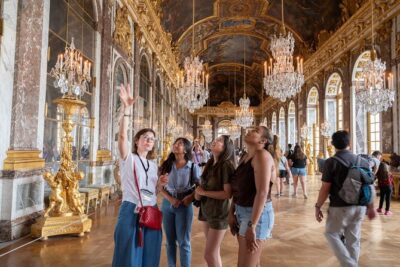
Versailles Palace and Gardens Tour from Paris
Read our review →
Versailles Palace Bike Tour with Market & Marie-Antoinette hamlet
Read our review →
Versailles Palace Guided Tour with Reserved Entry
Read our review →This visit also appears in