
Review · ITALY
Anagni: Entrance ticket to the Boniface VIII Palace
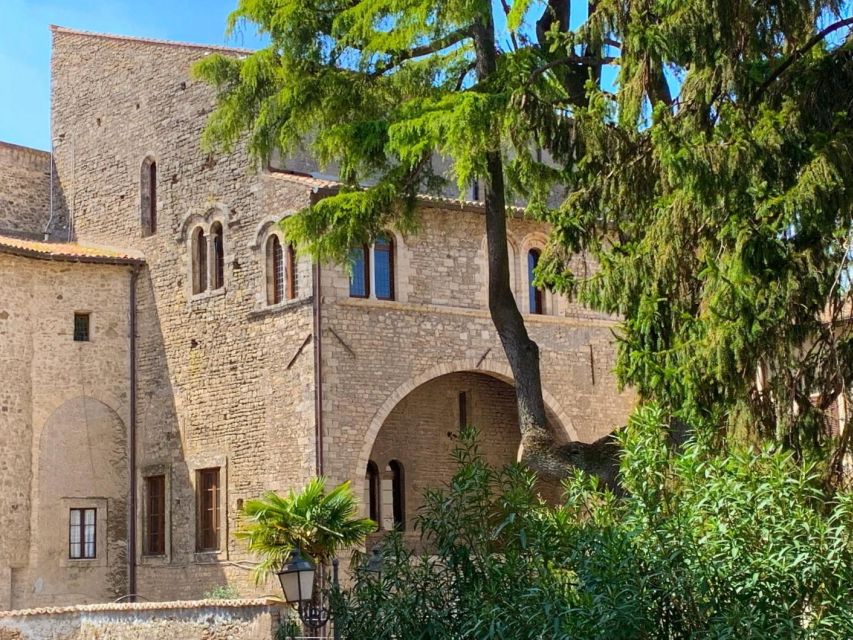
The most gripping part of Boniface VIII Palace is the Hall of the Slap, linked to the 1303 outrage against Pope Boniface VIII. This is not just an old palace visit. It is a compact look at a papal residence, a powerful medieval family, and a clash that helped set the stage for the papacy’s move to Avignon.
I like two things here. First, the $10 price gives you access to a site packed with frescoed rooms, paintings, furniture, and medieval connections. Second, the audio guide explains the palace and its objects in Italian, English, or French, which helps you make sense of rooms that might otherwise seem bare or cryptic. The main drawback is the pacing: the audio commentary can take longer than the rooms themselves, so you may spend a fair amount of your two hours sitting and listening.
Key points to know before you go

- The Hall of the Slap: See the room tied to the confrontation involving Pope Boniface VIII and Giacomo Sciarra Colonna.
- A 13th-century palace: Explore a medieval structure later expanded with larger frescoed rooms and works of art.
- A papal connection: The building belonged to the Caetani family, whose prominent member became Pope Boniface VIII.
- Audio guide included: Choose Italian, English, or French, and plan your visit around listening time.
- Central Anagni location: The palace is in the city center, with no hotel transportation included.
- Flexible booking: You can cancel up to 24 hours ahead for a full refund and reserve without paying immediately.
Why the Hall of the Slap matters
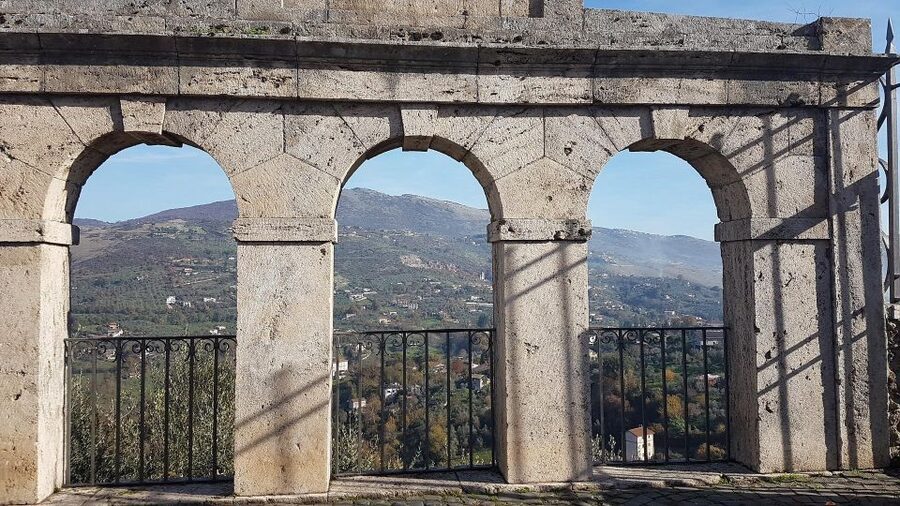
The Palace of Boniface VIII is best understood through its most famous room. The Hall of the Slap is connected to the incident in which Giacomo Sciarra Colonna, leading French soldiers commanded by Nogaret, struck the pope. The event was more than a dramatic quarrel inside a palace. It marked a major break in medieval European politics and helped prepare the way for the Avignonese period.
That story gives the visit a clear focus. You are not simply moving through a sequence of decorated rooms and trying to remember dates. You are seeing a place tied to a contest between papal authority, powerful families, and French political pressure.
The story also explains why this palace matters beyond Anagni. Boniface VIII was a major figure in the Middle Ages, and the building preserves a physical link to his family and residence. If you already know something about medieval church history, the setting adds texture to events you may have previously met only in books.
If you do not know the period well, the audio guide is especially useful. The palace’s importance is not always obvious from its architecture alone. Its value comes from the people who lived here, the changes made to the structure, and the political drama associated with it.
More Palace Entry Tickets in Italy
- Venice: Doge’s Palace Reserved Entry Ticket
★ 4.6 · 42,716 reviews - Florence: Palazzo Vecchio Entrance Ticket & Audioguide
★ 4.4 · 4,822 reviews - Florence: Entrance Ticket to Pitti Palace
★ 4.5 · 4,528 reviews
A medieval structure with later additions
Construction began around the 13th century, giving the palace a firmly medieval foundation. The building was later enlarged, creating the larger rooms that now hold frescoes, paintings, artworks, and valuable furniture.
This mixture of old and later additions is part of the appeal. You get a sense of a structure that developed over time rather than a building created in one clean architectural campaign. The palace is both a medieval residence and a later presentation of art and furnishings.
The building formed part of a complex owned by the Caetani family. That detail matters because it places the palace in the setting of a powerful household, not as an isolated monument. The Caetani connection also leads directly to Boniface VIII, the family’s most famous member.
You should expect the visit to reward attention to context more than speed. The rooms may not take two full hours to cross on foot, but the recorded explanations add layers about the palace, the art, and the historical figures associated with it. Give yourself time to look before moving on.
What you see during the two-hour visit
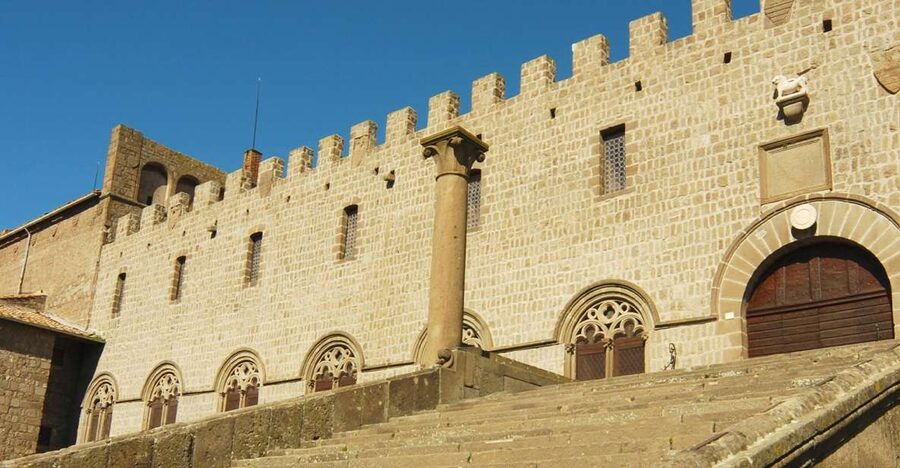
The experience is self-guided with an audio guide rather than a live tour. You begin at the main entrance desk, where you show your ticket. A separate entrance is available for skip-the-line access, which can save time if there is a queue.
Inside, the visit moves through the palace’s historic rooms and displays. The most important stop is the Hall of the Slap, but the experience is not limited to that one chamber. You will also encounter frescoed rooms, paintings, works of art, and valuable furniture.
The palace’s contents help fill out the story. A bare medieval room can be difficult to read, especially when architectural details have changed over the centuries. Furnishings and artwork give the interiors more visual weight, while the audio guide explains why the rooms and objects deserve attention.
The audio commentary is available in Italian, English, and French. This is a useful inclusion at a site where the written clues alone may not tell you what happened or why a particular room matters.
One practical point affects the pace. The audio material is detailed and can be longer than the amount of physical space you are viewing. You may find yourself sitting on a bench to finish a section before moving on. That is not a problem if you enjoy historical explanation, but it can feel slow if you prefer a quick walk through a small palace.
I would treat the two-hour duration as an upper guide, not a strict requirement. You can listen closely and use most of the allotted time, or move more quickly through the recordings if you mainly want the architecture and key rooms. The choice is yours, but the ticket is designed to support a fairly unhurried visit.
The palace as a Caetani family residence
The Caetani family connection gives the palace a social and political dimension. This was part of a family complex, and Boniface VIII was a prominent Caetani figure who later became pope.
That link makes the palace more than a collection of rooms. It shows how family power and church power could overlap in medieval Italy. A visit here works best when you pay attention to that connection. The architecture, furnishings, and decoration are not separate from the story of authority. They reflect the setting of a family with serious influence.
You might also find the contrast between the palace’s intimate scale and the size of the events connected to it striking. The Hall of the Slap is associated with a moment that affected European politics, yet the experience takes place within a relatively focused historic building. That contrast helps make the event feel more tangible.
The palace does not promise a huge museum collection or a long procession of grand halls. Its strength is concentration. In a modest amount of time, you can connect a medieval building, a papal residence, a prominent family, and a crisis involving France and the papacy.
Same royal city, another way in:
- Doge’s Palace & St. Mark’s Basilica with Terrace Access Tour
★ 4.7 · 10,697 reviews - Venice: Doge’s Palace and St Mark’s Basilica Walking Tour
★ 4.4 · 6,291 reviews - Legendary Venice: Doge’s Palace, St Mark’s & VIP Terrace Access
★ 4.5 · 5,033 reviews - Venice: Doge’s Palace and St. Mark’s Basilica Tour
★ 4.5 · 3,734 reviews
Using the audio guide well
The audio guide is the main tool for understanding the visit. It is available in Italian, English, and French, so you can follow the explanation in one of the three listed languages.
I suggest listening selectively if your time is limited. Start with the sections on the palace’s construction, the Caetani family, Boniface VIII, and the Hall of the Slap. Those subjects provide the basic framework. Then return to the recordings about individual artworks and furnishings if you have time and interest.
If you enjoy a slow museum visit, listen to everything. The audio commentary gives the objects and rooms more meaning, and it can help you notice details you might otherwise pass by. The tradeoff is that the recordings can feel long compared with the amount of palace you are looking at.
This is the sort of place where an audio guide is more useful than a quick printed label. The central story involves names, political tensions, and a chain of events that are not self-evident. Without explanation, the palace could feel like a pleasant old building with decorative rooms. With the guide, it becomes a clear historical stop.
Still, do not feel obliged to sit through every word. You are allowed to shape the visit around your own attention span. Listen to the main sections, pause to examine the room, and skip ahead if a recording starts to repeat information you already understand.
Is the $10 ticket good value?
At $10 per person, the palace is reasonably priced for a two-hour cultural visit. The ticket includes entry, skip-the-line access through a separate entrance, the audio guide, tourist information, and access to a bookshop service.
The value depends on what you want from Anagni. If you enjoy medieval history, papal stories, art, and historic interiors, the price is easy to justify. You are paying not only to enter a building, but to get the explanation that connects its rooms to a larger European story.
If you prefer large museums with many galleries and a constant flow of visual displays, you may find the visit less substantial. The palace is focused, and the physical route is not described as extensive. The audio guide makes the experience longer, but much of that time involves listening rather than walking through new spaces.
That distinction is important. The $10 price is good for a concentrated historical site, not for a full-day museum. I would see it as a strong add-on to time in central Anagni rather than the sole reason to build an entire day around the city.
The bookshop service is another small benefit for visitors who like to take home reading material. No food or drinks are included, so plan those separately around your visit.
Who will enjoy this palace most?
This experience suits you if you like places where architecture and political history meet. It is especially fitting for anyone interested in medieval Europe, the papacy, Italian noble families, or the story of Boniface VIII.
It also works well for independent visitors. You do not need to match the pace of a group or follow a guide from room to room. You can listen carefully, pause, and spend extra time in the Hall of the Slap or with the art and furnishings.
Families with older children may find the story of the confrontation memorable, especially if the children have some interest in castles, popes, or medieval conflict. The historical subject gives the visit a sharper hook than a standard room-by-room palace tour.
You may want to think twice if you dislike audio guides or have little patience for seated listening. The commentary is useful, but it can feel longer than the visual part of the visit. If you prefer constant movement, you will probably want to select only the main recordings.
The palace is also a good choice for a short cultural stop because it is in the city center. No hotel pickup or drop-off is provided, so you make your own way there, but the central location makes it practical to pair with other time in Anagni.
Planning the visit in Anagni
The ticket does not include transportation, meals, or drinks. You must show it at the main entrance desk, where the separate skip-the-line entrance is available.
The stated duration is two hours, though your actual time may vary with your listening style. Check the available start times before booking, since the activity does not operate as an open-ended arrival with no schedule information.
The reserve-now, pay-later option gives you some flexibility when your plans are still taking shape. You can also cancel up to 24 hours in advance for a full refund. Those terms are useful if your Lazio itinerary includes several stops and you are not yet certain how long you will spend in Anagni.
Bring enough patience for a self-guided historical visit. The palace is not presented as a fast photo stop. Its strongest material comes through the explanations, and the room connected with the papal confrontation deserves more than a hurried glance.
Final verdict: should you book it?
Book the Palace of Boniface VIII if you want a modestly priced, focused visit built around medieval politics, papal history, and historic interiors. The Hall of the Slap gives the experience a strong central story, while the frescoes, paintings, furniture, and Caetani connection add substance.
I would not book it expecting a huge palace or a packed museum route. The physical visit is compact, and the audio guide can take longer than the rooms themselves. But at $10, with skip-the-line entry and commentary in three languages, it offers solid value for the right kind of visitor.
My practical advice is simple: choose it if you enjoy listening and learning, then allow yourself to skip sections of the audio if the pace feels slow. For a short stop in central Anagni, this palace gives you a clear link to Boniface VIII and one of the most dramatic episodes connected with the medieval papacy.
FAQ
Where is the Palace of Boniface VIII located?
The palace is in the city center of Anagni, in Lazio, Italy.
How long does the visit last?
The listed duration is two hours. You can check available starting times when booking.
What languages are available for the audio guide?
The audio guide is available in Italian, English, and French.
Is skip-the-line entry included?
Yes. The ticket includes skip-the-line entry through a separate entrance.
What is the Hall of the Slap?
It is the room associated with the incident in which Giacomo Sciarra Colonna struck Pope Boniface VIII during a confrontation involving French soldiers commanded by Nogaret.
Are food and drinks included?
No. Food and drinks are not included.
Can I cancel the booking?
Yes. You can cancel up to 24 hours in advance for a full refund. You can also reserve now and pay later.
Fresh palace tours around Italy
- Foligno and the frescoes of Palazzo Trinci, a masterpiece of the Middle Ages – Private Tour★ 4.5 · 2 reviews
- Venaria Royal Palace and Gardens in Turin★ 4.0 · 12 reviews
- Tour of Doge’s Palace and Gondola Ride★ 4.5 · 60 reviews
- Full Venice Walking Tour: Doge’s Palace and St. Mark’s★ 4.6 · 32 reviews
- The places of the Medici family: the Palace and the Chapels★ 4.7 · 12 reviews
- St. Mark’s Basilica, Doge’s Palace & Glass Factory Tour★ 4.1 · 216 reviews
- Venice: St Mark’s Basilica and Doge’s Palace Private Tour★ 4.8 · 56 reviews
- Venice: Doge’s Palace and St. Mark’s Basilica Guided Tour★ 4.6 · 458 reviews
Palace Entry Tickets: the shortlist.

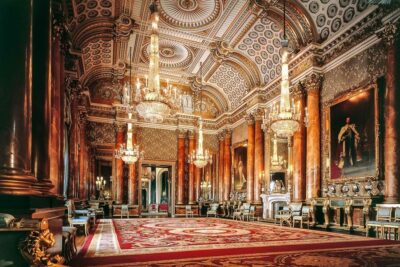
Buckingham Palace: The State Rooms Entrance Ticket
Read our review →
Prague Castle and Lobkowicz Palace Entry Tickets
Read our review →This visit also appears in