
Review · ITALY
Guided Tour of Rolli Palaces UNESCO Site, Genoa
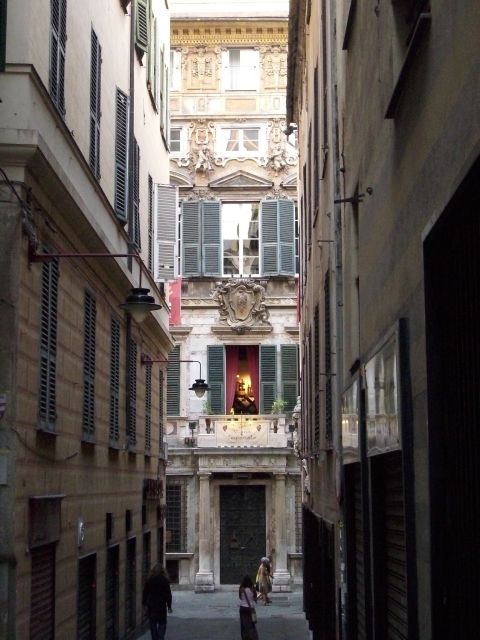
Genoa’s Rolli Palaces turn an ordinary city walk into a tour of grand courtyards, painted rooms, open staircases, and former aristocratic homes. I especially like the mix of famous rooms in Palazzo Rosso and more surprising details, such as Palazzo Lomellino’s concealed fresco and Palazzo Tobia Pallavicino’s Golden Room. At $16, the chance to enter four historic palaces is a strong deal.
I also like the guide-led format, since the buildings can look imposing but confusing without context. Guides including Ana, Manuela, Marina, and Fausta have been praised for clear, lively presentations. The main drawback is that the tour runs in English and Italian, so explanations take longer and some English speakers may find the rhythm less smooth.
Key points to know before you book
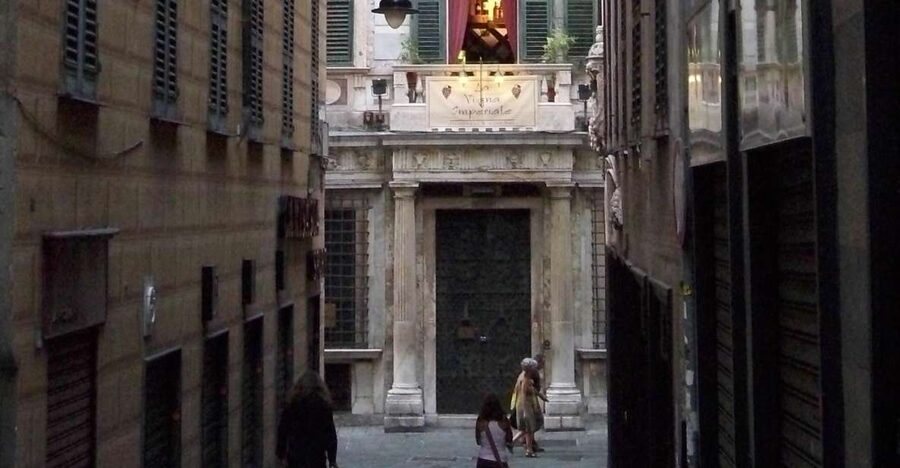
- Four palaces in 2.5 hours: The route includes Palazzo Rosso, Palazzo Lomellino, Palazzo Tobia Pallavicino, and Palazzo Imperiale.
- The Golden Room: Palazzo Tobia Pallavicino supplies one of the tour’s most memorable interiors.
- A concealed fresco: Palazzo Lomellino adds an element of surprise beyond standard palace rooms.
- A bilingual presentation: The guide speaks Italian and English, often covering the same material twice.
- A central meeting point: You begin at the Tourist Information Centre on Via Garibaldi, 12red.
- Excellent value at $16: Entrance to the listed palaces and a guided tour are included.
Why Genoa’s Rolli Palaces matter
In the 16th and 17th centuries, Genoa entered its so-called Golden Century. Wealthy families built grand residences along the city’s finest streets, using courtyards, loggias, staircases, gardens, and decorated rooms to display their power.
These were not simply private mansions. In 1576, the Senate of the Republic of Genoa created a formal system for hosting visiting rulers and officials. The palaces were written into parchment rolls, or rolli, and divided into three balloting lists based on their size and splendor.
When a state dignitary arrived, lots determined which family had to provide accommodation. The first list served cardinals, princes, and viceroys. The second covered major landowners, while the third was for lesser princes and ambassadors. It was an organized public hospitality system, centuries before modern luxury hotels.
That background gives the tour real purpose. You are not only looking at painted ceilings. You are seeing the buildings that helped Genoa manage diplomacy, prestige, and social rank. The palaces were later recognized by UNESCO in 2006.
The system even caught the attention of Peter Paul Rubens. In the early 17th century, the Flemish painter published drawings of Genoa’s palaces as models for the nobility of Antwerp. That connection helps explain why these buildings matter beyond the city itself.
More palaces to tour around Italy:
- Venice: Doge’s Palace Reserved Entry Ticket
★ 4.6 · 42,716 reviews - Doge’s Palace & St. Mark’s Basilica with Terrace Access Tour
★ 4.7 · 10,697 reviews - Venice: Doge’s Palace and St Mark’s Basilica Walking Tour
★ 4.4 · 6,291 reviews
Starting on Via Garibaldi
The tour begins at the Tourist Information Centre at Via Garibaldi, 12red, in central Genoa. Via Garibaldi is the natural setting for this experience, since it is lined with many of the city’s most impressive historic residences.
I would arrive ready to walk and climb. The route is described as walk-friendly, but it includes plenty of stairs. One participant specifically advised preparing for lots of steps, while also saying the effort was worthwhile.
The guide leads the group between palace entrances and explains how each building fits into the Rolli system. Since the tour lasts about two and a half hours, the pace needs to stay steady. You get a focused look at several interiors rather than a slow, room-by-room visit to one building.
The group may be small, depending on the departure. That can make it easier to hear the guide and ask questions, though the bilingual format can affect the timing. The guide normally moves between Italian and English, and the order or length of each explanation may vary.
Palazzo Rosso and the Strada Nuova Museums
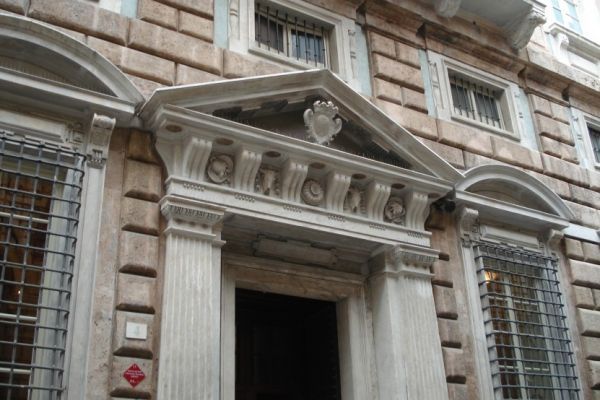
Palazzo Rosso is one of the tour’s central stops. It forms part of Genoa’s Strada Nuova Museums, a group of important historic residences and collections along the city’s grand former street.
Inside, you can expect decorated rooms filled with art and architectural detail. The appeal is not just the individual paintings or furnishings. The building itself shows how Genoese noble families used interiors to project status through scale, color, ceiling decoration, and carefully arranged rooms.
The tour includes entrance to Palazzo Rosso, so you do not need to treat it as a quick outside viewing. A guide adds useful structure here, especially if you are unfamiliar with Genoese art or the families who owned these homes.
One earlier participant also described a 360-degree view from the top of Palazzo Rosso as a memorable finish. Since the official description focuses on the palace entrance rather than guaranteeing that view, treat it as a possible extra rather than the main reason to book.
Palazzo Rosso is likely to appeal most to anyone who enjoys paintings, noble interiors, and the connection between art and political power. If your main interest is architecture, the other stops may prove just as important.
Palazzo Tobia Pallavicino and the Golden Room
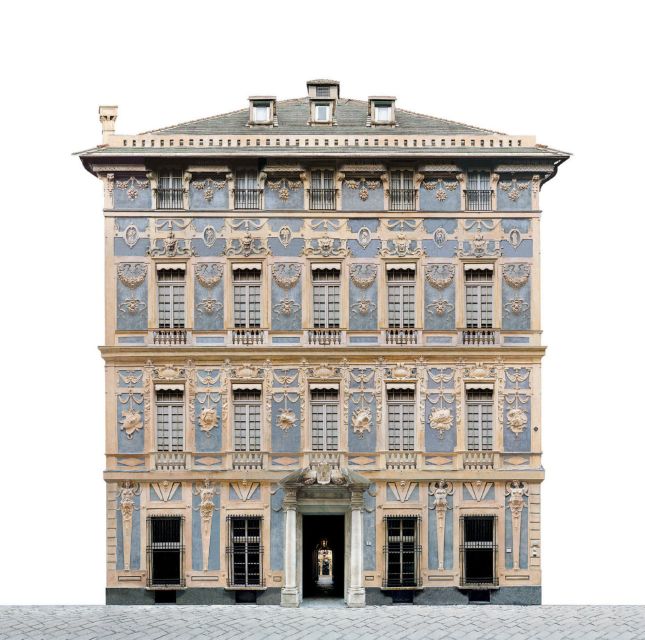
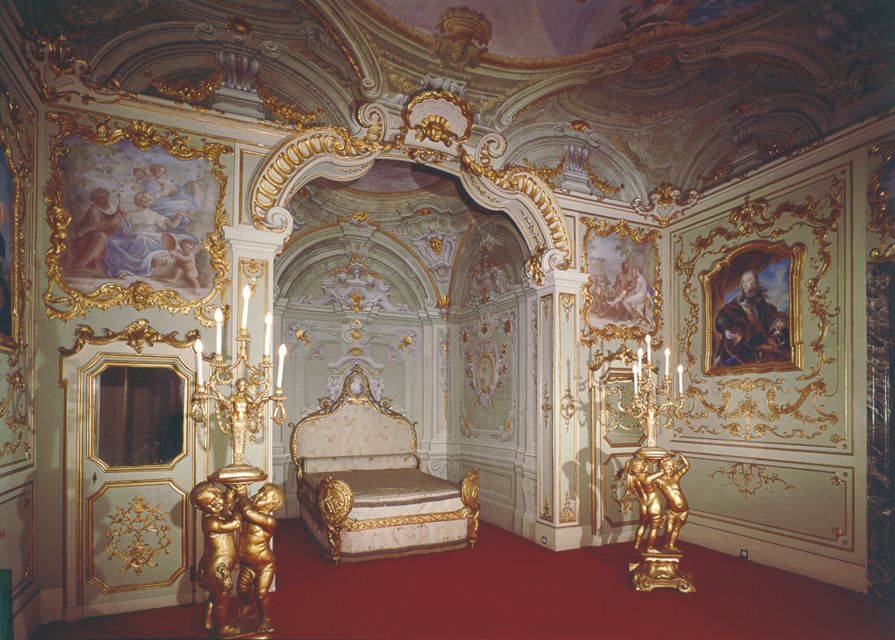
The Golden Room in Palazzo Tobia Pallavicino is one of the clearest highlights. Its name tells you what to expect: an ornate interior designed to impress through decoration and precious-looking finishes.
This stop helps show how the Rolli residences differed from ordinary homes. The palaces were built for ceremony and display. A room like this was meant to signal wealth to family members, political allies, and important visitors.
I like this part of the route because it gives the tour a strong visual focus. After hearing about Genoa’s merchant families and diplomatic duties, you see the kind of setting in which that power was presented.
The exact amount of time available in each building can depend on the group and the day’s arrangements. One participant felt that seeing more of each palace would have improved the tour, since only part of a building may be open or included. That is worth remembering if you want a full museum visit rather than a guided overview.
Same royal city, another way in:
- Legendary Venice: Doge’s Palace, St Mark’s & VIP Terrace Access
★ 4.5 · 5,033 reviews - Florence: Palazzo Vecchio Entrance Ticket & Audioguide
★ 4.4 · 4,822 reviews - Florence: Entrance Ticket to Pitti Palace
★ 4.5 · 4,528 reviews - Venice: Doge’s Palace and St. Mark’s Basilica Tour
★ 4.5 · 3,734 reviews
Palazzo Lomellino and the surprise fresco
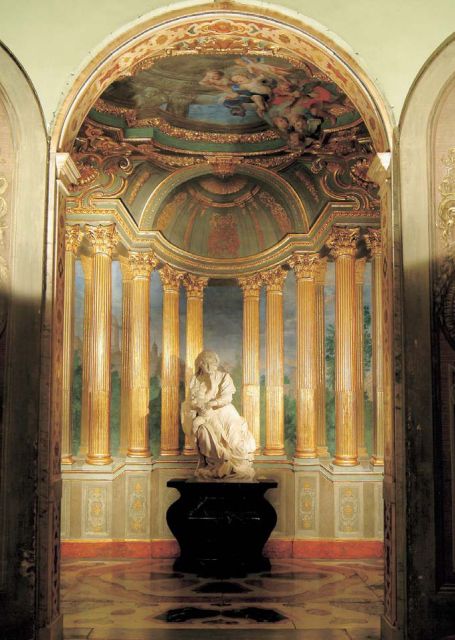
Palazzo Lomellino adds a little mystery to the route. The tour includes a look at a hidden fresco, a detail that gives the visit more personality than a standard procession through grand rooms.
You might find this stop especially rewarding if you like unusual discoveries. The famous rooms are easy to anticipate, but a concealed work of art makes you look more closely at the building and wonder what else has been overlooked.
The palace also connects with the broader design of Rolli residences, where courtyards, staircases, loggias, and gardens were often arranged across different levels. The buildings were not simple blocks of rooms. They were carefully planned spaces that controlled movement and views.
A surprise garden has also been part of the experience for some groups. The official description refers to gardens and loggias as part of the Rolli system, while individual access can depend on the palace and conditions that day. I would welcome the garden if it is available, but I would book the tour for the palaces as a whole rather than for one guaranteed outdoor feature.
Palazzo Imperiale and its grand staircase
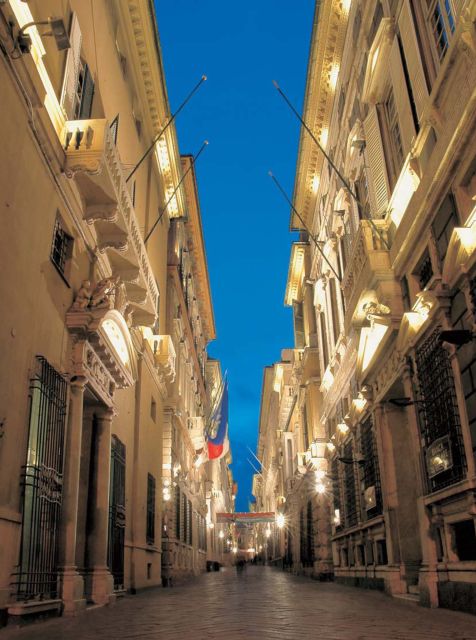
Palazzo Imperiale brings the tour back to architecture and movement. The entrance is included, and the magnificent stairs are a featured part of the visit.
Grand staircases were practical, but they also made arrivals theatrical. A visiting dignitary did not simply enter through a plain door and walk into a room. The route through the building could reinforce rank and ceremony before the guest reached the main reception spaces.
This is also where the physical nature of the tour becomes clear. You will be walking between palaces and climbing stairs inside them. The route is manageable for many people, but anyone who dislikes steps should take the description seriously.
The palace visits are not all identical. Some may offer a larger range of rooms, while others focus on a particular staircase, hall, work of art, or architectural feature. That variety is part of the appeal, though it can leave you wanting to see more of a building.
What the bilingual guide adds
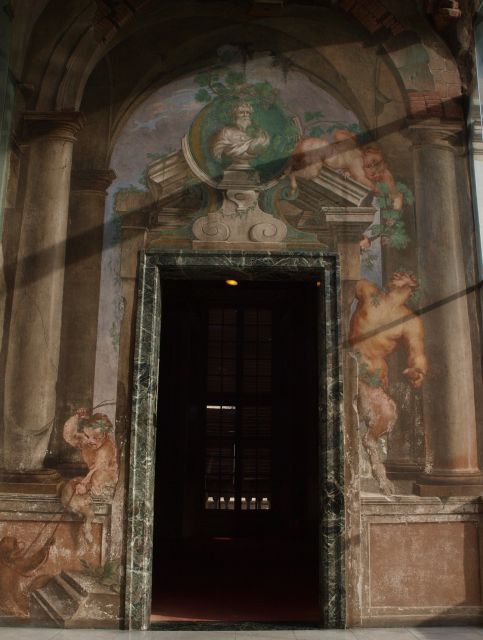
A good guide is especially useful in Genoa, where the city’s architecture can be grand but its story is not always obvious at first glance. The guide explains how the Rolli lists worked, why the palaces were built, and how art, business, diplomacy, and family status came together.
The strongest guide reports describe lively, clear presentations with room for questions. Ana was praised for being funny, patient, and easy to understand. Manuela was described as generous with her time and particularly strong in English. Marina was noted for a friendly and thorough presentation, while Fausta was praised for handling both languages without making the tour feel tiring.
The bilingual format has a real advantage: Italian speakers and English speakers can share one tour. It also has a cost. You often wait while the guide repeats the explanation, so a section may take longer than it would on an English-only tour.
One English-speaking participant felt that the repeated explanations were a problem, while another said the guide handled the switch well and kept the group involved. Your experience will depend partly on the guide assigned and on the balance of languages in that departure.
I would not book this as a fast-paced sightseeing sprint. The bilingual structure suits you if you value a shared group experience and can accept pauses. If you want the most compact possible commentary, an English-only tour would be more efficient, but that option is not specified here.
Is four palaces in 2.5 hours enough?
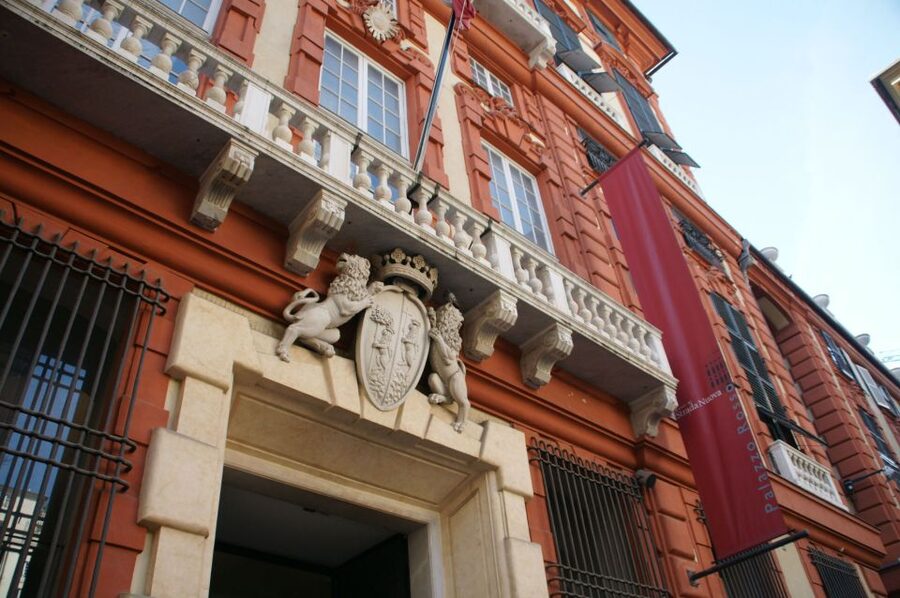
The tour gives you breadth. In two and a half hours, you see four separate residences and several different types of interior: museum rooms, a highly decorated Golden Room, a concealed fresco, and a grand staircase.
That is a sensible way to meet Genoa’s Rolli system. You get a clear sense of the network rather than mistaking one palace for the entire story.
The trade-off is depth. You will not receive a full visit to every room in every building. One participant specifically wished the tour included the whole of each palace instead of only one floor or a limited section.
I see this as an introduction and a strong orientation, not a replacement for an independent museum visit. If Palazzo Rosso captures your interest, you can plan to return or spend extra time there separately, subject to opening arrangements.
The route also appears designed to keep the walking manageable between sites. Even so, you should allow for stairs and a steady pace. Comfortable shoes make sense, and anyone with limited stamina should consider the number of palace levels before booking.
The $16 price and overall value
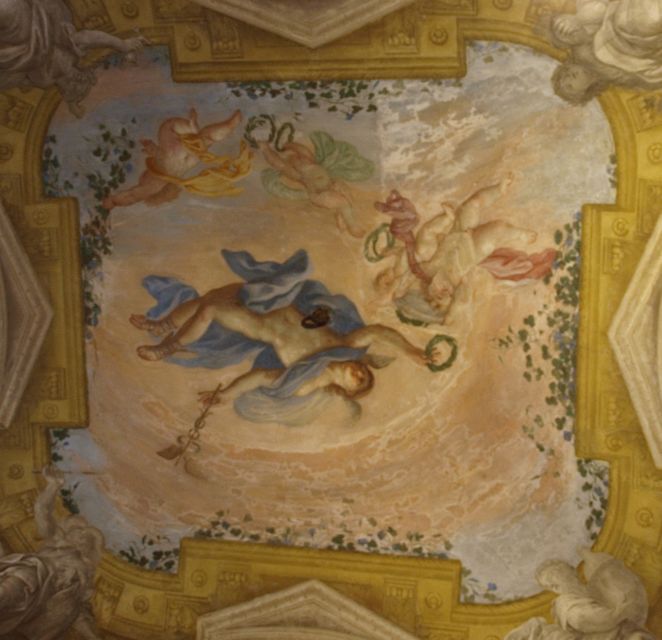
At $16 per person, this is one of the better-value ways to see Genoa’s Rolli Palaces. The price includes the guide and entrance to Palazzo Imperiale, Palazzo Rosso, Palazzo Lomellino, and Palazzo Tobia Pallavicino.
The value is strongest if you would otherwise pay separate admission to several sites and want the buildings explained as one connected story. You are paying for access plus interpretation, not simply a walk down Via Garibaldi.
The tour is less useful if you plan to spend hours studying individual artworks or want complete freedom to linger. The group schedule and bilingual explanations set the pace.
The current rating is 4.4 out of 5 from 539 ratings, which fits the main pattern of the experience: strong praise for the guides, art, organization, and value, with the bilingual format as the main reservation.
You can reserve now and pay later, and cancellation is available up to 24 hours before the start for a full refund. Those terms are useful if your Genoa plans are still shifting.
Who should book this palace walk?
I would choose this tour if you are visiting Genoa for the first time, enjoy architecture and art, and want a clear introduction to the city’s aristocratic past. It also suits you if you like seeing several important places in a short period rather than building your own route.
It is a good choice for English and Italian speakers traveling together. A bilingual guide lets everyone follow the same explanation, even if the repeated commentary adds time.
Families with older children may find the palaces more engaging than a traditional museum because the route includes secretive details, dramatic staircases, and decorated rooms. The number of steps is the main point to consider.
I would hesitate if you need a fully English-only experience, have difficulty climbing stairs, or prefer long, quiet visits in each room. I would also avoid treating the tour as a complete study of every Rolli building.
Should you book the Rolli Palaces tour?
Yes, if you want an inexpensive, well-organized introduction to Genoa’s UNESCO-listed residences. The combination of four palaces, strong guides, and a $16 price makes this easy to recommend for most first-time visitors.
Book it knowing what it is: a lively overview with access to memorable interiors, not a private deep examination of every room. The Golden Room, Palazzo Rosso, hidden fresco, and Imperial staircase provide enough variety to keep the two and a half hours moving.
If the bilingual format does not bother you, this is a practical way to understand why Genoa’s palaces mattered. Bring comfortable shoes, allow for repeated English and Italian commentary, and expect the buildings to leave you curious about the rooms you did not get to see.
FAQ
How long does the Rolli Palaces tour last?
The tour lasts 2.5 hours.
What languages are used during the tour?
The tour is conducted in English and Italian by a bilingual guide.
Where does the tour begin?
It starts at the Tourist Information Centre at Via Garibaldi, 12red, 16124 Genova GE, Italy.
Which palaces are included?
The tour includes Palazzo Imperiale, Palazzo Rosso, Palazzo Lomellino, and Palazzo Tobia Pallavicino.
Is entrance to the palaces included in the price?
Yes. The guided tour includes entrance to Palazzo Imperiale and Palazzo Rosso, plus visits to Palazzo Lomellino and Palazzo Tobia Pallavicino.
How much does the tour cost?
The listed price is $16 per person.
Can I cancel the booking?
You can cancel up to 24 hours in advance for a full refund. You can also reserve now and pay later.
Fresh palace tours around Italy
- Foligno and the frescoes of Palazzo Trinci, a masterpiece of the Middle Ages – Private Tour★ 4.5 · 2 reviews
- Venaria Royal Palace and Gardens in Turin★ 4.0 · 12 reviews
- Tour of Doge’s Palace and Gondola Ride★ 4.5 · 60 reviews
- Full Venice Walking Tour: Doge’s Palace and St. Mark’s★ 4.6 · 32 reviews
- The places of the Medici family: the Palace and the Chapels★ 4.7 · 12 reviews
- St. Mark’s Basilica, Doge’s Palace & Glass Factory Tour★ 4.1 · 216 reviews
- Venice: St Mark’s Basilica and Doge’s Palace Private Tour★ 4.8 · 56 reviews
- Venice: Doge’s Palace and St. Mark’s Basilica Guided Tour★ 4.6 · 458 reviews
Italy Palace Tours: the shortlist.
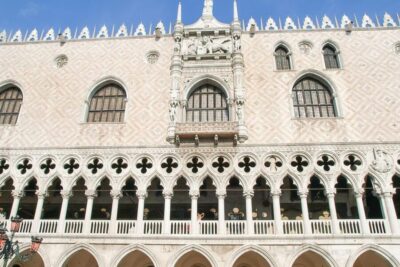
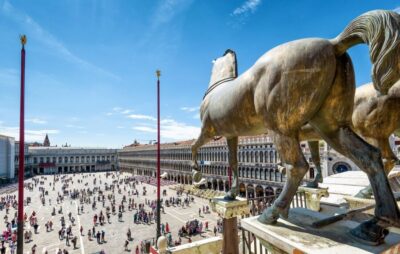
Doge’s Palace & St. Mark’s Basilica with Terrace Access Tour
Read our review →
Doge’s Palace and St Mark’s Basilica Walking Tour
Read our review →
Legendary Venice: Doge’s Palace, St Mark’s & VIP Terrace Access
Read our review →
Venice In a Day: St Mark’s, Doges Palace Gondola Ride & City Tour
Read our review →
St. Mark’s Basilica & Doge’s Palace Tour with Ticket
Read our review →This visit also appears in