
Review · PALACES WORLDWIDE
Bioul (near Dinant) : Château de Bioul Tour and Wine Tasting
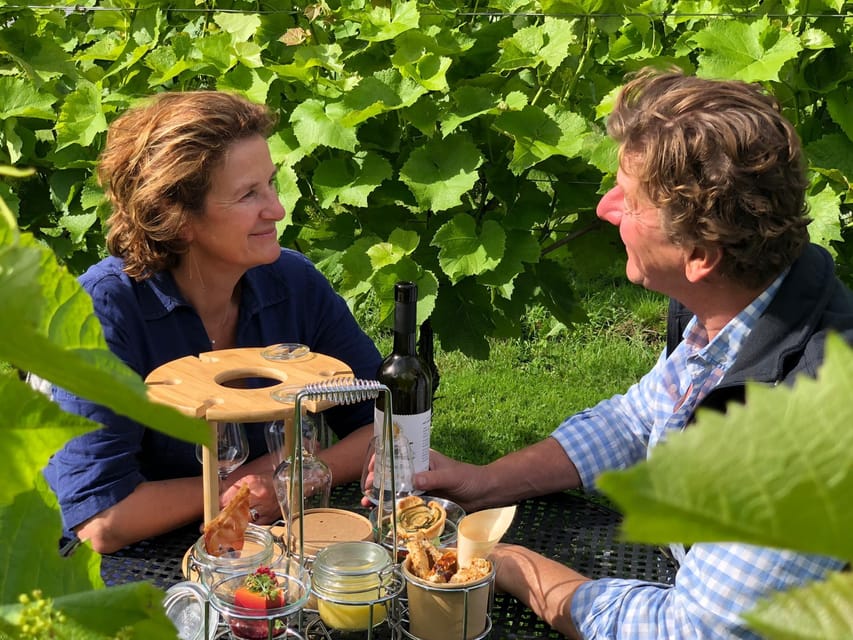
Château de Bioul gives you more than a wine tasting. You move through a 10th-century estate, a family château, a centenary park, vineyards, and working wine facilities, then finish with local wines and products. I like the clear link between the property’s old family story and its newer Belgian wine project.
I also like the attention given to the Le Bon Marché story and the estate’s presentation of grape-to-glass production. The main drawback is access: the visit is not suitable for wheelchair users or people with mobility impairments, and you should expect to walk outdoors.
Key points at a glance
- A château with medieval roots: The Seigneurie de Bioul appears in written records from 1210, while the same family has cared for the property since 1906.
- Wine from grape to glass: The discovery tour connects the vineyards, winery, and finished vintages.
- Family history beyond the château: You learn how the estate’s story links to Le Bon Marché and the later GB-INNO-BM group.
- A tasting at the end: Local wines and products give the visit a practical finish rather than leaving the wine story in the cellar.
- French and English support: A French or English audio guide is included, with hosts or greeters available in both languages.
- A walking visit: Comfortable shoes matter, and the experience is not designed for wheelchair users.
Arriving at a château with 10th-century roots
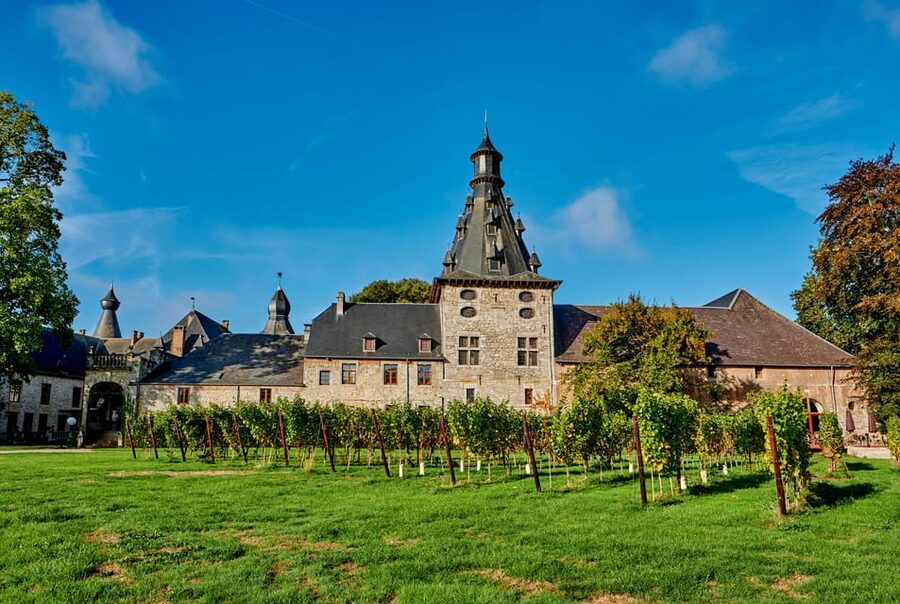
Château de Bioul is near Dinant in Wallonia, a part of Belgium known for old towns, river valleys, and compact day trips. The château gives you a reason to leave the town center and spend time on an estate where architecture, family life, and wine production share the same setting.
The Seigneurie de Bioul has been a local landmark since at least the 10th century. A knight and lord called Gobert d’Orbais, also known as Gobert de Bioul, appears in records from 1210. That early reference gives the place a useful sense of scale: this is not a modern tasting room with a decorative old façade attached.
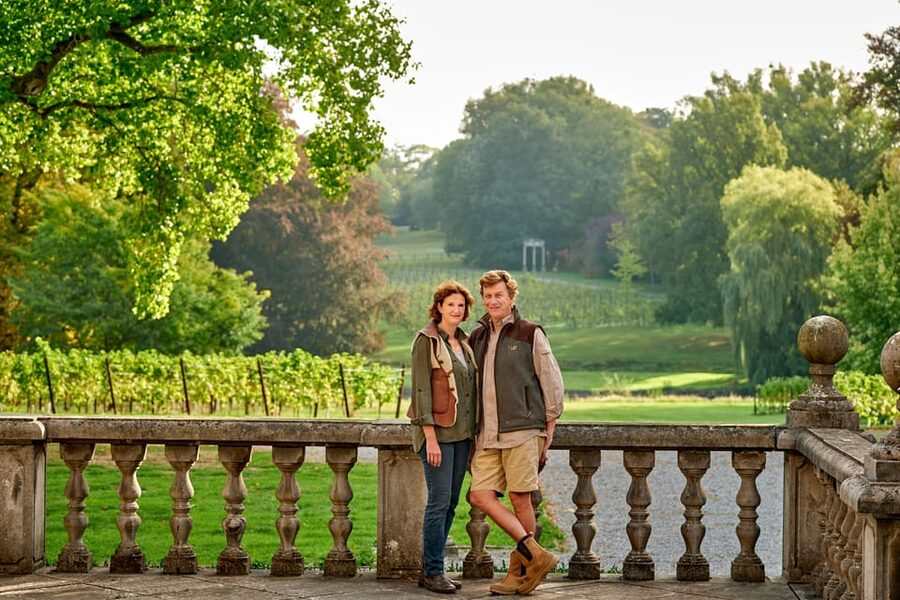
Since 1906, the château has remained with the same family. Today, Andy and Vanessa Wyckmans-Vaxelaire carry on that connection. The family’s motto, In Arduis Constans, translates as Perseverance in Difficulty. You will hear that idea in the way the estate presents its past, with attention to family loyalty, hard work, and continuity.
That personal angle helps the château feel different from a standard winery visit. You are not only being shown rows of vines and bottles. You are also being shown how a family has kept a property alive across several generations.
More food and drink near the palace gates around the world:
- The Only Locally Owned Non-Touristy Food Tour by Spade & Palacio
★ 5.0 · 701 reviews - Dijon: La Cave du Palais Burgundy Wine Tasting Experience
★ 4.8 · 400 reviews - Lisbon: Sintra, Pena Palace & Wine Tasting Small-Group Tour
★ 4.9 · 156 reviews
Reading the château through its changing architecture
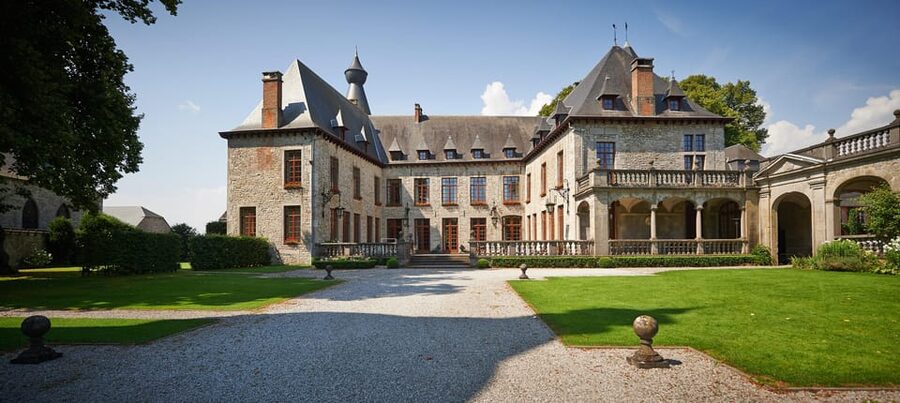
The château’s architecture reflects several periods rather than one neat design style. Inside, you can expect statues, period decorative features, and less obvious corners that reward a slower pace.
The property is presented as both a residence and a heritage site. That matters because the rooms help explain how the estate functioned before wine became its main visitor attraction. You are not simply passing through a grand entrance, looking at one room, and heading straight to the tasting.
Photography is allowed, but you cannot use flash inside the château. Bring a camera if you enjoy architectural details, but keep it ready for quiet, no-flash photography indoors. Outside, the tree-lined park gives you another reason to pause, especially if you prefer buildings and gardens to cellar equipment.
The word majestic can be overused for old European houses, so I would keep expectations sensible. This is a family château with varied architecture, historic objects, a park, and a wine program. It is not presented as a vast royal palace, and the appeal comes from the combination of elements rather than from one spectacular room.
The family story behind Le Bon Marché
One of the more unusual parts of the visit is the connection to Le Bon Marché, the business that later became the GB-INNO-BM group. This gives the tour a commercial and social history that many winery visits lack.
You learn how the estate’s family story connects with that well-known retail background. The detail is useful because it shows the family in more than one role: landowners, businesspeople, and now Belgian wine producers.
For you, this section adds context to the château’s current project. It explains why family heritage is such a strong theme here and why the wine operation is presented as a long-term undertaking rather than a quick business trend.
The heritage material is also a good reason to book this visit even if wine is not your main interest. You can follow the family and property story through the château, then treat the wine tasting as the final part of a wider cultural visit.
Walking from the vineyards to the winery
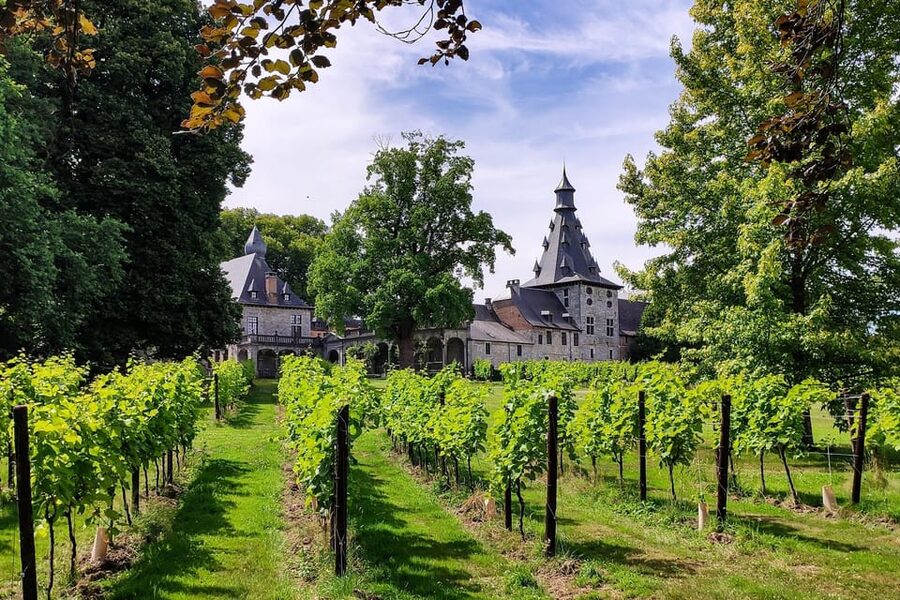
The discovery tour takes you into the estate’s vineyards and wine facilities. The point is to follow the vintages from grape to glass, so the visit should give you a basic working picture of how the estate’s wine is made.
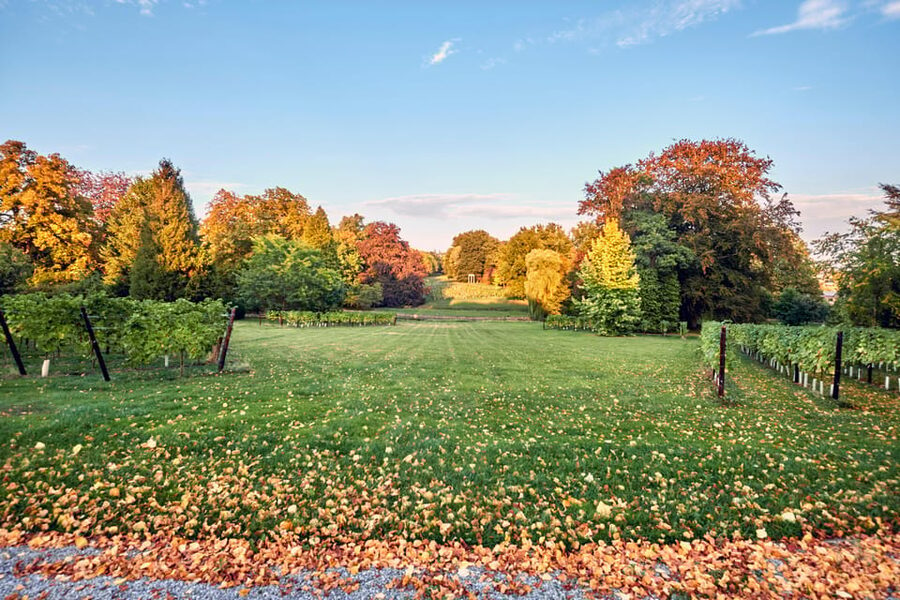
You can expect the vineyard portion to connect the wine in your glass with the land around the château. That sounds obvious, but it is useful to see the two parts together. The vines are not an abstract source of ingredients introduced only during the tasting. They are part of the property you have just explored.
The winery section adds the production side. You learn about the estate’s wine-making process and how the final bottles move from the harvest stage toward the tasting table. The supplied information does not give a detailed production schedule or name particular grape varieties, so I would not arrive expecting a technical masterclass on every tank, barrel, or fermentation method.
Instead, think of this as a clear introduction to Belgian wine at one specific estate. You get the setting, the family background, the vineyard, the facilities, and the final tasting. That structure is likely to suit you if you want enough explanation to understand the wine without spending a full day in a specialist course.
The tour also makes good use of the property’s size. You are not confined to a shop or a small indoor tasting room. Access to the vineyards, winery, and centenary park is included, which gives the visit a more complete feel for the $35 price.
Same royal city, another way in:
- Venice: Doge’s Palace Reserved Entry Ticket
★ 4.6 · 42,716 reviews - Paris: Versailles Palace and Gardens Full Access Ticket
★ 4.6 · 41,579 reviews - Granada: Alhambra & Nasrid Palaces Tour with Tickets
★ 4.7 · 19,801 reviews - Sintra: Pena Palace and Park Entrance Ticket
★ 4.2 · 17,410 reviews
The centenary park and the outdoor part of the visit
The park is one of the quieter pleasures of the estate. Tree-lined grounds soften the formal château setting and give you space to see the property from outside its rooms.
This is also where practical planning matters. Wear comfortable walking shoes, check the weather before you go, and do not assume that the entire experience takes place indoors. Rain or uneven ground could make the outdoor sections less comfortable, especially for anyone who has trouble walking.
The park is included with the discovery tour, not treated as an extra add-on. That improves the value for visitors who enjoy gardens, old trees, and a break between the château rooms and wine facilities.
Still, the mobility warning is important. The activity is not suitable for people with mobility impairments or wheelchair users. If you need step-free access or a shorter walking route, contact the château before booking rather than assuming the historic property can accommodate every need.
Tasting Belgian wine and local products
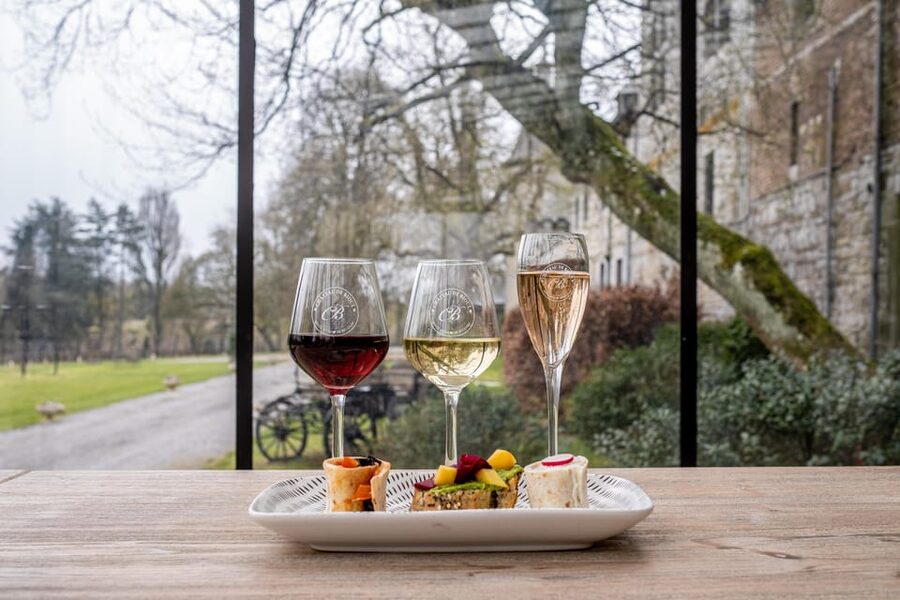
The visit ends with a tasting of local wines and products in the heart of the estate. This final step gives you a chance to connect the historical and technical parts of the tour with something immediate and enjoyable.
The tasting is included in the $35 price. That is a fair cost if you plan to spend time with the château, park, vineyards, winery, and heritage presentation. You are paying for a full estate visit with wine at the end, not only for a few small pours at a counter.
The available information does not specify the exact number of wines, serving sizes, or food pairings. Keep that in mind when comparing the price with a dedicated wine tasting. If your main goal is to sample a long list of vintages, a specialist tasting elsewhere may offer more glasses. If you want the story and setting as well as the wine, Château de Bioul makes better sense.
Local products also help the tasting feel tied to Wallonia. The focus is not only on the bottle. You get a sense of how regional food and wine fit together, although you should not treat the tasting as a full meal. Meals are not included, so plan food separately if you are spending the day in the area.
The tasting is also a useful test of how much you enjoyed the wine story. You can compare what you have learned about the vineyards and production with the finished drink in your glass. That simple grape-to-glass connection is one of the strongest parts of the experience.
What $35 gets you
At $35 per person, this is priced above a quick cellar tasting but below many full-day guided outings. The value depends on how you use it.
You receive:
- Access to the château and its historic rooms
- A discovery tour of the estate
- Access to the vineyards and winery
- Entry to the centenary park
- A wine tasting
- Local products during the tasting
- French or English audio-guide support
Transportation to and from the château is not included, and no meal is included. You therefore need to arrange your own way to Bioul and decide where you will eat before or after the visit.
The stated validity is one day, with starting times checked when you choose a date. The experience is not described as a fixed multi-day program, so I would set aside a substantial part of your day without assuming that the tour itself lasts from morning to evening. The exact start time and available schedule should guide your plans.
The booking terms are friendly for changing plans. You can reserve now and pay later, and cancellation is free up to 24 hours in advance for a full refund. That is useful if weather may affect your enjoyment of the park and vineyards.
Languages, audio guides, and the pace of the visit
French and English are supported by the host or greeter, and an audio guide is included in both languages. That makes the visit easier for international visitors who want more detail than a quick translated summary.
An audio guide can also suit you if you prefer to move at your own pace. Historic rooms and outdoor grounds do not always work well when everyone must remain close to one guide, so the format may let you spend more time with the parts that interest you most.
You should not expect every question to be answered by a named specialist guide. No individual guide is listed for this activity. The dependable point is language access in French and English, plus the included audio guide.
Bring a camera, but remember the no-flash rule inside the château. Smoking is not allowed. Those are small details, yet they matter in a historic home where preservation is part of the experience.
Who will enjoy Château de Bioul most
I would recommend this visit to you if you like a mixture of culture and food. It works particularly well for people who want to learn about Belgian wine but do not want a technical course that focuses only on production.
It is also a good match for family-history enthusiasts. The 1906 handover to the current family line, the motto about perseverance, and the Le Bon Marché connection give the visit a human story.
Architecture lovers should find enough variety to justify the château portion, especially if statues, decorative features, and historic interiors appeal to you. The park adds outdoor breathing room and keeps the visit from feeling like a sequence of rooms.
Wine experts may want more precise information about grape varieties, vintages, and production methods. Those details are not provided here, so I would choose this as a cultural estate tour with wine, not as an advanced tasting session.
The biggest limitation is physical access. If walking through historic rooms, vineyards, winery areas, and park grounds is difficult for you, this may not be the right choice. The site is specifically not suitable for wheelchair users or people with mobility impairments.
My practical verdict on the estate visit
I like Château de Bioul because it gives Belgian wine a setting and a story. You begin with a property connected to medieval records, move through a family château and park, learn about a business family linked to Le Bon Marché, then follow the estate’s vintages through the vineyard and winery before tasting the result.
The strongest feature is the combination of heritage and wine know-how. The most praised qualities are the family heritage presentation, the educational museum-style material, the attractive estate, and the chance to taste Belgian wine in the place where it is produced.
You should book it if you want a thoughtful day trip near Dinant and value context as much as the tasting itself. I would skip it if you need full wheelchair access, want a complete meal, or are searching only for an intensive technical wine class.
FAQ
Where is Château de Bioul?
Château de Bioul is near Dinant in Wallonia, Belgium.
How much does the tour cost?
The listed price is $35 per person.
How long is the activity valid?
The booking is valid for one day. You should check the available starting times for your chosen date.
What is included in the experience?
The visit includes the estate discovery tour, wine tasting, access to the vineyards and winery, and access to the centenary park.
Is transportation included?
No. Transportation to and from Château de Bioul is not included.
Are meals included?
No. Meals are not included in the activity.
Is the tour available in English?
Yes. The host or greeter and the audio guide are available in French and English.
Is Château de Bioul accessible to wheelchair users?
No. The activity is not suitable for wheelchair users or people with mobility impairments. Comfortable walking shoes are recommended.
Fresh palace tours around the world
- Bangkok Private Grand Palace Emerald Buddha and Reclining Buddha★ 4.5 · 2 reviews
- Bangkok Markets, Palaces and Temples Excursion★ 5.0 · 8 reviews
- Bangkok Two Temple Tour: Wat Pho, Emerald Buddha & Grand Palace★ 5.0 · 4 reviews
- Bangkok Royal Road – Top 3 Major Monuments (Grand Palace, Wat Pho, Wat arun)★ 4.5 · 111 reviews
- Bangkok Grand Palace and Emerald Buddha Tour★ 4.0 · 91 reviews
- Bangkok’s Landmarks Tour : GrandPalace WatTraimit WatPho WatArun★ 5.0 · 8 reviews
- Private Tour: Grand Palace,Wat Phra Kaew, Museum&Cooking Class★ 5.0 · 7 reviews
- Bangkok Grand Palace & Emerald Buddha Flexible Entry with Audio★ 3.5 · 3 reviews