
Review · FRANCE
Dijon: La Cave du Palais Burgundy Wine Tasting Experience
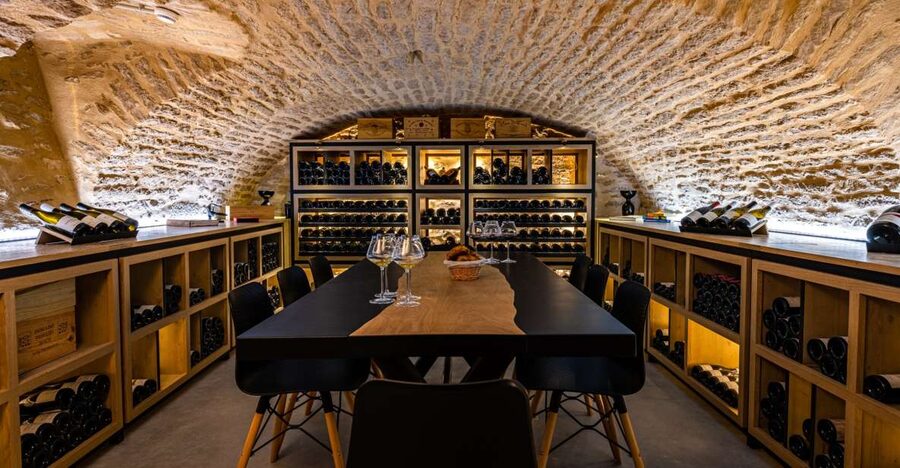
Dijon’s La Cave du Palais puts the best part of Burgundy wine tasting underground, inside an old vaulted cellar in the Hotel du Palais. In 90 minutes, you work through six wines, moving from regional appellations toward the prized Grand Cru level while learning why a vineyard’s exact location and a wine’s age matter so much.
I like the small groups of up to eight, which leave room for questions and conversation. I also like the setting: this is not a bright shop counter, but an intimate cellar in the city center. The main consideration is that the experience stays in Dijon rather than taking you into the vineyards, and it is not suitable for wheelchair users, children under 18, or pregnant women.
Key points at a glance
- Six wines in 90 minutes: Expect a focused tasting rather than a long meal or full-day vineyard outing.
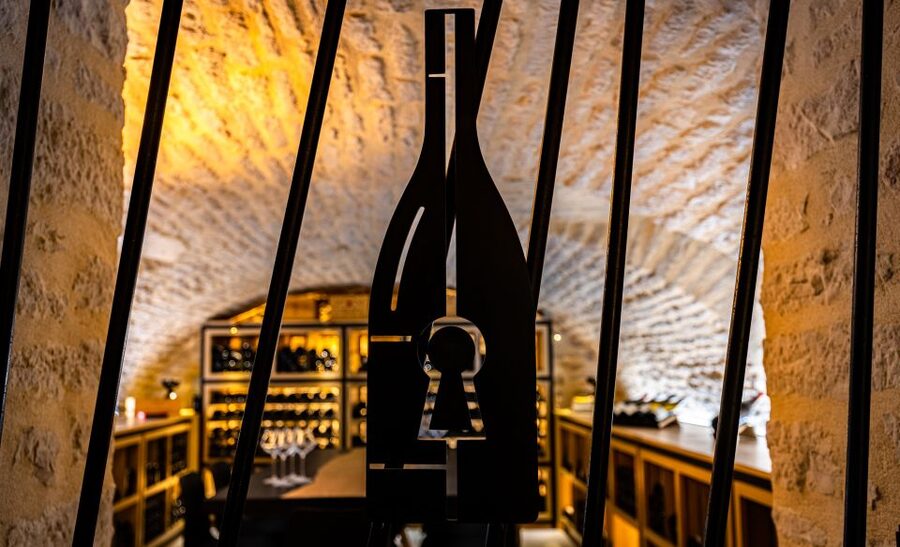
- A historic cellar setting: La Cave du Palais occupies original underground cellars associated with the Hotel du Palais, with a setting described as dating to the 15th century.
- A lesson in Burgundy’s wine map: The tasting explains climates, soil, location, appellations, and aging as you compare the bottles.
- Regional to Grand Cru: You taste across Burgundy’s classification levels, including the region’s highest qualification.
- A genuinely small group: The maximum is eight people, though some sessions may be smaller.
- City-center convenience: The meeting point is about a five-minute walk from Place de la République, so no car is needed.
Why this Dijon tasting works so well
Burgundy wine can seem confusing at first. The labels often emphasize the place where the grapes were grown more than the grape variety itself. A tasting that explains this system while you have the wines in front of you is far more useful than simply hearing a list of famous villages.
That is the strength of La Cave du Palais. The host does not just pour six glasses and name them. The session connects the wine to its climat, the Burgundian term for a precisely defined vineyard site, and to the appellation printed on the bottle. You get a chance to taste the difference rather than treating the subject as a geography lesson.
The format also suits Dijon well. You can spend the morning exploring the old city, visit the Palace of the Dukes, and then walk to the cellar for a seated, indoor activity. It makes a good afternoon plan, especially if a full vineyard excursion does not fit your schedule.
The $64 price is reasonable for what is included: six tastings, live commentary, and a 90-minute session in a special location. It is not the cheapest way to drink wine in Dijon, but six serious pours and an expert explanation can cost less than buying several bottles and trying to decode them alone. There are no extra tastings included, so the value rests on the selection and the quality of the presentation.
More food and drink near the palace gates around France:
- Medoc or Saint Emilion Wine Tasting and Chateau from Bordeaux
★ 5.0 · 1,415 reviews - Beaune: Wine Tasting at Château de Pommard
★ 4.6 · 353 reviews - Châteauneuf du Pape Wine Day Tasting Tour including Lunch from Avignon
★ 5.0 · 287 reviews
Finding La Cave du Palais in central Dijon
La Cave du Palais is located inside the Hotel du Palais, around a five-minute walk from Place de la République. That central position is a real advantage. You do not need a taxi, rental car, or transfer into the countryside, and the tasting can fit neatly between other Dijon sights.
Give yourself a few extra minutes to find the hotel and check the exact entrance instructions before the start time. The experience takes place below street level, so the setting changes quickly from central Dijon streets to a quieter cellar interior.
This is an urban wine experience, not a visit to a working estate. You will not walk among vines or watch production in the vineyard. If your priority is seeing Burgundy’s countryside, a day trip to the wine villages will offer more scenery. If your priority is understanding the wines before you explore further, this city-center format is efficient.
Entering the vaulted cellar
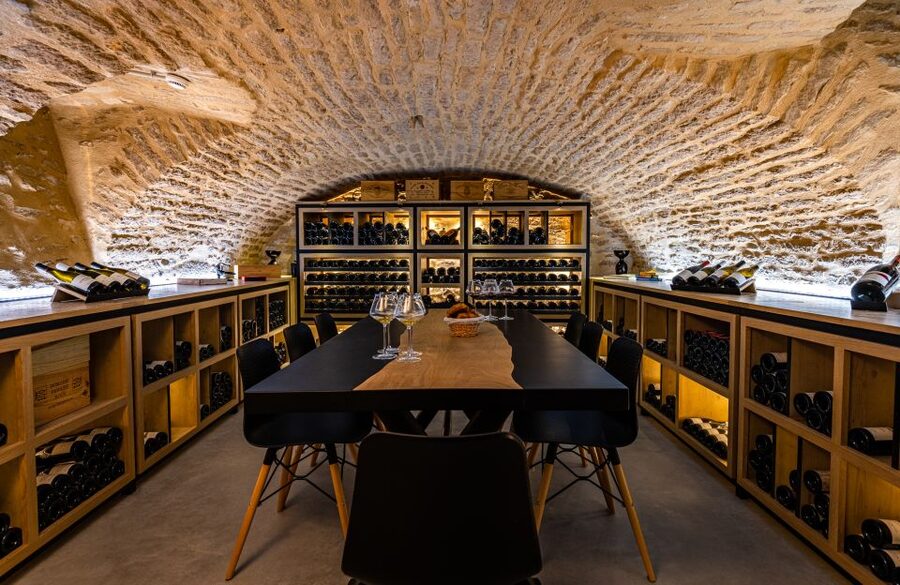
The cellar is one of the main reasons to book this particular tasting. It is described as an ancient, original underground space with vaulted ceilings, and one session was held in a cellar dating to the 15th century. The mood is intimate and traditional without requiring a long journey outside town.
The room gives the tasting a sense of place. Burgundy wine is tied to old cellars, careful storage, and long attention to individual parcels. Sitting underground while discussing those ideas feels more fitting than tasting in a generic bar.
The cellar setting may not suit everyone. Older underground spaces can feel close or uneven, and wheelchair access is specifically not available. The activity is also for adults over 18 only, with no pets allowed.
Six glasses, from regional wine to Grand Cru
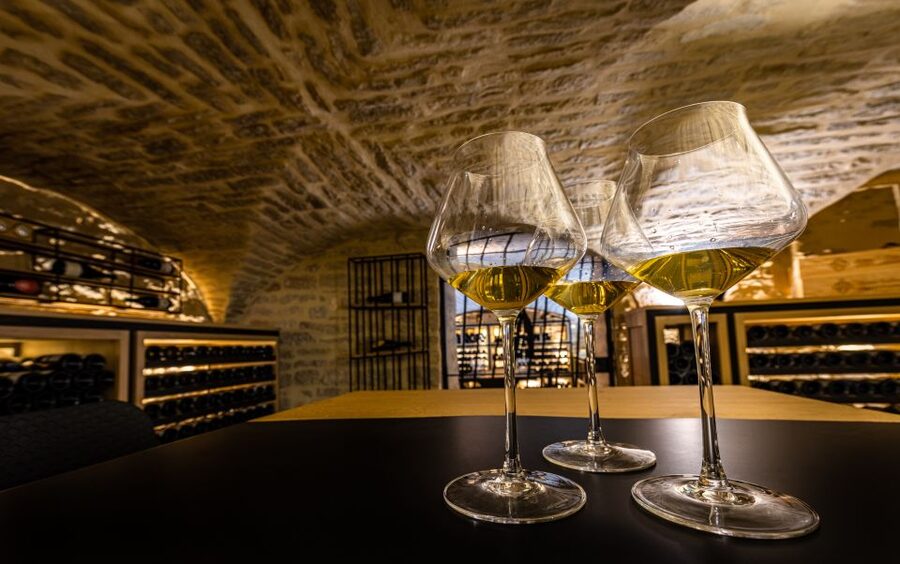
The tasting is built around six wines from Burgundy. The selection includes both red and white wines, and a commonly described balance is three reds and three whites. Exact bottles can vary, so you should not book expecting a named vintage or a particular producer unless the provider confirms it in advance.
The progression from regional appellations to Grand Cru is the key teaching tool. Burgundy’s classification system rewards precise origin. A regional wine may carry the broad Burgundy name, while village, Premier Cru, and Grand Cru wines point to increasingly specific vineyard locations and stricter classifications.
You will not simply be told that one bottle is more prestigious than another. The useful part is tasting how the differences appear in the glass. The host discusses the site, the year, and the way the wine has aged, then gives you time to compare aromas, texture, freshness, and finish.
The tasting can be valuable even if you are new to wine. You do not need a trained palate or a working vocabulary. Ask what you notice, and let the host connect your impressions to the wine. The small group makes that easier than a large commercial tasting.
Experienced wine drinkers can also get something from the session. Several guides have been praised for handling detailed questions, including questions from people who work in wine. The presentation is not limited to basic tasting terms, though the host aims to keep it approachable.
More palaces to tour around France:
- Paris: Versailles Palace and Gardens Full Access Ticket
★ 4.6 · 41,579 reviews - Versailles: Skip-the-Line Tour of Palace and Gardens Access
★ 4.7 · 10,429 reviews - From Paris: Versailles Palace & Gardens with Transportation
★ 4.6 · 6,222 reviews - Versailles: Skip-the-Line Guided Palace Tour and Full Access
★ 4.6 · 5,214 reviews
Climates, aging, and why place matters
Burgundy is a useful region for learning the idea of terroir because small differences in place can carry great weight. Soil, slope, exposure, drainage, and local weather all affect how grapes ripen. The tasting explains these factors through the wines rather than treating them as abstract facts.
The word climat can be especially confusing. In Burgundy, it does not simply mean weather. It refers to a named, carefully defined vineyard site. The host uses the tasting to show why two wines from nearby areas can taste different, even when they are made from the same broad grape family.
Aging is another major part of the discussion. You learn why a wine from one year can taste different from a wine from another year, and how time in bottle changes the character of a wine. The value here is practical: you leave better prepared to choose a bottle at a shop or restaurant.
The session also explains classifications such as regional, village, Premier Cru, and Grand Cru. Grand Cru is the highest qualification in the Burgundy system, but the tasting is not only about prestige. A higher classification usually means a more specific origin and a different price, not an automatic guarantee that it will be your favorite wine.
That is an important lesson. You may prefer a fresh regional white to a more expensive bottle with greater structure. The tasting gives you a chance to make that judgment for yourself.
The host makes the difference
The experience depends heavily on the person leading it. The guides named in past sessions include Antoine, Leo, Robin, Prune, Rafael, and Sebastian. The host can vary, but the strongest pattern is clear: the presentation works best when the guide treats it as a conversation rather than a lecture.
Antoine has been praised for his relaxed style, humor, and ability to answer questions. Leo has led sessions for both casual drinkers and people working in the wine trade. Robin is associated with lively explanations of Burgundy’s regions, while Prune has been noted for excellent English and useful local advice.
The listed languages are French and English. The guides have been praised for handling mixed-language groups, and English-language explanations are available. Still, if you need a particular language or have a detailed language concern, confirm it when booking because the individual host may change.
Expect local context as well as wine instruction. A good host can help you understand the surrounding countryside, suggest Dijon restaurants, and point you toward traditional local dishes. One guide even helped a participant choose a nearby restaurant for classic Dijon cooking. That kind of advice is a welcome bonus, though it should not be treated as a guaranteed part of the formal program.
A relaxed format for questions and conversation
The small-group limit of eight is one of the strongest practical features. A small party gives the host time to explain a label, repeat a point, or compare two wines for you. It also keeps the tasting social without making it feel like a crowded event.
Some sessions may have only two, five, or a few more participants. That can make the experience especially flexible. You may be able to ask about a bottle, take notes, or request help photographing the labels without slowing down a large group.
The relaxed approach is important. The tasting is educational, but it is not presented as a formal certification class. You can ask basic questions without embarrassment, and more experienced drinkers can take the discussion further.
The 90-minute length is about right for six wines. It gives the host time to introduce the region, explain the classification system, and discuss each pour without turning the session into an all-day commitment. You should still pace yourself. Six wines in an hour and a half can add up, especially if you have already been drinking elsewhere.
How this compares with a vineyard visit
A vineyard tour gives you something La Cave du Palais cannot: the physical setting of Burgundy’s wine villages. You might see rows of vines, village signs, old domaines, and the countryside that shapes the region’s identity.
This tasting offers a different advantage. You get a clear, concentrated comparison of six wines without spending time on transport. If you have only one day in Dijon, it may teach you more about Burgundy’s classification system than a quick drive past several villages.
I would choose La Cave du Palais if you are staying in Dijon, do not have a car, or want a manageable introduction before visiting wineries. I would choose a countryside tour instead if your main goal is meeting producers or seeing vineyards firsthand.
You can also combine the two. Take the cellar tasting first, then use what you learned to read labels and understand village names on a later excursion.
Who should book this experience
This tasting suits adults who want more than a casual glass of Burgundy wine. You will get the most from it if you enjoy asking questions, comparing styles, or learning why one bottle costs more than another.
It is also a good pick for:
- First-time visitors to Burgundy who want a clear introduction
- Couples looking for an evening or afternoon activity in central Dijon
- Wine enthusiasts who want to compare several appellation levels
- People without a car
- Small groups who prefer conversation to a large tour
- Visitors with limited time who cannot fit in a full vineyard day
It is less suitable if you dislike structured tasting or want a substantial meal with your wine. The included service is six tastings and commentary, not food or unlimited pours. Pregnant women, children under 18, wheelchair users, and anyone hoping to bring a pet should choose another activity.
Booking details and value at $64
At $64 per person, the experience sits in the mid-range for a guided wine tasting. The price makes sense if the wines are your main interest and you value clear instruction. Six tastings across Burgundy’s classification levels give you a useful sample, and the historic cellar adds atmosphere without requiring a separate admission fee.
There is no obligation to buy a bottle, though the cellar may offer bottles for purchase. Buying one after the tasting can be a good choice because you already know what style you like. You should not feel pressured to purchase, and extra tastings are not included in the advertised price.
The reservation terms are traveler-friendly. You can reserve now and pay later, and cancellation is free up to 24 hours before the activity for a full refund. Starting times vary, so check availability for your date.
Should you book La Cave du Palais?
Book it if you want a well-paced introduction to Burgundy wine in a memorable central Dijon setting. The mix of six wines, a vaulted cellar, and clear discussion of climates, aging, and appellations gives you useful context rather than just a series of pours.
I would especially recommend it for a first visit to Burgundy or for anyone who cannot spare a full day in the vineyards. Skip it if you need wheelchair access, want a family activity, or care more about seeing working vineyards than comparing bottles. For most adult wine enthusiasts based in Dijon, $64 buys a focused lesson, a pleasant setting, and a better sense of what you are drinking.
FAQ
Where is La Cave du Palais located?
La Cave du Palais is inside the Hotel du Palais in central Dijon, about a five-minute walk from Place de la République.
How long does the wine tasting last?
The experience lasts 90 minutes.
How many wines are included?
Six wine tastings are included, with bottles ranging from regional appellations to Grand Cru.
What languages are available?
The host or greeter speaks French or English.
How large is the group?
The activity is limited to eight participants.
Do I need to be over 18?
Yes. You must be over 18 to take part.
Is the experience suitable for wheelchair users?
No. The activity is not suitable for wheelchair users.
Can I cancel and receive a refund?
Yes. You can cancel up to 24 hours in advance for a full refund. You can also reserve now and pay later.
Fresh palace tours around France
- Wine Tasting Tour at Châteauneuf du Pape★ 5.0 · 36 reviews
- Visit of the cellars of Château Gigognan with tasting★ 5.0 · 3 reviews
- Wines from Châteauneuf-du-Pape and surrounding areas in 1/2 day★ 5.0 · 96 reviews
- 8 Hours Group Tour in Châteauneuf du Pape★ 5.0 · 10 reviews
- Morning Wine Tour to Chateauneuf du Pape from Avignon★ 4.5 · 70 reviews
- Châteauneuf du Pape Wine Day Tasting Tour including Lunch from Avignon★ 5.0 · 287 reviews
- Highlights of Provence : Chateauneuf du Pape & Luberon★ 4.5 · 189 reviews
- In Depth Chateauneuf du Pape★ 5.0 · 16 reviews
France Palace Tours: the shortlist.
Versailles Palace and Gardens Full Access Ticket
Read our review →
Skip-the-Line Tour of Palace and Gardens Access
Read our review →
Versailles Palace & Gardens with Transportation
Read our review →
Skip-the-Line Guided Palace Tour and Full Access
Read our review →
Versailles Palace Guided Tour & Gardens Access
Read our review →
Versailles Palace and Gardens Tour from Paris
Read our review →
Versailles Palace Bike Tour with Market & Marie-Antoinette hamlet
Read our review →
Versailles Palace Guided Tour with Reserved Entry
Read our review →This visit also appears in