Review · ITALY
Florence: Pitti Palace, Boboli Garden, Palatine Gallery Tour
Pitti Palace gives you a different side of Florence: less about one famous masterpiece and more about how powerful families lived, displayed art, and shaped an entire city. Inside the Palatine Gallery, you’ll see paintings by Raphael, Titian, Rubens, Van Dyck, Caravaggio, and Andrea del Sarto surrounded by ornate ceilings and gilded frames.
I like the early morning start, which makes the palace and gardens easier to enjoy before the day heats up. I also like the way a skilled guide, especially guides such as Camilla, Sara, Silvia, or Federica, can bring order to rooms packed with paintings, furniture, frescoes, and decorative stonework. The main consideration is physical: Boboli is hilly, with slopes and steps that can make this a tiring three hours.
Key points to know before booking
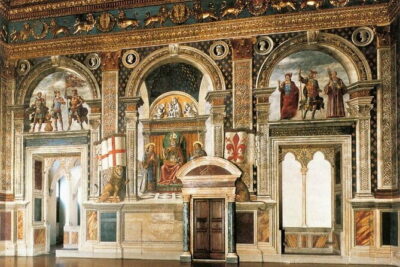
- Medici art in its original grand setting: The Palatine Gallery places Renaissance and Baroque paintings among palace rooms, frescoes, furniture, and gilded decoration.
- A useful morning itinerary: You visit the palace first, then walk through the oldest part of Boboli Gardens while temperatures are usually more manageable.
- Strong guide-led experience: Guides including Camilla and Sara are praised for art history, restoration knowledge, clear English, and an ability to adjust the pace.
- Timed entry is included: Your ticket covers Pitti Palace, the Palatine Gallery, and Boboli Garden, with no need to wait in the standard ticket line.
- Expect hills and uneven walking: Comfortable shoes are essential, and the garden may be difficult for some people with limited mobility.
- Good value for art lovers: At $115 per person, you are paying for entry tickets and three hours of focused interpretation, not just access to the buildings.
Why Pitti Palace feels different from Florence’s other museums
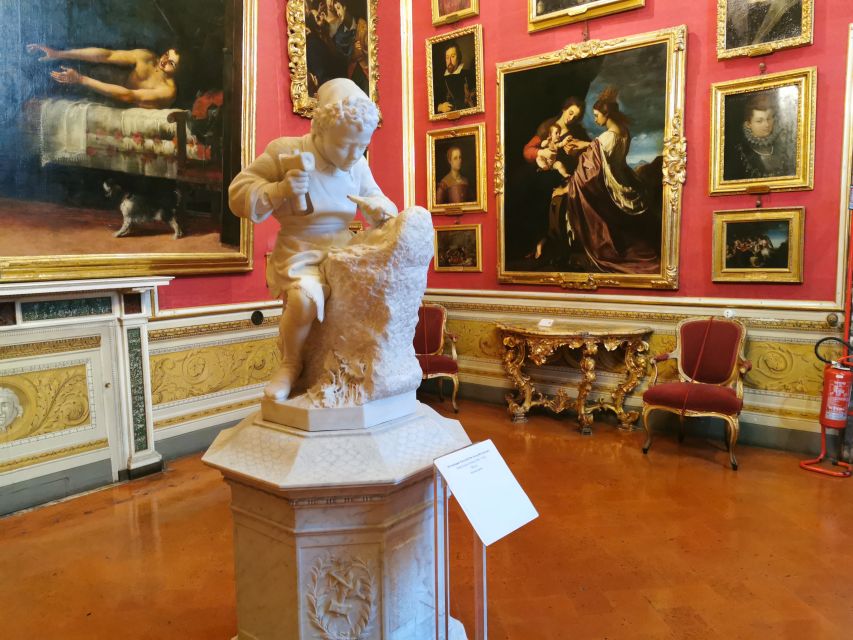
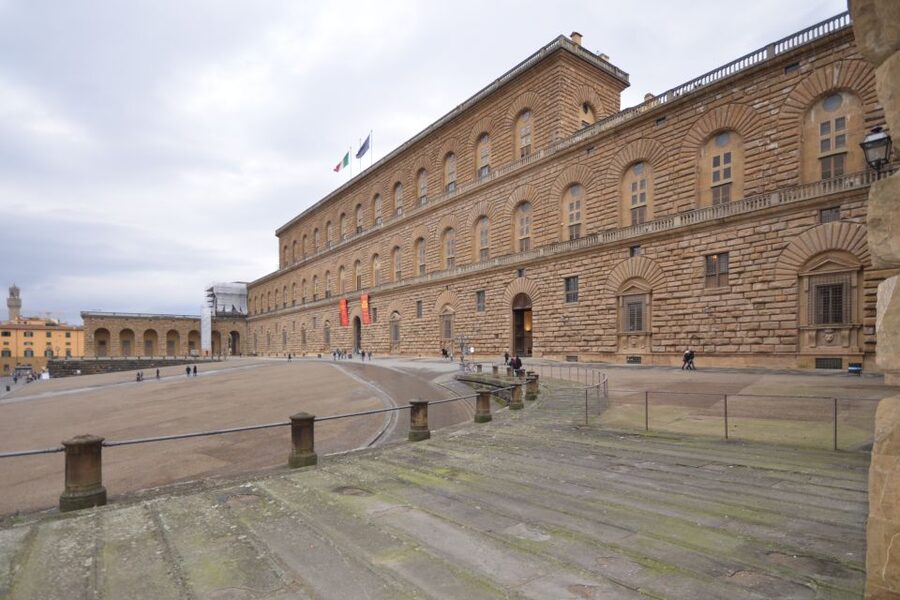
Many Florence museums ask you to focus on individual works of art. Pitti Palace asks you to look at the whole setting. Paintings hang in rooms built for court life, where decoration was part of the message. The palace was not simply a storage place for art. It was a stage for power.
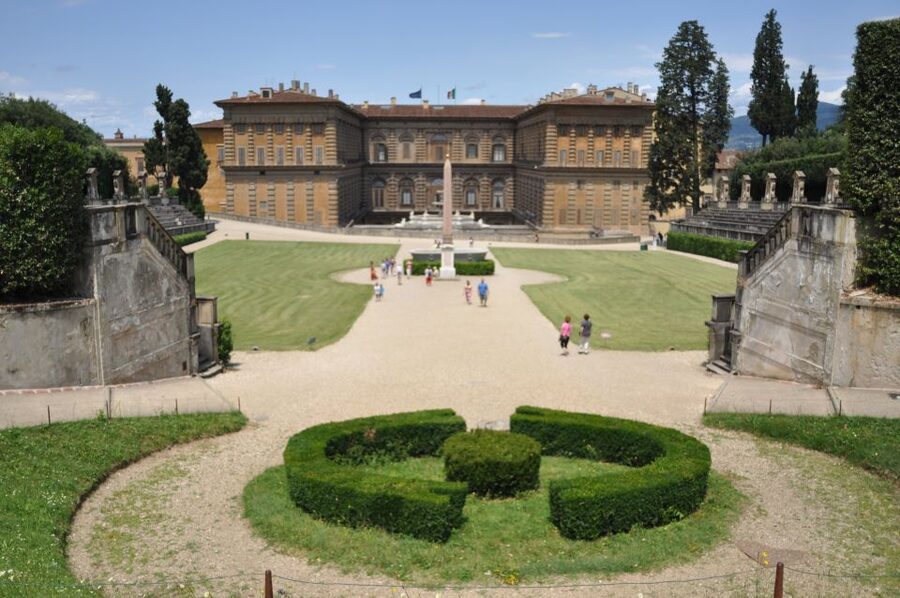
The tour begins in the grand courtyard, where your guide sets the scene before taking you upstairs to the noble floor. This opening matters. Without some context, the palace can feel like a long procession of rooms with too many objects competing for attention. A good guide helps you see how the building, the furnishings, and the paintings work together.
The Medici family chose Pitti Palace as a grand-ducal residence, and later European ruling families also used it. You’ll hear how the palace changed as different owners expanded and decorated it. That makes the visit useful even if you already know the basic Medici story. Here, political ambition appears in the size of the rooms, the expensive materials, and the choice of artists.
I especially like this kind of visit because the palace does not feel stripped down for museum display. The setting remains part of the experience. You are looking at art in rooms filled with stucco, ceiling frescoes, carved details, furniture, and elaborate frames.
More Palace Gardens and Grounds in Italy
- Florence: Pitti Palace and Boboli Gardens Ticket & eBook
★ 4.5 · 835 reviews - Florence: Pitti Palace and Boboli Gardens Walking Tour
★ 4.6 · 182 reviews - Florence: Museum Pass–David, Uffizi, Pitti Palace & Gardens
★ 4.2 · 134 reviews
The Palatine Gallery and the art-filled noble floor
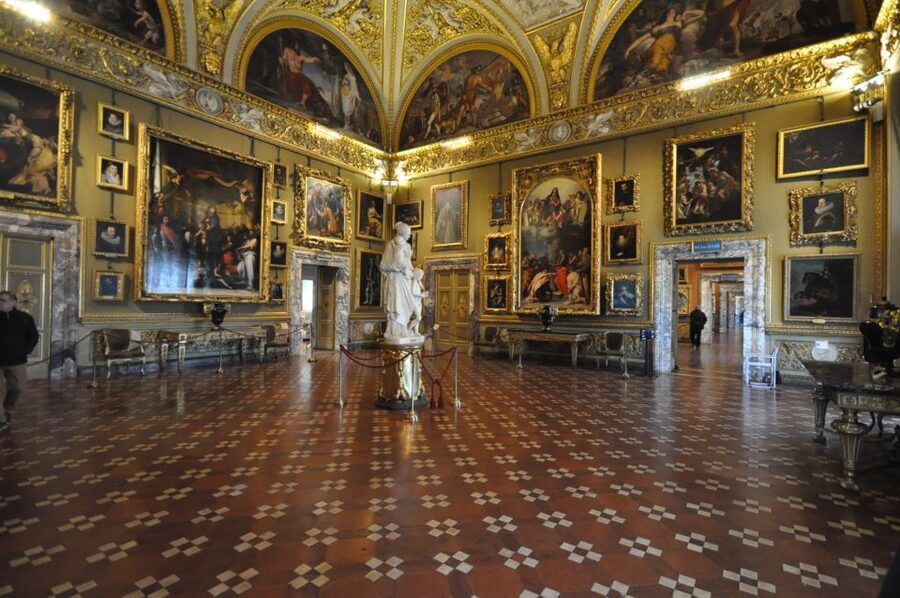
The Palatine Gallery is the main reason to choose this tour over a simple garden visit. Its collection includes works associated with Raphael, Titian, Rubens, Van Dyck, Caravaggio, and Andrea del Sarto. You will not just be shown a list of famous names. The guide explains what to look for and why particular works mattered to the Medici and later rulers.
The rooms can be visually overwhelming. Paintings cover much of the wall space, and the frames are often nearly as decorative as the canvases. That excess is part of the point. Court collections were meant to display taste, wealth, access, and status all at once.
This is where the guide makes the greatest difference. Camilla is an art restorer as well as a guide, and several visitors particularly valued her ability to explain materials, technique, and small details. Other guides, including Sara, Elena, Ida, and Federica, have also been praised for clear explanations and lively presentation.
I would not try to study every painting during a three-hour tour. That is not realistic, and it would make the visit feel like homework. Instead, let the guide choose the key works and explain the connections between them. You can return to a favorite room afterward if time and access allow.
Look closely at the furniture as well as the paintings. The Medici were famous across Europe for decorative work using semi-precious stones. These tabletops and furnishings show that the family’s display of wealth extended beyond pictures on the wall. The combination of painting, stone inlay, furniture, and fresco turns each room into a carefully controlled statement.
The ceiling decoration deserves attention, too. Stucco work and frescoes pull your eyes upward, so remember to look above the paintings. Guides often point out details that are easy to miss when you are concentrating on the main artworks.
Why a guide helps inside such a crowded collection
Pitti Palace has so much to see that even art lovers can lose track of what matters. The best guides on this tour seem to understand that the goal is not to deliver every fact. It is to give you a workable way to read the palace.
Camilla has been repeatedly praised for her art and restoration background, her command of English, and her ability to answer questions without slowing the group too much. Guests also appreciated guides who asked the group about favorite works and encouraged conversation rather than delivering a nonstop lecture.
That approach suits this museum. You may arrive with little art background, or you may already know Renaissance painting well. A flexible guide can explain composition and technique to a first-time museum visitor while still offering useful details to an experienced art lover.
The tone also matters. Several guides are described as warm, patient, humorous, and enthusiastic. That is not just pleasant company. It helps you stay focused when the palace begins to feel visually full.
Groups of four or more receive earsets, which should make it easier to hear the guide in large rooms. The tour is listed as an English-language experience, so it is best suited to people comfortable following a detailed art and history explanation in English.
Boboli Gardens, from the Amphitheater to the upper views
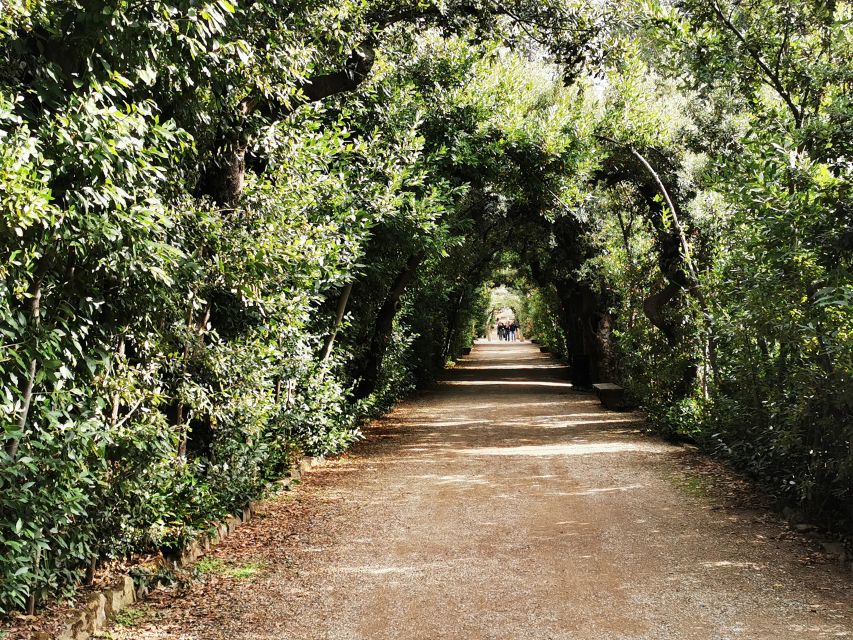
After the palace and gallery, the tour continues into Boboli Gardens. This change of pace is welcome. You move from enclosed rooms and concentrated looking to open paths, stonework, greenery, and broad views.
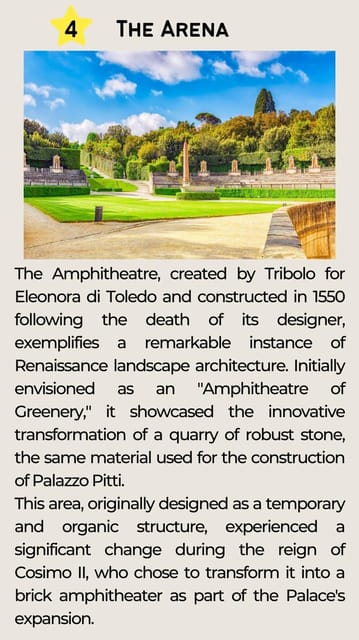
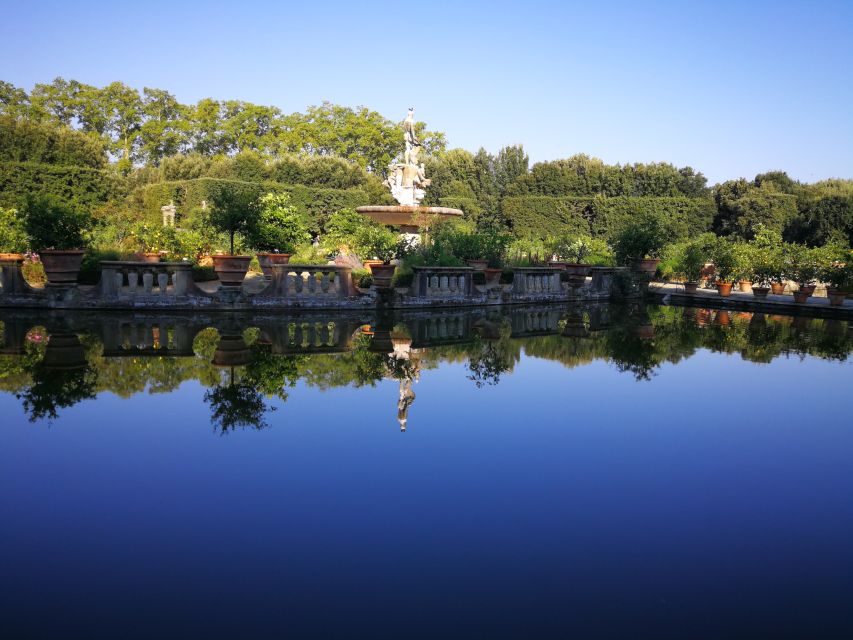
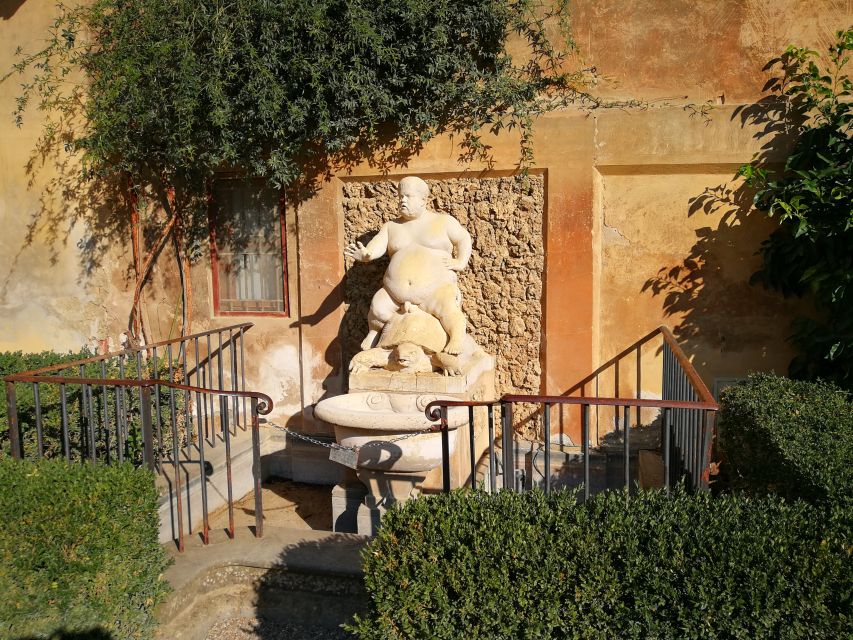
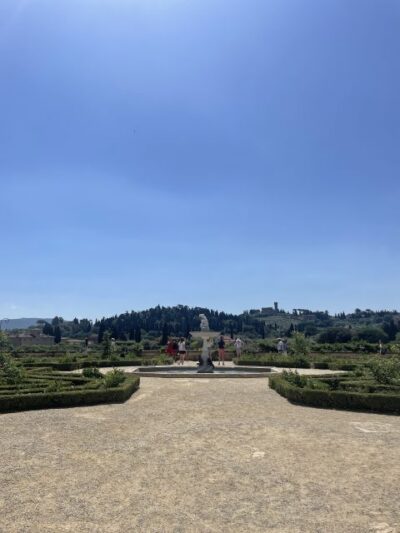
The oldest section includes the garden’s Amphitheater, one of the places that helps explain how Boboli influenced later European garden design. Your guide connects the paths, open spaces, and formal layout to the Medici court. The garden was not simply a patch of green behind the palace. It was designed as a setting for movement, display, and leisure.
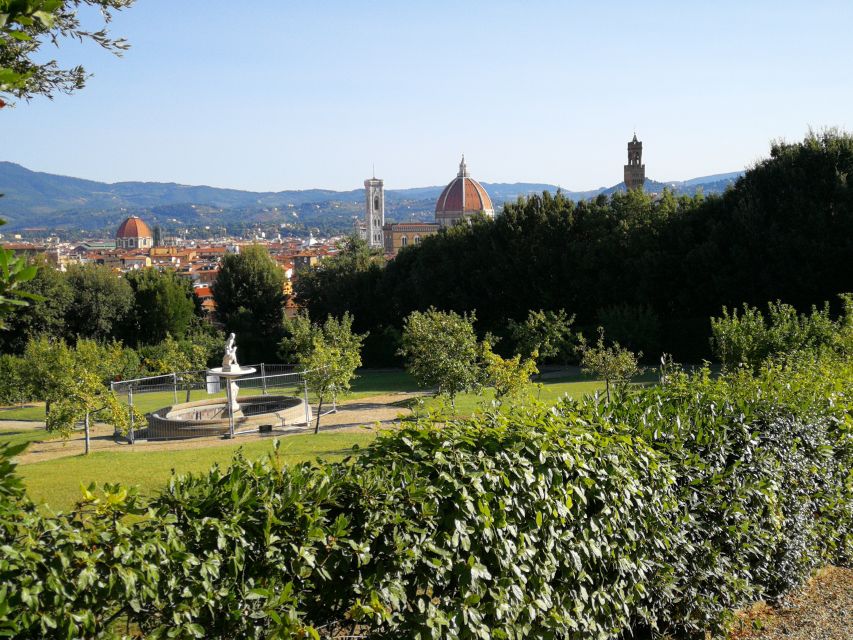
The garden can also be the most physically demanding part of the morning. Expect slopes and some uphill or downhill walking. One particularly useful tip is to continue toward the top when conditions allow, since the higher parts offer excellent views across Florence. You do not need to race there. Take the pace slowly and save energy for the return walk.
In summer, the early start is a real advantage. Boboli has open areas with limited shade, and even visitors who enjoyed the tour found the heat noticeable. Comfortable shoes are essential. Sandals with poor support will make the hills less enjoyable.
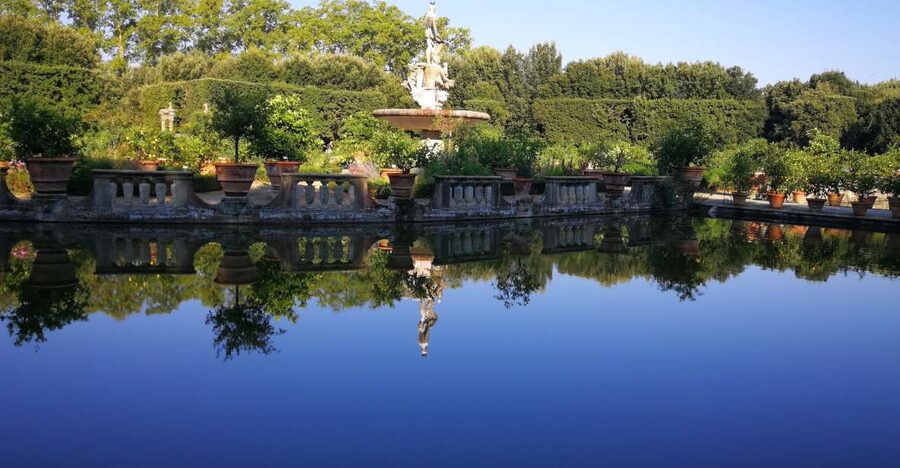
Boboli also gives you a better sense of the palace’s scale. From the garden, you can appreciate the relationship between the residence and its grounds instead of seeing Pitti only as a large façade and courtyard. The transition from palace rooms to formal garden is one of the strongest parts of the itinerary.
More Palazzo Vecchio and Pitti tours around Florence:
- Florence: Palazzo Vecchio Entrance Ticket & Audioguide
★ 4.4 · 4,822 reviews - Florence: Uffizi, Pitti Palace & Boboli Combined 5-Day Pass
★ 4.5 · 1,726 reviews - Florence: Palazzo Vecchio Guided Tour
★ 4.8 · 1,260 reviews - Florence: Palazzo Vecchio Entry Ticket with Audio Guide
★ 4.4 · 837 reviews
Three hours is a focused visit, not a complete Pitti Palace day
The advertised duration is three hours, and that is enough for a well-chosen introduction to the palace, gallery, and garden. It is not enough to inspect every room, every painting, and every additional exhibition at length.
That tradeoff works for many visitors. You get structure, context, and the main sights without spending an entire day indoors. One visitor described the palace as so full that it could feel overwhelming, which is exactly why a focused route helps.
The ticket may also allow you to explore other parts of the complex on your own after the guided portion, including a modern art display, other artifacts, and an Italian fashion exhibition. Access and opening arrangements can vary, so check what is available on the day. Treat these areas as a bonus rather than a guaranteed part of the three-hour guided route.
If you are an art specialist who wants long, quiet study time, a private visit with more freedom may suit you better. If you have only a few days in Florence, this tour gives you a clear introduction without asking you to plan the route yourself.
Mobility, heat, and the practical side of the walk
The palace portion includes large rooms and may involve stairs, though some guides have helped people find lifts or choose easier options. Guides such as Camilla and Ida have been praised for noticing mobility needs, making rest stops, and adjusting the pace.
Still, do not assume the whole route is easy for every mobility level. Boboli has hills, uneven sections, and uphill or downhill paths. A wheelchair user has completed the tour with thoughtful assistance, but the garden remains the part you should discuss in advance if you have significant mobility limits.
The same advice applies if you tire easily. Tell the guide at the start. A considerate guide can build in pauses and explain which sections matter most, but no one can remove the garden’s slopes.
For hearing difficulties, earsets are provided for groups of four or more. One guide was also praised for taking special care with a hard-of-hearing participant. The earsets and guide’s position should help, but it is still sensible to mention your needs before the tour begins.
The early morning schedule helps in warm months. It also gives you a quieter start than a midday visit might provide. Bring water, wear shoes with firm soles, and avoid planning another demanding walking activity immediately afterward.
Is $115 a fair price?
At $115 per person, this is not the cheapest way to enter Pitti Palace. The value depends on how much you want from the visit.
You receive a licensed guide, timed entry to Pitti Palace, the Palatine Gallery, and Boboli Garden, and a three-hour route through a large and complicated site. You also avoid spending time deciding which rooms to prioritize. For someone interested in Medici art and Florence’s court history, that guidance can justify the price.
If you are happy to read labels and wander at your own pace, buying admission without a tour may cost less and give you more time. You would also need to provide your own structure. That can be rewarding, but it is easy to miss the connection between the palace, its art collection, and its garden.
The price is easiest to defend when you value interpretation. Guides such as Camilla have backgrounds in restoration and art, while others bring strong knowledge of Florence, architecture, materials, and political history. The tour is not just a ticket with a short introduction. The guide is the main product.
Free cancellation up to 24 hours before the start and the option to reserve now and pay later also reduce the risk of committing to a fixed plan too early. Lunch is not included, so plan a separate meal before or after the visit.
Who should book this Pitti Palace tour?
I would choose this tour if you want to understand why Pitti Palace matters, not merely take a quick look inside. It is a strong fit for first-time Florence visitors, art lovers, families with adults or older children, and anyone who finds large museums hard to organize.
It also works well for people who want a balance of indoor and outdoor sightseeing. The Palatine Gallery supplies concentrated art viewing, while Boboli gives you room to walk and look out over Florence.
You should think twice if you dislike guided pacing or want to spend most of the day on a single painting. The three-hour format keeps the group moving, even though the strongest guides adjust the pace and answer questions.
The tour is also less suitable if hills and stairs are a serious concern. Ask about your specific mobility needs before booking, and plan to use comfortable shoes regardless of the season.
Should you book it?
Book this tour if you want an informed, efficient introduction to Pitti Palace, the Palatine Gallery, and Boboli Gardens, especially if the Medici story and Italian art appeal to you. The strongest part is the guide’s ability to select important works and explain the palace as a working display of power, taste, and wealth.
The best practical plan is to take it early, wear supportive shoes, carry water, and leave room in your schedule for a slow walk through the garden. At $115, it is a considered purchase, but the included entry, focused route, and consistently strong guiding make it worthwhile for visitors who want context rather than a quick look.
FAQ
How long does the Pitti Palace and Boboli Gardens tour last?
The tour lasts three hours.
What sites are included in the ticket?
The timed entry ticket includes Pitti Palace, the Palatine Gallery, and Boboli Garden.
Is the tour conducted in English?
Yes. The activity includes a live English-speaking guide.
Does the tour include a guide?
Yes. A licensed guide leads the visit. Guides may include Camilla, Sara, Silvia, Federica, Elena, or other members of the provider’s team.
Are earsets provided?
Earsets are provided when there are four or more participants.
Should I wear comfortable shoes?
Yes. Comfortable shoes are especially important because Boboli Gardens includes hills and uphill or downhill walking.
Is lunch included?
No. Lunch is not included in the tour price.
More palace museums around Florence
- Florence: Pitti Palace and Palatina Gallery Ticket and Tour
★ 4.9 · 255 reviews - Florence: Palatina Gallery and Pitti Palace Guided Tour
★ 4.6 · 158 reviews - Florence: Palazzo Vecchio Museum
★ 4.6 · 56 reviews - Florence: Pitti Palace 7 Museums Entrance Ticket & eBook
★ 4.4 · 51 reviews
More Palace Gardens and Grounds in Florence
- Florence: David, Pitti Palace, & Gardens Combination Tickets
★ 4.5 · 59 reviews - Florence: Pitti Palace and Boboli Gardens Private Tour
★ 4.8 · 46 reviews - Pitti Palace and Boboli Gardens Private Tour
★ 4.7 · 38 reviews - Florence: Pitti Palace and Boboli Gardens Guided Tour
★ 4.9 · 14 reviews
Fresh palace tours around Florence
- The places of the Medici family: the Palace and the Chapels★ 4.7 · 12 reviews
- Pitti Palace and Boboli Gardens Private Tour★ 4.7 · 38 reviews
- Florence: Pitti Palace and Boboli Gardens Private Tour★ 4.8 · 46 reviews
- Palazzo Vecchio Small Group Tour★ 4.9 · 10 reviews
- Palazzo Vecchio 90-Minute Morning Guided Tour★ 4.7 · 104 reviews
- Palazzo Vecchio Secret Passages Tour & Lunch or “Gelato”★ 4.3 · 16 reviews
- Palazzo Vecchio: Magnificent Private Tour★ 4.7 · 61 reviews
- Palazzo Vecchio: Private Guided Museum Tour & Tower Tickets★ 4.7 · 18 reviews
Palazzo Vecchio and Pitti Palace Tours: the shortlist.

Uffizi, Pitti Palace & Boboli Combined 5-Day Pass
Read our review →
Palazzo Vecchio: Skip-the-Line Entry and Secret Passage Tour
Read our review →