
Review · FRANCE
From Avignon: Wine Tour with Visit to Châteauneuf du Pape
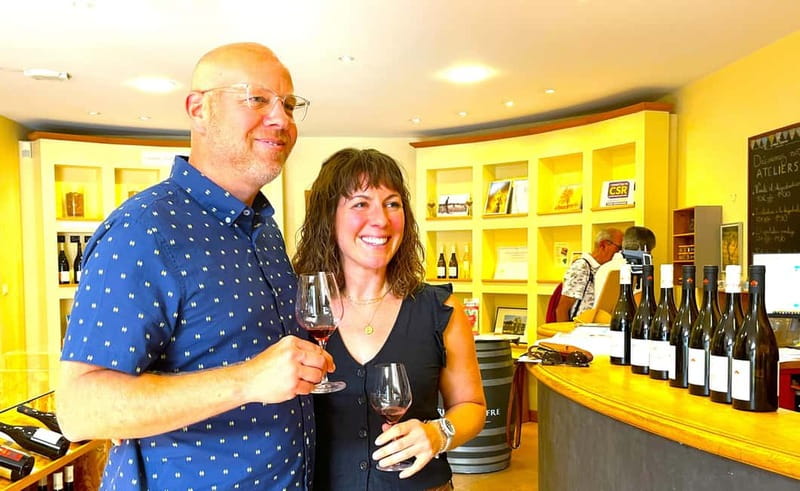
The best part of this tour is the contrast between three wine regions in one outing. You move from sweet Muscat in Beaumes de Venise to powerful reds in Gigondas and world-famous Châteauneuf du Pape, with Arnaud explaining the land as he drives.
I like the small group, limited to six, and the access to family-run wineries where the welcome feels personal rather than hurried. I also like the picnic of local food, which can include goat cheese, tapenade, eggs, fruit, and grape juice. The main drawback is the vehicle: a few people found it tight when the car was full, so anyone who needs extra space should ask about transport before booking.
Key points to know before booking
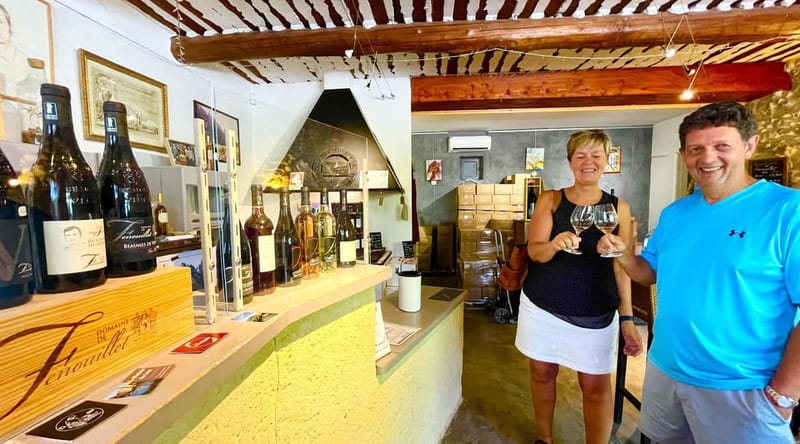
- Three appellations in one day: Compare Beaumes de Venise, Gigondas, and Châteauneuf du Pape instead of tasting only one style of Rhône wine.
- At least nine wines: Each of the three wineries presents a minimum of three wines, giving you a useful range of flavors and vintages.
- A guide who explains the land: Arnaud adds context about wind, altitude, soil, grape varieties, villages, and winemaking.
- Local picnic on selected departures: Morning tours from April through October include fresh products from farms and villages near the wine areas.
- Small-group format: The vehicle holds no more than six participants, making it easier to ask questions and talk with the winemakers.
- Seasonal schedules differ: The full morning route runs from April to October, while winter departures are shorter and do not include food.
Three Southern Rhône wine regions in one trip
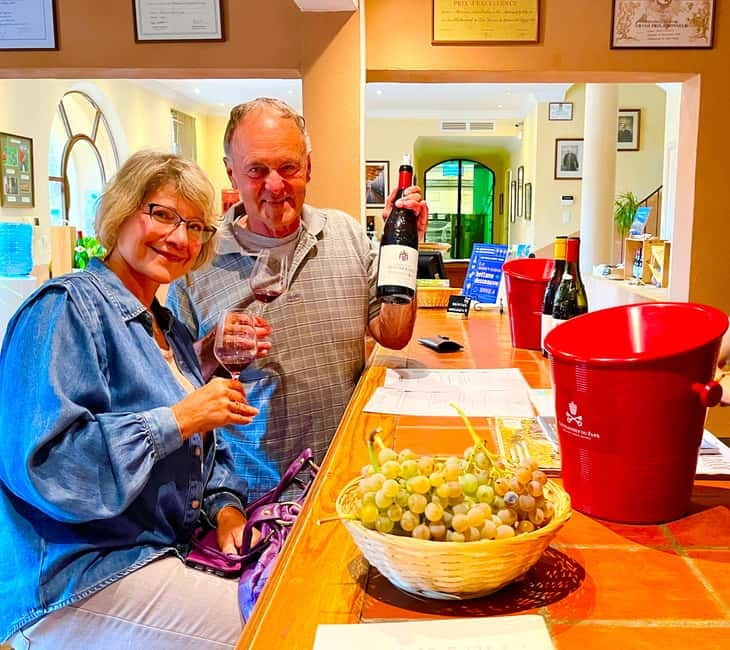
This is not simply a drive to three tasting rooms. The point is to see how close but distinct parts of the Rhône Valley produce very different wines.
You start from Hôtel Le Bristol in Avignon in a black Ventourisme car. From there, Arnaud guides you through the countryside toward the foothills and vineyards around the Dentelles de Montmirail. The route gives you a helpful framework before the first glass is poured.
You will taste at least nine wines in total, normally three or more at each winery. That is enough to compare producers and styles without turning the day into a blur of anonymous pours. Arnaud also explains the places you pass, so the drive becomes part of the lesson rather than dead time between stops.
The tour is conducted in English or French. The small size matters here. In a group of six or fewer, you can ask why one wine tastes more peppery, sweet, dry, light, or powerful without holding up a large coach party.
More halls, courtyards and throne rooms open around Avignon:
- Chateauneuf du Pape wine tour
★ 5.0 · 484 reviews - From Avignon: Châteauneuf du Pape Half-Day Wine Tour
★ 4.7 · 365 reviews - Châteauneuf du Pape Wine Day Tasting Tour including Lunch from Avignon
★ 5.0 · 287 reviews
Beaumes de Venise: starting with Muscat and warm southern slopes
On the morning route from April through October, Beaumes de Venise is usually the first wine stop. The tasting lasts about 45 minutes.
The village sits on the southern side of the Dentelles de Montmirail, a group of three pointed mountain ranges. The mountains shelter the vineyards from some of the wind, making this area warmer and less exposed than nearby Gigondas.
Beaumes de Venise is best known for Muscat, a naturally sweet wine with an appellation dating to 1943. You can drink it as an aperitif, with dessert, alongside blue cheese, or with charcuterie. It is a useful reminder that Southern Rhône wine is not all full-bodied red.
The region also produces red wine under its own appellation, established in 2005. Producers may use up to 10 percent white grapes in the blend. The soils include limestone, sandstone, sand, and clay, giving Arnaud plenty to discuss as you move from one bottle to the next.
This stop can be especially rewarding if you normally focus only on dry reds. You may find the Muscat tasting more flexible than expected, particularly with salty or creamy foods. One of the wineries used on this tour has also been praised for its range and biological wine production, though the exact producer can vary.
Gigondas: wind, altitude, and serious red wine
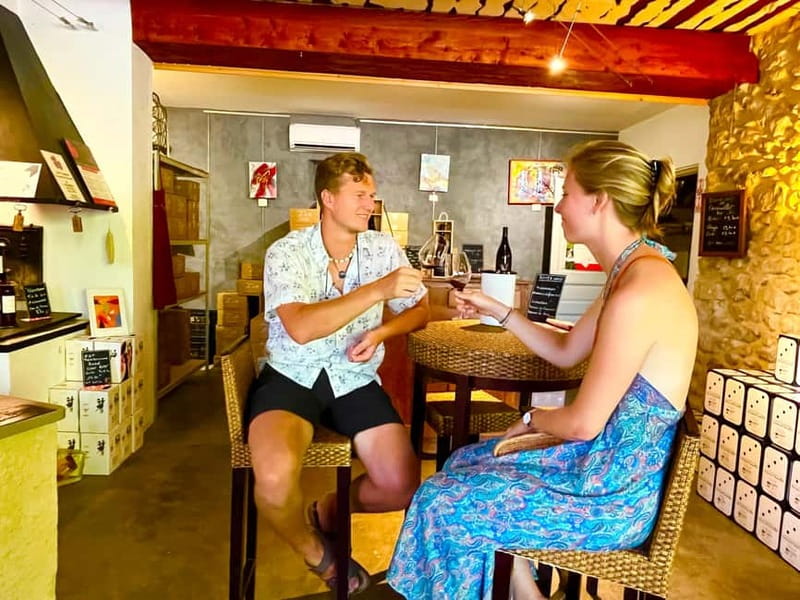
The Gigondas tasting takes about an hour and usually comes with a stronger red-wine focus.
Gigondas lies on the northern side of the Dentelles de Montmirail. It is much more exposed to the Mistral, which can blow for around 150 days a year. This cold, dry wind is not always comfortable for people, but it helps vineyard owners by pushing away clouds and drying the vines after rain.
The vineyards sit between about 100 and 600 meters above sea level. That change in altitude, along with sandy marl, clay, limestone, sandstone, and sandy soils, helps explain why Gigondas does not taste exactly like neighboring Châteauneuf du Pape.
Gigondas has been famous for red wine since 1971, and rosé has been permitted under the appellation since that year as well. White Gigondas is a new development, joining the appellation in 2023. You may not taste every style on every visit, but the region’s changing rules make this a good place to ask about how wine traditions develop.
The wineries are often smaller and family-run. Arnaud’s local contacts are part of the value: you are not simply handed a glass and left to guess what you are tasting. His relationships with the people at the cellars can also open up areas you would be unlikely to visit on your own.
A picnic among the vines, with food from nearby farms
The picnic is included only on the morning tour from April through October. It usually takes place around Gigondas and lasts about an hour.
Do not think of it as a restaurant lunch. It is more like a generous regional snack, served outdoors when conditions allow. The food can include boiled eggs, bread, black olive tapenade, sweet pepper tapenade, fresh goat cheese, seasonal fruit, clementines, grape juice, and other fresh products from local farms.
Arnaud has also brought food from around his own village and garden. That personal connection makes the pause feel less like a standard tour add-on. The ingredients help you understand how these wines are served in the region, too. Muscat grape juice, cheese, olives, and fruit show different ways to pair sweet, salty, creamy, and fresh flavors.
There is a practical point here. If you are expecting a full restaurant meal, eat breakfast and bring water. The picnic is a lovely part of the experience, but it is not designed to replace a long lunch.
Afternoon departures do not include the picnic. The winter morning trip from November through March also skips the meal. In those cases, the appeal is the wine and countryside rather than the food stop.
Same royal city, another way in:
- Avignon: City Walking Tour with Popes Palace Entry
★ 4.7 · 193 reviews - Highlights of Provence : Chateauneuf du Pape & Luberon
★ 4.5 · 189 reviews - Afternoon Wine Tour to Chateauneuf du Pape from Avignon
★ 4.5 · 176 reviews - Avignon Walking Tour including Pope’s Palace
★ 4.5 · 158 reviews
Châteauneuf du Pape: the famous final tasting
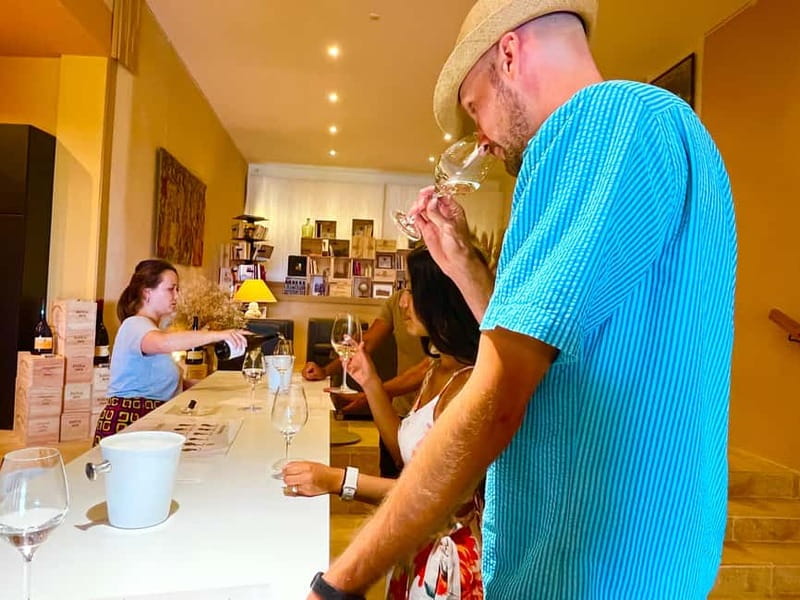
Châteauneuf du Pape is the best-known name on the route and the final tasting on the morning schedule. The tasting takes about an hour.
This was France’s first appellation, established in 1936, and it remains one of the most recognizable wine regions in the country. Red wine makes up about 92 percent of production, while white wine accounts for roughly 8 percent.
The area is famous for its large river stones, called galets roulés. Clay, sand, sandstone, and limestone also appear in the soils. The stones hold heat and are one reason the wines are often powerful and full-bodied.
Châteauneuf du Pape wines can age for 20 to 30 years in a cellar. That does not mean every bottle you taste will be ready for long storage, but it gives useful context when you compare a young wine with a more mature style.
One practical caution: the quality and age of individual tasting samples can vary by producer. One person found the Châteauneuf samples on their visit younger and less impressive than the wines at the previous stop. That is not a reason to skip the appellation, but it is a reminder that the famous name alone does not guarantee that every pour will be your favorite.
If you show interest, Arnaud may also make time for a view of the castle in Châteauneuf du Pape. That extra stop is not guaranteed, but it shows how the tour can adapt to the group’s questions and interests.
The afternoon option works well for a shorter schedule
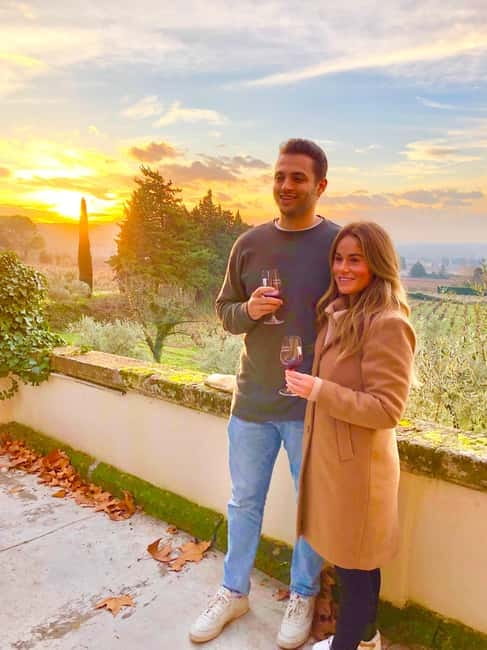
The afternoon route runs from about 2:00 to 6:30 pm and visits the same three areas in reverse order: Châteauneuf du Pape, Gigondas, then Beaumes de Venise.
This version is useful if you want the morning free for Avignon’s old center, the Palais des Papes, or a relaxed start to the day. You still receive the three winery visits and at least nine wines, but there is no picnic.
The reverse order also changes the rhythm. You begin with the famous appellation, move into Gigondas, and finish with Beaumes de Venise and its sweet Muscat tradition. For some people, ending with a sweet wine makes a pleasant change from finishing with a strong red.
The afternoon schedule is listed at about four and a half hours, while the full morning departure runs from 9:30 am to around 3:30 pm. The advertised duration can look inconsistent, so check the specific date and departure option rather than assuming every version lasts the same amount of time.
Winter means fewer stops and no picnic
From November through March, the morning departure runs from about 9:30 am to 12:30 pm. It visits two estates, one in Gigondas or Beaumes de Venise and one in Châteauneuf du Pape.
This is a shorter introduction, not the full warm-season experience. You will not have the local picnic, and you may not visit all three wine areas. The benefit is a compact half-day that works well in a winter schedule, especially if you want time for Avignon in the afternoon.
The winter option can also suit you if wine is your priority and outdoor dining matters less. Just understand that the number of tastings and stops is reduced compared with the longer April through October morning route.
Why the small group adds real value
The maximum group size is six. That is small enough for conversation in the car and for a more personal welcome at the wineries.
The guide is a major part of the experience. Arnaud explains the natural features along the drive, gives short histories of the estates, and answers questions about the wine areas. His English is described as strong, and he can switch between English and French when a mixed group needs it.
I also like the fact that he does not pressure people to buy bottles. You can purchase personal wine if you wish, but the tastings are not built around a sales pitch.
The tradeoff is space. Several people found the vehicle comfortable, while one person felt it was cramped with a full group. Luggage and large bags are not allowed, and walking frames cannot be carried in the car. If you have mobility concerns, heart problems, or are pregnant, this experience may not suit you.
Is $93 a fair price?
At $93 per person, the tour offers transport from and back to Avignon, a guide, three winery visits, at least nine tastings on the longer route, and a picnic on the eligible morning departures.
That is solid value if you would otherwise need to arrange a driver or rent a car. Wine tasting in three separate appellations also saves you the trouble of researching opening times, finding designated drivers, and navigating country roads after several pours.
The value is strongest from April through October in the morning, when the picnic is included and the day lasts about six hours. The afternoon tour still offers plenty of wine and transport, but without food. The winter version costs the same listed price while including fewer estates, so choose it for convenience and local guidance rather than maximum tasting time.
You should also budget for bottles if you plan to buy wine. Personal purchases are not included, and there is no obligation to buy.
Who should book this wine tour?
I would recommend it to you if you want to understand Southern Rhône wine through place, not just tasting notes. It suits curious beginners because Arnaud explains the basics without requiring prior wine knowledge, and it gives experienced drinkers a chance to compare three important appellations.
It is also a good choice for anyone staying in Avignon without a car. You get countryside views, mountain scenery, village roads, and winery access in one organized outing.
You may want a different experience if you prefer a large coach with lots of room, a formal restaurant lunch, or a single estate visit with a long cellar tour. The route covers a lot of ground, so each winery stop has a fixed amount of time rather than an entire afternoon at one property.
Final call: book it for personal guidance and variety
I would book this tour if your time in Avignon is limited and you want a broad, well-explained introduction to Southern Rhône wines. The strongest reasons are the three contrasting appellations, the small group, Arnaud’s local connections, and the chance to taste food from the same area as the wine.
Choose the April to October morning departure for the fullest experience and the picnic. Choose the afternoon route if you need a later start. Choose winter only if the shorter two-estate format fits your plans.
The one thing I would confirm before paying is the vehicle arrangement if you need extra legroom. Otherwise, $93 buys more than a series of tastings: it gives you a clear way to understand how wind, stones, altitude, and soil shape the wines around Avignon.
FAQ
Where does the tour begin and end?
The tour begins and ends in front of Hôtel Le Bristol in Avignon. The guide drives a black car marked Ventourisme.
How many wineries will I visit?
The full April through October and afternoon routes visit three wineries. The winter morning route visits two estates before returning to Avignon.
How many wines are included?
The full route includes at least three wines at each of three wineries, for a minimum of nine wines in total. The number is lower on the winter route because it visits only two estates.
Is a meal included?
A picnic is included only on the morning tour from April through October. Afternoon tours and winter morning tours do not include food.
What food is served at the picnic?
The picnic uses fresh products from local farms and may include eggs, black olive tapenade, sweet pepper tapenade, fresh goat cheese, seasonal fruit, and fruit juice.
What languages does the guide speak?
The tour is offered in English and French.
How large is the group?
The group is limited to six participants. The small vehicle can feel tight when it is full, and large bags, luggage, and walking frames are not allowed.
Can the tour be canceled because of bad weather?
Yes. The tour can be canceled because of weather conditions. You can also cancel up to 24 hours in advance for a full refund.
Fresh palace tours around Avignon
- Wine Tasting Tour at Châteauneuf du Pape★ 5.0 · 36 reviews
- Visit of the cellars of Château Gigognan with tasting★ 5.0 · 3 reviews
- Wines from Châteauneuf-du-Pape and surrounding areas in 1/2 day★ 5.0 · 96 reviews
- 8 Hours Group Tour in Châteauneuf du Pape★ 5.0 · 10 reviews
- Morning Wine Tour to Chateauneuf du Pape from Avignon★ 4.5 · 70 reviews
- Châteauneuf du Pape Wine Day Tasting Tour including Lunch from Avignon★ 5.0 · 287 reviews
- Highlights of Provence : Chateauneuf du Pape & Luberon★ 4.5 · 189 reviews
- In Depth Chateauneuf du Pape★ 5.0 · 16 reviews
France Palace Tours: the shortlist.
Versailles Palace and Gardens Full Access Ticket
Read our review →
Skip-the-Line Tour of Palace and Gardens Access
Read our review →
Versailles Palace & Gardens with Transportation
Read our review →
Skip-the-Line Guided Palace Tour and Full Access
Read our review →
Versailles Palace Guided Tour & Gardens Access
Read our review →
Versailles Palace and Gardens Tour from Paris
Read our review →
Versailles Palace Bike Tour with Market & Marie-Antoinette hamlet
Read our review →
Versailles Palace Guided Tour with Reserved Entry
Read our review →This visit also appears in