
Review · BUDAPEST
Palace District Evening Culinary, Wine, and History Walk
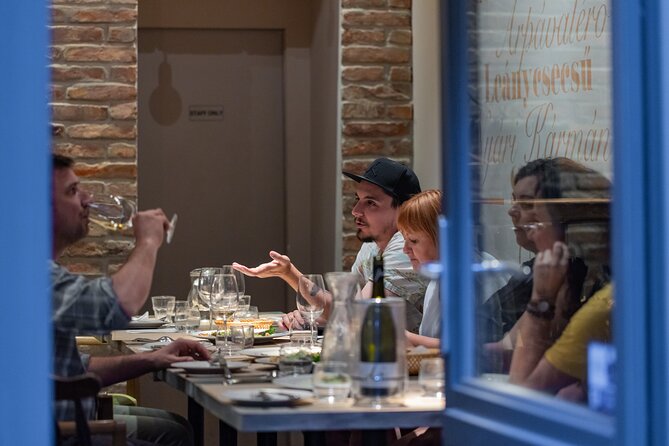
Budapest’s Palace District makes an excellent dinner table. Over four hours, you move from a wine cellar to a family bakery, a courtyard bar, a neighborhood bistro, and an old coffeehouse, eating and drinking as the streets reveal their stories. It is part progressive meal, part neighborhood walk, and part history lesson.
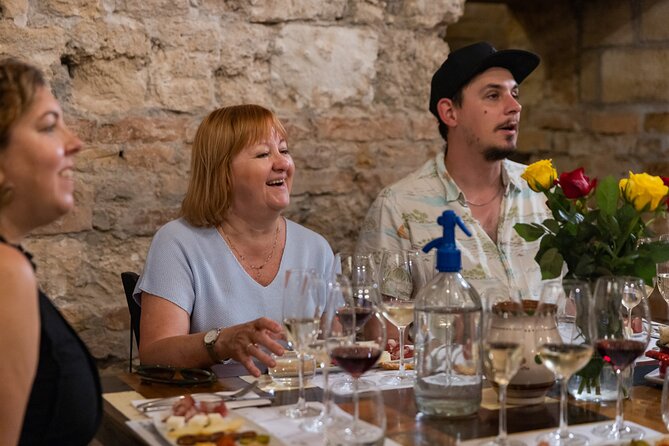
I like the small group limit of eight, which gives the guide room to answer questions and adjust the pace. I also like the mix of three Hungarian wines, pálinka, gulyás, goose liver paté, pastries, and dessert. You get a broad first taste of the country without spending the evening in one formal restaurant.
The trade-off is simple: this is a walking dinner, not a seated meal. You will cover a lot of ground, and the tour is not wheelchair accessible. Vegans should skip it, since meat, dairy, and other animal products are central to the food served.
Key points at a glance
- Six tasting stops: Begin at The Tasting Table, then continue to five food and drink venues around the Palace District.
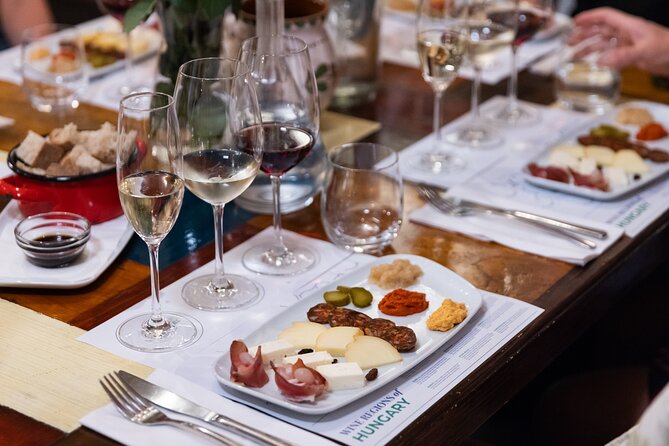
- Three Hungarian wines with a sommelier: The opening tasting includes sparkling, white, and red wine with local cheese and charcuterie.
- A full progressive dinner: Expect baked goods, goose liver paté, gulyás, other local dishes, pálinka, coffee, and dessert.
- Palace District history: Walk past aristocratic homes, National Museum gardens, university streets, and sites tied to the 1956 Revolution.
- Small English-speaking group: The tour accepts two to eight people, with private options available.
- $145 value proposition: The price is high for a walking tour, but it covers substantial food, drinks, a sommelier-led wine tasting, and four hours of guiding.
Why the Palace District makes such a good dining route
The Palace District, known in Hungarian as Palotanegyed, occupies the area around the National Museum between Budapest’s inner and outer ring roads. It has a different feel from the grand Danube waterfront or the crowded sights around the Parliament.
Here, 19th and early 20th-century aristocrats built large residences close to the museum and the former center of political life. Universities now bring students to the area, while cafés, galleries, shops, and bars give the old streets a younger tone.
That mix is the heart of this experience. You are not simply taken from restaurant to restaurant. You pause to look at façades, gardens, courtyards, and buildings that most visitors would pass without understanding.
The neighborhood also has a strong connection to Budapest’s film industry. Its architecture can double for other European cities, so film crews often use the streets as backdrops. The result is a district that feels grand without being entirely polished or overrun.
I especially like the way the route connects food with place. A pastry tastes more interesting when you know the bakery has been run by the same family since 1870. A courtyard drink has more character when you understand how these inner spaces fit into Budapest’s urban life.
More Palace Night Tours in the world:
- Venice: Lords of the Night Prison’s Palace Cells & Tortures
★ 4.0 · 1,067 reviews - Exclusive Evening at Schönbrunn Palace: After-Hours Audiotour, Dinner, Concert
★ 4.0 · 930 reviews - Vienna: Schönbrunn Palace Evening Tour, Dinner and Concert
★ 4.4 · 889 reviews
Starting at The Tasting Table on Bródy Sándor utca
The evening begins at The Tasting Table and Shop at Bródy Sándor utca 9, in District VIII. The shop sits only 150 meters from the National Museum, and you can reach it in about five minutes from Astoria on metro line M2 or Kálvin tér on M3. Trams 47 and 49 also stop at those two transport points.
This is a useful meeting point because it is central but not directly on the busiest tourist routes. If you are staying near the river, allow time to find the street and arrive ready to walk.
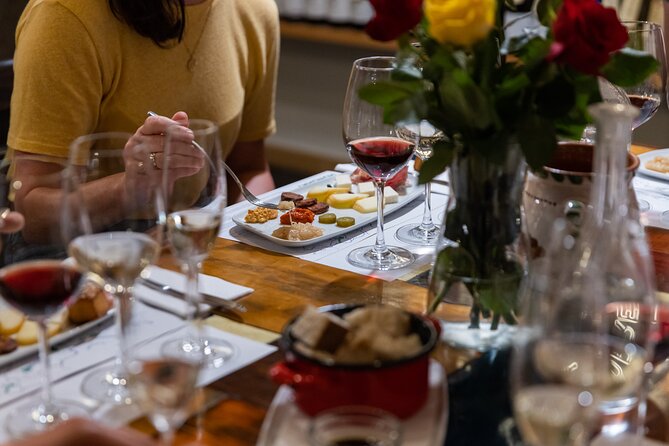
The first tasting sets the tone. A sommelier introduces three Hungarian wines: sparkling, white, and red. They come with a platter of local cheeses and charcuterie, so you start with something substantial rather than a token sample.
For many people, this may be the most educational wine stop of the evening. Hungarian wine can be unfamiliar outside the country, and tasting several styles together gives you a quick sense of how varied it can be. The sommelier provides the wine focus, while the food guide connects the flavors to Hungarian eating habits.
You should pace yourself here. The tour includes several more drinks, including pálinka, and the evening lasts four hours. The opening wine tasting is a generous beginning, not the whole event.
Bakery traditions and the pleasures of grazing
After the cellar, the route continues through the district with several stops along the way. One is a bakery run by a family whose business dates to 1870. You taste baked goods such as pogácsa and stangli, two useful introductions to everyday Hungarian bakery culture.
Pogácsa is a savory, often crumbly pastry commonly served as a snack. Stangli is another baked good with a simple, familiar character. These are not elaborate restaurant creations, and that is precisely why they matter. They show you the sort of food people eat between meals, at gatherings, or with a drink.
This part of the tour also explains the value of grazing. Instead of waiting for a large plate at one restaurant, you sample small portions across the neighborhood. That keeps the evening moving and lets you compare different settings, from a long-running bakery to a modern local venue.
The format works particularly well for a first night in Budapest. You can eat, get your bearings, and ask the guide for suggestions about other places to visit during the rest of your stay. A past guide named Aniker was praised for giving useful advice beyond the evening itself, and other guides have included Andrea, Sarah, Daniel, Sophia, and Franc. Guide assignments can vary, but the food-and-history focus remains the same.
Pálinka in a courtyard bar
At one stop, you try pálinka inside a lively courtyard bar. This fruit brandy is one of Hungary’s best-known drinks, and it is usually served in a small portion because it packs a punch.
The setting matters. Budapest’s courtyard bars occupy old buildings with internal spaces that are easy to miss from the street. They are part of the city’s modern social life, yet they make use of older architectural forms.
This is a good place to ask questions about the drink and how it fits into Hungarian customs. The stop is brief enough to keep the route moving, but it gives you a taste of Budapest’s more informal evening culture.
If you are sensitive to strong spirits, take the sample slowly. The tour includes wine as well as pálinka, so there is no advantage in rushing any drink.
More royal history around the world:
- Madrid Essential: Historic Center, Plaza Mayor & Royal Palace
★ 5.0 · 6,416 reviews - Venice’s Best: Basilica, Doge’s Palace, Gondola & History Gallery
★ 4.5 · 2,478 reviews - Tokyo: Imperial Palace and Shogun Historical Walking Tour
★ 5.0 · 2,251 reviews - Dubai: Abu Dhabi Grand Mosque, Palace, and Heritage Village
★ 4.8 · 1,265 reviews
Gulyás, goose liver paté, and neighborhood cooking
The main savory food comes at a neighborhood bistro, where you can expect gulyás, appetizers, goose liver paté, and other local dishes. Gulyás is often translated as goulash, though the Hungarian version is traditionally a soup or soup-like dish rather than the thick stew many visitors expect elsewhere.
This stop gives the evening some weight. By this point, you have sampled wine, cheese, charcuterie, and bakery food, but the hot soup and savory plates make the meal feel more complete.
Goose liver paté adds another classic Hungarian flavor. It is rich, so the small-group tasting format is helpful. You get to try it without committing to a large portion.
The bistro stop also provides a useful contrast with the bakery and bar. You see how Hungarian food works in a more conventional meal setting, while still keeping the relaxed rhythm of a progressive dinner.
Diet matters here. The experience is not suitable for vegans, and the included foods feature meat, dairy, and goose liver. Vegetarian needs are not described in the tour details, so you should ask about them before booking rather than assume substitutions will be available.
A history walk through Budapest’s golden age
The food is only half of the evening. Between stops, your guide explains how the Palace District developed during Budapest’s golden age, when aristocratic families built grand homes near the National Museum.
You will pass elegant façades and may look into courtyards and buildings that are not normally open to the public. These glimpses are one of the strongest reasons to choose this route instead of a standard restaurant crawl.
The district also housed Hungary’s first parliament. That gives the streets a political importance that is easy to overlook when you are focused on dinner.
The guide discusses the Italian community that shaped this part of town and explains the area’s changing identity. Universities, cafés, galleries, and shops now sit beside older palaces. The neighborhood is still finding its balance between traditional Budapest and newer cosmopolitan life.
The National Museum gardens are another important section of the walk. The route includes these grounds, where the surrounding palaces help you picture the social world of 19th-century Budapest.
You also hear about the 1956 Hungarian Revolution, especially the siege of the Hungarian Radio building. This is not a full political history course, but the stop gives context to the streets around you and helps explain why this district matters beyond its architecture.
The former palace that became a public library
One of the most unusual sights is a former neo-Baroque palace now used as a public library. It is described as one of the most beautiful public libraries in existence, with a ballroom where Franz Joseph attended events.
That detail turns a simple architectural visit into a glimpse of Budapest’s old social hierarchy. You are looking at a building designed for ceremony, status, and formal gatherings, yet it now serves a public purpose.
Access and viewing conditions can depend on the evening’s arrangements, so think of this as part of the guided route rather than a guaranteed long interior visit. The value comes from being shown a place you might not identify on your own.
This is also where a good guide matters. Names, dates, and architectural details can blur together on a standard walking tour. Here, the building is tied to the food route and the neighborhood’s larger story.
Coffeehouse dessert and a proper ending
The last tasting stop is dessert at an old coffeehouse, with coffee included. Budapest’s coffeehouse tradition has long been linked to writers, artists, students, and political discussion, so ending in this setting makes sense.
After the stronger flavors of wine, pálinka, paté, and gulyás, coffee and a sweet dish provide a calm finish. The dessert stop also gives you a chance to sit down after several hours on your feet.
The four-hour length is well judged for the amount of food and walking, but you should still wear comfortable shoes. There are breaks to eat, yet this is not a bus-based sightseeing tour. You walk between venues and historical points, and the route covers a meaningful portion of the district.
What $145 buys you
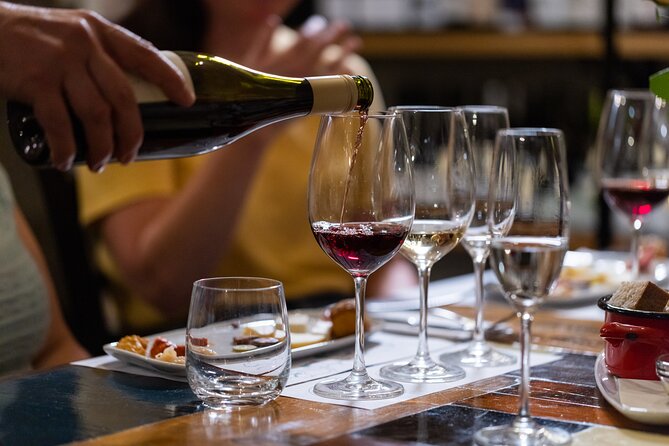
At $145 per person, this is not a budget food walk. The price needs to be measured against what is included: six tasting stops, three wines with a sommelier, cheese and charcuterie, bakery items, pálinka, gulyás, goose liver paté, other local dishes, coffee, dessert, and four hours with a specialist food and history guide.
That is a substantial amount of food and drink. You are not paying only for samples. You are also paying for the route design, venue access, local introductions, and the work of linking each stop to Budapest’s past.
The small group size adds value. With no more than eight people, the guide can answer questions and keep the group together without the feel of a large organized excursion. The minimum is two participants, though the company may cancel if that minimum is not reached and offer an alternative or full refund.
I would compare this with the cost of booking dinner, a wine tasting, and a separate history walk. If you already plan to eat at high-end restaurants and do not care much about local context, $145 may feel steep. If you want one evening that combines a full meal, several drinks, neighborhood access, and storytelling, the price is easier to justify.
Free cancellation up to 24 hours before the tour and the option to reserve now and pay later also help if your Budapest plans are still shifting.
Who should book this evening walk
I would recommend it most strongly for first-time visitors who want a guided introduction to Hungarian food beyond the famous sights. It is also a good choice for anyone who prefers several small tastings to one long dinner.
The tour suits curious eaters who enjoy trying local dishes, strong spirits, and unfamiliar wines. It works well for couples and small groups, and the private option may be useful if you want a customized pace or menu discussion.
It is less suitable for you if mobility is limited, since the route involves a lot of walking and is not wheelchair accessible. Vegans should not book it. People who want a quiet, seated evening should also choose a conventional restaurant instead.
Plan this tour for early in your Budapest stay if you want neighborhood and dining suggestions for later days. You can also book it near the end of your visit if you prefer to use the evening as a final sampling of Hungarian food and drink.
Should you book the Palace District walk?
Book it if you want a full evening of local food, wine, and history, not just a short tasting. The strongest features are the small group, the wide range of food and drink, and the chance to see a less obvious side of central Budapest.
The best reason to choose it is the route itself. You move from a respected wine cellar to bakeries, bars, bistros, courtyards, palaces, gardens, and a coffeehouse, while a specialist guide explains how the district changed.
Skip it if $145 is beyond your food budget, if you need a wheelchair-accessible route, or if your diet excludes the meat and dairy served. For everyone else, this is a well-rounded way to spend one Budapest evening, especially at the start of a longer stay.
FAQ
Where does the Palace District food walk begin?
It begins at The Tasting Table and Shop, Bródy Sándor utca 9, 1088 Budapest, in District VIII.
How close is the meeting point to public transportation?
The Tasting Table is about a five-minute walk from Astoria on metro line M2 and Kálvin tér on metro line M3. Trams 47 and 49 also stop at Astoria and Kálvin tér.
How long does the experience last?
The tour lasts four hours. Starting times vary, so you should check availability when booking.
How many tasting stops are included?
There are six tasting stops in total. The evening begins at The Tasting Table and continues to five additional venues in the Palace District.
What drinks are included?
The tour includes three Hungarian wines, sparkling, white, and red, served with a sommelier. It also includes pálinka, a Hungarian fruit brandy, along with other drinks at the food stops.
What food is included?
Included foods can include local cheese and charcuterie, pogácsa, stangli, goose liver paté, gulyás soup, other local dishes, and a coffeehouse dessert.
Is the tour wheelchair accessible?
No. The tour involves substantial walking and is not wheelchair accessible.
Can I cancel the booking?
You can cancel up to 24 hours before the experience for a full refund. You can also reserve now and pay later.
Fresh palace tours around the world
- Bangkok Private Grand Palace Emerald Buddha and Reclining Buddha★ 4.5 · 2 reviews
- Bangkok Markets, Palaces and Temples Excursion★ 5.0 · 8 reviews
- Bangkok Two Temple Tour: Wat Pho, Emerald Buddha & Grand Palace★ 5.0 · 4 reviews
- Bangkok Royal Road – Top 3 Major Monuments (Grand Palace, Wat Pho, Wat arun)★ 4.5 · 111 reviews
- Bangkok Grand Palace and Emerald Buddha Tour★ 4.0 · 91 reviews
- Bangkok’s Landmarks Tour : GrandPalace WatTraimit WatPho WatArun★ 5.0 · 8 reviews
- Private Tour: Grand Palace,Wat Phra Kaew, Museum&Cooking Class★ 5.0 · 7 reviews
- Bangkok Grand Palace & Emerald Buddha Flexible Entry with Audio★ 3.5 · 3 reviews
Palace Night Tours: the shortlist.
Lords of the Night Prison’s Palace Cells & Tortures
Read our review →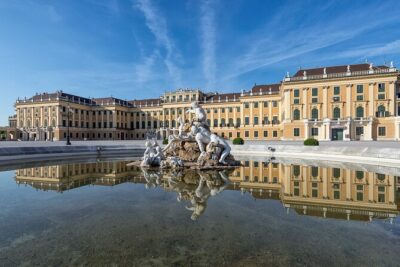
Exclusive Evening at Schönbrunn Palace: After-Hours Audiotour, Dinner, Concert
Read our review →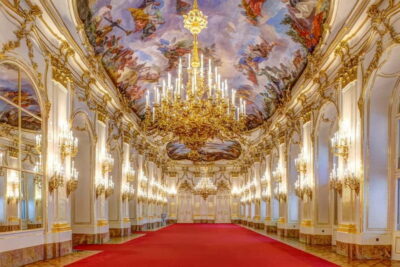
Schönbrunn Palace Evening Tour, Dinner and Concert
Read our review →
Palace, Temple and Market Guided Foodie Tour at Night
Read our review →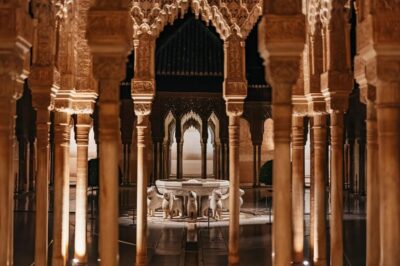
Alhambra and Nasrid Palaces Guided Tour at Night
Read our review →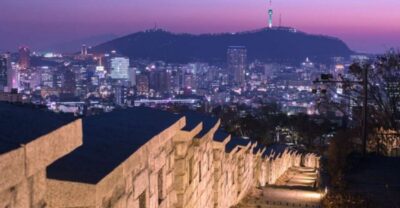
Nighttime Tour of Palace, Market, Naksan Park & More
Read our review →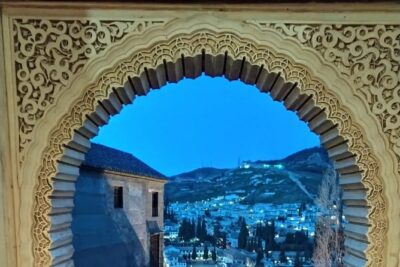
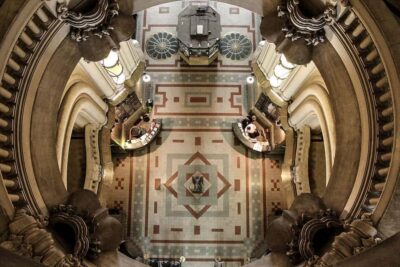
Buenos Aires: Palacio Barolo Guided Night Tour with Wine
Read our review →This visit also appears in