
Review · FRANCE
Paris: Château de Vincennes Entry Ticket
The most striking part of Château de Vincennes is its 52-meter medieval keep, a tall fortified tower that once protected French kings and later held prisoners such as the Marquis de Sade and Mirabeau. You can climb its stairs, enter the rooms where history unfolded, and see a royal fortress that later became a military site.
I like the long ticket validity, which gives you room to fit the château around a busy Paris plan. I also like the choice between self-guided visits, multilingual material, and a scheduled French tour. The main consideration is location: you must make your own way to eastern Paris, and the ticket is non-refundable once purchased.
Key points to know before you go
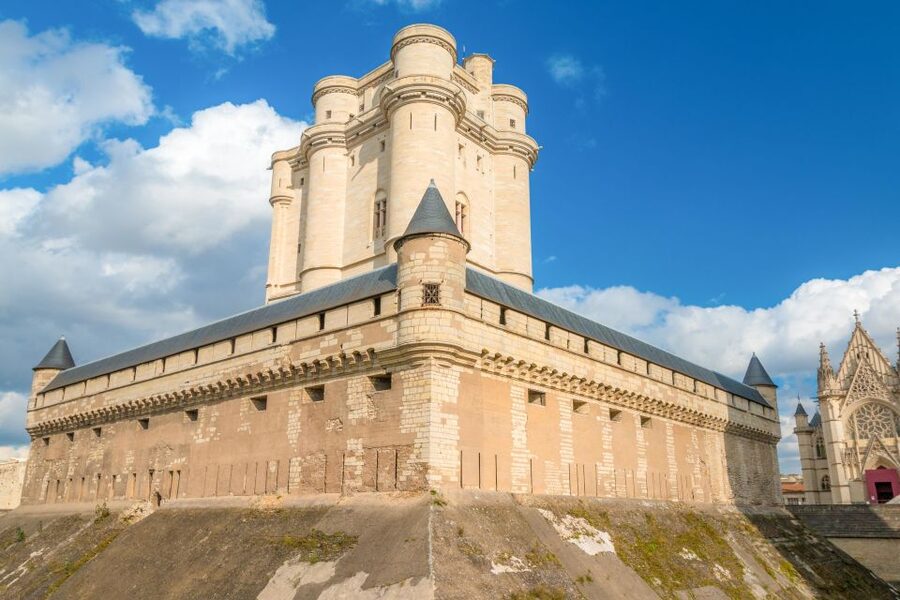
- The keep rises 52 meters: Climb the tallest medieval fortified tower of its kind in Europe.
- The ticket lasts 365 days: Check available visiting times and choose a date that fits your plans.
- French tours run daily: Join at 2:15 PM or 3 PM without reserving a place in advance.
- The château covers centuries of change: See how a royal stronghold became a prison, barracks, arsenal, and national memorial.
- Self-guided tools are included: Use multilingual visitor material and an augmented reality terminal in Charles V’s study.
- Young visitors may enter free: Admission is free for those under 18 and EU citizens under 26 with valid photo ID.
Why Château de Vincennes is worth the short trip east
Paris has plenty of grand palaces, but Château de Vincennes gives you a different view of French power. Versailles is polished royal theater. Vincennes is more defensive, more severe, and more closely tied to the practical business of protecting a capital.
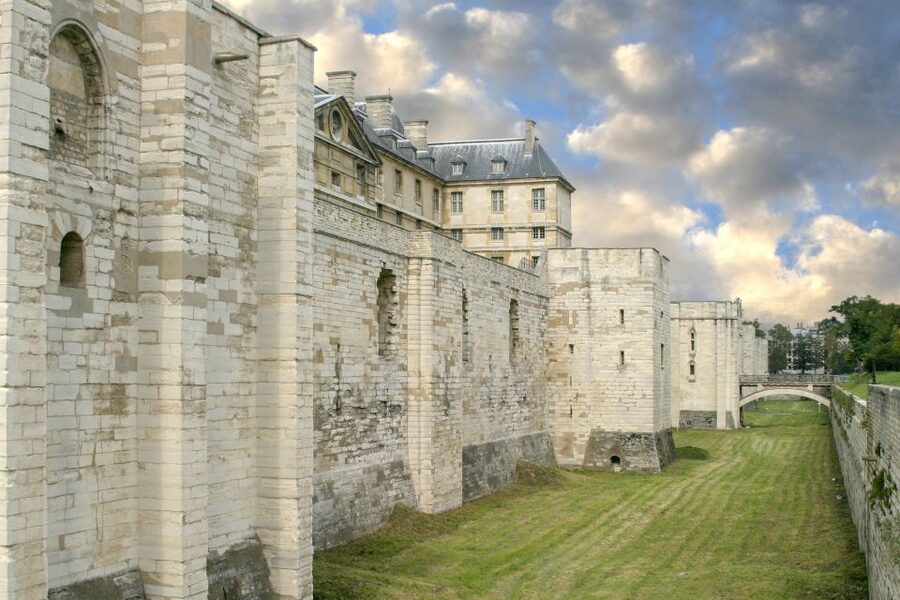
The fortress was built in the 14th century to strengthen the monarchy and guard Paris against uprisings. Its walls and towers were not simply decorative. They sent a clear message: the king could defend himself, control access to the capital, and retreat behind strong stone defenses when trouble came.
The site remained at the heart of the French monarchy until 1682, when Louis XIV moved the royal court to Versailles. That shift changed Vincennes forever. It no longer served as the main royal residence, but the building continued to play important roles as a prison, military base, arsenal, and place of national remembrance.
I find that changing purpose one of the best reasons to visit. You are not looking at a building frozen in one royal period. The château shows how France adapted an old stronghold to new political and military needs.
More Palace Entry Tickets in France
- Chantilly: Chateau of Chantilly Skip-the-Line Entry Ticket
★ 4.6 · 602 reviews - Loire Valley: Château Royal d’Amboise Entrance Ticket
★ 4.6 · 476 reviews - Paris: Palais Garnier Mystery Game with Entry Ticket
★ 4.3 · 400 reviews
Entering a royal fortress outside central Paris
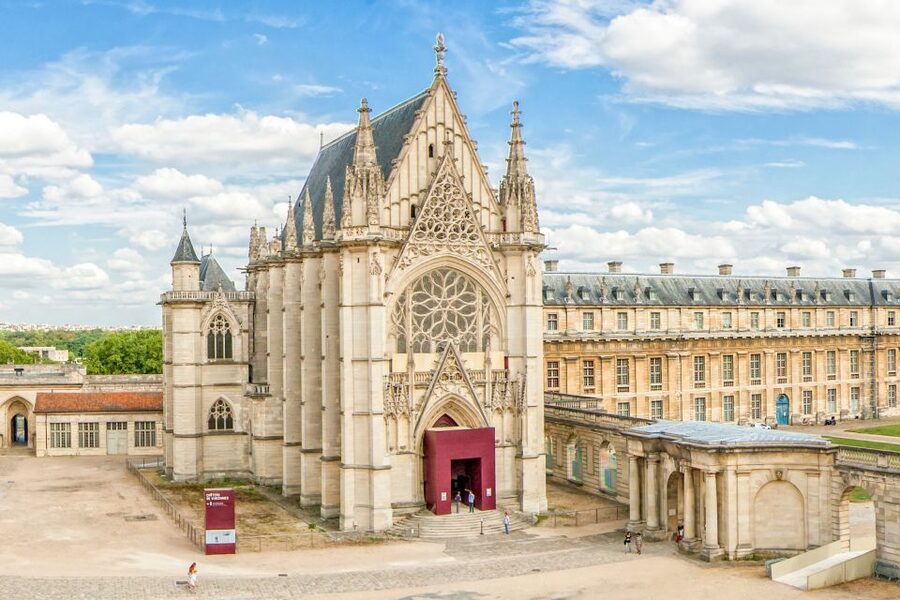
The Château de Vincennes is at Avenue de Paris in Vincennes, in the eastern part of the Paris region. The trip takes you beyond the most crowded central sights, but you need to arrange your own transport because it is not included with the ticket.
That extra effort is part of the calculation. If your Paris schedule is packed with the Louvre, Notre-Dame, and the Eiffel Tower, Vincennes requires planning. If you have already seen the central monuments or want a quieter historical visit, the journey can pay off.
At the entrance, bring a passport or photo ID. This is especially important if you qualify for free admission. Visitors under 18 and EU citizens under 26 must show photo identification with a picture at the ticketing station before going to the monument entrance.
The ticket is valid for 365 days, which is unusually flexible for a single attraction. You still need to check availability and starting times, but you are not forced into one narrow travel date. That matters if rain, transport delays, or a packed Paris itinerary changes your plans.
Climbing the 52-meter keep
The keep is the centerpiece. At 52 meters tall, it is the highest medieval fortified tower of its kind in Europe. Reaching the upper levels means climbing stairs, so this part of the visit suits you best if you are comfortable with a vertical route through an old fortress.
The climb is valuable because it connects the building’s military design with its political purpose. From the outside, the keep looks like a massive defensive statement. Inside, the rooms and stairways show how a fortified tower could also serve as a royal residence, administrative center, and prison.
You will not experience a sleek modern museum layout here. The appeal is the structure itself: thick walls, enclosed rooms, and the sense of a building designed for security rather than comfort. Give yourself time to notice how different this is from a palace built mainly for ceremony.
The keep also helps explain why Vincennes mattered to the monarchy. A king needed more than a comfortable residence. He needed a defensible base near Paris, a place that could project authority and provide protection during unrest.
The practical drawback is simple: the stairs may make the visit tiring. The available information does not specify the number of steps or all access arrangements, so you should plan carefully if climbing is difficult for you.
From royal residence to famous prison
The keep served as a prison from the 16th through the 19th century. That long period gives the tower a darker mood and adds another layer to the visit.
You can see rooms associated with Nicolas Fouquet, the Marquis de Sade, and Mirabeau. These names connect the fortress to different moments in French political and social life. Fouquet was a powerful finance minister. The Marquis de Sade remains one of France’s most controversial literary and political figures. Mirabeau was a major voice during the French Revolution.
You can also see the room where King Henry V died. This detail shifts the tone again. The keep was not only a place of confinement. It was also connected to royal life and death.
I like this mixture of famous prisoners and royal memory because it keeps the visit from becoming a simple military tour. The rooms make the building personal. Instead of hearing only about walls, weapons, and rulers, you can connect the place with individuals who lived, suffered, governed, or died there.
The prison history may not suit young children who prefer interactive attractions, though the augmented reality feature can add interest. Adults and older children with an interest in monarchy, revolution, literature, or political history will get more from these rooms.
Same royal city, another way in:
- Paris: Versailles Palace and Gardens Full Access Ticket
★ 4.6 · 41,579 reviews - Versailles: Skip-the-Line Tour of Palace and Gardens Access
★ 4.7 · 10,429 reviews - From Paris: Versailles Palace & Gardens with Transportation
★ 4.6 · 6,222 reviews - Versailles: Skip-the-Line Guided Palace Tour and Full Access
★ 4.6 · 5,214 reviews
Following the château from Napoleon to modern France
Vincennes did not lose its purpose after the monarchy moved to Versailles. Under Napoleon I, the complex was changed into a barracks and arsenal. That decision shows how an older royal fortress could be adapted to the military needs of a new era.
The site later helped protect Paris during 19th-century invasions. Its story therefore moves beyond kings and prisoners. It becomes part of the defense of the French state, including the period when France faced modern military threats.
The building suffered extensive damage during the Second World War and was later restored. That restoration matters because the château you see today is both an old fortress and a repaired national monument. Its present form reflects survival, loss, and official efforts to preserve an important site.
Today, Château de Vincennes houses the historical services of France’s three armed forces. The building is also considered a place of national remembrance. That current role gives the visit a clear link to modern France, rather than leaving the château trapped in medieval history.
For me, this is where the site earns its place on a longer Paris itinerary. You can trace the building through the 14th century, the old monarchy, the prison era, Napoleon’s military government, 19th-century defense, wartime damage, and the modern state.
Choosing between the French tour and self-guided visit
A French guided tour is offered every day at 2:15 PM and 3 PM, with no reservation required. If you understand French, this is a useful way to hear the site explained while moving through the main areas.
The schedule is limited to those two daily times, so it may not fit a morning visit or a late afternoon plan. You also should not assume that the scheduled tour is available in English. The information provided identifies it as a French tour.
If you do not speak French, the self-guided option is likely more practical. A visitor guide is available in several languages, and an augmented reality terminal is included in Charles V’s study. This gives you a way to add explanation without hiring a private guide.
The wording around guiding deserves attention. A French tour is included at set times, but a personal guide is not included. You should plan your visit around the self-guided material unless you are comfortable joining the French-language tour.
The small group limit of 10 participants is a positive feature when the scheduled tour is operating. A smaller group can make it easier to follow the guide and move through historic rooms, though the supplied information does not promise that every part of the general visit will be conducted in a small group.
How much time should you allow?
The ticket itself is valid for 365 days, but the information does not give a fixed length for the visit. That means you can set your own pace within the monument’s opening hours and available entry times.
I would allow enough time for three main parts: the fortress and royal story, the climb through the keep, and the prison and military history. Rushing through the tower would miss the very feature that makes Vincennes different from many other Paris attractions.
You may also want extra time for the multilingual guide and the augmented reality terminal in Charles V’s study. These tools are not just add-ons for children. They can help you make sense of rooms where the architecture alone does not explain how the space was used.
The last entry is 45 minutes before closing. Treat that as a firm planning limit. Arriving shortly before the final entry may leave too little time for the keep and the main rooms.
The château is closed on January 1, May 1, and December 25. Free admission is offered on the first Sunday of January, February, March, November, and December, as well as during European Heritage Days on the third weekend of September each year.
Is the $15 ticket good value?
At $15 per person, the ticket is fairly priced for a major historic monument with a tall medieval keep, royal rooms, prison history, self-guided materials, and a daily French tour option.
The value improves if you use the ticket flexibly. A 365-day validity period is helpful if your first planned visit falls apart or if you are buying ahead for a longer stay. It also means the ticket is not tied to a single short window in the same way many timed Paris attractions are.
The ticket is less attractive if you want a fully guided experience in your own language. The French tour is included, but you receive self-guided material in several languages rather than a named private guide. Food, drinks, and transport are also not included, so add those costs to your day.
Free admission can change the calculation. Visitors under 18 and EU citizens under 26 can enter free with the required photo ID. The first Sundays listed above and European Heritage Days also offer free entry, though you should still check availability before building your entire plan around those dates.
Who will enjoy this visit most?
I would recommend Château de Vincennes to you if you enjoy forts, royal politics, prisons, military history, or buildings that changed purpose over time. It is especially good for visitors who have already seen the central Paris highlights and want a site with a more defensive and less polished character.
History-minded families may also enjoy it, especially with the augmented reality terminal in Charles V’s study. The free entry for under-18s makes the cost easier for families, provided each child has the required identification when applicable.
You may prefer another attraction if you want a short, effortless stop near the center of Paris, a fully guided English-language tour, or a palace filled with decorative interiors. Vincennes is about stone walls, political power, prison rooms, military use, and national memory. Its appeal is serious and architectural rather than lavish.
The climb is another factor. If stairs are a concern, check the site’s access information before booking. The keep is the star of the visit, and you do not want to arrive expecting an easy ground-level museum.
Practical details that can save you trouble
Bring your passport or photo ID, especially if you expect free admission. Children and eligible EU citizens under 26 must show a photo ID at the ticketing station before proceeding to the monument entrance.
Do not count on buying lunch or drinks as part of the activity. Food and beverages are excluded, so plan those separately.
If you want the French guided tour, aim for 2:15 PM or 3 PM. No reservation is required for that tour, but arriving with enough time before the chosen start will make the visit less hurried.
For a self-guided visit, take advantage of the multilingual visitor guide and the augmented reality terminal. These are particularly useful in rooms where the building’s purpose has changed several times.
Keep the closing rules in mind. Last entry is 45 minutes before closing, and the château closes on January 1, May 1, and December 25.
Should you book Château de Vincennes?
Book it if you want a substantial historical site beyond central Paris, especially if you like medieval fortifications and the story of how a royal building became a prison, military base, and national memorial. The 52-meter keep, flexible 365-day ticket, and multilingual self-guided options make the $15 price sensible.
Skip it if your Paris stay is very short, you need an English-language guide, or climbing stairs is not suitable for you. For the right visitor, though, Vincennes offers a clear, unsentimental look at French power from the 14th century to the present.
FAQ
Where is Château de Vincennes located?
It is at Avenue de Paris, 94300 Vincennes, in the eastern Paris region of France.
How long is the ticket valid?
The ticket is valid for 365 days. You should check availability for the visiting times before going.
How tall is the medieval keep?
The keep is 52 meters tall and is described as the tallest fortified tower of its kind in Europe.
Is a guided tour included?
A guided tour in French is included every day at 2:15 PM and 3 PM. No reservation is required for these French tours.
Are self-guided visits available?
Yes. Self-guided visits are available, with a visitor guide in several languages and an augmented reality terminal in Charles V’s study.
Is transport included?
No. Transport is not included, so you must make your own way to the château.
Who can enter for free?
Visitors under 18 and EU citizens under 26 can enter free with a photo ID showing a picture. Free admission is also offered on the first Sunday of January, February, March, November, and December, and during European Heritage Days on the third weekend of September.
When is the château closed?
It is closed on January 1, May 1, and December 25.
How late can I enter?
Last entry is 45 minutes before the indicated closing time.
Fresh palace tours around France
- Wine Tasting Tour at Châteauneuf du Pape★ 5.0 · 36 reviews
- Visit of the cellars of Château Gigognan with tasting★ 5.0 · 3 reviews
- Wines from Châteauneuf-du-Pape and surrounding areas in 1/2 day★ 5.0 · 96 reviews
- 8 Hours Group Tour in Châteauneuf du Pape★ 5.0 · 10 reviews
- Morning Wine Tour to Chateauneuf du Pape from Avignon★ 4.5 · 70 reviews
- Châteauneuf du Pape Wine Day Tasting Tour including Lunch from Avignon★ 5.0 · 287 reviews
- Highlights of Provence : Chateauneuf du Pape & Luberon★ 4.5 · 189 reviews
- In Depth Chateauneuf du Pape★ 5.0 · 16 reviews
Palace Entry Tickets: the shortlist.


Buckingham Palace: The State Rooms Entrance Ticket
Read our review →

Prague Castle and Lobkowicz Palace Entry Tickets
Read our review →This visit also appears in