
Review · SEOUL
Seoul: UNESCO Sites tour: Palace, Shrine & Bukchon Village
Seoul’s royal past comes into focus on this tour through Changdeokgung Palace, Jongmyo Shrine, and Bukchon Hanok Village. You move between palace courtyards, ancestral halls, and old residential lanes, with an English-speaking guide explaining what you are seeing rather than leaving you to decode it alone.
I like the mix of major UNESCO sites and everyday culture. I also like that the price includes entry fees and van transport, which removes some of the usual Seoul planning work. The main consideration is the pace: the full-day version adds Suwon, so you will spend much of the day moving between sights.
Key points
- Bukchon comes first: See preserved hanok houses, cafés, and cultural centers before the main palace visits.
- Two UNESCO sites anchor the morning: Jongmyo Shrine and Changdeokgung Palace offer very different views of royal Seoul.
- Monday and Tuesday plans change: Changdeokgung is replaced by Gyeongbokgung on Mondays, while Jongmyo becomes Insa-dong on Tuesdays.
- The full-day option reaches Suwon: Visit Hwaseong Fortress and Haenggung Palace outside central Seoul.
- Guides add personal help: Stella, Leo, Chloe, Ms. Park, Orota, and others have been praised for history explanations, photos, and practical assistance.
- Myeong-dong is the finish: You return near the subway, restaurants, and shopping in one of Seoul’s easiest districts for an evening meal.
Why this tour works for a first look at Seoul
At $36 per person, this is a practical way to cover several important sights without sorting out separate tickets or figuring out transport between them. The fee includes entrance charges, a professional English-speaking guide, a driver, and van transfer. Lunch is not included, so keep money aside for the midday break.
I see this as a useful first or second day in Seoul. You get a working map of the old capital, learn why royal buildings were arranged as they were, and finish in Myeong-dong, where you can continue exploring on your own. A guide can also help with basic cultural questions, food ideas, and the difference between a royal palace, a shrine, and a traditional residential quarter.
The tour begins outside Exit 10 of Myeong-dong subway station at 8:30 am. The exact meeting details are confirmed by email, so check your spam folder if the message does not appear. Pickup from your hotel is not included, and the activity ends back at the meeting point.
More palaces to tour around Seoul:
- Seoul: Gyeongbok Palace, Bukchon Village, and Gwangjang Tour
★ 4.9 · 2,321 reviews - Best Seoul City Tour (Gyeongbokgung Palace,Insadong,Namsan Tower)
★ 5.0 · 1,647 reviews - Small-Group Royal Palace and Seoul City Tour (hotel pick-up)
★ 5.0 · 1,474 reviews
Bukchon Hanok Village before the crowds build
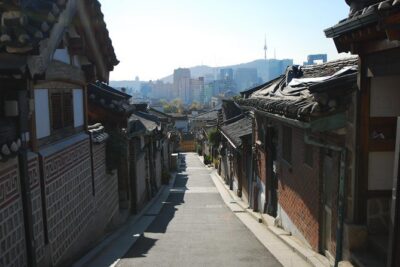
Bukchon Hanok Village gives you an immediate sense of traditional Seoul. Its narrow streets are lined with hanok, the traditional Korean houses recognized by their tiled roofs, wooden details, and simple lines. Some buildings remain homes, while others now hold cafés and cultural centers.
This is a good opening stop because it connects architecture with modern life. You are not looking at a preserved museum district alone. You are walking through an area where old building forms now sit beside shops and places to pause for coffee or tea.
Bring a camera, but remember that Bukchon is also a residential area. The tour information highlights photography and architectural explanation, not a private house visit. I would keep your voice down and avoid treating doorways or residents’ homes as photo props.
The village involves walking on streets and slopes, so comfortable shoes matter. If the area is closed, the plan changes to Namsangol Hanok Village. That replacement still focuses on traditional Korean architecture, but it is wise to understand that the exact atmosphere may differ.
Jongmyo Shrine and the meaning of royal ritual
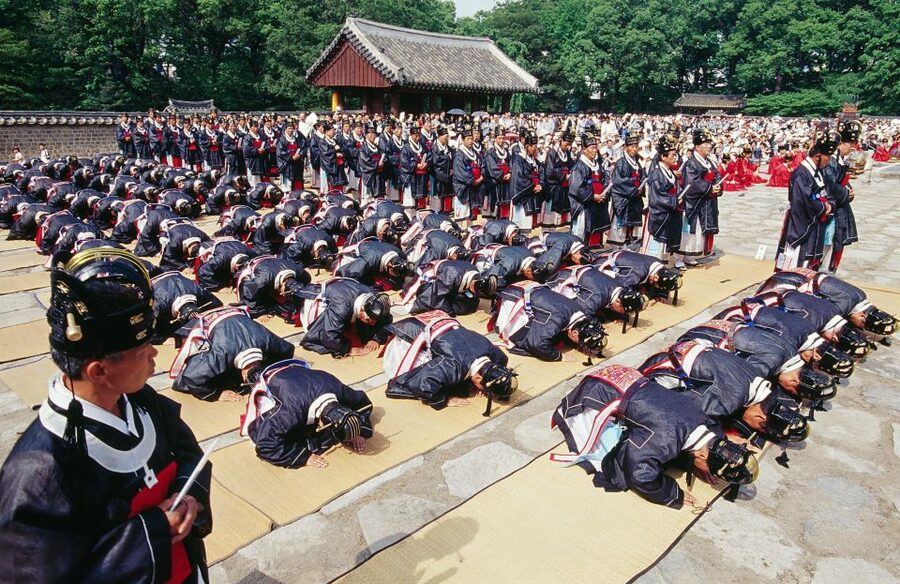
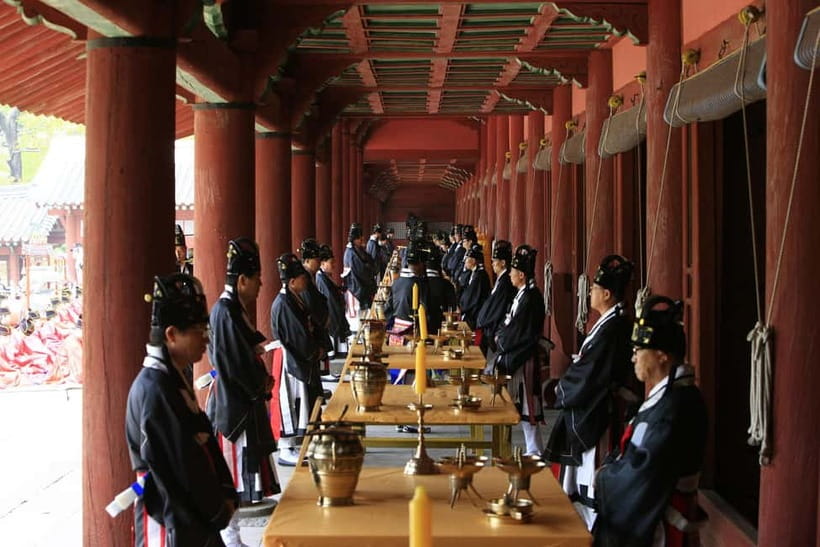
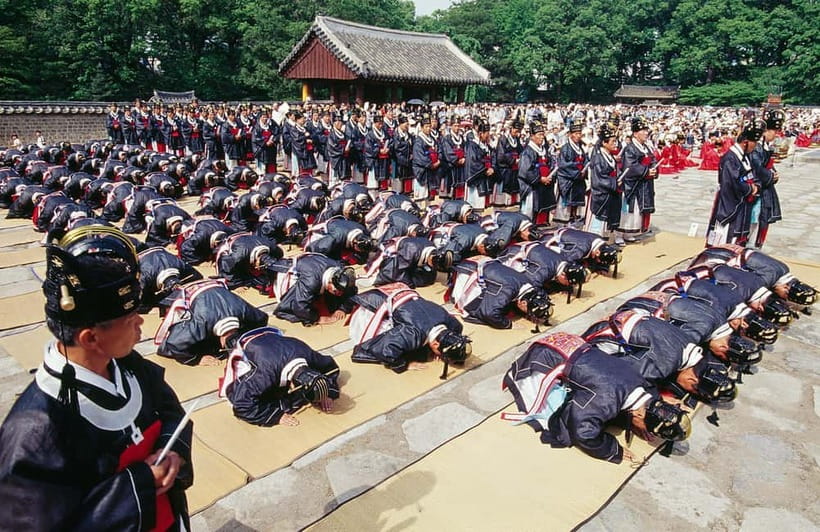
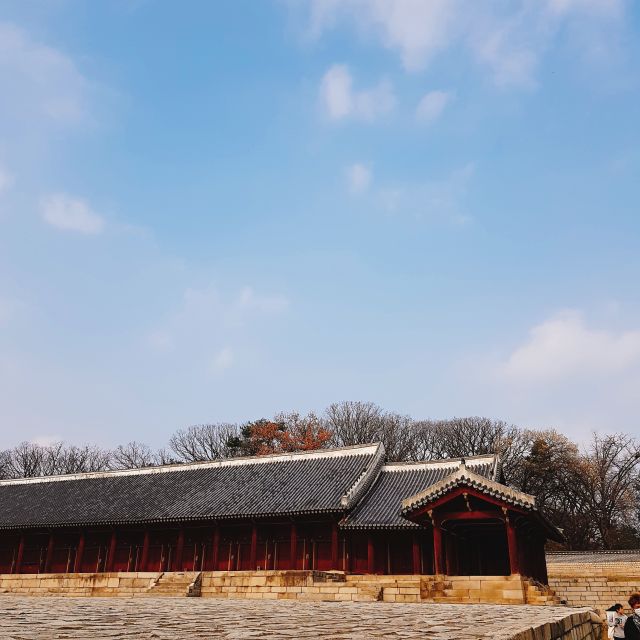
Jongmyo Shrine is a quieter, more solemn stop than the palace. It was built nearly 600 years ago for royal ancestral rites, and Korean kings came here to honor earlier monarchs. The site remains tied to traditional memorial ceremonies and court music performances held at certain times.
What I value here is the chance to see royal history from a religious and ceremonial angle. Palaces show where kings lived and governed. Jongmyo shows how the royal family remembered the dead and maintained ritual order.
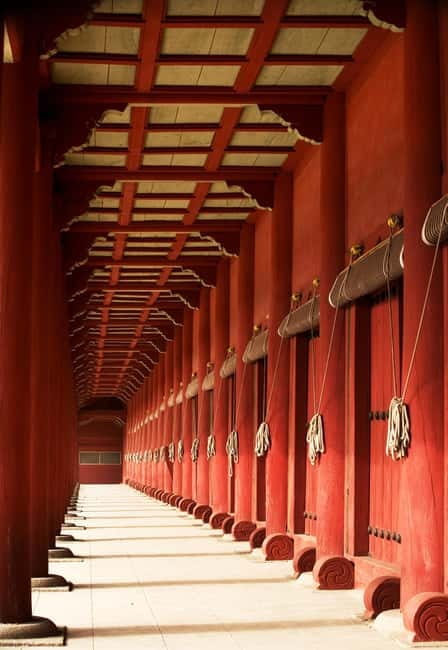
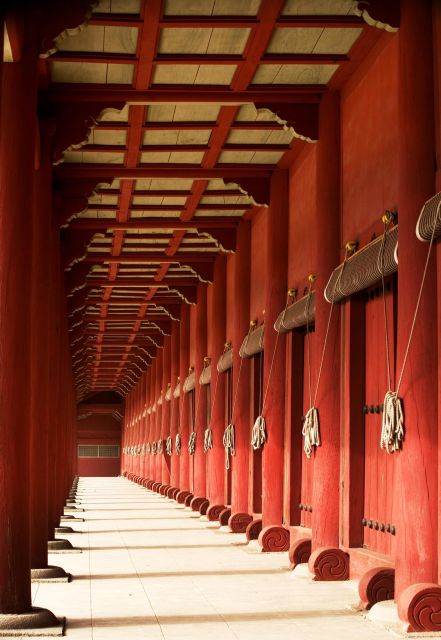
Your guide can make the long halls and formal spaces easier to understand. Without context, the shrine may look spare compared with a palace filled with colorful decoration. With an explanation of ancestral rites, its plain design feels intentional.
Jongmyo is closed on Tuesdays. On that day, the tour visits Insa-dong Culture Street instead. Insa-dong is known for antique shops, galleries, traditional tea houses, and an older neighborhood feel. It is not the same experience as Jongmyo, but it gives you more time around shops and cultural businesses.
Changdeokgung Palace and its carefully planned beauty
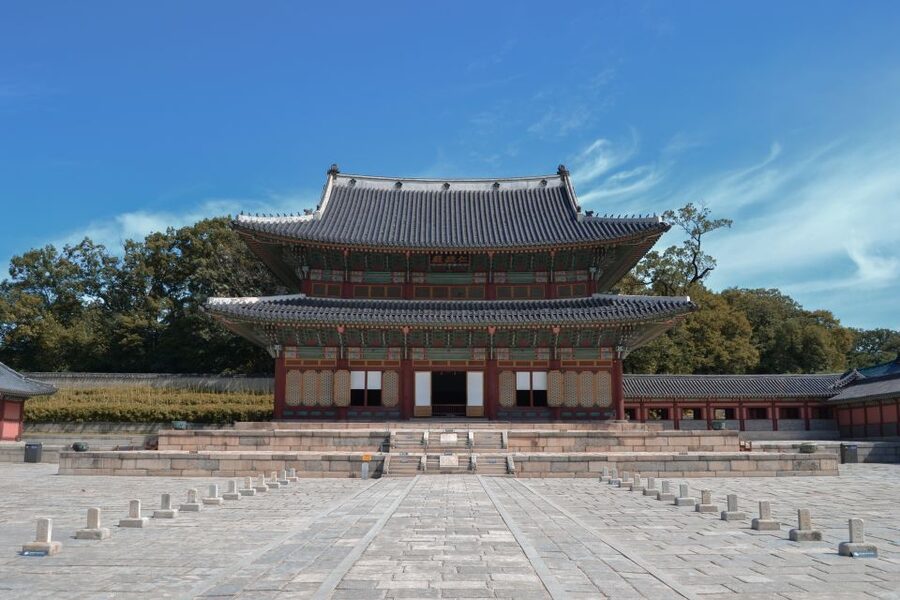
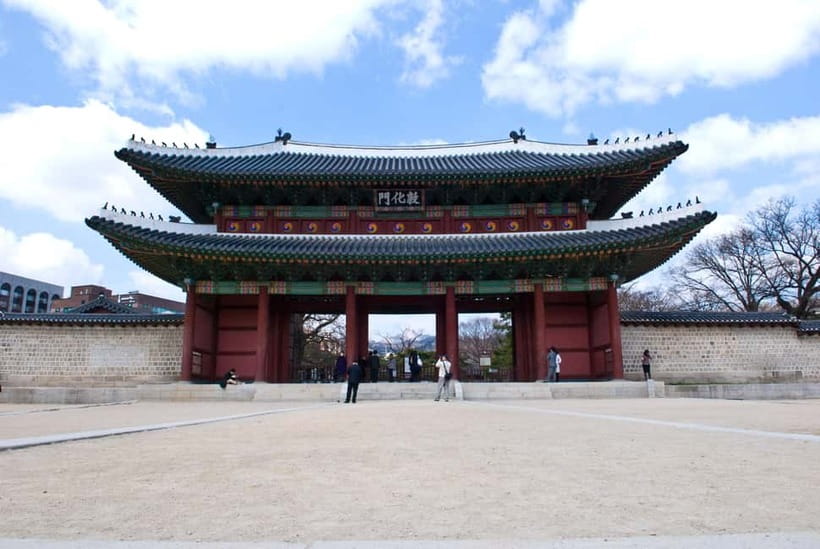
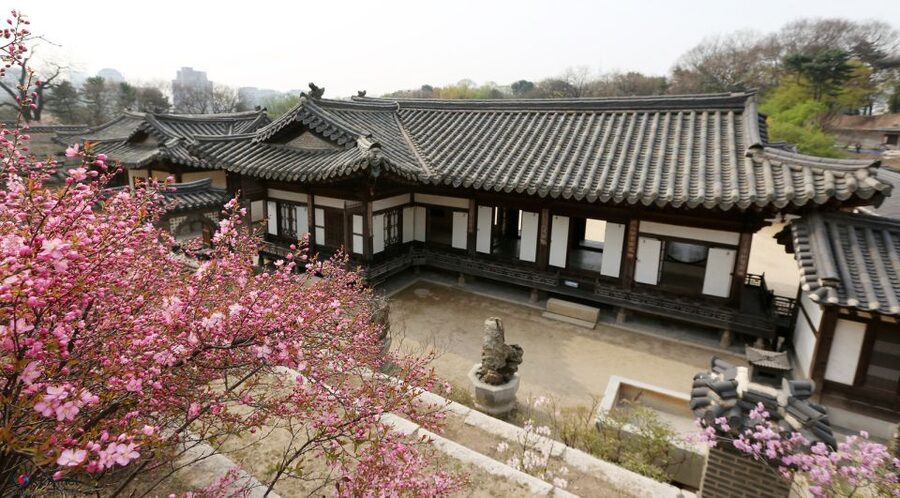
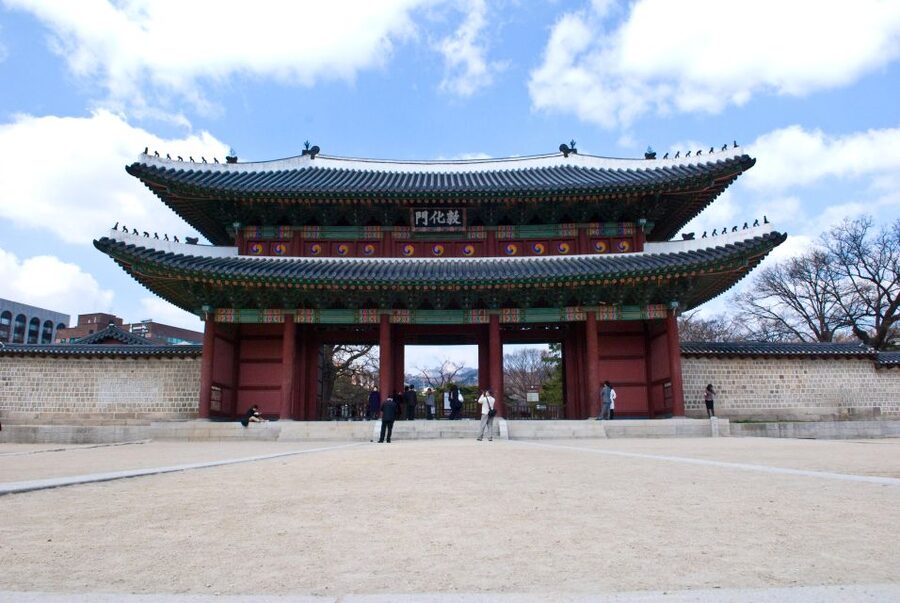
Changdeokgung is the main architectural prize on the standard schedule. The palace has about 600 years of history and was once a royal residence. It is also a UNESCO World Heritage Site, making it one of the most important stops for anyone interested in Korea’s royal past.
I like Changdeokgung because its appeal is not only size or decoration. The palace is admired for the way its buildings and gardens respond to the setting. Traditional Korean design often values a relationship between architecture and nature, and that idea is easier to see here than in a quick photograph.
Expect courtyards, gates, halls, and landscaped areas rather than one single grand interior. Your guide helps connect the spaces to royal use and explains details that can pass unnoticed when you walk alone. The guides who lead this experience are repeatedly praised for clear history explanations, friendly conversation, and help taking photographs.
Monday is the important exception. Changdeokgung is replaced by Gyeongbokgung Palace, another major royal site in Seoul. That is not a bad substitute, but you should book with the schedule in mind if Changdeokgung is the building you most want to see.
Same royal city, another way in:
- Seoul City Sightseeing Tour Including Gyeongbokgung Palace, N Seoul Tower, and Namsangol Hanok Village
★ 5.0 · 1,423 reviews - Seoul: Gyeongbok Palace, Bukchon Village, and Gwangjang Tour
★ 5.0 · 1,044 reviews - Seoul Half-Day City Highlight, Palace Tour with Hanbok
★ 4.9 · 764 reviews - Seoul: Palace, Temple and Market Guided Foodie Tour at Night
★ 4.9 · 750 reviews
The full-day extension to Suwon
The full-day version continues in the afternoon to Suwon, in Gyeonggi-do Province. This changes the character of the day. The morning is about royal Seoul and traditional neighborhoods, while the afternoon adds a major defensive structure outside the capital.
Suwon Hwaseong Fortress is a UNESCO World Heritage Site known for its well-preserved walls and advanced military engineering from the late 18th century. It gives you a different view of the Joseon period, with attention shifting from court ritual and palace life to defense, planning, and movement around a fortified city.
You also visit Hwaseong Haenggung Palace. This was a temporary royal residence used when kings traveled outside the capital. It is a useful companion to the fortress because it shows the administrative and residential side of a royal visit, not just the military one.
The benefit of adding Suwon is clear: you see more of Korea’s royal and architectural story in one day. The tradeoff is time. You will be in the van for transfers, and the schedule will feel fuller than a city-only outing. If you prefer a relaxed morning with extra time for cafés, shopping, or independent palace visits, the shorter plan may suit you better.
The tour returns to Myeong-dong near the subway station. That is convenient for dinner, shopping, and onward travel, but hotel drop-off is not provided.
What the guides add to the day
The strongest part of this experience is the guide-led interpretation. The listed languages include English, and the guide names associated with the tour include Stella, Park, Leo, KyungAh Park, also called Chloe, Orota, and Heidi.
The praise is specific. Stella is noted for clear English, Korean history, architecture, and restaurant tips. Park is described as friendly and well informed about Korean culture. Leo is recognized for enthusiasm and for making the history accessible. Chloe has helped visitors find a hanbok shop and took photos at the sites.
Orota is also noted for interesting explanations at the palace and shrine, along with a willingness to take pictures. These details matter because a guide on a history tour should do more than lead you from gate to gate. Help with photos, directions, and small practical needs can make the day easier, especially if you are new to Seoul.
The group size is not guaranteed in the supplied details. One booking was described as feeling exclusive because it included only that party, but you should not assume every departure will be private. The experience is provided by I LOVE SEOUL TOUR Co., Ltd.
The ginseng stop and what to expect
The itinerary includes a visit to Cheongha Korea Ginseng. You learn about Korean ginseng and its place in traditional East Asian medicine. Ginseng has been documented for centuries, and Korean ginseng is presented as a product valued for its ability to help the body respond to stress and support general health.
This stop may be useful if you want cultural background on a well-known Korean product. It may feel less central if your priority is only palaces, shrines, and architecture. I would treat it as a scheduled commercial-style stop rather than assume it will be another historic monument.
The information provided does not say that you must buy anything. You can listen, ask questions, and decide for yourself how much interest you have in the products. The visit also means that the tour is not a pure heritage walk, so travelers who want an uninterrupted sequence of historic sites should factor that into the decision.
Price, meals, and the real value
The $36 price is reasonable for a guided outing that includes admission fees and vehicle transfer. Seoul’s public transport is excellent, but moving between Bukchon, Jongmyo, Changdeokgung, and Suwon takes planning. A van and driver save time and reduce the chance of losing part of the day to navigation.
You still pay for lunch. A break is provided, but the meal cost is separate. The tour also does not include hotel pickup, so you need to reach Myeong-dong in the morning and return there at the end.
The value is strongest for you if you want structure and historical explanation. It is less compelling if you already know Seoul well, prefer to set your own pace, or want long stretches for shopping and cafés. At $36, the included transport and admissions do much of the practical work, but the tour should be judged as a full sightseeing day, not as a casual neighborhood walk.
Who should book this experience?
I would recommend it to first-time Seoul visitors, history fans, and anyone who wants a clear introduction to royal Korea. It also suits couples and small groups who appreciate having someone take photos and handle the route. Families may like the transport, though the tour is not suitable for wheelchair users.
It is a good fit if you want to hear the story behind the buildings. The guides have been praised for warmth, patience, and personal help, which can make a standard sightseeing route feel more human. The repeated five-star feedback and 4.8 rating from 26 reviews point to a consistently strong guide experience, especially in history explanations and practical assistance.
I would be more cautious if your main goal is independent exploration. The schedule includes several major stops, a ginseng visit, a lunch break, and possibly Suwon. That is a lot for one day, particularly if you want time to linger in Bukchon or inspect every palace detail.
The tour operates rain or shine, so check the forecast and bring suitable clothing. Since the plan changes on Mondays and Tuesdays, choose your day carefully. If Changdeokgung and Jongmyo are your priorities, avoid those replacement days.
Should you book it?
Book this tour if you want a value-focused introduction to Seoul’s royal heritage with an English-speaking guide, included admissions, and transport. The mix of Bukchon, Jongmyo, Changdeokgung, and, on the full-day schedule, Suwon gives you more range than a single palace visit.
Skip it if you want a slow, self-guided day or dislike scheduled commercial stops. For most first visits, though, the price, central meeting point, strong guide support, and broad route make this a sensible way to get oriented before exploring Seoul on your own.
FAQ
Where does the tour begin?
Meet outside Exit 10 of Myeong-dong subway station at 8:30 am. The local partner confirms the exact meeting point and time by email.
Where does the tour end?
The activity ends back at the meeting point in Myeong-dong, near the subway station. Hotel drop-off is not included.
What is included in the price?
The price includes entrance fees, a professional English-speaking guide, van transfer, and a driver. Meals and hotel pickup are not included.
Is lunch included?
No. A lunch break is provided, but you pay for your own meal.
What happens on Mondays and Tuesdays?
On Mondays, Changdeokgung Palace is replaced by Gyeongbokgung Palace. On Tuesdays, when Jongmyo Shrine is closed, the tour visits Insa-dong Culture Street instead.
Is the tour suitable for wheelchair users?
No. The experience is listed as unsuitable for wheelchair users.
Fresh palace tours around Seoul
- Seoul: Royal Palace Morning Tour including Cheongwadae★ 4.5 · 12 reviews
- Seoul: Gyeongbok Palace and Bukchon Hanok Walking Tour★ 4.8 · 157 reviews
- Seoul: UNESCO Palace and Street Foods Guided Tour★ 5.0 · 6 reviews
- Seoul: Hanbok Photo Tour at Gyeongbokgung Palace★ 5.0 · 9 reviews
- Seoul: Professional Hanbok Photography at Gyeongbok Palace★ 4.9 · 172 reviews
- Seoul: Gyeongbokgung Palace Half Day Tour★ 4.9 · 111 reviews
- Seoul: Gyeongbokgung Palace Tour & Lunch at Authentic Market★ 4.5 · 2 reviews
- Seoul: Modern Hanbok Dress Photoshoot Gyeongbokgung Palace★ 5.0 · 2 reviews
Seoul Palace Tours: the shortlist.
Gyeongbok Palace, Bukchon Village, and Gwangjang Tour
Read our review →
Best Seoul City Tour (Gyeongbokgung Palace,Insadong,Namsan Tower)
Read our review →
Small-Group Royal Palace and Seoul City Tour (hotel pick-up)
Read our review →
Seoul City Sightseeing Tour Including Gyeongbokgung Palace, N Seoul Tower, and Namsangol Hanok Village
Read our review →
Seoul Half-Day City Highlight, Palace Tour with Hanbok
Read our review →
Palace, Temple and Market Guided Foodie Tour at Night
Read our review →
Seoul Highlights: Gyeongbok Palace, Insadong & N Seoul Tower
Read our review →
This visit also appears in