Review · ROME
National Museum of Palazzo Massimo: 2-Hour Private Tour
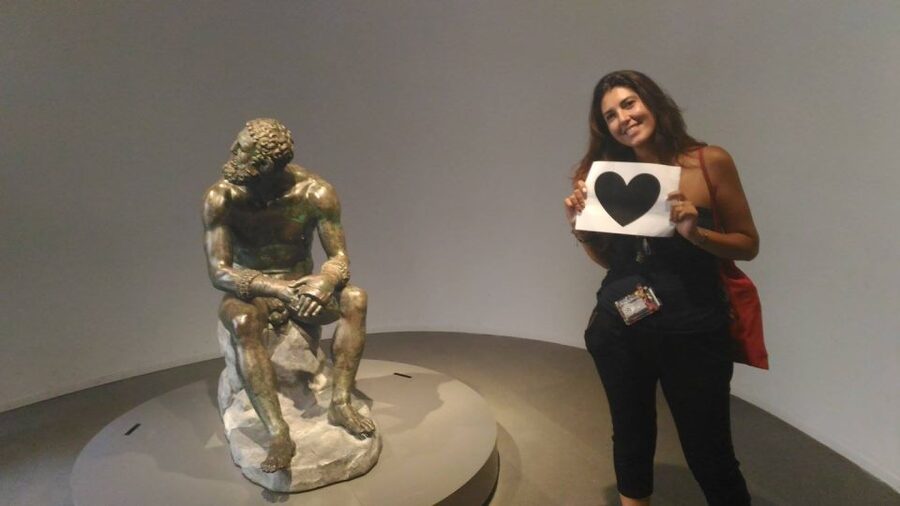
The most rewarding part of this private Palazzo Massimo tour is the way it connects famous Roman art to ordinary life. You will not just look at statues and mosaics. Your guide explains how Romans measured time, honored the dead, portrayed heroes, decorated homes, and understood their gods. The Boxer at Rest and the frescoes from the Villa of Livia give the visit its strongest visual moments.
I like the private format, which lets you ask questions and spend more time on the objects that catch your eye. I also like the focused two-hour length. It is long enough to cover major works without turning the museum into an endurance test. The main consideration is price: at $130.28 per person, this is a serious museum expense, especially for one or two people.
Key points to know
- The Boxer at Rest: See one of ancient Rome’s most moving bronze sculptures, with its battered body and alert expression.
- Villa of Livia frescoes: Study painted garden scenes that show how wealthy Romans brought nature into their homes.
- Ancient calendars: Learn how Roman communities in Praeneste and Anzio organized time and civic life.
- Sarcophagus of Portonaccio: Examine a dramatic battle scene and the Roman approach to military memorials.
- Private guiding: An English- or Italian-speaking guide leads the visit, with tickets included.
- Simple two-hour plan: Meet at the museum entrance 15 minutes early, then finish back at the same place.
Why Palazzo Massimo deserves two focused hours
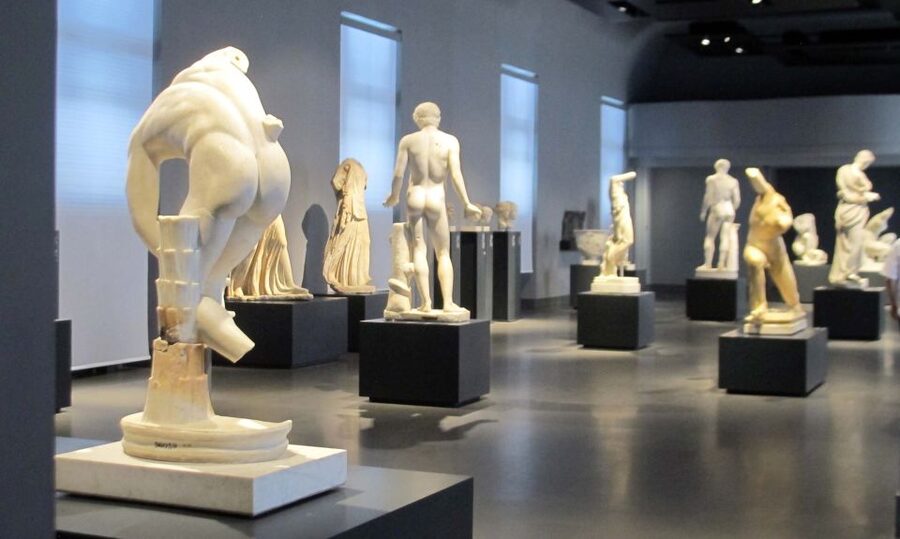
Rome has museums filled with ancient objects, but Palazzo Massimo makes a useful change from visiting ruins in the open air. Here, you can study details at close range. A statue’s expression, a painted wall, or a carved battle scene can hold your attention without the noise and distractions of a large archaeological site.
The museum’s collection also gives you several ways to understand Roman society. The tour is not limited to emperors and military victories. It reaches into the calendar, the home, religious practice, portraits, and funerary customs. That range matters because ancient Rome was not only a collection of monuments. It was a working society with rules, rituals, family duties, and strong ideas about status.
You meet your guide in front of the museum entrance. Arrive 15 minutes before the scheduled start, since tickets are distributed at the beginning. The activity ends back at the meeting point, and hotel pickup is not included, so you need to make your own way to the museum.
More Private Palace Tours in Italy
- Private Tour – National Museum of Palazzo Massimo
★ 5.0 · 51 reviews - Private Tour – Palazzo Barberini
★ 5.0 · 23 reviews - Colosseum, Roman Forum and Emperors’ Palace Private Guided Tour
★ 5.0 · 14 reviews
Roman calendars at Praeneste and Anzio
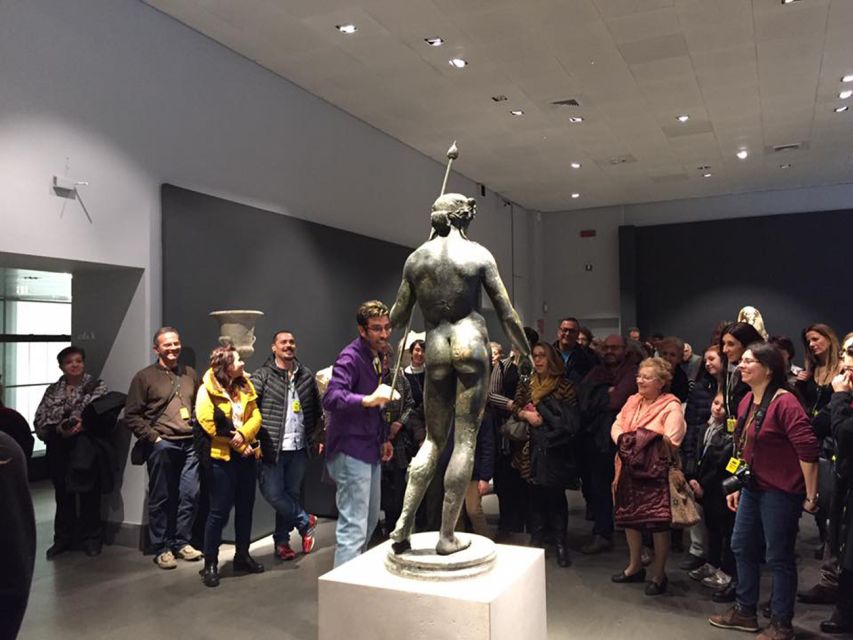
The calendars are a fine opening subject because they make ancient life feel practical. Rome’s sense of time affected public business, religious ceremonies, festivals, and daily routines. A calendar was not simply a list of months. It helped organize the public world.
The examples connected with Praeneste and Anzio let your guide explain how local communities recorded time. You can expect a discussion of the way Roman calendars reflected both civic and religious concerns. This is the sort of object that can seem plain at first glance, so a guide adds real value here. Without context, you might walk past it. With explanation, it becomes evidence of how people planned their lives.
This part should suit you if you like history that reaches beyond famous names. It is less instantly dramatic than a bronze boxer or a marble god, but it tells you how institutions worked. It also gives the rest of the visit a useful frame. After seeing how Romans organized time, you can better understand the ceremonies, portraits, and memorials that follow.
The Boxer at Rest and the human face of ancient art
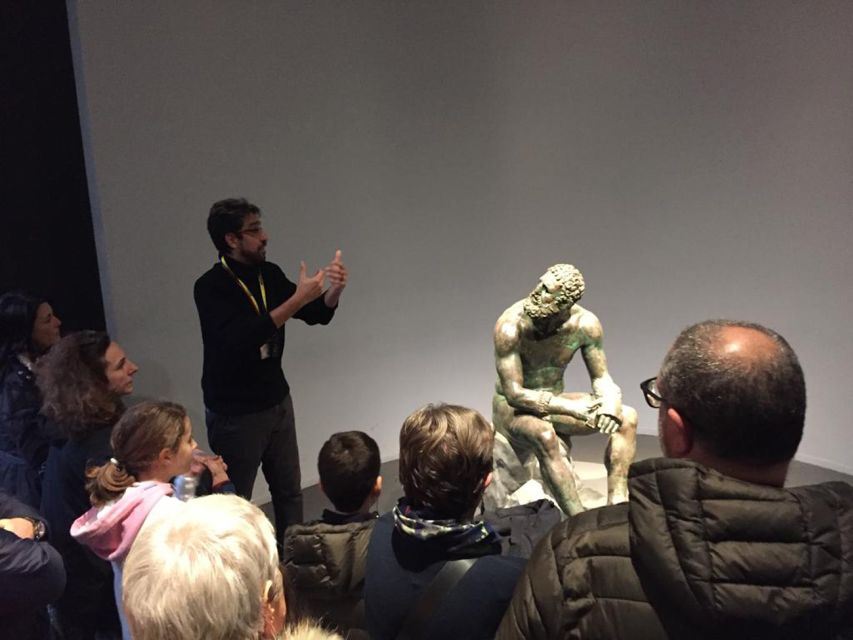
The Boxer at Rest is the visual centerpiece for many people. The statue shows a seated athlete after exertion, and its physical condition is part of its power. The figure does not look like a smooth, idealized hero untouched by real life. His body suggests fatigue, effort, and injury.
Your guide can help you notice the details that make the sculpture so affecting. Look at the posture, the face, and the signs of strain. Ancient sculpture is often reduced to perfect gods and handsome heroes. This boxer offers something different. He is strong, but not invulnerable. He appears to be waiting, recovering, and thinking.
I would give this stop enough time for a close look rather than treating it as a quick photo stop. You do not need a long lecture to appreciate it, but the private setting gives you a chance to ask why the statue feels so modern and direct. If your guide is Vincenzo, the experience may also benefit from the lively way he has been described when explaining key figures and activities from Roman life. Guide assignments can vary, so the tour does not guarantee him specifically.
The Boxer at Rest also helps you compare public ideals with individual character. Roman art often carried messages about power, virtue, and achievement. This work brings the body back to earth. It is one of the strongest reasons to choose a guided visit rather than simply moving through the galleries on your own.
Villa of Livia frescoes and Roman home decoration
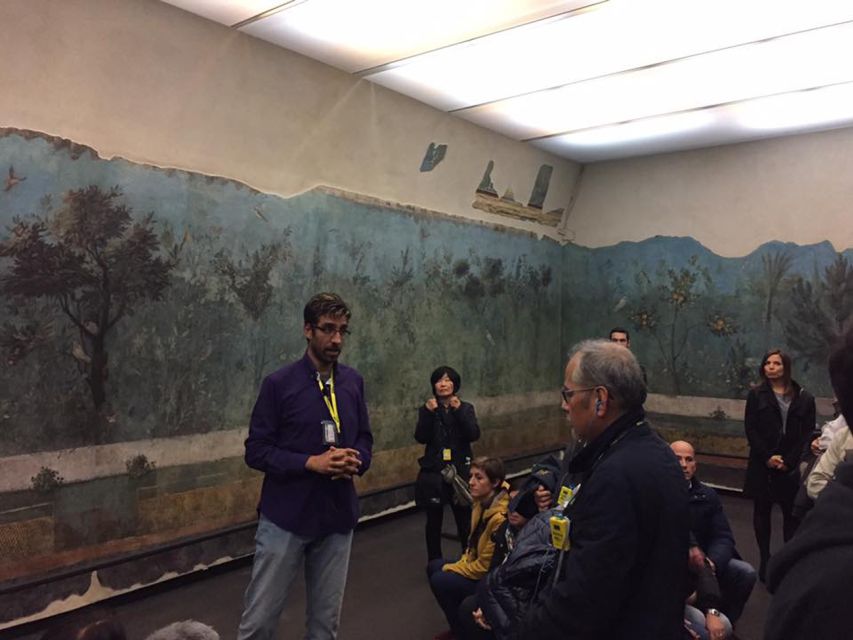
The frescoes from the Villa of Livia offer a quieter but equally important lesson. They show how Roman elites decorated private spaces and used painted scenes to shape the mood of a room. The images of gardens give you a sense of how indoor decoration could suggest an outdoor setting.
This is not just a pretty wall painting. The frescoes show taste, wealth, and the desire to control the atmosphere of a home. Your guide can point out how the painted garden creates a feeling of abundance and calm. That makes the artwork useful for understanding domestic life, not just artistic technique.
I like this stop because it widens the story beyond temples and battlefields. You see the private side of Roman culture, where decoration helped define comfort and status. It also gives the tour a welcome change of pace after the athletic force of the boxer.
Do not expect the same immediate drama here. The frescoes reward patience and close looking. If you prefer famous statues above all else, this may feel like a slower section. If you want to understand how Romans lived inside their homes, it is essential.
More Private Palace Tours in Rome
- Doria Pamphilj Palace Gallery and Museum Private Tour with Local Guide
★ 4.5 · 10 reviews - Palazzo Barberini: 2-Hour Private Tour
★ 4.9 · 9 reviews
Marble gods and the Roman habit of borrowing
The tour also leads you among marble statues of Roman and Greek gods. This is a good place to learn how religious images worked in the ancient world. Romans adopted and adapted many Greek artistic forms, while giving the gods Roman roles and meanings.
A guide can help sort out the figures, symbols, and connections. On your own, a gallery of marble bodies can blur together. With interpretation, you begin to see the difference between a decorative figure and an image tied to worship, identity, or civic life.
This section also brings out the Roman interest in presenting the ideal body. The gods are usually shown with a controlled, perfected appearance, which contrasts sharply with the tired, battered boxer. That contrast is valuable. It shows that ancient artists had more than one way to represent the body: as divine perfection, heroic achievement, or human struggle.
The subject can become dense if you want only a fast overview. A private guide helps because you can ask for the essentials instead of absorbing every name and myth. You can also focus on the figures that interest you most.
The Sarcophagus of Portonaccio and Roman ideas about death
The Sarcophagus of Portonaccio brings the tour to one of its most forceful objects. Its carved battle scene shows how a Roman military figure could be remembered through a public display of courage, order, and victory.
A sarcophagus was not merely a container for the dead. It helped shape the memory of the person inside. The battle scene presents a particular image of Roman identity: disciplined, powerful, and victorious. Your guide can explain how the decoration relates to the Roman habit of honoring the deceased and how funerary art carried religious and social meaning.
Take time to scan the whole composition before focusing on individual figures. Battle scenes can appear crowded, but the crowding is part of the effect. It creates movement and pressure. You may notice weapons, horses, defeated enemies, and the central hero presented within the action.
This is one area where a strong guide makes a clear difference. The carving contains more than the simple message that Romans liked war. It tells you how military success could support status and remembrance. The tour’s focus on veneration of the dead gives the sarcophagus a place in a wider discussion of family, religion, and public honor.
A guide who turns objects into Roman life
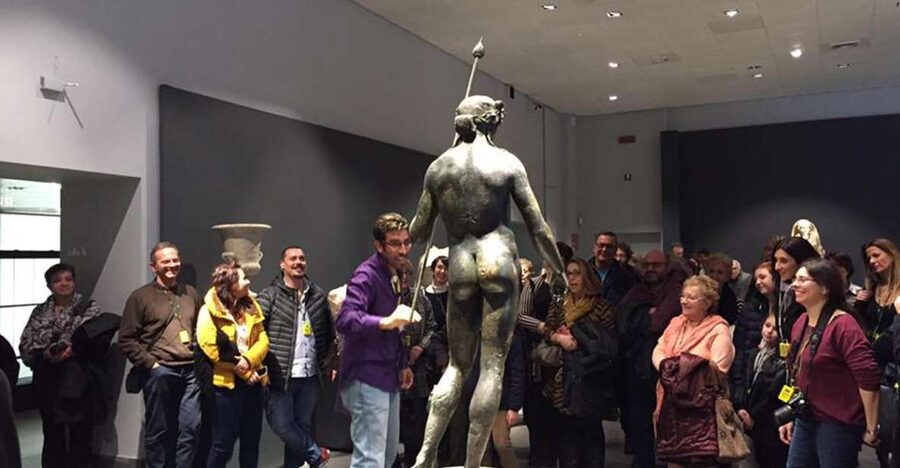
The best reason to book this format is the guide’s role. The tour is designed around explanation, not just entry. You receive the ticket, but the real service is having someone connect objects that might otherwise feel separate.
The guide speaks English or Italian, and the group is private. That combination is especially useful in a museum where the objects cover different parts of Roman life. You can ask why a calendar matters, how a fresco belonged in a home, or what a battle scene says about the dead person’s public image.
One guide named in the experience is Vincenzo. He has been praised for an engaging, lively approach and for making important Roman characters and activities easier to understand. The most useful quality here is not speed. It is the ability to turn a static object into a scene or practice that you can picture.
Your guide may also help you manage the two-hour limit. Palazzo Massimo has more to see than any short visit can cover. A private tour cannot cover every room or object in detail, and it is better that it does not try. The stated focus gives you a sensible path through calendars, sculpture, domestic painting, gods, and funerary art.
Is $130.28 per person fair value?
At $130.28 per person, this is not a budget museum visit. You are paying for entry, a private guide, and a focused experience rather than admission alone. The value improves if you are a couple or a small group that wants direct access to a guide’s attention.
For a person who already knows Roman art and enjoys reading labels, the added cost may be harder to justify. You can see the objects without a private tour. But if the Roman world feels confusing, or if you want to connect art with institutions and daily customs, the guide provides the main benefit.
The two-hour duration also affects the value. It keeps the visit manageable and leaves room in your day for other parts of Rome. At the same time, two hours means you should not expect every section of the museum or an exhaustive art lecture. Think of this as a concentrated introduction to major works and themes.
The very small set of available ratings is uniformly positive, with special praise for the guide’s clear, lively explanations and passion for the subject. I would treat that as encouraging rather than proof of a fixed experience, since individual guides can differ. The private setup, English and Italian language options, and focused objects are the most dependable reasons to consider it.
Practical details before you reserve
Meet your guide in front of the museum entrance and arrive 15 minutes early. The guide holds a sign with the tour name, and tickets are handed out at the start.
Bring a passport or ID card for children if that applies to your group. Large bags and luggage are not allowed, so plan your museum visit without bulky items. Hotel pickup and drop-off are not included.
The tour runs in rain or sunshine. Since the activity takes place inside the museum, poor weather does not cancel the main visit, but you still need to reach the meeting point on your own.
You can cancel up to 24 hours in advance for a full refund. The reserve-now, pay-later option can help if your Rome schedule is still shifting. Check the available starting times before booking, since the two-hour duration does not by itself tell you which departures are offered.
Who should book this Palazzo Massimo tour?
I would choose this tour for a first visit to Palazzo Massimo, especially if you want Roman art explained in plain language. It also fits couples and small private groups who prefer questions and conversation over a large group’s fixed pace.
Families may appreciate the short format, but children’s interest will depend on their patience with sculpture, frescoes, and funerary art. The Boxer at Rest and battle sarcophagus offer strong visual hooks, while the calendars may suit older children more than very young ones.
This is less suitable if you want a broad tour of all of Rome’s ancient sites. It covers one museum for two hours. It also may not suit a strict budget, since the per-person cost is high compared with visiting a museum independently.
Should you book it?
Book this private tour if you want to understand what you are seeing, not simply pass through a collection of famous objects. The best reasons are the focused route through the Boxer at Rest, Villa of Livia frescoes, calendars, gods, and Sarcophagus of Portonaccio, plus the chance to ask your own questions.
Skip it if you prefer to browse alone, already know Roman art well, or need to keep museum costs low. For everyone else, the two-hour length is sensible, the themes are varied, and the private guide can turn Palazzo Massimo from a room of ancient objects into a clearer picture of Roman society.
FAQ
How long is the National Museum of Palazzo Massimo private tour?
The tour lasts two hours. Starting times depend on availability, so check the schedule when you reserve.
What does the tour price include?
The price includes entry tickets, a guide, and a private tour.
Is hotel pickup included?
No. Hotel pickup and drop-off are not included. You meet the guide at the museum entrance.
Where does the tour start?
The tour starts in front of the entrance to the National Museum of Palazzo Massimo. The guide waits with a sign showing the tour name.
How early should I arrive?
Arrive 15 minutes before the activity begins. Tickets are distributed at the start of the tour.
What languages are available?
The live guide service is available in English and Italian.
Is this a private group experience?
Yes. The activity is offered as a private group tour.
Which major artworks are included?
The tour features the ancient calendars from Praeneste and Anzio, the Boxer at Rest, the frescoes of the Villa of Livia, marble statues of Roman and Greek gods, and the Sarcophagus of Portonaccio.
Can I bring luggage or a large bag?
No. Luggage and large bags are not allowed.
What is the cancellation policy?
You can cancel up to 24 hours in advance for a full refund. A reserve-now, pay-later option is also available.
More two-hour palace visits around Rome
- Bangkok: 2 Hours Grand Palace & Wat Pho Private Tour
★ 4.9 · 15 reviews
More palace museums around Rome
- Rome: Palazzo Venezia Reserved Entrance with Museum
★ 4.2 · 52 reviews - Palazzo Barberini (Bernini Exhibition Is Not Included)
★ 4.0 · 34 reviews - Venice’s Best: Basilica, Doge’s Palace, Gondola & History Gallery
★ 4.5 · 2,478 reviews - Royal Palace & Prado Museum Skip the Line Guided Tour
★ 4.5 · 1,347 reviews
Fresh palace tours around Rome
- Rome: Vittoriano with Rooftop & Palazzo Venezia Hosted Entry★ 4.2 · 306 reviews
- Rome: Palazzo Venezia Reserved Entrance with Museum★ 4.2 · 52 reviews
- Rome: Opera Concert in Palazzo Doria Pamphilj★ 4.1 · 28 reviews
- Rome: Palazzo Altemps Reserved Entrance Ticket★ 4.5 · 49 reviews
- Rome: Colonna Palace Guided Tour★ 4.9 · 70 reviews
- Rome: Palazzo Barberini Galleria Corsini Ticket & Audioguide★ 3.9 · 322 reviews
- Rome: Barberini Palace Guided Tour★ 4.8 · 4 reviews
- Palazzo Barberini (Bernini Exhibition Is Not Included)★ 4.0 · 34 reviews
Private Palace Tours: the shortlist.
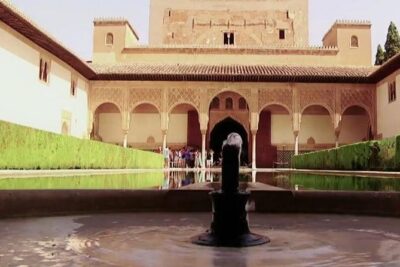
Alhambra Private/Small Group Tour & Nasrid Palaces Skip the Line
Read our review →
Grand Palace, Wat Pho, and Wat Arun Private Tour
Read our review →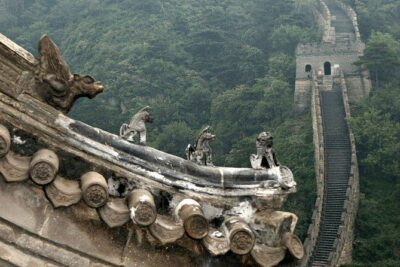
Mutianyu Great Wall&Summer Palace Excursion:Group/Private Options
Read our review →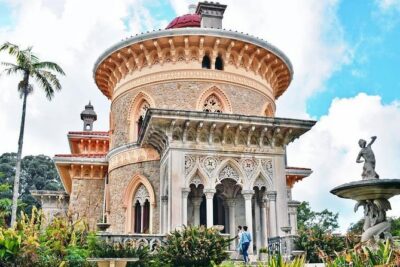
Private Tour of Sintra, Cabo da Roca and Cascais with 2 Palaces
Read our review →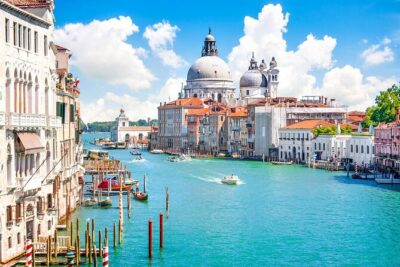
Private 4hrs Venice Tour: Doge’s Palace, Grand Canal & St Mark’s
Read our review →
Knossos Palace Skip-the-Line Ticket & Private Guided Tour
Read our review →