
Review · SEOUL
Gyeongbokgung Palace, Jogyesa Temple and Bukchon village
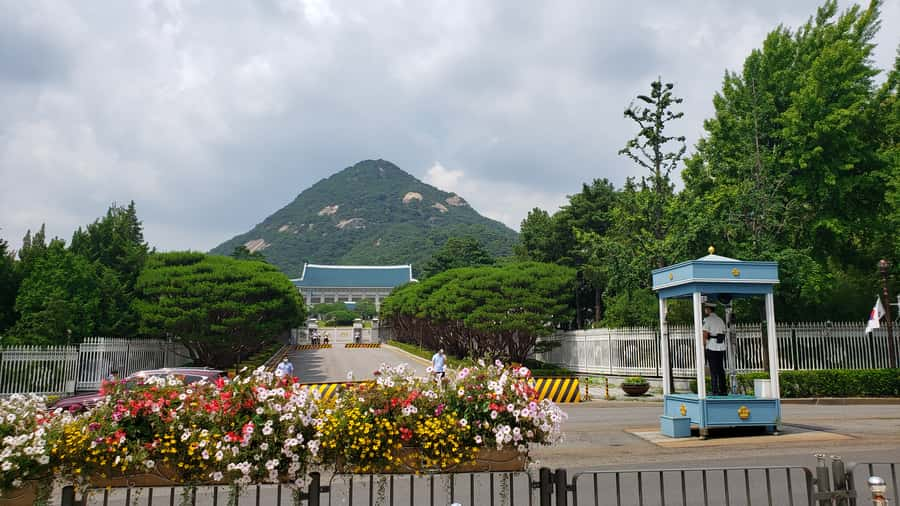
Seoul’s past comes into focus on foot here, from the calm halls of Jogyesa Temple to the royal courtyards of Gyeongbokgung and the sloping lanes of Bukchon. You move between Buddhist, royal, and everyday traditional Seoul in one compact outing.
I like the clear route and the human touch from guide Lee, whose patient explanations and playful Korean board game add more than a standard sightseeing walk. I also like that palace entry and a traditional herbal drink are included. The main thing to consider is the $82 price for a roughly three-hour tour, especially since food, hotel transfers, and transportation are not included.
Key points at a glance
- Three major Seoul sights in one walk: Visit Jogyesa Temple, Gyeongbokgung Palace, and Bukchon village without arranging separate admissions or guides.
- Guide Lee brings the history to life: Expect clear explanations, cultural context, patience, and time for questions.
- A traditional drink is included: Take a palace break with herbal tea, a small but welcome cultural detail.
- Gwanghwamun Square adds modern symbolism: See the statue of King Sejong while learning about Korean language and national history.
- Bukchon is scenic but hilly: Wear comfortable shoes and expect a moderate walk through traditional streets.
- The tour suits first-time visitors: It gives you a useful introduction to Seoul’s royal, religious, and neighborhood life.
Why this route works for a first day in Seoul
This tour gives you a strong introduction to Seoul without spreading your time across distant parts of the city. The sights are linked by walking, and each one shows a different side of Korean culture.
You begin with Buddhism at Jogyesa Temple, move into the political and royal center around Gwanghwamun, enter the Joseon Dynasty’s main palace, and finish among the traditional houses of Bukchon. That sequence makes sense. You are not simply ticking off attractions. You are seeing how religion, government, royalty, language, and residential life fit together.
The walk lasts about three hours, based on the tour experience described by past participants. That is long enough for a useful introduction but short enough to leave your afternoon open. You can continue exploring Insadong, return to your hotel, or follow Lee’s suggestions for other places to visit.
The tour is conducted in English. Guide Lee is the named guide associated with the strongest praise in the available feedback. Her approach seems especially useful if you prefer a guide who explains without rushing. She has been described as friendly, patient, punctual, and willing to discuss Korean customs rather than simply recite dates.
More Gyeongbokgung Palace Tours around Seoul:
- Best Seoul City Tour (Gyeongbokgung Palace,Insadong,Namsan Tower)
★ 5.0 · 1,647 reviews - Seoul City Sightseeing Tour Including Gyeongbokgung Palace, N Seoul Tower, and Namsangol Hanok Village
★ 5.0 · 1,423 reviews - Seoul Half-Day City Highlight, Palace Tour with Hanbok
★ 4.9 · 764 reviews
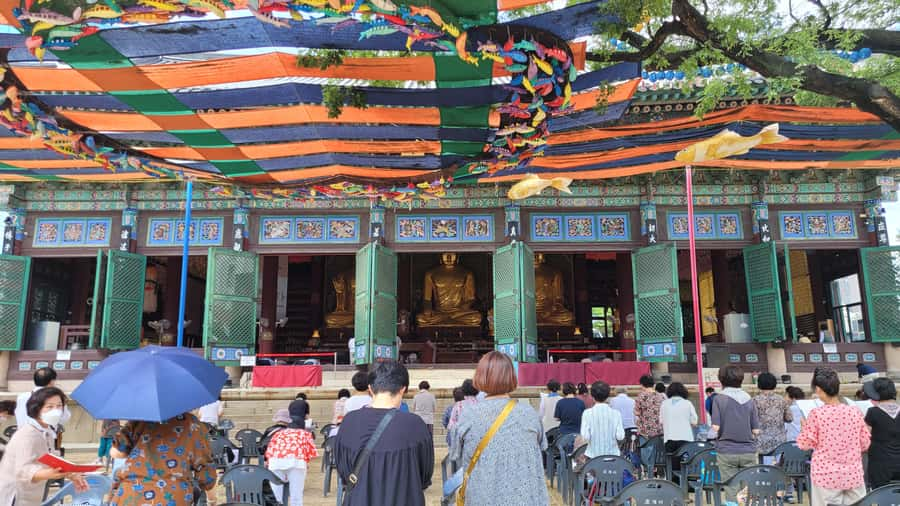
Jogyesa Temple begins the cultural story
The meeting point is Anguk Station Exit 6. The route begins around Jogyesa Temple in the Insadong area, which is known for traditional tea houses and restaurants.
Jogyesa is the head temple of the Jogye Order of Korean Buddhism. That gives the stop real importance, even if you have limited knowledge of Korean Buddhism. You are not looking at a decorative building alone. This is a living religious center and a useful place to begin thinking about how spiritual practice fits into Korean life.
The temple also sets a quieter tone before the larger palace grounds. You may find the contrast helpful. Seoul can feel intense and fast-moving, but the temple offers a pause for observation and conversation.
This is a guided visit, not a meditation retreat, so the value comes mainly from context. Lee can explain the meaning of the place and answer questions about Korean culture along the way. The supplied information does not promise a formal ceremony or extended temple activity, so you should expect sightseeing and interpretation rather than participation in a religious program.
Insadong adds another useful layer. Its tea houses and restaurants make the neighborhood a good area for a meal or a traditional drink after the tour. Food is not included, so plan to pay separately if you want to eat here.
Gwanghwamun Square and King Sejong
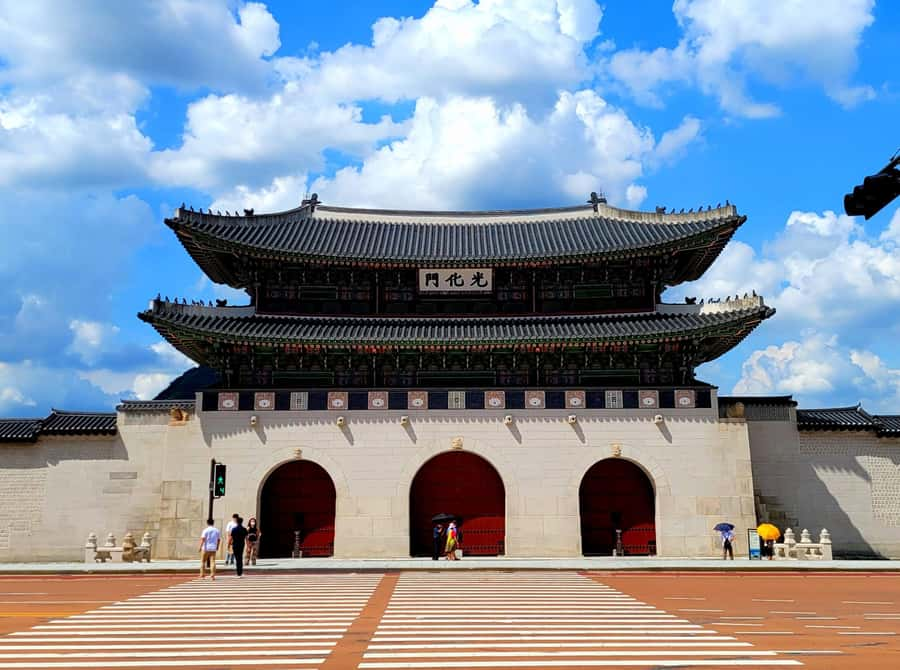
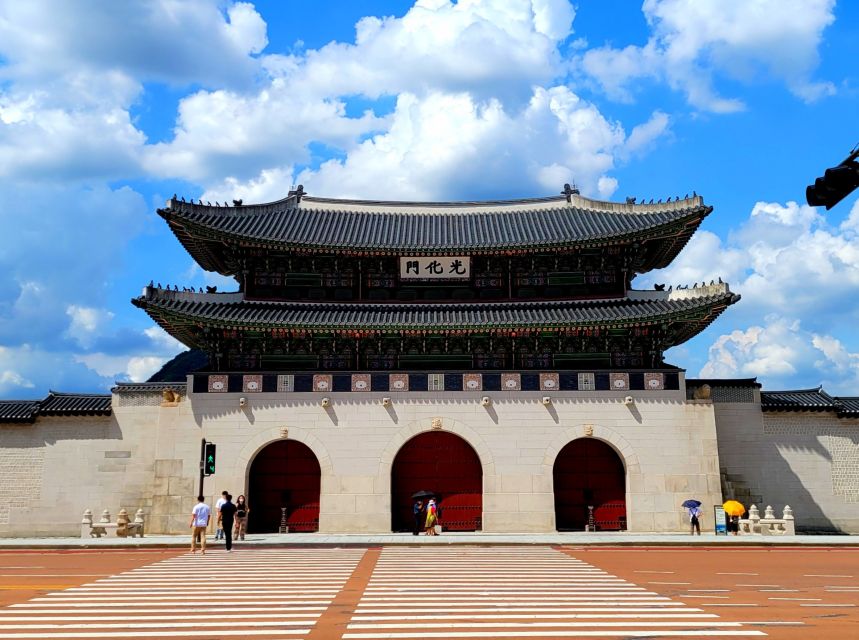
From Jogyesa, the route continues toward Gwanghwamun Square. This is where the tour shifts from religion to public history.
The main named sight here is the statue of King Sejong. He is closely connected with the development of Hangul, the Korean writing system, so this stop gives the guide a natural opening to discuss Korean language and identity.
That language connection is one of the more useful parts of the tour. A palace visit can otherwise become a string of unfamiliar names and dates. Learning why King Sejong matters gives you a better way to understand what you are seeing and hearing in Seoul.
You should not expect a long independent visit at every stop. The tour’s purpose is to connect the places and explain their meaning. If you like a fast pace with an informed guide, that works well. If you prefer to spend a long time photographing one statue or reading every sign, the group schedule may feel more limited.
Still, Gwanghwamun Square helps tie the day together. You see a public figure linked to language before entering the royal center where the Joseon court governed Korea.
Gyeongbokgung Palace, the day’s main attraction
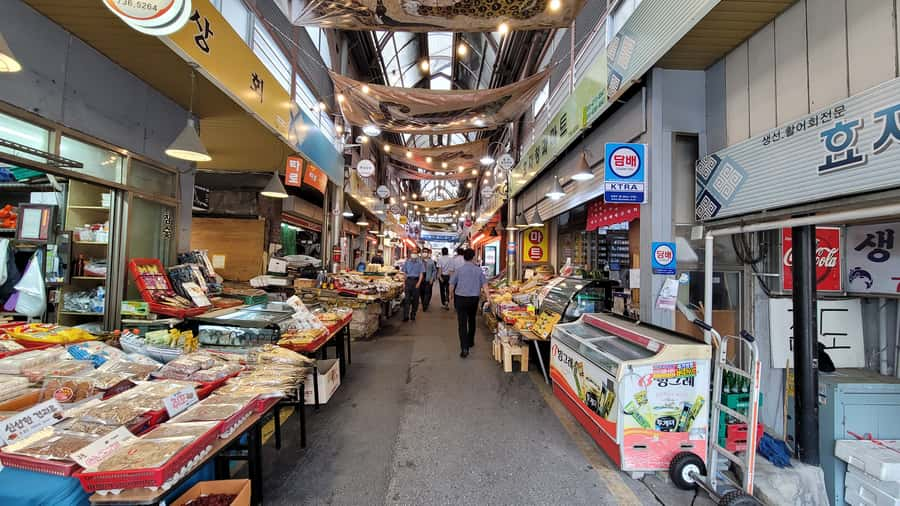
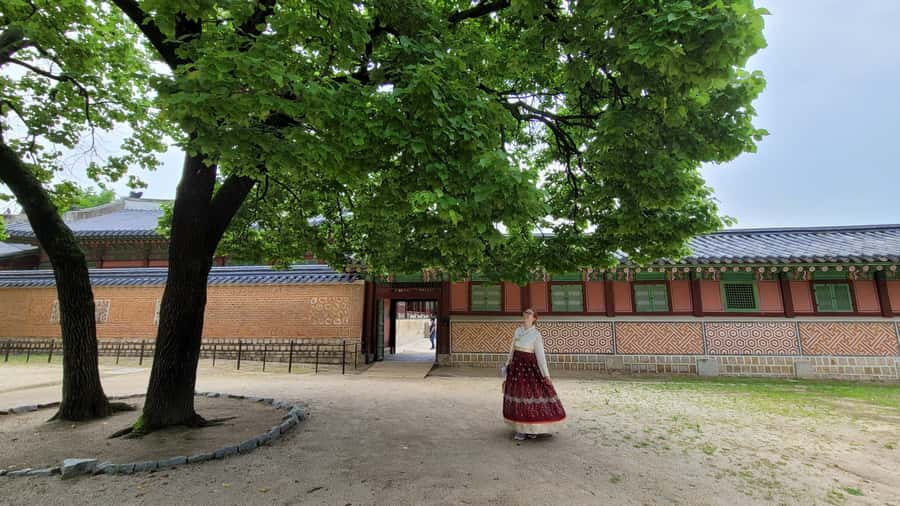
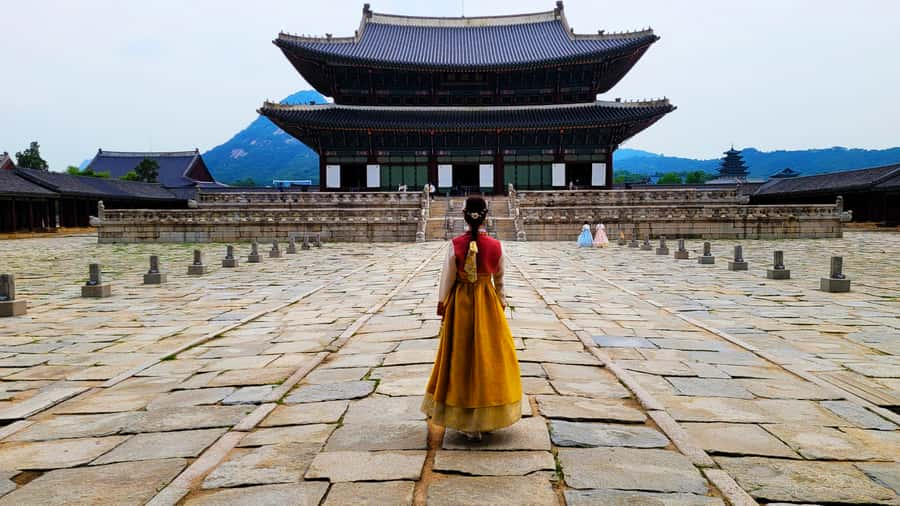
Gyeongbokgung was established in 1395 as the main palace of the Joseon Dynasty. It is the largest and most important stop on the route, and the included entrance ticket adds real value to the tour.
The palace grounds give you room to see the scale of royal Seoul. You walk through courtyards and architectural spaces while learning how the Joseon era shaped the country. The tour does not just drop you at the entrance and leave you to wander. The guide explains the history and traditions connected with the site.
That matters because palace architecture can be hard to read on your own. Rooflines, gates, halls, and courtyards may look beautiful but unfamiliar. A good guide helps you notice why the spaces are arranged as they are and how they relate to royal life.
Guide Lee has received especially strong praise for sharing interesting facts about the period while allowing enough time to enjoy each place. That balance is important. A guide who talks without pause can turn a beautiful site into a classroom. A guide who says too little leaves you with attractive photographs but little understanding. The information here points to a middle ground.
A traditional herbal tea is included during the palace visit. One participant also enjoyed learning a Korean board game during a café break at the palace. That game is not presented as a guaranteed part of every departure, so treat it as a possible extra rather than a promised feature. Still, it shows the kind of personal, cultural detail that can make this tour feel less routine.
The drink is a small inclusion, but it helps break up the walking. It also gives you a taste of Korean tea culture without requiring a separate stop or purchase. Food is not included, so do not count on this as a meal.
The palace is likely to be the busiest part of the route in terms of visual interest and time spent. Wear shoes you can walk in for several hours. There is no need for hiking gear, but thin soles or uncomfortable footwear will make the day less pleasant.
More palaces to tour around Seoul:
- Seoul: Gyeongbok Palace, Bukchon Village, and Gwangjang Tour
★ 4.9 · 2,321 reviews - Small-Group Royal Palace and Seoul City Tour (hotel pick-up)
★ 5.0 · 1,474 reviews - Seoul: Gyeongbok Palace, Bukchon Village, and Gwangjang Tour
★ 5.0 · 1,044 reviews - Seoul: Palace, Temple and Market Guided Foodie Tour at Night
★ 4.9 · 750 reviews
Bukchon’s traditional streets and rooftops
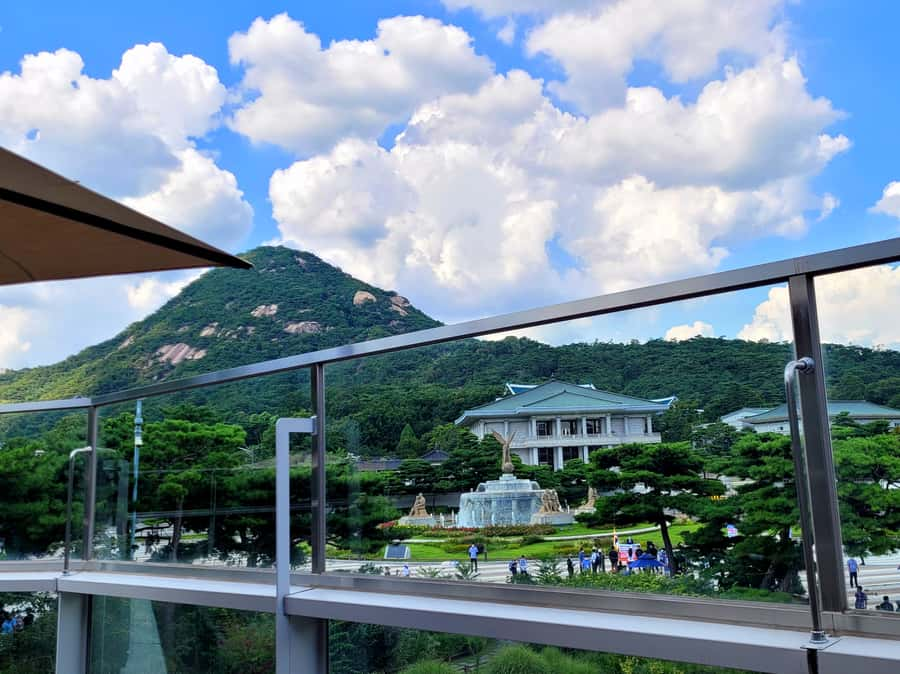
The final major stop is Bukchon village, known for its traditional architecture and attractive views.
Bukchon is best experienced slowly. The pleasure comes from the changing angles of the streets, the wooden details, and the way traditional houses sit within modern Seoul. You are not visiting a preserved museum set apart from city life. You are walking through a real neighborhood, which makes respectful behavior important.
The route through the village is described as moderate. Expect walking on sloping streets, and use the comfortable shoes requested by the operator. The hills are not presented as extreme, but they can make the last part of the tour feel more demanding after the palace.
Bukchon is also where your own pace may matter most. You will want time for photographs and for noticing the architecture. One useful criticism of the itinerary is that some people would prefer one additional stop in the village and more historical background there. If Bukchon is your main reason for booking, check your expectations. This is a broad Seoul introduction, not a long specialist tour devoted only to the neighborhood.
On the other hand, including Bukchon after Jogyesa and Gyeongbokgung gives you a welcome change of scale. The palace is formal and spacious. Bukchon is intimate, vertical, and residential. That contrast helps you understand Seoul beyond its major monuments.
What the guide adds to the experience
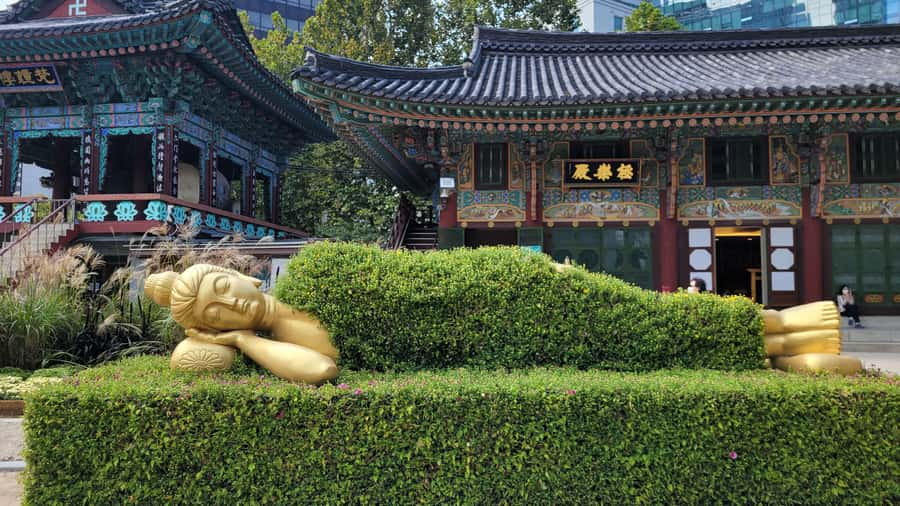
The guide is the main reason to choose this tour instead of visiting the same places independently. Guide Lee has been praised for her clear historical explanations, friendly manner, patience, and willingness to discuss Korean customs.
You can expect an English-speaking guide who connects the stops rather than treating them as isolated photo opportunities. The tour also appears to leave room for questions and conversation. That suits you if you want to understand the context behind what you see.
A particularly nice detail is Lee’s ability to add something outside the basic route, such as a traditional Korean board game. Again, this should not be treated as a guaranteed feature. It does show the value of having a guide who can make a short break feel culturally useful.
The feedback also suggests that communication before the meeting can be handled by email, even if you do not have a Korean phone number. That is helpful for international visitors. You should still arrive at Anguk Station Exit 6 with the meeting instructions available, since hotel pickup is not provided.
Is $82 a fair price?
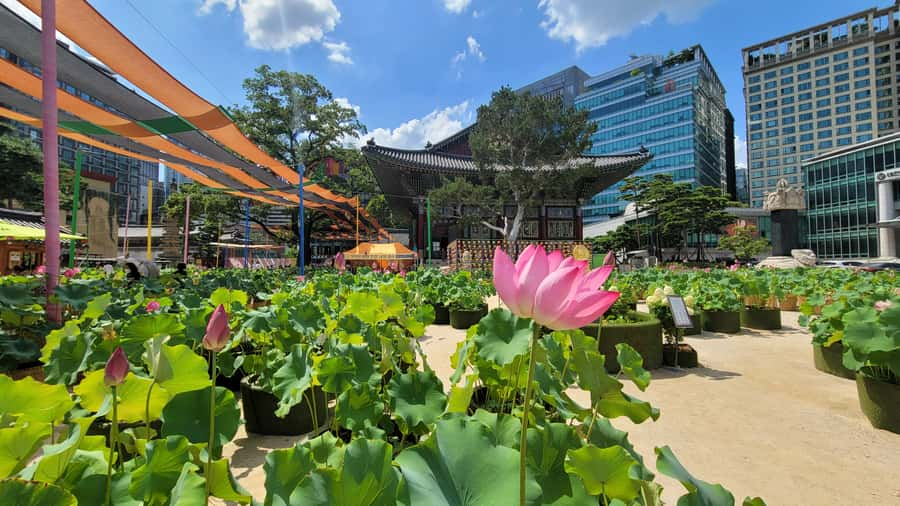
At $82 per person, this is not the cheapest way to see these sights. You can visit public areas independently for much less, and you may prefer doing so if you enjoy setting your own pace.
The price makes more sense if you value explanation and structure. It includes the Gyeongbokgung entrance ticket, an English-speaking guide, and a traditional herbal tea. You also avoid the work of planning a route among Jogyesa, Gwanghwamun Square, the palace, and Bukchon.
For a first visit, that convenience can be worth paying for. The route covers several of Seoul’s most important cultural sights in about three hours, and the guide helps you understand how they connect. You are paying less for transportation and more for interpretation, organization, and local cultural context.
The value is weaker if you mainly want free time for photography or extended exploration. You will need to pay separately for food, and there is no hotel pickup or drop-off. The tour begins and ends at the meeting point, so include your own subway or taxi costs in the day’s budget.
Who should book this walking tour?
I would recommend it most strongly to first-time visitors who want a clear introduction to Seoul’s central cultural sights. Families may also appreciate Lee’s patient manner and the playful board-game detail, though the walking and village slopes still require comfortable shoes.
It suits people who like history explained in plain language and who enjoy asking questions. It is also a good option if you have only a short stay and want to cover several major places before choosing which neighborhoods to explore on your own.
You may want another kind of outing if you dislike guided schedules, need extended time at each monument, or want a food-focused experience. Food is not included, and the tea is a cultural refreshment rather than a meal.
The restrictions are straightforward: pets, mobility scooters, alcohol, and drugs are not allowed. The operator also places responsibility for personal loss, illness, injury, accidents, or property damage with the participant, so use normal care during the walk.
Booking and practical details
You meet at Anguk Station Exit 6, and the activity finishes back at the meeting point. There is no hotel pickup or drop-off, so plan your route to and from Anguk before the tour begins.
Bring comfortable shoes. That is the one packing tip you should take seriously, since the route combines several hours of walking with Bukchon’s moderate streets.
You can reserve now and pay later, which is useful if your Seoul schedule may change. Cancellation is available up to 24 hours before the tour for a full refund. The tour is offered in English.
The overall rating is 5 from 12 reviews, with particular praise directed at guide Lee’s patience, warmth, timing, and ability to explain Korean history and traditions. That personal quality is the best reason to choose this experience over a self-guided visit.
Should you book it?
Book this tour if you want a guided first look at Seoul’s royal, Buddhist, linguistic, and traditional residential life in one manageable walk. The included palace admission, herbal tea, and strong guide support help justify the $82 cost.
Skip it if you want a cheap independent visit or several hours inside Bukchon alone. For most first-time visitors, though, the route offers a useful beginning, and Lee’s friendly, flexible style appears to make the history easier to remember.
FAQ
Where does the tour start?
You meet the guide at Anguk Station Exit 6.
Where does the tour end?
The activity ends back at the meeting point.
How long does the tour last?
The tour is described as lasting about three hours.
Which attractions are included?
The route includes Jogyesa Temple, Gwanghwamun Square and the statue of King Sejong, Gyeongbokgung Palace, and Bukchon traditional village.
Is the Gyeongbokgung entrance fee included?
Yes. The Gyeongbokgung Palace entrance ticket is included.
Is food included?
No. Food is not included, though a traditional herbal tea is provided.
What language is the tour offered in?
The tour is offered in English.
Can I cancel for a full refund?
Yes. You can cancel up to 24 hours in advance for a full refund.
Fresh palace tours around Seoul
- Seoul: UNESCO Sites tour: Palace, Shrine & Bukchon Village★ 4.8 · 26 reviews
- Seoul: UNESCO Palace and Street Foods Guided Tour★ 5.0 · 6 reviews
- Seoul: Royal Palace Morning Tour including Cheongwadae★ 4.5 · 12 reviews
- Seoul: Gyeongbok Palace and Bukchon Hanok Walking Tour★ 4.8 · 157 reviews
- Seoul: Hanbok Photo Tour at Gyeongbokgung Palace★ 5.0 · 9 reviews
- Seoul: Professional Hanbok Photography at Gyeongbok Palace★ 4.9 · 172 reviews
- Seoul: Gyeongbokgung Palace Half Day Tour★ 4.9 · 111 reviews
- Seoul: Gyeongbokgung Palace Tour & Lunch at Authentic Market★ 4.5 · 2 reviews
Gyeongbokgung Palace Tours: the shortlist.
Best Seoul City Tour (Gyeongbokgung Palace,Insadong,Namsan Tower)
Read our review →
Seoul City Sightseeing Tour Including Gyeongbokgung Palace, N Seoul Tower, and Namsangol Hanok Village
Read our review →
Seoul Half-Day City Highlight, Palace Tour with Hanbok
Read our review →
Professional Hanbok Photography at Gyeongbok Palace
Read our review →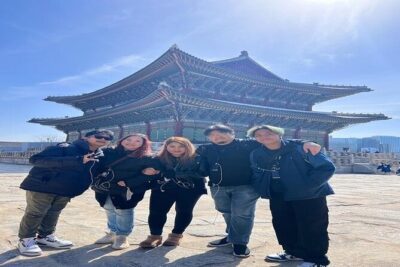
This visit also appears in