
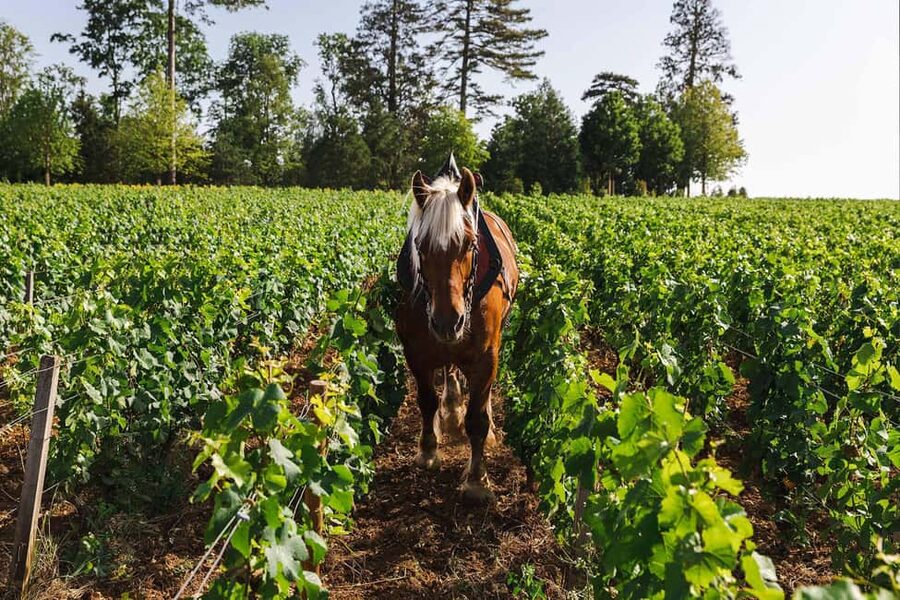
Review · FRANCE
Beaune: Wine Tasting at Château de Pommard
Château de Pommard’s tasting puts Burgundy’s most useful wine lesson into a tidy one-hour visit: how soil, vineyard location, and classification affect what ends up in your glass. You taste four wines from Château de Pommard and Famille Carabello-Baum while learning the basics of Burgundy’s five subregions and the Clos Marey-Monge vineyard.
I like the small groups, limited to eight, and the free access to the French Gardens. Guides such as Alex, Pierre, and Manon have earned praise for making the session friendly and clear. The main drawback is important: the cellars and winery cannot be visited during the current renovation, so this is a tasting and vineyard lesson rather than a full château tour.
Key points to know before booking
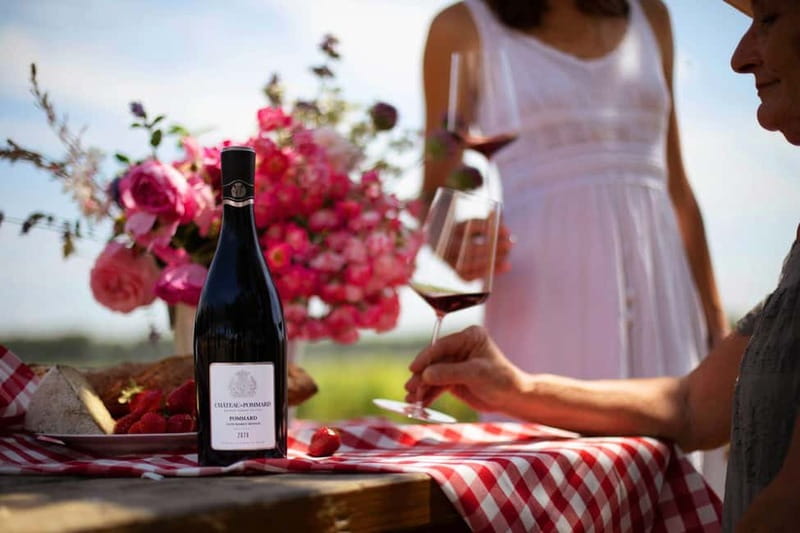
- Four Burgundy wines: Taste a selection from Château de Pommard and Famille Carabello-Baum.
- Clos Marey-Monge explained: Learn how natural factors shape a wine’s taste, style, and ability to age.
- Small groups: The experience is limited to eight participants, allowing time for questions.
- French Gardens included: You can explore the gardens as part of the visit.
- Cellars currently closed: Renovation means you will not enter the cellar or winery.
- One focused hour: This suits a short Beaune-area stop, especially if you want a clear introduction to Burgundy wine.
Why this tasting is useful for first-time Burgundy visitors
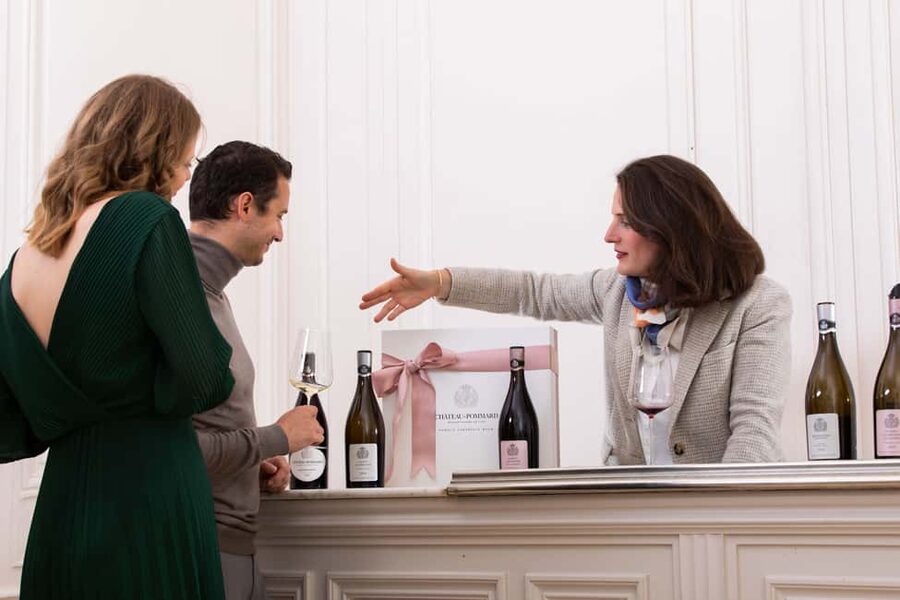
Burgundy wine can feel like a puzzle at first. Labels often emphasize a village, vineyard, or classification rather than a large estate name. A good introduction should help you connect those names to the actual ground beneath the vines, and that is the main purpose of this experience.
The session covers the history of Burgundy, its five subregions, and the region’s classification system. You also learn about the Clos Marey-Monge vineyard, the estate’s principal setting for this tasting. That combination matters because Burgundy is not simply about red versus white, or light versus full-bodied wine. The place where the grapes grow is central to the way the wine is described.
I would choose this experience if you want a practical starting point before visiting more wineries in the Côte de Beaune. It gives you vocabulary to listen for later: vineyard classification, terroir, soil, style, and ageability. You should not expect a full winemaking course in one hour, but you can leave with a better sense of why two wines from the same broad region may taste quite different.
The experience has a rating of 4.6 from 353 reviews, and that fits the format. It is short, focused, and led by staff who appear to take questions seriously. The strongest praise has gone to the guides and the educational side of the tasting rather than to a lengthy tour of the buildings.
More food and drink near the palace gates around France:
- Medoc or Saint Emilion Wine Tasting and Chateau from Bordeaux
★ 5.0 · 1,415 reviews - Dijon: La Cave du Palais Burgundy Wine Tasting Experience
★ 4.8 · 400 reviews - Châteauneuf du Pape Wine Day Tasting Tour including Lunch from Avignon
★ 5.0 · 287 reviews
Arriving at Château de Pommard and the Clos Marey-Monge vineyard
The visit begins at Château de Pommard, in Burgundy’s Bourgogne-Franche-Comté region. Your exact meeting point can vary with the option you book, so check the confirmation carefully rather than assuming every group gathers in the same place.
The château grounds and vineyard give the tasting a useful sense of place. You are not learning about Burgundy from a generic bar in town. The Clos Marey-Monge vineyard is part of the subject, and the session explains the natural factors that influence the wines made from it.
That setting helps make the technical material easier to grasp. Soil types can sound abstract when listed on a page. Seeing the vineyard gives you a physical reference for the discussion, even though the current format does not promise an extended outdoor soil lesson.
One past experience found the vineyard setting interesting but wished for more explanation outside. That is fair criticism. If you want a detailed walk among the vines, ask your guide questions about the soils, grapes, and vineyard boundaries. The scheduled experience is centered on tasting and instruction, not a long vineyard hike.
The grounds are also a pleasant part of the visit in their own right. Free access to the French Gardens is included, so allow a little time to look around rather than treating the estate as a place you enter only for the wine.
Wear sensible shoes. High heels are discouraged, which makes sense for a château setting that includes outdoor areas and vineyard ground.
What the one-hour session covers
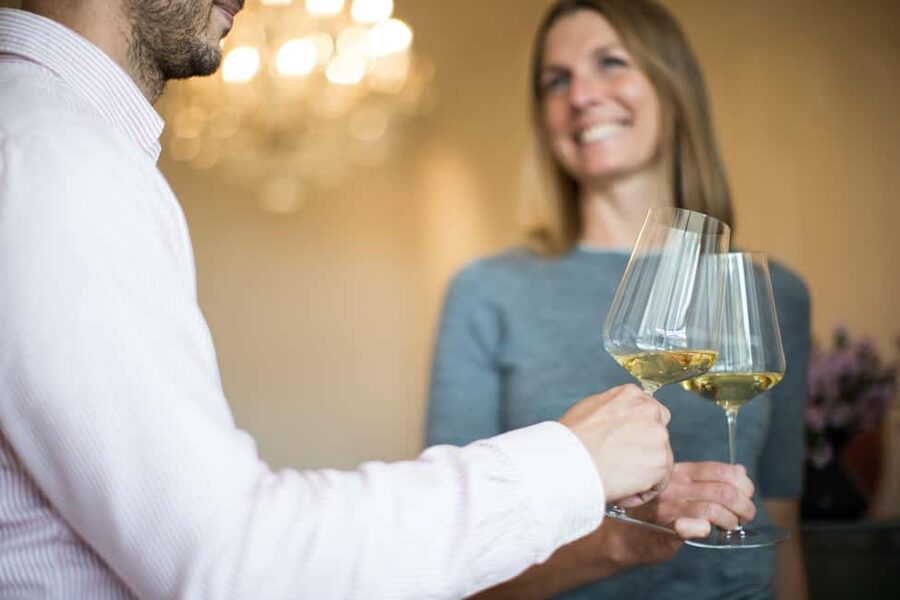
The hour is designed as a compact lesson with four wines. You taste wines from Château de Pommard and Famille Carabello-Baum while the guide places them in the wider context of Burgundy.
The opening discussion covers Burgundy’s history and five subregions. This gives you a map in your head before the tasting becomes more specific. You may already know Beaune, Pommard, or another local name, but the regional overview helps show how those places fit together.
Next comes Burgundy’s classification system. This is one of the most valuable parts for a newcomer because classification affects both expectations and price. It also explains why Burgundy labels can seem less straightforward than labels from regions that prominently feature a producer or grape variety.
The session then turns to Clos Marey-Monge and the natural elements that affect wine. Expect discussion of how terroir influences taste, style, and ageability. The point is not simply to memorize soil names. It is to understand why the estate treats vineyard location as a key part of the wine’s identity.
Finally, the four pours give you something concrete to compare. Pay attention to how the wines differ in aroma, texture, weight, and finish. Even if you are new to tasting, you can ask the guide to connect each glass to the vineyard and classification ideas already discussed.
The structure is particularly helpful for visitors who do not have time for a half-day wine program. You get enough regional context to make the tasting meaningful, but the schedule remains manageable alongside other stops in Beaune and the surrounding wine villages.
Meeting the guides: Alex, Pierre, and Manon
The guide can make or break a short tasting. With only one hour, a rushed or overly technical presentation would leave little room for questions. The named guides associated with this experience include Alex, Pierre, and Manon.
Alex has been praised for being informative, friendly, and patient. One visit with Alex included two dogs, and his calm manner helped keep the occasion comfortable. Another group found his explanations of the château, vineyards, and winery especially detailed.
Pierre has also led a highly personal session, with time to answer questions during a quieter September visit. That detail is worth noting if you are visiting outside the busiest periods. A small group can feel almost private when attendance is low.
Manon has been described as a strong introduction to the château’s wines. The important point is not that every guide will use exactly the same presentation. It is that the format leaves room for a human exchange, especially because the group is capped at eight.
The guides speak English and French. If you have a question about soil, classification, or why one wine tastes different from another, ask it directly. A short tasting becomes far more useful when you treat it as a conversation instead of waiting silently for the next pour.
Same royal city, another way in:
- Paris: Versailles Palace and Gardens Full Access Ticket
★ 4.6 · 41,579 reviews - Versailles: Skip-the-Line Tour of Palace and Gardens Access
★ 4.7 · 10,429 reviews - From Paris: Versailles Palace & Gardens with Transportation
★ 4.6 · 6,222 reviews - Versailles: Skip-the-Line Guided Palace Tour and Full Access
★ 4.6 · 5,214 reviews
Four wines and what to pay attention to
The tasting includes four wines from Château de Pommard and Famille Carabello-Baum. The exact selection is not specified, so you should not book expecting particular vintages or labels unless the château confirms them separately.
That flexibility is normal for a winery tasting. The selection may be arranged to show different expressions of the estate’s wines, but the important promise is the number of wines and the educational context around them.
I would take small notes, even if you are not a serious wine collector. Write down the wine name, one scent, one texture detail, and what the guide says about its origin. Four glasses are enough to make comparisons, but easy to forget once you move on to your next Burgundy stop.
Use the tasting to ask focused questions:
- How does the vineyard classification affect the wine’s expected style?
- Which natural factors are most noticeable in these wines?
- Which wine is intended to be enjoyed younger?
- What gives a wine the ability to age?
- How do the Château de Pommard wines compare with the Famille Carabello-Baum selection?
The staff’s willingness to answer questions is one of the experience’s strongest features. You should still keep your expectations in proportion. This is not a private sommelier consultation, and a one-hour session cannot cover every technical detail of Burgundy wine.
The French Gardens and the missing cellar visit
The French Gardens are included at no extra charge, giving you a chance to stretch the visit beyond the tasting room. They add a quiet outdoor element and make the château stop feel more connected to its setting.
The cellars and winery, however, are currently closed because of a major restoration and expansion project. The estate is working on a long-term renovation aimed at preparing the property for its next centuries, but that means the usual cellar component is not available right now.
This is the central limitation. Several people found the tasting enjoyable but wished it included the cellar, winemaking area, or more of the château. If your main goal is to see barrels, production equipment, and underground aging spaces, you should wait until the renovation is complete or choose another winery visit.
The current experience is honest about the change. You receive the wine tasting, vineyard explanation, and garden access, but not a cellar tour. That distinction matters when comparing it with other wine activities in Burgundy.
You can still get value from the visit if you care more about understanding the region than inspecting the buildings. The vineyard and tasting provide the core lesson, while the gardens give you a little time outdoors before or after the presentation.
Is $35 a fair price for one hour?
At $35 per person, the value depends on what you want from a Burgundy winery stop. For four wines, a guided explanation of Burgundy’s subregions and classifications, access to the French Gardens, and a group limited to eight, the price is reasonable for a structured introduction.
The price is less attractive if you are paying mainly for cellar access. That part is not available during renovation, and the tour does not include a visit to the winery. You are paying for the wines, the guide’s instruction, and the setting, not for a behind-the-scenes production tour.
I see this as a good use of an hour for first-time visitors who want context before buying wine or visiting other estates. It is also useful for couples or small groups with mixed levels of wine interest. The nonexpert can learn the basics, while the more experienced drinker can use the question period to explore classification and ageability.
The value improves when you make use of the grounds. Visit the French Gardens, arrive ready to ask questions, and give yourself enough time to appreciate the château setting. If you rush in, taste four wines, and leave without engaging with the guide, the session will feel thinner.
Free cancellation up to 24 hours before the activity and the option to reserve without immediate payment make it easier to fit into a changing Burgundy itinerary. Those policies are practical, especially if your plans depend on weather or transport between wine villages.
Who should book this Château de Pommard tasting?
I would recommend it to:
- First-time Burgundy visitors who want a clear regional introduction
- Wine drinkers interested in terroir and vineyard classification
- People with only one free hour in the Beaune area
- Small groups that prefer time for questions
- Visitors who enjoy château grounds and gardens as part of a wine stop
- English or French speakers looking for a guided tasting
I would be more cautious if you want a long vineyard walk, detailed production access, or a cellar tour. The current renovation means the activity cannot meet those expectations.
It also may not suit wheelchair users, as the experience is listed as unsuitable for wheelchair users. Anyone wearing high heels should choose practical footwear instead.
Should you book it?
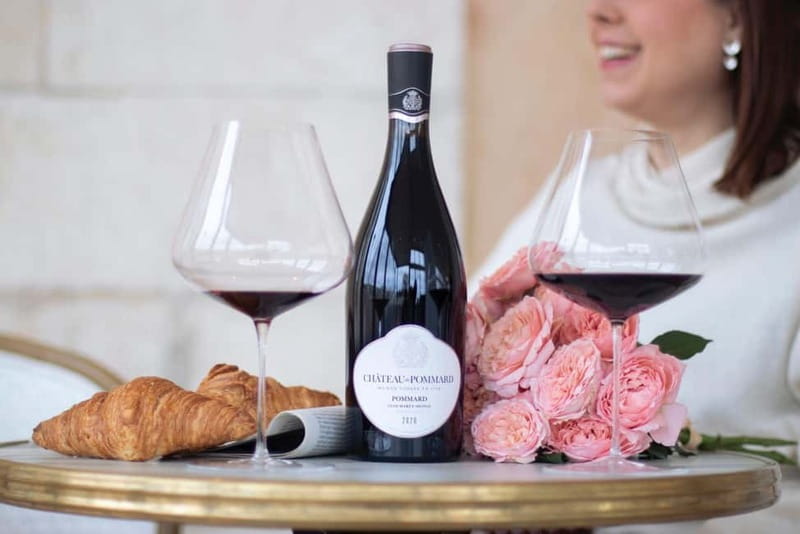
Book this tasting if you want four wines, a strong introduction to Burgundy’s wine system, and a small-group setting at an attractive château. The best parts are the clear regional context, the focus on Clos Marey-Monge, the gardens, and the chance to speak with guides such as Alex, Pierre, or Manon.
Skip it for now if entering the cellars is the main reason you are visiting. Until the renovation is finished, this is a thoughtful one-hour wine lesson with tasting and garden access, not a complete château and winery tour.
FAQ
How long does the Château de Pommard wine tasting last?
The tasting lasts one hour. Starting times vary, so check availability when booking.
How many wines are included?
You taste four wines from Château de Pommard and Famille Carabello-Baum.
Can I visit the Château de Pommard cellars?
No. The cellars and winery cannot currently be visited because of renovation work.
Is access to the French Gardens included?
Yes. Free access to the French Gardens is included with the wine tasting.
What languages are available?
The experience is offered in English and French.
How large is the group?
The group is limited to eight participants.
Is the activity suitable for wheelchair users?
No. The experience is listed as unsuitable for wheelchair users. High-heeled shoes are also discouraged.
Fresh palace tours around France
- Wine Tasting Tour at Châteauneuf du Pape★ 5.0 · 36 reviews
- Visit of the cellars of Château Gigognan with tasting★ 5.0 · 3 reviews
- Wines from Châteauneuf-du-Pape and surrounding areas in 1/2 day★ 5.0 · 96 reviews
- 8 Hours Group Tour in Châteauneuf du Pape★ 5.0 · 10 reviews
- Morning Wine Tour to Chateauneuf du Pape from Avignon★ 4.5 · 70 reviews
- Châteauneuf du Pape Wine Day Tasting Tour including Lunch from Avignon★ 5.0 · 287 reviews
- Highlights of Provence : Chateauneuf du Pape & Luberon★ 4.5 · 189 reviews
- In Depth Chateauneuf du Pape★ 5.0 · 16 reviews
France Palace Tours: the shortlist.
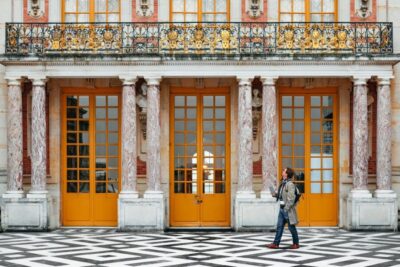
Versailles Palace and Gardens Full Access Ticket
Read our review →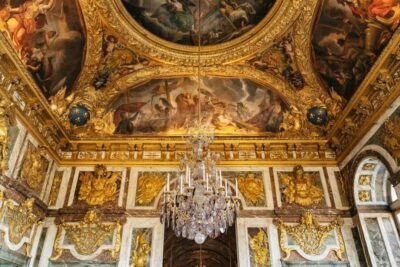
Skip-the-Line Tour of Palace and Gardens Access
Read our review →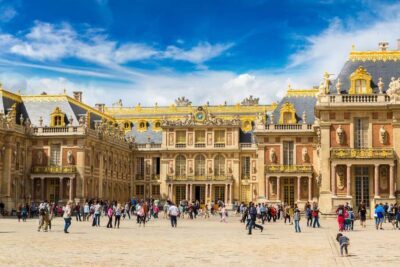
Versailles Palace & Gardens with Transportation
Read our review →
Skip-the-Line Guided Palace Tour and Full Access
Read our review →
Versailles Palace Guided Tour & Gardens Access
Read our review →
Versailles Palace and Gardens Tour from Paris
Read our review →
Versailles Palace Bike Tour with Market & Marie-Antoinette hamlet
Read our review →
Versailles Palace Guided Tour with Reserved Entry
Read our review →This visit also appears in