
Review · BANGALORE
Bangalore: Palace, Temples, Fort & Markets Walking Tour
Bengaluru reveals its older self on this three-hour walk. You move from a 230-year-old teak palace to a 16th-century fort, a Hindu temple, and the flower-filled lanes of KR Market. It is a quick, close-up look at a city that grew from royal power and market streets into India’s technology capital. The market is the star, with flowers, fruit, vegetables, workers, cows, vehicles, and shoppers all sharing the same tight space.
I like the way the route joins major sights with ordinary city life. I also like the small groups, capped at 10, and the care shown by guides such as Vijay, Vasuki, Raghu, and Vanaja. They explain local customs, help with photos, and keep the group together in crowded lanes. The main drawback is simple: three hours passes quickly, and the pace can feel tight if you want long visits inside every temple and monument.
Key points at a glance
- Tipu Sultan’s Summer Palace: See a 230-year-old wooden royal building and hear how Tipu Sultan shaped Bengaluru.
- Bangalore Fort: Spend about 30 minutes at a 16th-century fort later renovated for military use.
- KR Market: Walk through one of old Bengaluru’s most intense public spaces, filled with flowers, produce, people, and traffic.
- Temple etiquette matters: Cover your shoulders and legs, bring a headscarf, and carry spare socks.
- Small-group format: Groups are limited to 10, making it easier to ask questions and stay together.
- Useful city orientation: Guides can help with photos, market conversations, shopping questions, and getting back by metro or ride service.
Why old Bengaluru makes a better walking tour than a bus ride
Modern Bengaluru is often introduced through offices, traffic, cafés, and technology parks. This walk takes you somewhere older and more revealing. The route traces the city’s development from Kempegowda and Tipu Sultan through British influence and, eventually, the rise of the Silicon Valley of India.
You will not simply look at monuments from behind a vehicle window. You will hear street vendors, pass workers carrying goods, watch shoppers bargain, and adjust your steps around narrow lanes. That physical closeness is the point. Old Bengaluru is best understood at walking speed.
The tour also gives you a useful framework for the city’s nickname, the Garden City of India, and its earlier association with the City of Boiled Beans. Those stories help connect the old core with the much larger city you see today.
Guides vary by departure, but names that appear often include Vijay, Vijay Kumar, Vasuki, Raghu, Vanaja, Varun, Ramesh, and Kamakshi. Their strengths are similar: local history, religious customs, street navigation, and a willingness to answer questions. Vijay Kumar is especially helpful for solo visitors who want support with photos, metro directions, or navigating the market.
More Palace Walking Tours around Bangalore:
- Bangalore: Walking Tour of Fort, Palaces, and Market
★ 5.0 · 58 reviews - Bangalore Walking Tour KR Flower Market,Fort,Tippu palace
★ 5.0 · 8 reviews - Bangalore City Tour: Walking, Palace & Temples
★ 3.6 · 7 reviews
Starting at Tipu Sultan’s 230-year-old Summer Palace
Meet your guide at the gates of Tipu Sultan’s Summer Palace. This is a practical starting point because the palace gives you an immediate sense of Bengaluru’s royal past before the walk turns toward daily commerce.
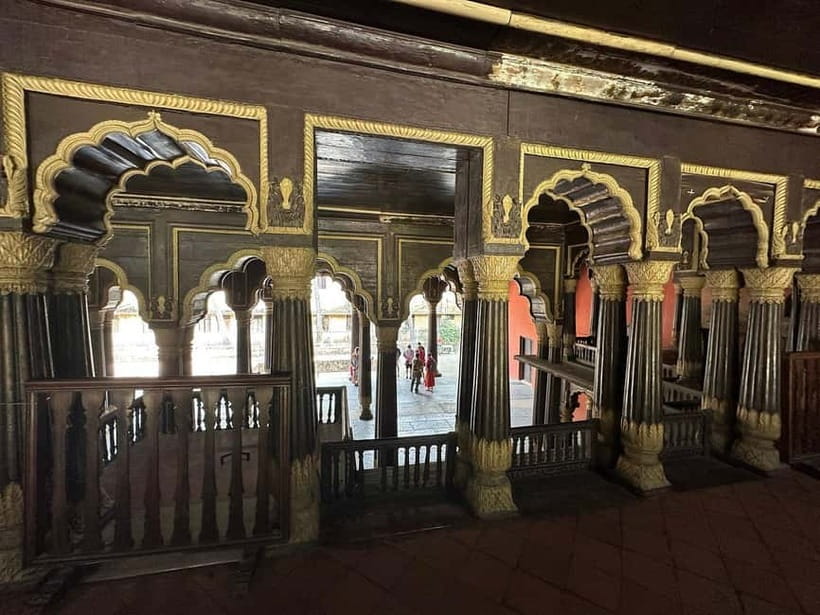
The palace was built from teak wood around 230 years ago. Its material and scale make it different from the stone monuments you may see elsewhere in India. Look closely at the wooden structure, carved details, and the sense of a residence designed for both comfort and ceremony.
Your guide sets the scene by explaining the rulers and political changes that shaped the city between the 16th and 18th centuries. This is where a good guide makes a real difference. A building can look attractive on its own, but the story of Tipu Sultan, the palace, and the city around it gives the visit purpose.
Allow yourself time to look up and around. The palace visit is not just a quick photo stop. At the same time, the full walk includes several major sites, so you should not expect an extended museum-style visit with every detail examined.
Bangalore Fort and the city’s military past
The route continues to Bangalore Fort, where the planned stop lasts about 30 minutes. The fort dates to the 16th century and was later renovated, giving it several layers of Bengaluru’s political and military story.
This is one of the route’s useful contrasts. The Summer Palace shows royal domestic life in wood, while the fort points to defense, power, and changing rulers. Your guide can connect the two rather than treating them as separate attractions.
The fort is also a good place to ask questions about how Bengaluru developed around older strongholds and settlements. The city you see today can feel sprawling and modern, so these remains help you picture its earlier shape.
Do not expect a vast fort complex requiring half a day. The visit is focused and works well within a short city walk. If you want long, quiet photography sessions at each site, three hours may feel rushed. If you want a compact introduction, the timing is sensible.
The Hindu temple and the value of respectful observation
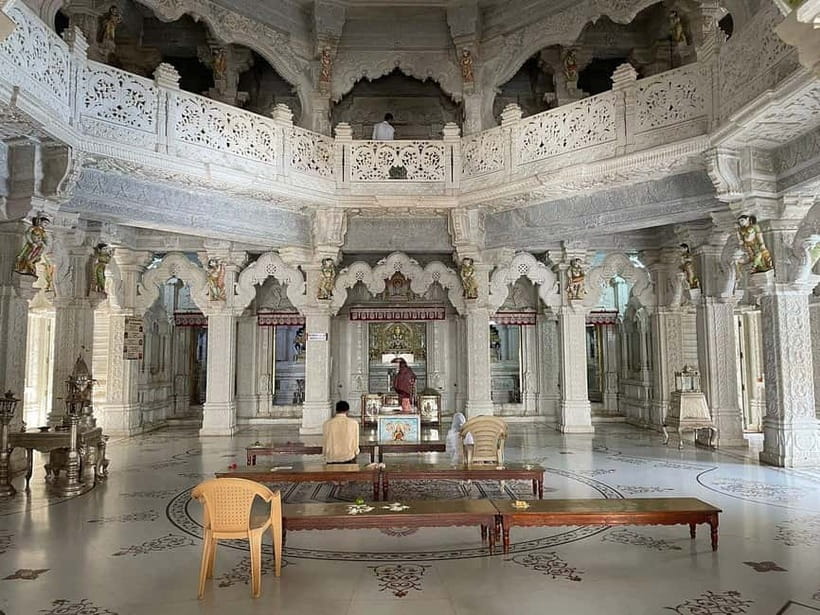
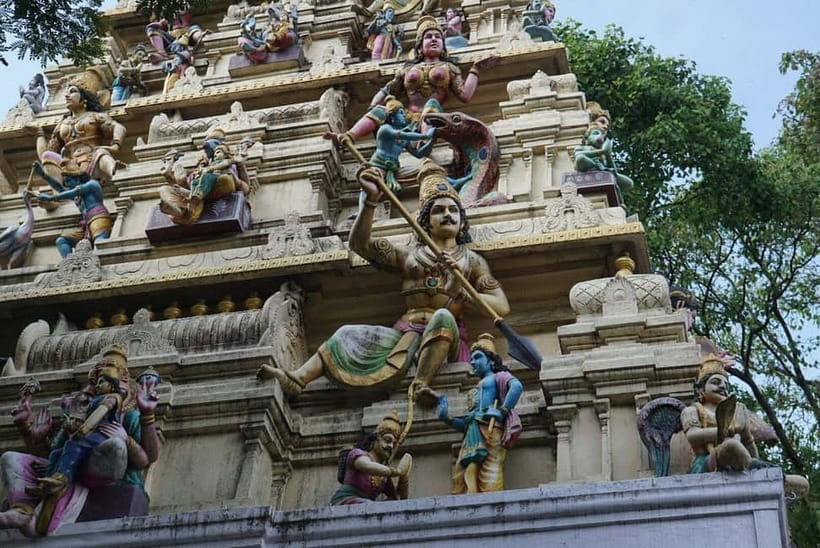
A 320-year-old Vishnu temple adds a living religious stop to the route. Here, the focus is not only architecture. You may see Hindu devotees arriving to pray, which gives you a chance to observe a place still used for worship rather than preserved only for sightseeing.
Your guide can explain what you are seeing and help you behave properly. Keep your voice low, follow any instructions about footwear, and avoid treating worship as a performance. The value of this stop comes from watching daily devotion with care.
Temple access and opening hours can change with the season. The exact experience may also depend on temple activity at the time of your visit. One important point is that not every visit will unfold in exactly the same way. A stop may be shorter, and access inside can vary.
The dress rules are strict enough to plan for. Cover your shoulders and legs. Short skirts, skirts that do not cover the legs, sleeveless shirts, and see-through clothing are not allowed. A headscarf is listed among the useful items to bring.
More palaces to tour around Bangalore:
- Tipu Palace + Koté Vishnu + Fort + KR Market + Jain Temple = Bengaluru Pété Walk
★ 5.0 · 150 reviews - Old Bangalore Historical Walk thro Palace, Temples, Fort & Market
★ 5.0 · 60 reviews - Story of Mysore Silk tour from Bangalore to experience Silk Weaving & Palace
★ 5.0 · 28 reviews - Private Tour: Palaces of Bangalore
★ 4.0 · 15 reviews
KR Market, where Bengaluru turns up the volume
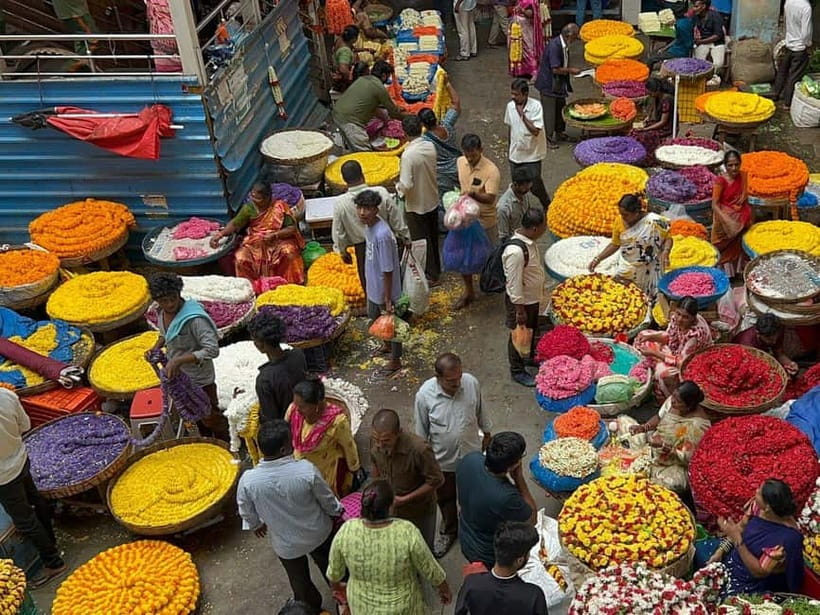
KR Market is the most sensory part of the walk. You move through fruit, flower, and vegetable sellers while buyers, workers, coolies, pedestrians, vehicles, and cows compete for space. The lanes can be narrow, noisy, and crowded, especially on a weekend.
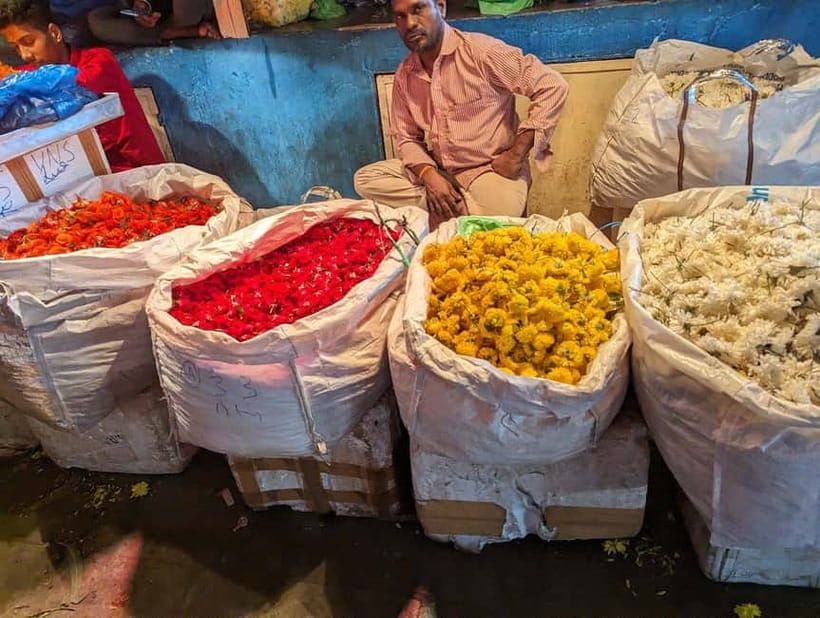
This is not a polished market arranged for sightseeing. That is exactly why it is valuable. You see the working side of old Bengaluru, where flowers are handled in bulk and produce moves quickly from sellers to buyers. The smell of flowers sits alongside traffic fumes, vegetables, dust, and food aromas.
The flower section can be especially striking. Small flowers are arranged into long decorations on threads, and large displays are built from many individual blossoms. Give yourself time to notice the hands doing the work, not only the finished arrangements.
A capable guide changes the market experience. Raghu has been especially praised for giving people time to decide what they wanted to buy instead of rushing them through. Vijay Kumar has helped with conversations when visitors had questions. That kind of assistance is useful because the market can be difficult to read on your own.
You may also get a break for coffee during or after the market visit. Coffee is not included, and food and drinks are your responsibility, but a short pause can be welcome after the noise and close walking conditions.
Keep your belongings secure and stay close to the group. Guides such as Ramesh and Vijay Kumar have been careful about keeping people together, which matters in a market this crowded. The market is exciting, but it is not a place to wander off without telling anyone.
The quiet finish at the Jain temple
The walk ends at Shri Adinath Jain Shwetamber Mandir. After the traffic and noise of KR Market, the temple offers a marked change of mood. The quiet, carvings, and inlay work give the final section a calmer rhythm.
This stop also explains the tour’s clothing rules. Jain temples require respectful dress, and visitors should cover their shoulders and legs. Spare socks are a smart addition, especially if you expect to remove footwear or walk on temple floors.
You may find that the temple visit takes different forms depending on conditions and your own choices. Some people prefer to enter fully, while others may look from outside or choose not to go inside. If you want the complete cultural experience, dress correctly and be ready to follow temple instructions.
The ending point is not the same as the starting point. That is worth noting when planning your day. You will need to arrange your next move from the Jain temple, use local transport, or ask the guide for practical help. A few people have received assistance with metro directions or a ride after the walk, but transport is not part of the standard price.
What three hours really gives you
At $32 per person, this is good value if you want several parts of old Bengaluru in one compact outing. Entry to Tipu Palace, the Vishnu temple, Bangalore Fort, and the Jain temple is included, as is the guide and the market walk.
You are paying for access to a route that would be hard to organize smoothly on your own, especially around the market and temples. The guide helps connect the places, explain customs, and keep the group moving through tight streets.
Still, the price does not cover food, drinks, hotel transfers, or other transport. A hotel pickup and return can be arranged for an additional fee, but you need to request it. That option may be worth considering if you are new to Bengaluru, have limited time, or do not want to work out the city transport before and after the walk.
The small-group limit is another reason the cost feels fair. With no more than 10 people, you have a better chance of hearing the guide and asking questions than on a large city tour. Some departures may be even smaller, which gives the guide more room to adjust the pace or help with shopping.
Walking conditions, clothing, and planning
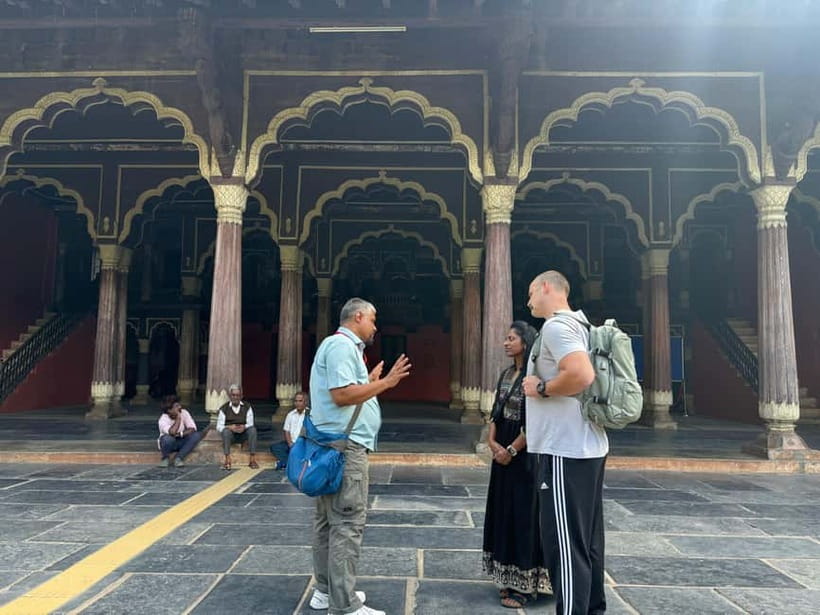
The tour involves a lot of walking, though the route is generally described as light rather than strenuous. The real challenge is not steep terrain. It is uneven roads, narrow lanes, traffic, crowds, and the need to stay alert.
Wear sturdy walking shoes. You may need to manage uneven surfaces and crowded streets, so sandals that slip easily are not ideal. Bring spare socks for temple visits, and dress modestly from the start rather than trying to cover up at the last minute.
A small bag is easier than bulky luggage. Keep your hands free when possible, especially at KR Market. You may want a little local currency for coffee or purchases, though buying anything is optional.
The walk is in English. Guides such as Vijay, Vasuki, Raghu, and Vanaja have been praised for clear explanations, storytelling, and friendly attention. Still, accents and street noise can make some details harder to catch for some people. Stay near the guide and ask for a point to be repeated if needed.
The tour offers free cancellation up to 24 hours before the start time and a reserve-now, pay-later option. Starting times vary, so check availability before planning other fixed activities.
Who will get the most from this Bengaluru walk
I would choose this tour if you have only a few hours in Bengaluru and want more than a list of famous buildings. It suits first-time visitors, solo visitors, couples, and anyone curious about religion, local commerce, and city history.
It is also a strong choice for people who find a new Indian city intimidating at first. A guide can lead you through the market, explain what is happening, and help you cross the gap between observing a place and understanding it.
You should think twice if you dislike crowds, noise, uneven streets, or religious dress requirements. The market is not calm, and the route does not promise long periods of quiet. You may also prefer a longer private tour if your main goal is detailed photography or extended time at each monument.
For families, the walking distance may be manageable, but the narrow streets and vehicle traffic require close attention. The small group helps, yet parents should be comfortable with a busy urban setting.
Should you book it?
Book this Bangalore Palace, Temples, Fort and Markets Walking Tour if you want a compact, well-guided introduction to old Bengaluru. The strongest reasons are the mix of royal buildings, living temples, military history, and the remarkable flower market. You also get useful help with street navigation and local customs.
I would not book it expecting a slow architectural study or a quiet heritage stroll. This is a close-range city experience, with noise, crowds, smells, traffic, and sudden changes of pace.
Wear the right clothes, bring socks, use comfortable shoes, and keep three hours open without rushing to another appointment. If you can accept the busy streets, the tour gives you a memorable look at the city beneath its modern technology image.
FAQ
Where does the tour begin?
The tour begins at the gates of Tipu Sultan’s Summer Palace. The guide waits there for the group.
Where does the tour finish?
The walk finishes at Shri Adinath Jain Shwetamber Mandir.
How long does the tour last?
The tour lasts three hours. Starting times vary, so you need to check availability when booking.
What sites are included?
The route includes Tipu Sultan’s Summer Palace, Bangalore Fort, a Vishnu temple, a Jain temple, and KR Market. Entry to the listed palace, temple, fort, and Jain temple is included.
What should I wear?
Cover your shoulders and legs. Do not wear short skirts, sleeveless shirts, skirts that do not cover the legs, or see-through clothing. Bring a headscarf and spare socks.
Is transport included?
No. Transport is not included in the $32 price. Hotel transport to the meeting point and back can be arranged for an additional fee.
How large is the group?
The group is limited to 10 participants. The tour is conducted in English.
Fresh palace tours around Bangalore
- Story of Mysore Silk tour from Bangalore to experience Silk Weaving & Palace★ 5.0 · 28 reviews
- 2 Day Bandipur Safari and Mysore Palace Tour★ 4.5 · 4 reviews
- Private Tour: Bangalore City Tour Including LalBagh & Tipu Palace★ 4.0 · 4 reviews
- Lalbagh+Bull Temple+Tipu Palace+Market+Lunch=Bangalore City Tour★ 5.0 · 9 reviews
- Bangalore Walking Tour KR Flower Market,Fort,Tippu palace★ 5.0 · 8 reviews
- Bangalore City Tour: Lalbagh, Tipu Palace & Bull Temple★ 4.4 · 3 reviews
- Bangalore City Tour: Walking, Palace & Temples★ 3.6 · 7 reviews
- Private Tour: Mysore Palace and Srirangapatna Day Trip from Bangalore★ 4.5 · 13 reviews
Palace Walking Tours: the shortlist.
Doge’s Palace and St Mark’s Basilica Walking Tour
Read our review →

Walking Tour of Split and Diocletian’s Palace
Read our review →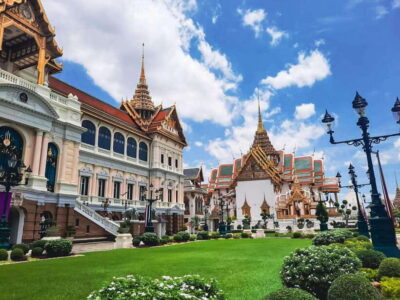
Grand Palace and Wat Phra Kaew Guided Walking Tour
Read our review →
Imperial Palace and Shogun Historical Walking Tour
Read our review →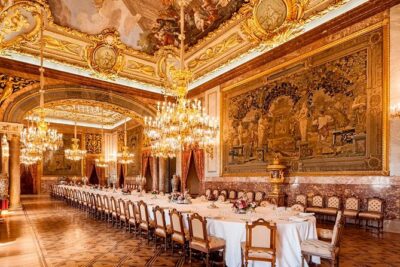
Madrid Old Town & Royal Palace Walking Tour Skip the Line Ticket
Read our review →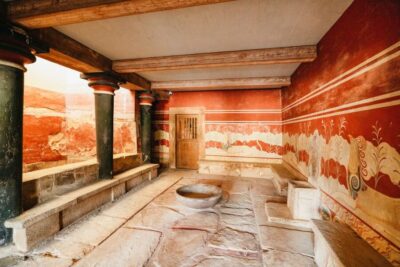
Knossos Palace Skip-the-Line Guided Walking Tour
Read our review →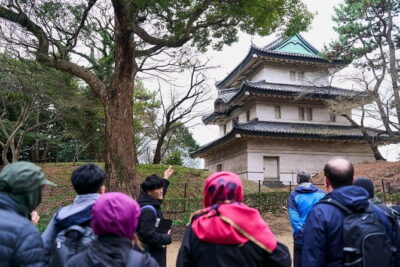
Tokyo Castle & Imperial PalaceーShogun Walking Tour
Read our review →This visit also appears in