
Review · FRANCE
Château de Luc: Unique visit and wine tasting
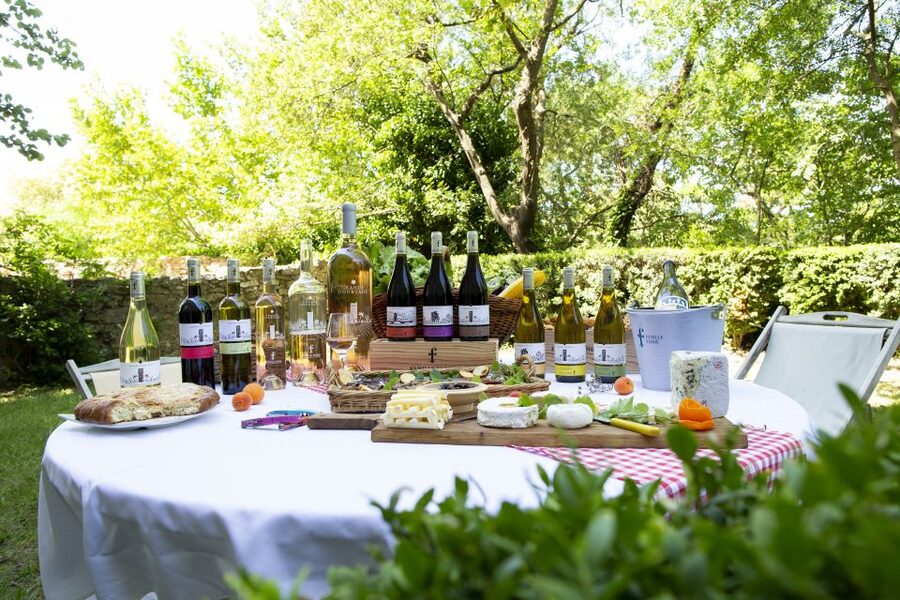
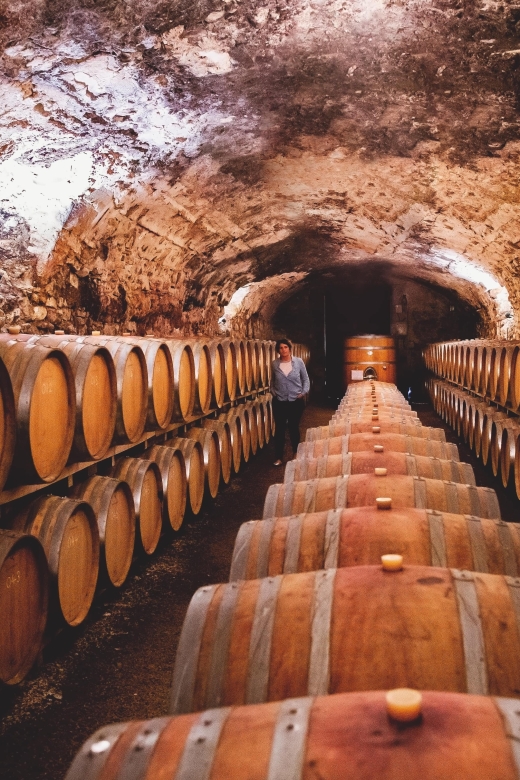
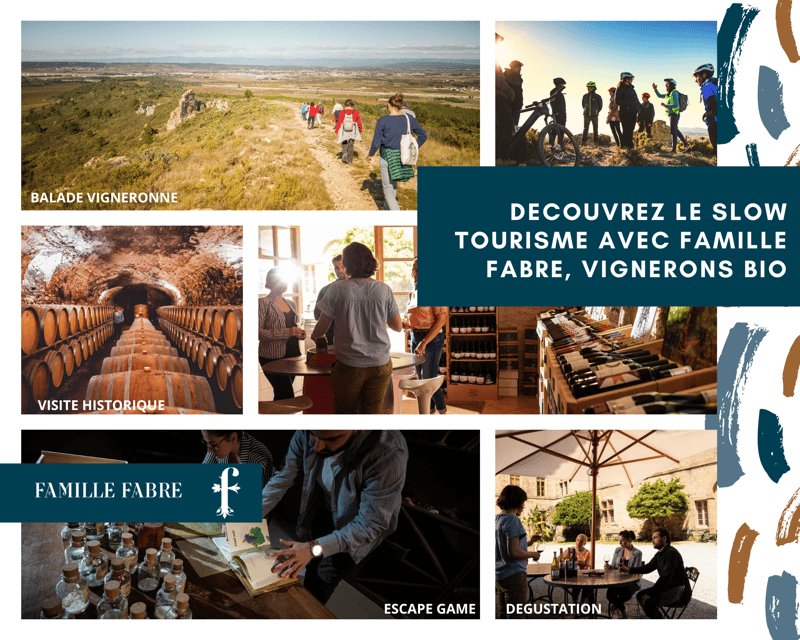
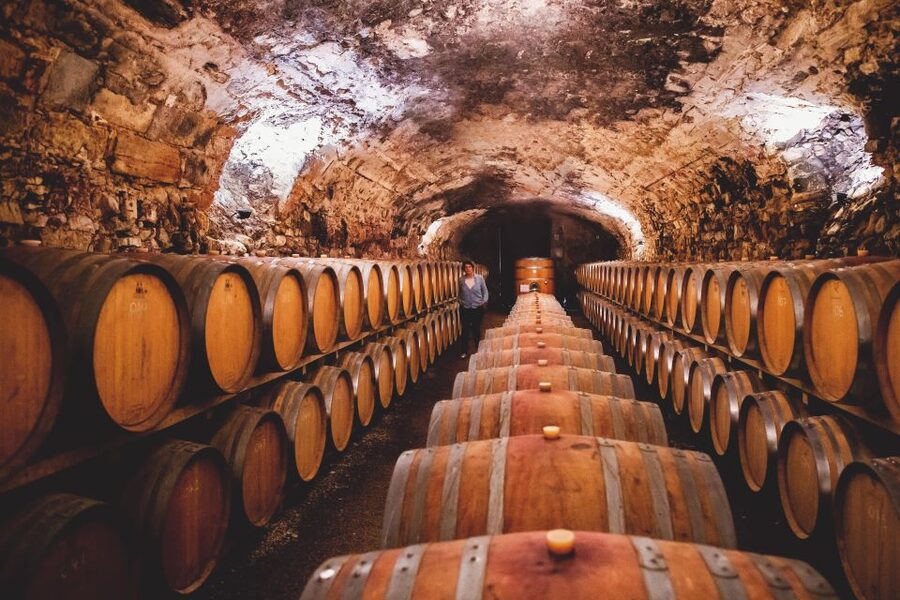
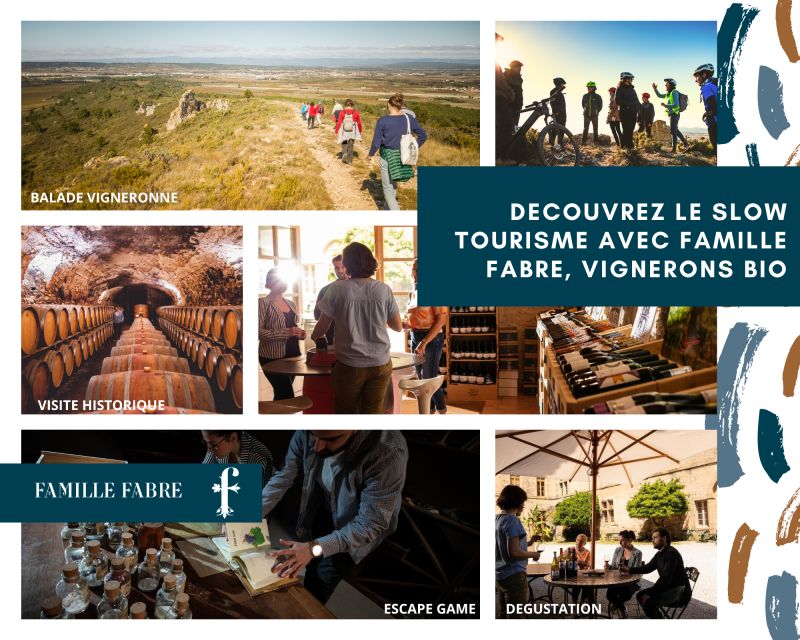
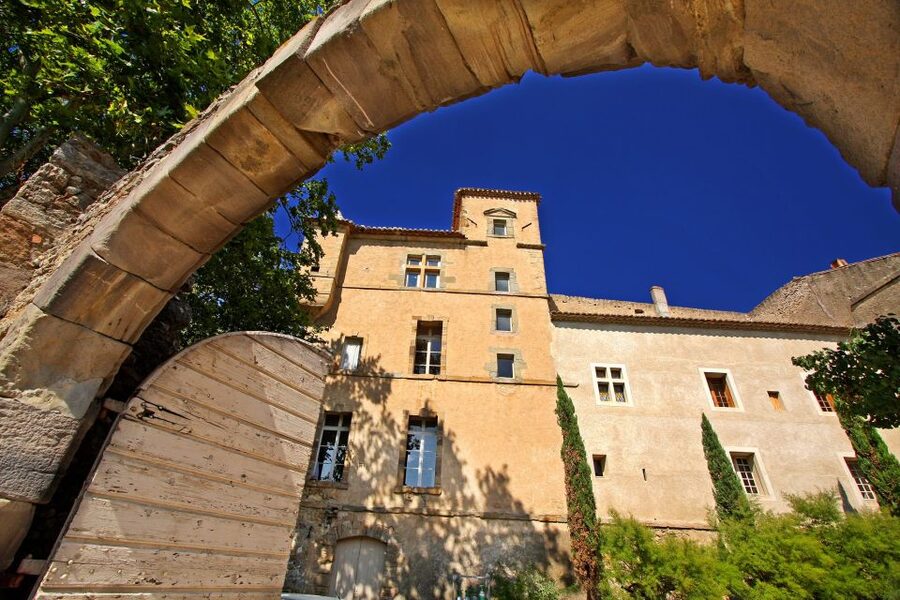
The most unusual part of this visit is below the château: a 14th-century underground cellar where wine production connects with the long story of the Midi wine region. The tour moves from family rooms to old stone cellars, then finishes with organic wine in a former stable.
I like the personal family connection, especially when Jeanne leads the visit with clear enthusiasm for both the château and winemaking. I also like the range of wines, from IGP Pays d’Oc to AOC Languedoc, Corbières, and Minervois. The main consideration is that the visit may feel short if you expect a large estate tour or a full-day wine course, and one visitor found the wines disappointing.
Key points
- A 14th-century cellar: Go underground to see one of Château de Luc’s oldest and most atmospheric spaces.
- A family-run estate: The visit explains how the Fabre family’s wine business has changed over time.
- The story of 1907: Learn how the great wine revolt shaped the history of Languedoc.
- Three to six organic wines: The tasting covers several regional styles and appellations.
- A former stable tasting room: The final stop has a rustic setting rather than a polished commercial showroom.
- Good value at $15: The price includes the guided visit and wine tasting, with free admission for children under legal drinking age.
From Château Rooms to the Old Cellar
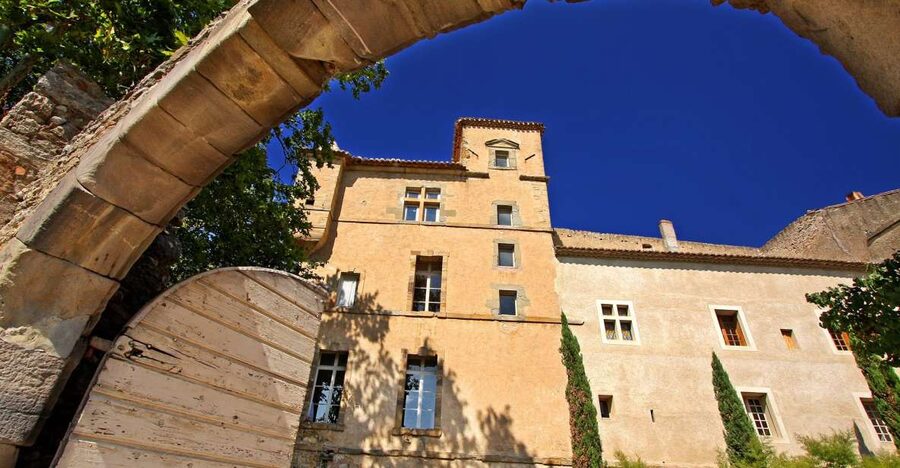
Château de Luc offers more than a quick pour at a shop counter. You begin in the historic rooms of the château, where the story of the estate and its family unfolds across several periods.
The setting matters here. This is a family-run wine business still in motion, not a museum frozen behind glass. The visit links the building, the cellars, the vineyard work, and the wines you taste at the end.
I find that approach useful because it gives the wine a place and a story. Instead of tasting an anonymous bottle, you can ask how the family manages its vineyards, how wine is made, and how the estate fits into the wider Languedoc region.
The guide is an important part of the experience. Jeanne has led visits with a warm, direct style, sharing both professional wine knowledge and a clear personal connection to the family’s domains. The presentation is available in French, English, and Spanish, so you can choose the language that lets you follow the historical details most easily.
The tour is not built around a grand procession of rooms. Its appeal comes from the change in mood as you move from the château’s historic interior to the cool underground cellar and then to the tasting room.
More food and drink near the palace gates around France:
- Medoc or Saint Emilion Wine Tasting and Chateau from Bordeaux
★ 5.0 · 1,415 reviews - Dijon: La Cave du Palais Burgundy Wine Tasting Experience
★ 4.8 · 400 reviews - Beaune: Wine Tasting at Château de Pommard
★ 4.6 · 353 reviews
The 14th-Century Cellar Below the House
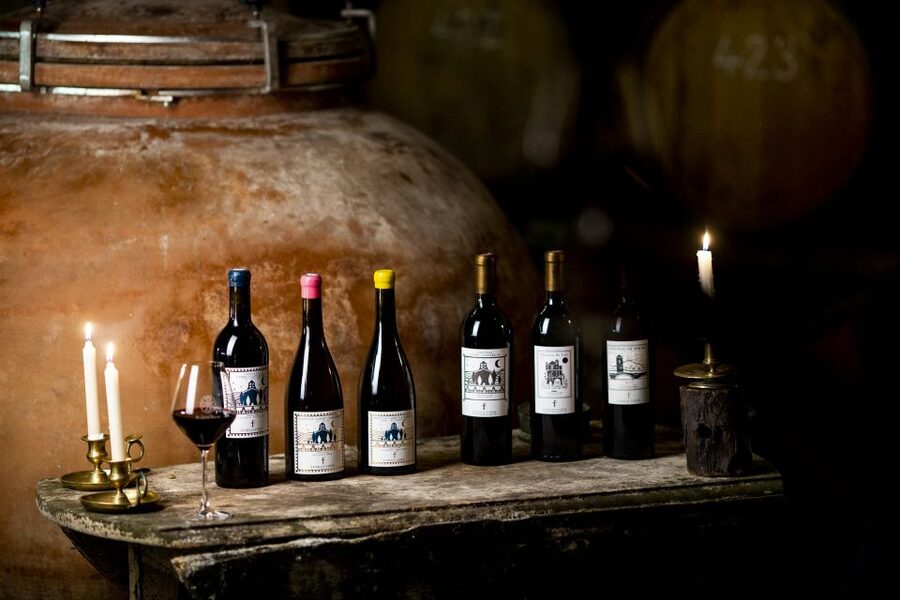
The underground cellar is the visit’s strongest physical feature. Dating from the 14th century, it gives you a close look at the older foundations of wine production at Château de Luc.
You can expect a more intimate setting here than in a modern winery. The cellar is tied to the old home, and barrels are used for aging wine beneath the historic structure. That combination of stone, age, and working wine equipment gives the tour its sense of place.
I would pay attention to how the guide explains the cellar’s role. The point is not simply to see an old room. You are also connecting the building to the practical work of storing and aging wine, and to the way winemaking has continued through generations.
The cellar may be less comfortable than a modern visitor center. The available information specifically says the activity is not suitable for wheelchair users, so anyone with limited mobility should take that seriously before booking. The underground location and historic rooms may involve access issues that are not present at a newer winery.
For travelers interested in architecture and local history, the cellar may be more memorable than the tasting itself. Wine lovers who mainly want technical instruction should keep their expectations measured. The visit is a story-led introduction, not a professional certification course.
The Wine Boom and the Revolt of 1907
The historical section places Château de Luc inside the wider story of the Midi wine region. The tour covers the golden age of 19th-century wine production and the great revolt of 1907.
That context adds real value. Languedoc wine is not only about grape varieties and tasting notes. It is also tied to farming, family income, regional identity, and periods of economic strain. The 1907 revolt helps explain why wine production became such a powerful social and political force in southern France.
I like this part because it keeps the visit from becoming a simple sales pitch. You are not only hearing why the estate’s wines are good. You are hearing how the wine trade shaped Occitania and affected the people who worked in it.
The historical presentation will suit you best if you enjoy local stories with your wine. It may be less appealing if you want to move quickly from cellar to bottle. The guide’s style seems to make a difference, and Jeanne has been especially effective at explaining the family and regional story with enthusiasm and simplicity.
Allow yourself time to listen. The historical details provide the thread that connects the château, the cellar, and the tasting table.
Tasting Organic Wines in the Former Stable
The final part takes place in a tasting cellar housed in an old stable. It is a fitting setting for wines made by a working family business. You get a rustic, practical space rather than a glossy showroom designed only for buying bottles.
The tasting includes a selection of three to six organic wines. The exact number can vary, but the range is broad enough to show different parts of the estate’s production. Wines may include IGP Pays d’Oc, AOC Languedoc, Corbières, and Minervois.
Those labels give you useful regional variety. IGP Pays d’Oc wines can offer flexibility in grape choices and style, while the AOC wines connect more closely to named regional rules and traditions. Corbières and Minervois also give you a chance to compare two familiar Languedoc appellations rather than tasting only one house style.
You should treat the tasting as a guided introduction, not a promise that every bottle will suit your palate. One visitor found the wines low in quality, while another found several wines excellent and bought two at reasonable prices. That contrast is worth noting. Wine taste is personal, and the broad selection means you may like some bottles much more than others.
The useful part is that you can ask questions. The team can discuss vineyard management and winemaking, then point you toward the wines that fit your preferences. If you like a bottle, the tasting gives you a chance to identify it before buying.
Same royal city, another way in:
- Paris: Versailles Palace and Gardens Full Access Ticket
★ 4.6 · 41,579 reviews - Versailles: Skip-the-Line Tour of Palace and Gardens Access
★ 4.7 · 10,429 reviews - From Paris: Versailles Palace & Gardens with Transportation
★ 4.6 · 6,222 reviews - Versailles: Skip-the-Line Guided Palace Tour and Full Access
★ 4.6 · 5,214 reviews
Is $15 Good Value?
At $15 per person, the experience offers solid value if you want both a cultural visit and a tasting. The fee includes the guided tour, the historic rooms, the 14th-century cellar, and three to six organic wines.
That is a better deal than paying separately for a château visit and a wine flight, especially if you care about the story behind the property. The family connection also gives the visit a more personal feel than a standard retail tasting.
The value is less clear if you only want to sample wine. You may find a more focused tasting elsewhere, particularly if your main goal is technical comparison. Château de Luc makes more sense for someone who wants wine, architecture, and Languedoc history in one stop.
Children under legal drinking age can visit free of charge. That helps families who want to include the château and historical material, even though the wine tasting itself is intended for adults.
The experience is listed as valid for one day, with starting times depending on availability. Since the precise visit time is not given here, check the available schedule before you build the rest of your day around it.
Who Will Enjoy Château de Luc Most?
I would choose this visit if you enjoy smaller family businesses, regional history, and wine with a strong sense of place. It is also a good option if you want a break from major city sights and prefer meeting the people behind a local product.
Wine beginners should feel comfortable here. You do not need advanced tasting skills to appreciate the cellar, the family story, or the chance to compare several regional wines. You can ask basic questions about vineyard work and winemaking without needing specialist vocabulary.
Experienced wine drinkers may enjoy the appellation range and the chance to taste organic wines from one producer. Still, you should not expect a long technical seminar or a large-scale production tour. The visit is more personal and historical than scientific.
Families can include children because underage visitors enter free. The accessibility limit is important, though. Wheelchair users should not book this activity, as it is specifically listed as unsuitable for wheelchair access.
The visit also suits people who are flexible about the pace. A small group can sometimes receive a highly personal tour. One American visitor ended up with a private visit when no other participants arrived, including a family-led explanation of the estate and cellar. That kind of experience cannot be guaranteed, but the small-business setting makes personal attention possible.
Practical Tips for a Better Visit
Look for the visitor area carefully when you arrive. One visitor found the directions less clear than they should be, so allow a little time to locate the correct entrance and tasting area.
Choose your language when booking or confirming the visit. French, English, and Spanish are offered, and the historical material will be much more useful when you can follow the guide without strain.
Wear sensible shoes. The tour includes historic rooms and an underground cellar, and the setting is not designed around modern accessibility. I would also avoid assuming that every part of the property will feel smooth or polished. Its appeal comes partly from its age and working character.
If you have a tight schedule, check the start time before booking. The activity is described as a one-day validity option, but that does not mean the tour lasts all day. It refers to when you can use the booking, while the actual visit follows the available starting times.
Use the tasting to ask specific questions. You might ask which wines are organic, how the wines differ between Pays d’Oc and the named appellations, and which bottles best match your usual tastes. That turns the final stop into a useful buying decision rather than a quick succession of samples.
The booking terms are friendly for a changing itinerary. You can reserve and pay later, and cancellation is free up to 24 hours before the activity for a full refund. That is helpful if you are arranging several stops in southern France.
How It Compares With a Standard Winery Visit
Many winery visits focus on stainless-steel tanks, vineyards, and production equipment. Château de Luc takes a different route by putting the old château and its regional story near the center.
The 14th-century cellar gives the tour an older physical setting, while the story of the 19th-century wine boom and 1907 revolt gives it a strong local frame. You are learning why wine mattered here, not only how it is produced today.
The tasting is also broad enough to show that the estate makes more than one kind of wine. The selection can range from IGP Pays d’Oc to AOC Languedoc, Corbières, and Minervois. That variety is useful, but it also means the experience may feel less focused than a tasting built around one appellation.
I would pick this visit over a generic tasting room if you want a sense of family and place. I would pick a larger winery if you want a highly structured production tour with more machinery and technical detail.
The strongest part is the combination of old stone, family memory, and current organic wine production. The weakest part may be the uneven fit between expectations and reality. If you arrive expecting every wine to impress, you could leave disappointed. If you come for the full mix of history, cellar, and tasting, the $15 price is easier to justify.
Should You Book Château de Luc?
Book it if you want a modestly priced, family-run visit that combines a historic château, a 14th-century underground cellar, and organic Languedoc wines. I especially recommend it to people who enjoy the human side of wine and want to understand the region’s 1907 revolt and 19th-century wine boom.
The best reason to go is the setting and the personal guide. Jeanne’s enthusiasm has made the family story and winemaking feel direct and easy to follow. The broad tasting range is another plus, especially if you enjoy comparing regional labels.
Think twice if your main goal is premium wine discovery or a long, highly technical winery tour. One person found the wines underwhelming, and the visit may feel brief for anyone expecting a full-day program.
For $15, I see Château de Luc as a worthwhile stop when you are already exploring southern France and want something more meaningful than a quick tasting. Go for the old cellar and the regional story first. Let the wine tasting decide whether you leave with a bottle.
FAQ
How much does the Château de Luc visit cost?
The experience costs $15 per person.
How many wines are included in the tasting?
You can taste a selection of three to six organic wines.
Which wines can I expect to taste?
The selection may include organic wines from IGP Pays d’Oc, AOC Languedoc, Corbières, and Minervois.
Is the tour offered in English?
Yes. The live guide can conduct the tour in French, English, or Spanish.
Can children join the visit?
Yes. Underage children can visit free of charge.
Is the experience wheelchair accessible?
No. The activity is listed as unsuitable for wheelchair users.
Fresh palace tours around France
- Wine Tasting Tour at Châteauneuf du Pape★ 5.0 · 36 reviews
- Visit of the cellars of Château Gigognan with tasting★ 5.0 · 3 reviews
- Wines from Châteauneuf-du-Pape and surrounding areas in 1/2 day★ 5.0 · 96 reviews
- 8 Hours Group Tour in Châteauneuf du Pape★ 5.0 · 10 reviews
- Morning Wine Tour to Chateauneuf du Pape from Avignon★ 4.5 · 70 reviews
- Châteauneuf du Pape Wine Day Tasting Tour including Lunch from Avignon★ 5.0 · 287 reviews
- Highlights of Provence : Chateauneuf du Pape & Luberon★ 4.5 · 189 reviews
- In Depth Chateauneuf du Pape★ 5.0 · 16 reviews
France Palace Tours: the shortlist.
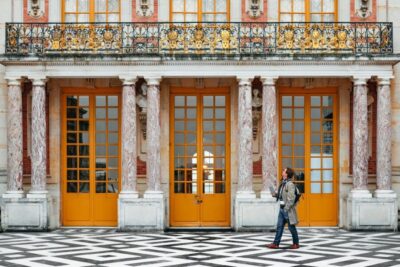
Versailles Palace and Gardens Full Access Ticket
Read our review →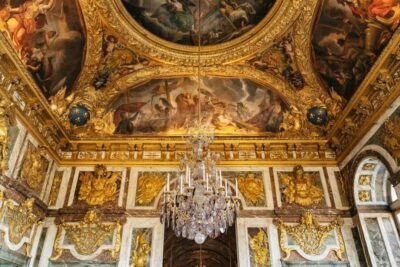
Skip-the-Line Tour of Palace and Gardens Access
Read our review →
Versailles Palace & Gardens with Transportation
Read our review →
Skip-the-Line Guided Palace Tour and Full Access
Read our review →
Versailles Palace Guided Tour & Gardens Access
Read our review →
Versailles Palace and Gardens Tour from Paris
Read our review →
Versailles Palace Bike Tour with Market & Marie-Antoinette hamlet
Read our review →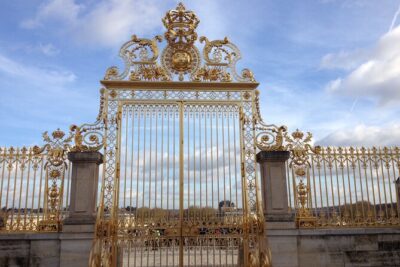
Versailles Palace Guided Tour with Reserved Entry
Read our review →This visit also appears in