
Review · FRANCE
Château Olivier: One Hour Vineyard Tour with Wine Tasting
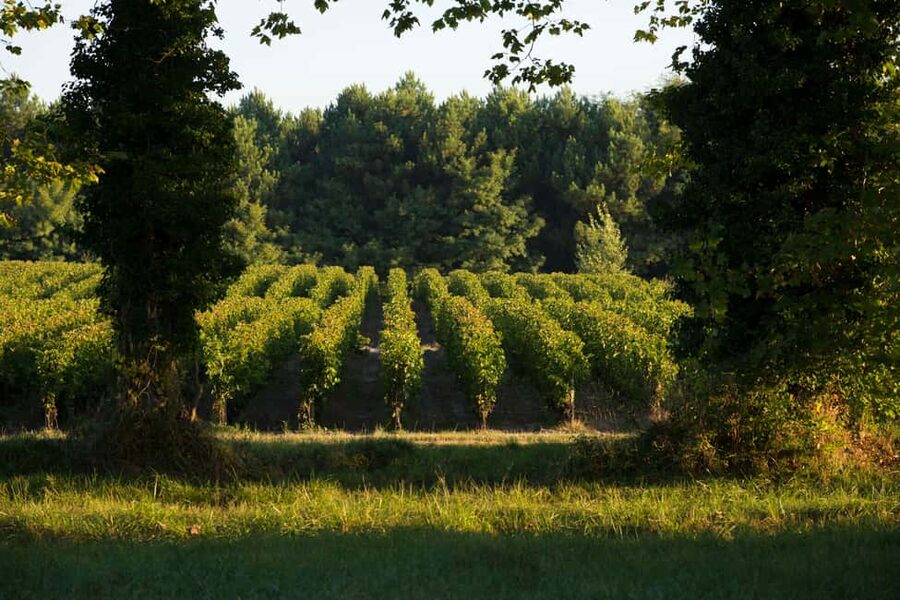
Château Olivier offers more than a quick cellar stop. The visit takes you through a 220-hectare nature reserve near Bordeaux, where vineyards share space with varied plant and animal life. You also learn how the De Bethmann family has cared for the property for 138 years.
I like the clear link between wine and land here. I also like the compact format: one hour, four wines, and a guide in French or English. Guide Laureen has been singled out for her friendly, well-informed presentation, and the visit seems especially good for people who want useful detail without spending half a day at a château.
The main drawback is access. You must arrange your own transport, and the long driveway can be a problem if you arrive without a car. The tour is also not suitable for wheelchair users, people with mobility impairments, or people with hearing impairments.
Key points to know before booking
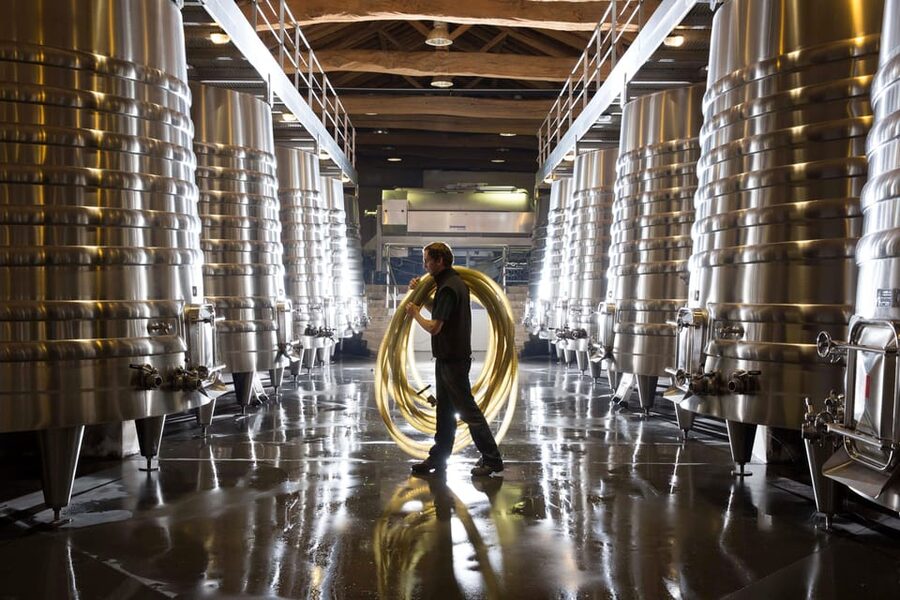
- A rare nature setting near Bordeaux: Château Olivier covers 220 hectares, with 60 hectares devoted to vines and the rest supporting varied fauna and flora.
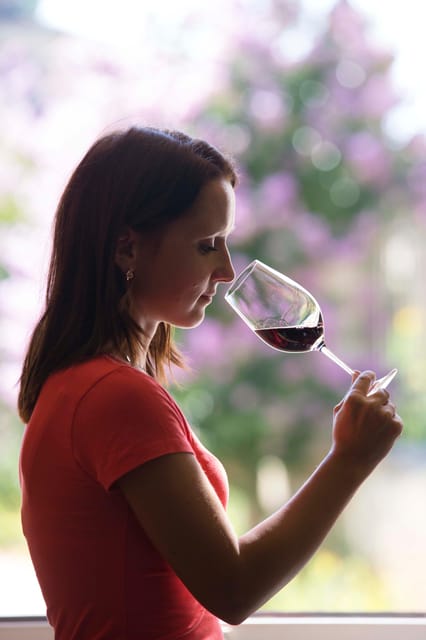
- Four Bordeaux wines in the tasting: The planned tasting includes two reds and two whites made from classic regional grape varieties.
- Thirteen different soils: The tour explains how Merlot, Cabernet Sauvignon, Petit Verdot, Sauvignon, and Sémillon fit the estate.
- A strong environmental focus: HVE 3 and ISO 140001 certification accompany the château’s organic conversion, begun in 2022.
- A short, focused visit: The one-hour format suits a Bordeaux itinerary, but it leaves little time for a broad tour of the property.
- Plan transport carefully: The entrance is opposite the visitor parking area, but the driveway may mean a long walk if you arrive by public transport.
Why Château Olivier feels different from a standard Bordeaux tasting
Many Bordeaux château visits focus almost entirely on barrels, bottles, and grand architecture. Château Olivier gives equal weight to the land around the vines. That matters because the estate is not just a 60-hectare vineyard. It covers 220 hectares, with a broad mix of fauna and flora that has helped make the property a rare nature reserve.
You begin at the reception area, reached by entering the driveway and following the signs. The building sits opposite the visitor parking lot. From there, the guide introduces the estate and its setting near Bordeaux, only about 11 kilometers from the city.
That close location makes Château Olivier a practical choice if you want a taste of the countryside without committing to a full day in the Médoc, Saint-Émilion, or another distant wine area. At the same time, the property feels separate from the city because the visit centers on open land, vines, and protected habitat.
The De Bethmann family has owned Château Olivier for 138 years. You hear about that long connection to the estate, but the visit is not simply a lesson in family ownership. The family’s current approach is tied to protecting the environment and maintaining the wider property as well as producing wine.
More food and drink near the palace gates around France:
- Medoc or Saint Emilion Wine Tasting and Chateau from Bordeaux
★ 5.0 · 1,415 reviews - Dijon: La Cave du Palais Burgundy Wine Tasting Experience
★ 4.8 · 400 reviews - Beaune: Wine Tasting at Château de Pommard
★ 4.6 · 353 reviews
Walking through 220 hectares of protected nature
The most interesting part of the tour is the way biodiversity becomes part of the wine story. Château Olivier has 60 hectares of cultivated vines, but those vines sit within a much larger area. The remaining land helps support a wide range of plant and animal life.
You should expect an introduction to this natural setting rather than a wildlife expedition. The tour does not promise specific animal sightings, and the supplied details do not identify particular species. What you do get is context: the estate’s varied soils, plants, and habitat are treated as part of its identity.
This is useful for anyone who wants to understand modern vineyard work beyond the usual talk of grape varieties. Healthy vineyard farming involves choices about soil, water, chemicals, surrounding vegetation, and the long-term condition of the property. Château Olivier’s environmental program gives the guide plenty to explain.
The château has HVE 3 and ISO 140001 certification, and the estate began its organic conversion in 2022. HVE 3 refers to a high level of environmental performance in French agriculture. The ISO certification also signals a formal approach to managing environmental effects. The tour gives you a chance to see these ideas in the setting where they matter, rather than treating them as labels on a bottle.
Wear comfortable walking shoes. The experience involves exploring the vineyard and natural areas, and the ground may not feel like a paved city attraction. Check the weather before setting out, since much of the visit connects to the outdoors.
Understanding the 60 hectares of vines
The cultivated vineyard covers 60 hectares: 52 hectares of red grapes and 8 hectares of white grapes. That split tells you something about Bordeaux wine before you taste a drop. Red production is the clear focus, but the estate also gives white wine a meaningful place.
The vines grow across 13 different soils. Soil differences can affect drainage, ripening, structure, and the character of the finished wine. You will not become a vineyard scientist in one hour, but this part of the tour helps explain why one property can produce wines with different qualities from separate plots.
For the red wines, Château Olivier uses Merlot, Cabernet Sauvignon, and Petit Verdot. These are classic Bordeaux varieties, but they play different roles. Merlot can bring softness and fruit, Cabernet Sauvignon often contributes structure, and Petit Verdot is commonly used in smaller amounts for color and depth. The exact blend changes by wine and vintage, so the tour should be viewed as an introduction rather than a technical tasting course.
The white wines use Sauvignon and Sémillon. Sauvignon is often associated with freshness and aromatic character, while Sémillon can add weight and texture. Tasting both varieties in a Bordeaux setting gives you a useful contrast with the reds and shows why the estate maintains separate white-grape acreage.
The guide’s job here is important. A clear explanation can turn a list of grape names into something you can notice in the glass. Laureen has been specifically praised for being friendly, accessible, and able to answer questions, qualities that matter in a short visit. You may also encounter another French or English-speaking guide, since guide assignments can vary.
What the one-hour itinerary gives you
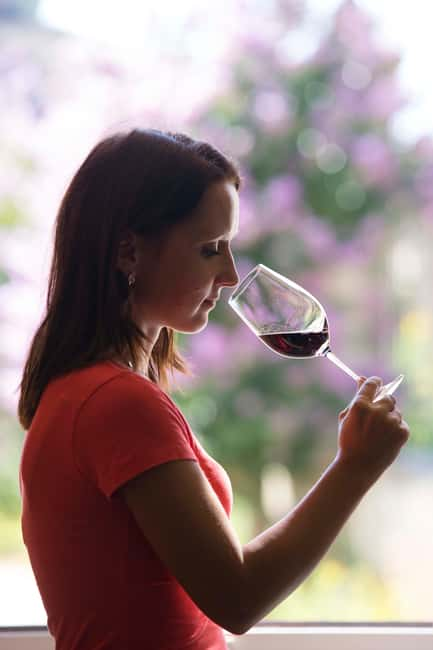
The visit is built around three connected parts: an introduction to Château Olivier, an exploration of its biodiversity and vineyard practices, and a wine tasting. The order may vary, but the experience is designed to fit into one hour.
First, you get oriented to the estate. The guide explains the property’s size, the family connection, and the relationship between the cultivated vines and the wider natural area. This opening is valuable because it puts the wine in place. You understand that the bottles come from a specific estate with different soils and a broader environmental responsibility.
Next comes the vineyard and nature component. You learn about the 60 hectares of vines, the 13 soils, the grape varieties, and the work involved in protecting the surrounding habitat. The organic conversion that began in 2022 is a key part of this discussion.
Do not expect to roam through every corner of the 220 hectares. One hour is enough for an informative look, not an exhaustive estate tour. You also should not assume that the interior of the château is included. The available information specifically indicates that the inside may not be part of the experience, so book this for the vineyard, nature, and wine rather than grand-house access.
The final section is the tasting. You are scheduled to taste two red and two white wines. That is a generous range for a one-hour visit, especially at a price of $23 per person. The tasting lets you compare the estate’s red-focused production with its white wines and connect the earlier talk about grape varieties and soils to actual glasses.
Take your time with questions. A short tour can feel rushed if the group moves quickly from one point to the next, but an approachable guide makes the hour more useful. The strongest praise connected to this experience has focused on the guides’ passion, clarity, and willingness to respond to questions.
More one-hour palace visits around France:
- Granada: 1-Hour Traditional Flamenco Show at Palacio
★ 4.7 · 256 reviews - Sintra:1 hour tuk tuk experience to Pena Palace(3 monuments)
★ 5.0 · 10 reviews
The tasting: two reds and two whites
The tasting is the clearest measure of value here. Four wines for $23 is a fair price near Bordeaux, especially when the cost also includes a guided look at the property and its environmental work.
The two reds should give you the best sense of Château Olivier’s main production. Look for the role of Merlot, Cabernet Sauvignon, and Petit Verdot, and ask how the blend affects the wine you are tasting. If you already know Bordeaux wines, the tasting offers a quick estate-level comparison. If you are new to Bordeaux, it gives you a manageable introduction without burying you in technical detail.
The two whites add welcome range. Since only 8 of the 60 cultivated hectares are planted with white grapes, these wines represent a smaller part of the estate’s production. Their Sauvignon and Sémillon base also gives you a chance to compare the freshness and texture of white Bordeaux with the structure of the reds.
One practical point: a tasting of four wines in a one-hour visit is not designed for lingering over every glass. You may need to keep the pace moving, especially if the guide spends time on the vineyard and biodiversity. That is not a flaw, but it helps set expectations. This is a concise introduction, not a long tasting seminar.
Photography is allowed, so bring your camera if you want images of the property and vines. Smoking and littering are not permitted, and pets are not allowed except assistance dogs.
How the price compares with the experience
At $23 per person, this tour sits in the accessible range for a Bordeaux wine visit. You receive a guided tour, an explanation of the vineyard’s environmental work, an introduction to the estate’s natural setting, and four wines.
I consider that good value for a visitor already in the Bordeaux area. The tour gives you more than a tasting-room appointment, yet it does not demand a full morning or afternoon. The one-hour length also lets you combine it with other plans.
The value drops if your main goal is to explore a grand château interior or spend a long time among the vines. The property’s story is broader than the visit can cover, and the inside of the château may not be included. If architecture is your top priority, choose an experience that clearly promises interior access.
Transport is the other cost to consider. No transportation is provided, so you must reach Château Olivier on your own. The entrance is easy to identify once you arrive: enter the driveway, follow the signs, and go to the reception building opposite the visitor parking lot.
If you are using public transport, check the final walking distance before booking. The driveway can be long, and reaching the reception area from a bus stop may involve an uncomfortable walk. This is a small but important detail that can change the practical value of a low-cost tour.
Who will enjoy this visit most
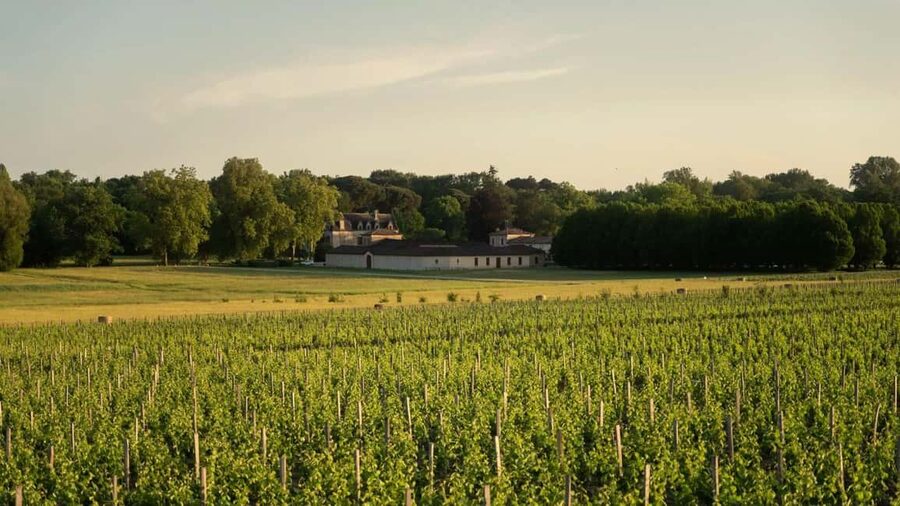
I would recommend Château Olivier to you if you want a short Bordeaux outing with substance. It suits wine drinkers who like learning how grape varieties and soil affect production, and it also fits people who care about organic farming and habitat protection.
It works well for couples, solo visitors, and small groups who want a calm one-hour stop near Bordeaux. French and English are available, so you can choose the language that lets you ask the most questions.
You should think twice if walking is difficult, if you need wheelchair access, or if you have a hearing impairment. The experience is not suitable for people with mobility impairments, wheelchair users, or people with hearing impairments. Comfortable shoes are essential, and weather can affect how pleasant the outdoor parts feel.
Families with pets should note that animals are not allowed, except assistance dogs. Anyone hoping for a long meal should also look elsewhere, since meals are not included.
Booking details that matter
You can cancel up to 24 hours before the visit for a full refund. You can also reserve now and pay later, which is useful if your Bordeaux schedule is still taking shape.
Starting times vary, so check availability for your date. The duration is fixed at one hour. Since transportation is not included, allow enough time to reach the property and find the reception building.
The tour operates in French and English. Photography is allowed. Smoking and littering are forbidden on the premises, which fits the estate’s environmental focus.
Should you book Château Olivier?
Book it if you want a compact, affordable wine visit near Bordeaux with a real focus on nature and vineyard practice. The four-wine tasting is a strong part of the package, and the environmental story gives the hour more substance than a quick pour and goodbye.
Skip it if you need wheelchair access, dislike walking outdoors, or mainly want to see the inside of a grand château. Also arrange your transport carefully, especially if you are not driving.
For most able-bodied visitors who can reach the property easily, Château Olivier is a smart one-hour addition to a Bordeaux itinerary. It gives you four wines, a clear introduction to Bordeaux grape varieties, and a better sense of how a working estate can protect its land while producing wine.
FAQ
Where is Château Olivier located?
Château Olivier is in Nouvelle-Aquitaine, France, about 11 kilometers from Bordeaux.
How long does the tour last?
The guided experience lasts one hour.
How many wines are included?
The tasting includes two red wines and two white wines.
Which grape varieties are used at Château Olivier?
The red wines use Merlot, Cabernet Sauvignon, and Petit Verdot. The white wines use Sauvignon and Sémillon.
How large is the Château Olivier vineyard?
The estate has 220 hectares of land, including 60 cultivated hectares. Of the vineyard, 52 hectares are planted with red grapes and 8 hectares with white grapes.
Is the tour offered in English?
Yes. Live guides are available in French and English.
Is transportation included?
No. You must arrange your own transportation to and from Château Olivier.
Is the tour suitable for wheelchair users?
No. The experience is not suitable for wheelchair users or people with mobility impairments. It is also not suitable for people with hearing impairments.
Fresh palace tours around France
- Wine Tasting Tour at Châteauneuf du Pape★ 5.0 · 36 reviews
- Visit of the cellars of Château Gigognan with tasting★ 5.0 · 3 reviews
- Wines from Châteauneuf-du-Pape and surrounding areas in 1/2 day★ 5.0 · 96 reviews
- 8 Hours Group Tour in Châteauneuf du Pape★ 5.0 · 10 reviews
- Morning Wine Tour to Chateauneuf du Pape from Avignon★ 4.5 · 70 reviews
- Châteauneuf du Pape Wine Day Tasting Tour including Lunch from Avignon★ 5.0 · 287 reviews
- Highlights of Provence : Chateauneuf du Pape & Luberon★ 4.5 · 189 reviews
- In Depth Chateauneuf du Pape★ 5.0 · 16 reviews
France Palace Tours: the shortlist.
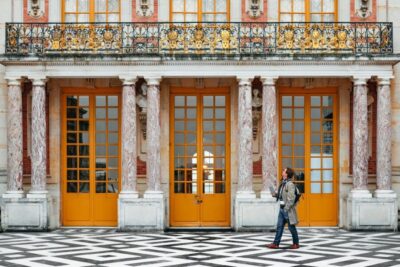
Versailles Palace and Gardens Full Access Ticket
Read our review →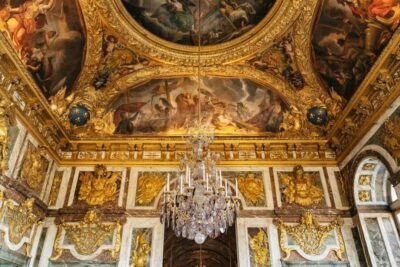
Skip-the-Line Tour of Palace and Gardens Access
Read our review →
Versailles Palace & Gardens with Transportation
Read our review →
Skip-the-Line Guided Palace Tour and Full Access
Read our review →
Versailles Palace Guided Tour & Gardens Access
Read our review →
Versailles Palace and Gardens Tour from Paris
Read our review →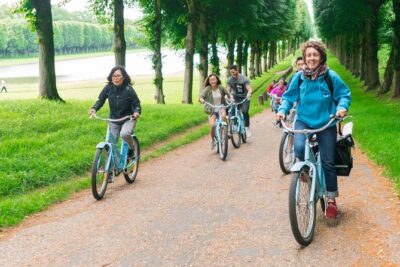
Versailles Palace Bike Tour with Market & Marie-Antoinette hamlet
Read our review →
Versailles Palace Guided Tour with Reserved Entry
Read our review →This visit also appears in