
Review · VIETNAM
HCM: War Remnants Museum & Independence Palace Walking Tour
Ho Chi Minh City’s past comes into sharp focus inside Independence Palace and the War Remnants Museum. One site shows the rooms, bunkers, and command spaces tied to the fall of Saigon in 1975. The other presents the human cost of the Vietnam War through photographs, military equipment, and difficult exhibits. I like the clear two-hour plan and the chance to hear the story from a Vietnamese point of view.
I also like the small-group format, with no more than 10 people, and the flexible start times. Guides such as Dickies, Sunny, Tyson, Spike, and Phat have been praised for clear English, patience, and practical help, including guiding people across busy streets. The main drawback is the War Remnants Museum’s graphic material, and some departures may leave you to explore the museum on your own after an introduction.
Key points to know before booking
- Two major sites in two hours: Visit Independence Palace and the War Remnants Museum without giving up an entire day.
- The Vietnamese point of view: The museum focuses on the effects of war and the suffering caused by military action.
- Guides add the most value: Dickies, Sunny, Tyson, Spike, and Phat are among the guides praised for clear explanations and thoughtful answers.
- A true walking tour: There is no hotel pickup, so you meet at Trung Nguyên Legend Café and walk between the sites.
- Graphic material requires preparation: Photographs and displays can be upsetting, especially for children.
- Excellent low-cost value: At $9 per person, the tour offers an affordable introduction to two essential Ho Chi Minh City sights.
Why these two sites belong together
This tour works because the two stops tell different parts of the same story. Independence Palace gives you a physical setting for political power. You see where officials worked, where important meetings took place, and where military decisions were made. The War Remnants Museum then shifts attention toward ordinary people and the lasting damage caused by conflict.
I like this pairing for a first visit to Ho Chi Minh City because it gives you a basic timeline without asking you to spend a full day in museums. The guide helps explain why the palace matters, then gives you a framework for understanding the museum displays.
You should also know that the presentation is not neutral in the way a general international museum might be. The War Remnants Museum presents the Vietnam War from the Vietnamese perspective, with a strong focus on civilian suffering, wartime destruction, and the long-term consequences of the conflict. That viewpoint is valuable, but it is only one part of a complicated past. I recommend taking the tour as an introduction, then reading more if you want to compare different accounts.
More Palace Walking Tours around the world:
- Venice: Doge’s Palace and St Mark’s Basilica Walking Tour
★ 4.4 · 6,291 reviews - Split: Old Town and Diocletian Palace Walking Tour
★ 4.9 · 4,727 reviews - Walking Tour of Split and Diocletian’s Palace
★ 5.0 · 2,588 reviews
Meeting at Trung Nguyên Legend Café
The tour begins at Trung Nguyên Legend Café at 12 Alexandre de Rhodes in District 1. Look for a guide wearing a TripGuru shirt or holding a TripGuru sign. If you use Grab or Gojek, check the pin carefully, since an incorrect map location could leave you at the wrong part of the street.
There is no hotel pickup or drop-off. That keeps the price down, but you need to reach the meeting point yourself and plan your return from the War Remnants Museum, where the listed tour ends.
The meeting point is near the two sights, making the opening practical rather than elaborate. This is not a sightseeing bus tour with a long transfer or a hotel lobby wait. It is a short city walk with the history beginning almost at once.
Try to arrive a little early. Same-day booking is accepted, and several start times are available, but flexibility does not remove the need to find the guide before departure. Wear light clothing and comfortable shoes. Ho Chi Minh City can be hot, and the route includes outdoor walking between the buildings.
Inside Independence Palace
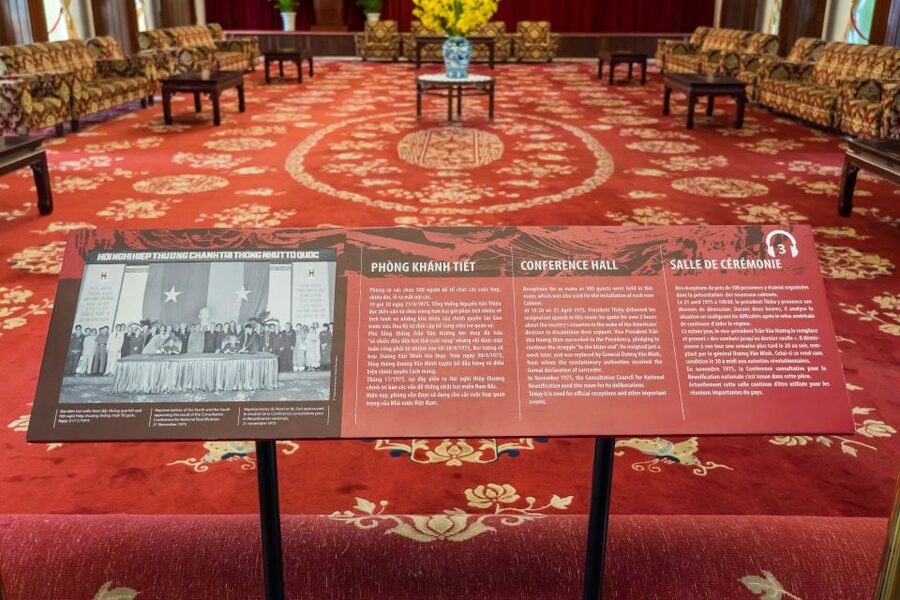
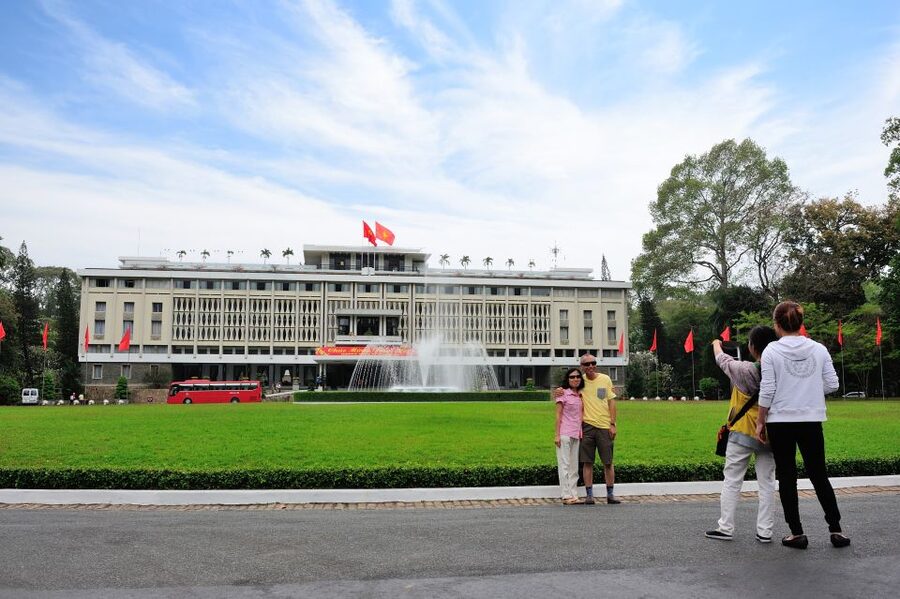
The Independence Palace, also called Reunification Palace, is often the strongest part of the guided experience. The building is linked to the fall of Saigon in 1975, and its rooms give you a direct sense of how the former South Vietnamese government operated.
You can expect to see formal state rooms, private apartments, underground bunkers, and communication rooms. These spaces help turn a political event into something concrete. Instead of hearing only about the end of the war, you see the rooms and working areas connected to that moment.
The guide’s role matters here. Several guides have been praised for explaining the use of individual rooms, their design, and the events tied to them. Dickies, in particular, is repeatedly described as patient and able to answer questions about both the palace and wider Vietnamese culture. Tyson, Sunny, Lily, Spike, Phat, and others have also received strong praise for clear English and friendly presentation.
The best guides do not simply recite dates. They explain the power struggles behind the building and give you enough background to understand why the palace remains such an important symbol. You can ask questions as you walk, and the small group makes it easier to hear the answers.
There is a practical advantage to visiting the palace with a guide: the building can otherwise feel like a series of grand rooms without a clear story. A well-paced explanation gives each space a purpose. One guide was praised for keeping the group moving without lingering too long, while still covering the important points. That balance is useful during a short tour.
A possible issue is that the palace may occasionally close or have access changes. One participant found it closed on the day of the tour and received the historical explanation from the guide instead. If seeing the interiors is your main reason for booking, accept that schedules and official access can sometimes change.
Walking to the War Remnants Museum
The route between the two locations is short enough to fit neatly into a two-hour outing, but it is still a city walk. You may cross busy streets, and one guide was specifically praised for helping the group do so safely. That small service matters in Ho Chi Minh City, where traffic can feel more challenging than the distance suggests.
Bring sunscreen, a hat, sunglasses, and water if you have it. The supplied information also suggests insect repellent and cash. The tour does not include meals or personal expenses, so you should handle snacks, drinks, and any other purchases separately.
This part of the tour is not designed as a separate architectural walk. The purpose is to connect the two historic sites and keep the schedule moving. If you want long stops for street photography or cafés, plan extra time before or after the tour.
More palace museums around the world:
- Venice’s Best: Basilica, Doge’s Palace, Gondola & History Gallery
★ 4.5 · 2,478 reviews - Royal Palace & Prado Museum Skip the Line Guided Tour
★ 4.5 · 1,347 reviews - Venice: City Pass with Museums including Doge’s Palace
★ 4.1 · 1,020 reviews - The Hague: Escher in The Palace Museum Ticket
★ 4.6 · 896 reviews
Facing the War Remnants Museum
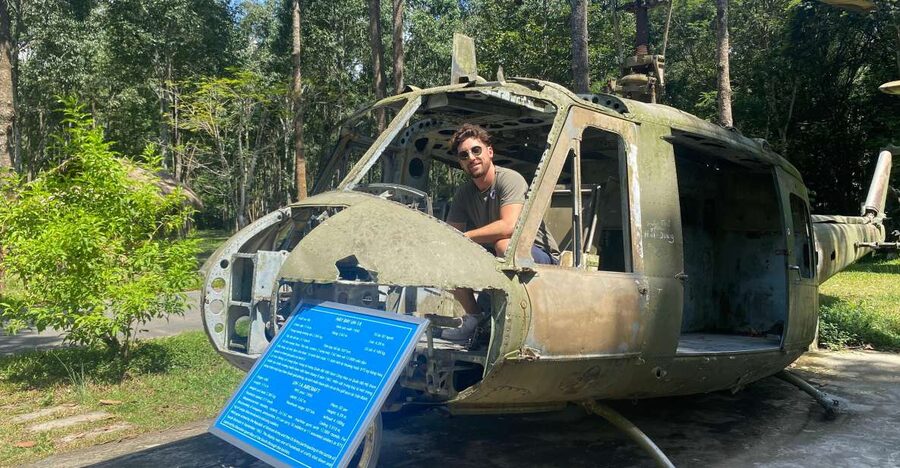
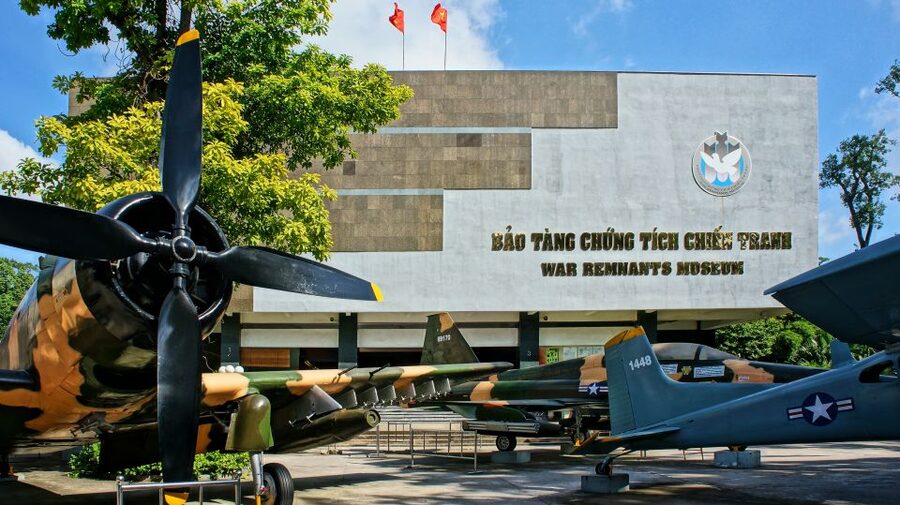
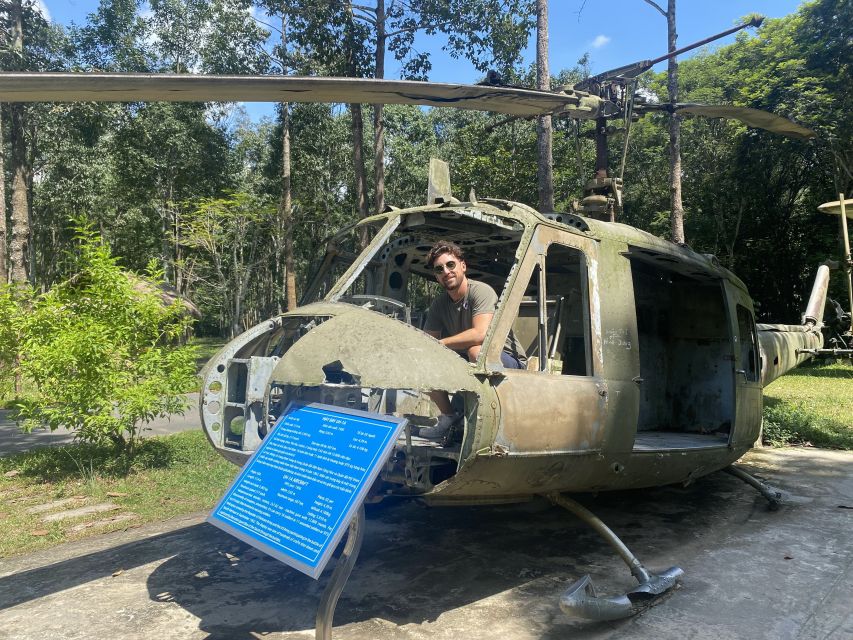
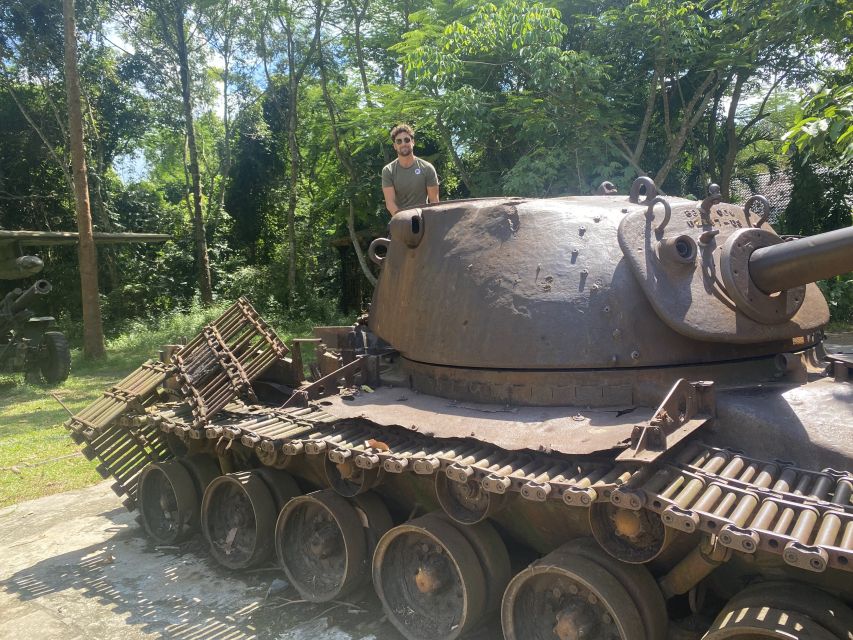
The War Remnants Museum is the heavier stop. It contains military vehicles and other displays, along with photographs and exhibits about wartime atrocities and their effects on Vietnamese people. Some images are graphic. You should not treat this as a light museum visit or a quick collection of old army equipment.
The museum’s emotional force comes from the contrast between large military hardware and personal suffering shown in photographs and displays. The experience can be sobering, and it may stay with you after you leave. That is part of its value, but it also means the museum is not suitable for everyone.
Children under seven are not suited to this activity, and the graphic material is one reason. Pregnant people, wheelchair users, and people with mobility impairments are also listed as unsuitable, so this tour is not a good fit if you need step-free access or a slower route.
The guide’s involvement at the museum can vary in practice. The tour plan allows about an hour there, and the guide may introduce the main areas before giving you time to walk through the exhibits independently. Some people appreciate that freedom, since the material requires quiet time and personal space. Others may prefer a guide beside them for every display.
I see this as the clearest limitation of the tour. If you want a detailed, room-by-room explanation of every museum section, ask at the start how the guide will handle the visit. The guided palace portion may be more structured, while the museum can become partly self-guided.
The museum is best approached with an open mind. Its focus is firmly Vietnamese, and its language and presentation reflect that. You will gain a direct sense of how the war is remembered in Vietnam, but you should not expect a balanced account of every government, military force, or political interpretation.
Guide quality and group size
At $9 per person, the guide is the main reason to book instead of visiting alone. The entrance fees are included, and you get help with the basic historical framework, directions, questions, and the transition between the sites.
The small-group limit of 10 people is useful. A guide can hear your questions, and you are less likely to be lost in a large crowd. It also keeps the experience more personal without the cost of a private tour.
Guide quality may naturally vary, but the strongest pattern in the feedback is clear: English communication, warmth, and patience are highly praised. Dickies is mentioned often, along with Sunny, Tyson, Spike, Phat, Lily, Alex, and others. Several guides are described as able to answer questions about history, politics, customs, and daily Vietnamese culture.
The best guide style here is not a long lecture. One particularly well-liked approach kept explanations concise, moved at a steady pace, and left room for questions. That suits a two-hour tour. You get the important facts without being trapped in one room while the clock runs down.
If your group is especially interested in the war, ask questions. The guides are expected to speak English or Vietnamese, and the experience is strongest when you use that access. A short question about a room, symbol, or event can add context that a display label cannot provide.
Is two hours enough?
Two hours is enough for an introduction, not a complete study of either site. The planned schedule gives about one hour to the War Remnants Museum and one hour to Independence Palace. That is a sensible split for a visitor with limited time.
You can expect the tour to function as a focused half-day filler. One morning departure ended around lunchtime, making it easy to get food afterward. Other accounts suggest the experience can sometimes run close to three hours, depending on the pace, questions, and time spent at the sites.
That variation is worth planning for. If you have a flight, appointment, or timed restaurant reservation immediately afterward, leave a buffer. The standard duration is two hours, but a thoughtful discussion or slower museum visit may extend the outing.
For a longer visit, you can return to the museum after the tour and read the exhibits at your own speed. The tour gives you the basic structure, then you decide how much more time the subject deserves.
Price, timing, and practical value
The $9 price includes the professional English or Vietnamese speaking guide, entrance fees, and the walking route. It does not include transport to the meeting point, food, drinks, or personal purchases.
I consider that strong value if you are new to Ho Chi Minh City and want context quickly. The entrance fees alone are useful, but the real saving is time. You do not have to work out the connection between the palace and museum yourself, and you can ask questions as the history unfolds.
Flexible start times make the tour easy to fit around a city break. Same-day booking is also useful if you have an unexpected free morning or afternoon. The free cancellation policy allows a full refund when you cancel at least 24 hours ahead, and you can reserve now and pay later. Those terms help if your schedule is still changing.
This is not the right purchase if you want a private guide, extensive historical detail, or a slow museum visit. A private option may give you more time for questions and a more tailored pace. For a basic introduction at a very low cost, however, this tour delivers a lot.
Who should book it?
I would choose this tour for a first-time visitor with only a few hours available, especially someone who wants help making sense of modern Vietnamese history. It also suits solo visitors and couples who prefer a small group but do not need a private tour.
It is a good match if you value explanation over simply taking photographs. The palace is more meaningful with context, and the museum can be easier to process when you understand the broad story first.
I would think twice if you are sensitive to graphic wartime images, have mobility limitations, or want an easy, relaxed sightseeing walk. The subject is serious, the museum can be upsetting, and the route is not designed for wheelchair users or people who need a highly accessible experience.
Bring comfortable clothes, sunscreen, a hat, sunglasses, and a camera if you want one. Cash may be useful for personal expenses, but meals are not included. Most of all, leave room in your schedule for the museum to affect you. This is a history tour, but it is not emotionally light.
Should you book this walking tour?
Book it if you want an affordable, tightly planned introduction to two of Ho Chi Minh City’s most important historic sites. The combination of Independence Palace’s rooms and bunkers with the War Remnants Museum’s graphic Vietnamese account gives you a strong starting point.
The tour is especially good when your guide is one of the strong communicators praised for clear English and patient answers. Dickies, Sunny, Tyson, Spike, Phat, and Lily are names associated with particularly warm and useful guiding, though assignments can vary.
Skip it if you need a fully guided museum visit from start to finish, private transport, or step-free access. Otherwise, $9 buys an efficient two-hour lesson in the city’s past, with enough flexibility to fit neatly into a busy itinerary.
FAQ
How long does the tour last?
The advertised duration is two hours, with about one hour at the War Remnants Museum and one hour at Independence Palace. The outing can sometimes take closer to three hours depending on the pace and questions.
Where does the tour begin?
It begins at Trung Nguyên Legend Café, 12 Alexandre de Rhodes, Bến Nghé, District 1, Ho Chi Minh City. Look for a guide wearing a TripGuru shirt or carrying a TripGuru sign.
Where does the tour finish?
The listed finish point is the War Remnants Museum.
Is hotel pickup included?
No. Hotel pickup and drop-off are not included. You need to reach the café meeting point yourself and arrange your own return after the museum.
What languages are available?
The tour is available with an English or Vietnamese speaking guide.
Are entrance fees included?
Yes. Entrance fees to the War Remnants Museum and Independence Palace are included in the tour price.
Is the tour suitable for children or wheelchair users?
Children under seven, pregnant people, people with mobility impairments, and wheelchair users are listed as unsuitable for this activity. The museum also contains graphic photographs and difficult wartime material.
Fresh palace tours around the world
- Bangkok Private Grand Palace Emerald Buddha and Reclining Buddha★ 4.5 · 2 reviews
- Bangkok Markets, Palaces and Temples Excursion★ 5.0 · 8 reviews
- Bangkok Two Temple Tour: Wat Pho, Emerald Buddha & Grand Palace★ 5.0 · 4 reviews
- Bangkok Royal Road – Top 3 Major Monuments (Grand Palace, Wat Pho, Wat arun)★ 4.5 · 111 reviews
- Bangkok’s Landmarks Tour : GrandPalace WatTraimit WatPho WatArun★ 5.0 · 8 reviews
- Bangkok Grand Palace and Emerald Buddha Tour★ 4.0 · 91 reviews
- Private Tour: Grand Palace,Wat Phra Kaew, Museum&Cooking Class★ 5.0 · 7 reviews
- Bangkok Grand Palace & Emerald Buddha Flexible Entry with Audio★ 3.5 · 3 reviews
Palace Walking Tours: the shortlist.
Doge’s Palace and St Mark’s Basilica Walking Tour
Read our review →

Walking Tour of Split and Diocletian’s Palace
Read our review →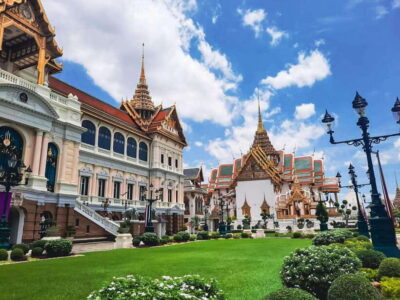
Grand Palace and Wat Phra Kaew Guided Walking Tour
Read our review →
Imperial Palace and Shogun Historical Walking Tour
Read our review →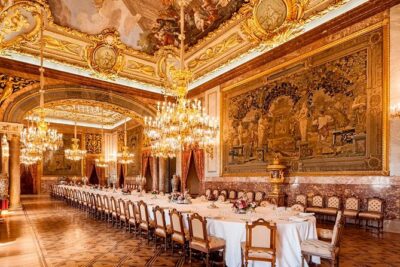
Madrid Old Town & Royal Palace Walking Tour Skip the Line Ticket
Read our review →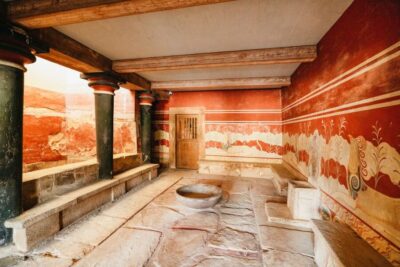
Knossos Palace Skip-the-Line Guided Walking Tour
Read our review →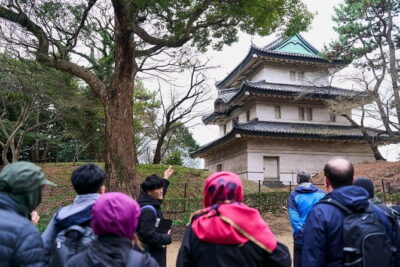
Tokyo Castle & Imperial PalaceーShogun Walking Tour
Read our review →This visit also appears in