
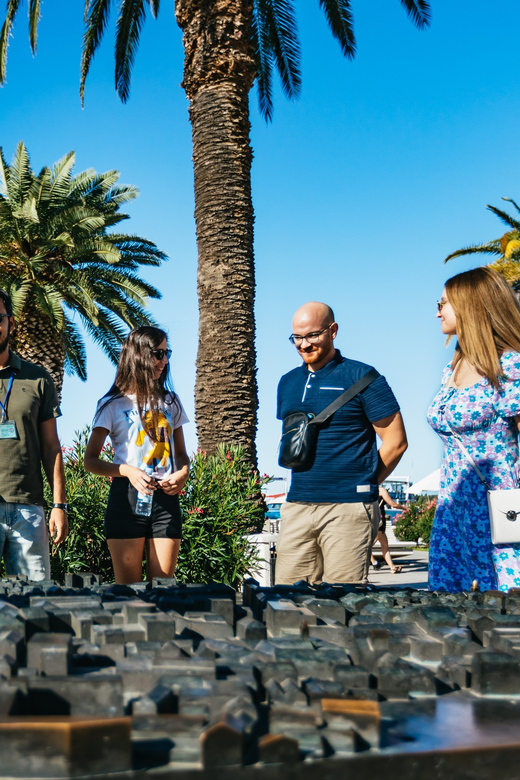
Review · PALACES WORLDWIDE
Split Old Town and Diocletian’s Palace Tour
Diocletian’s Palace is not a quiet ruin sitting apart from town. It is the town. Shops, homes, cafés, lanes, and busy squares fill the old Roman complex, so a guide helps you see the ancient bones beneath modern Split. I especially like the Peristyle courtyard and the walk from the Golden Gate to the Riva, which gives you both the imperial story and the city’s everyday face.
I also like the strong local touch. Guides including Ivana, who has lived in the old town, and Ante, Slavko, Antonia, and Jakov have been praised for lively stories, humor, and clear answers. At $17, the 90-minute option is excellent value for a first look, though crowds around the Golden Gate can make the blue umbrella hard to spot, and the uneven, sometimes steep streets are not suitable for wheelchair users.
Key points to know before you book
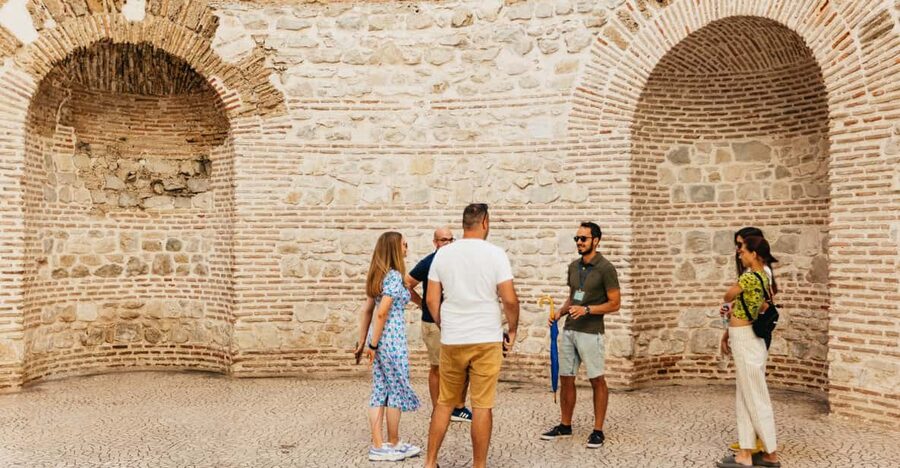
- The palace is part of daily life: You walk through an inhabited old town, not an isolated archaeological park.
- The Peristyle is the visual center: This grand courtyard makes the Roman scale of Diocletian’s retreat easiest to understand.
- Local guides add the color: Ante, Ivana, Slavko, Antonia, and Jakov are among the guides praised for humor, passion, and useful local details.
- The route links major sights: Expect the Golden Gate, Gregory of Nin, Saint Domnius Cathedral, People’s Square, the City Clock, and the Riva.
- The short tour is a smart first-day choice: Ninety minutes gives you a clear layout before you explore on your own.
- Trogir is an optional add-on: Selected options include transport, a guided visit, and 60 minutes of free time, lasting up to five hours.
Why Diocletian’s Palace makes a better walking tour than a ruin visit
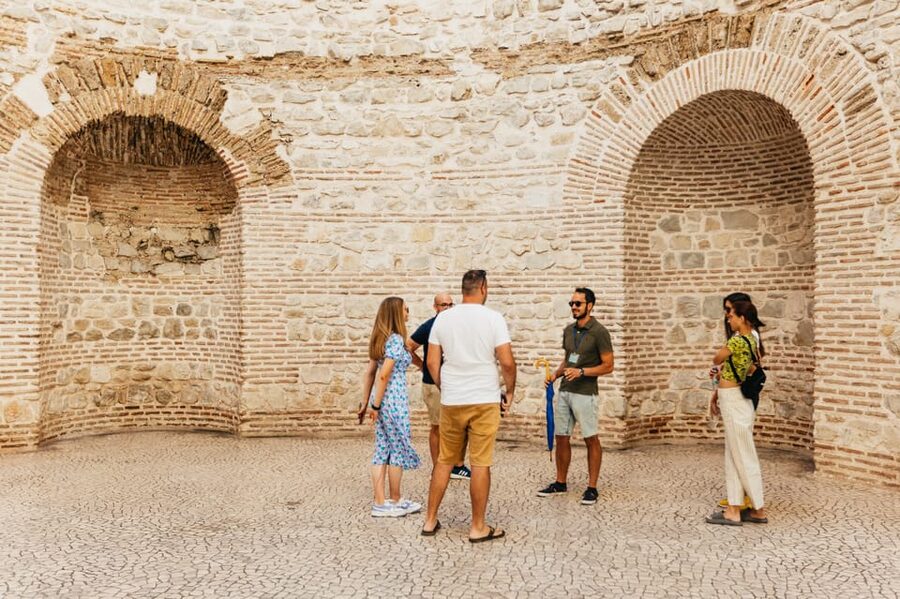
The first surprise is the palace itself. Emperor Diocletian built it in 305 CE, but what you see today is not simply a preserved Roman monument. The old town grew into and around it. Ancient walls frame later buildings, narrow passages open onto active squares, and everyday life carries on inside a place designed for an emperor.
That mix can be confusing if you walk alone. You may see a Roman arch, a medieval building, and a modern shop within a few steps and not know how the pieces fit. A good guide gives you the basic map first, then explains how Split developed around the palace.
The 90-minute walk begins at the Golden Gate and returns there after the main palace visit. That makes it easy to fit around a ferry, lunch, a beach visit, or another Split activity. It also gives you a useful orientation early in your stay. I would choose this format if you have only a day in town or want the main story without committing half a day.
The optional version extends the day to Trogir, with transport, a guided visit, and 60 minutes of free time. That is a different sort of outing. You still get the Split palace walk, but you add a smaller historic town and a short period to explore independently. One practical caution: 60 minutes is enough for a taste, not a leisurely visit, and one person wished there had been more time in Trogir.
More Diocletian's Palace Tours around Split:
- Split: Old Town and Diocletian Palace Walking Tour
★ 4.9 · 4,727 reviews - Walking Tour of Split and Diocletian’s Palace
★ 5.0 · 2,588 reviews - Split & Diocletian’s Palace Walking Tour
★ 5.0 · 1,125 reviews
Starting under Gregory of Nin at the Golden Gate
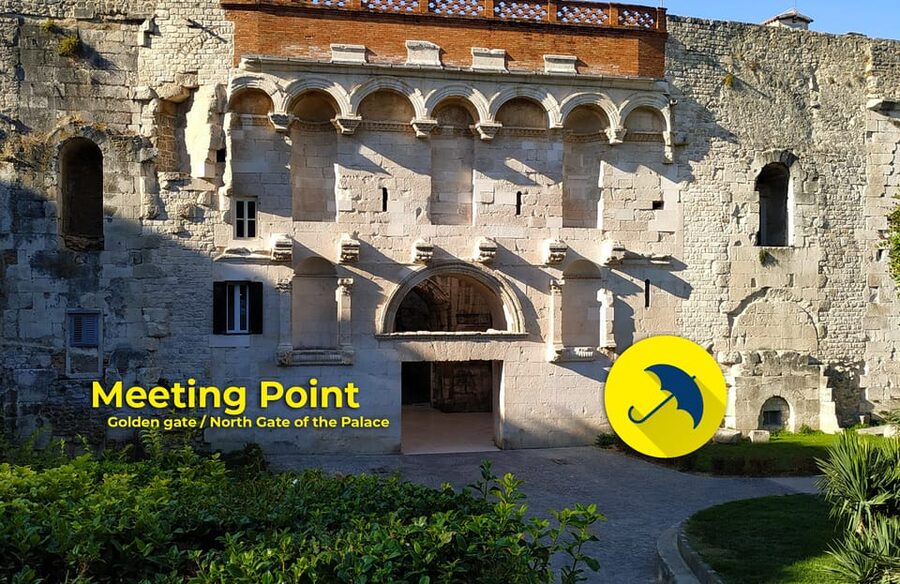
Your meeting point is below the large statue of Gregory of Nin, beside the Golden Gate. Look for the blue umbrella. This detail matters because the area can be crowded, especially when several groups gather near the same landmark. Arrive with enough time to identify your guide rather than rushing in at the start.
The statue is more than a meeting marker. Sculptor Ivan Meštrović created it in the 20th century, and the figure has become one of Split’s best-known public sights. Your guide may explain the local custom connected with touching the statue’s toe for luck. That small tradition gives the opening a friendly local note before the tour turns to Roman history.
The Golden Gate was the principal northern entrance to Diocletian’s Palace. You will look closely at the gate and consider how Diocletian would have passed through it into his retirement residence. The scale and surviving stonework give you an immediate sense that this was not a modest country villa.
This is also where the guide can set the route in context. The walk is not a museum-style presentation with one display after another. You move through streets where people still live and work. Wear comfortable shoes, since the route includes old paving and changes in level.
The Peristyle: Split’s Roman stage
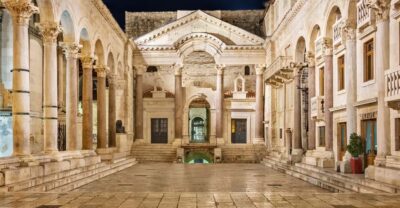
The Peristyle is the architectural high point of the walk. This courtyard formed a ceremonial approach within the palace, and its columns and stone surfaces make the emperor’s project easier to picture. Here, I want a guide who can explain not only what remains, but how the space was meant to function.
The setting also shows why Split can feel layered rather than neatly arranged. Later religious buildings and town life share the same space as Roman remains. Your guide can point out the old structure without pretending that the palace exists in its original form.
The courtyard is usually the place where the tour’s historical story becomes memorable. The guides praised most highly, including Ante, Slavko, and Jakov, are described as using humor and small facts to keep the past from becoming a list of dates. That style suits the Peristyle, where a short explanation of ceremony, power, and changing beliefs helps the stones make sense.
Crowds and heat can affect this stop. Guides have been praised for finding shade, keeping a comfortable pace, and waiting for people who fall behind. Still, you should bring sunglasses and be ready for limited shade in parts of the route. On a hot day, the pace and the guide’s choice of stopping points matter.
Saint Domnius Cathedral and the palace’s changing faiths
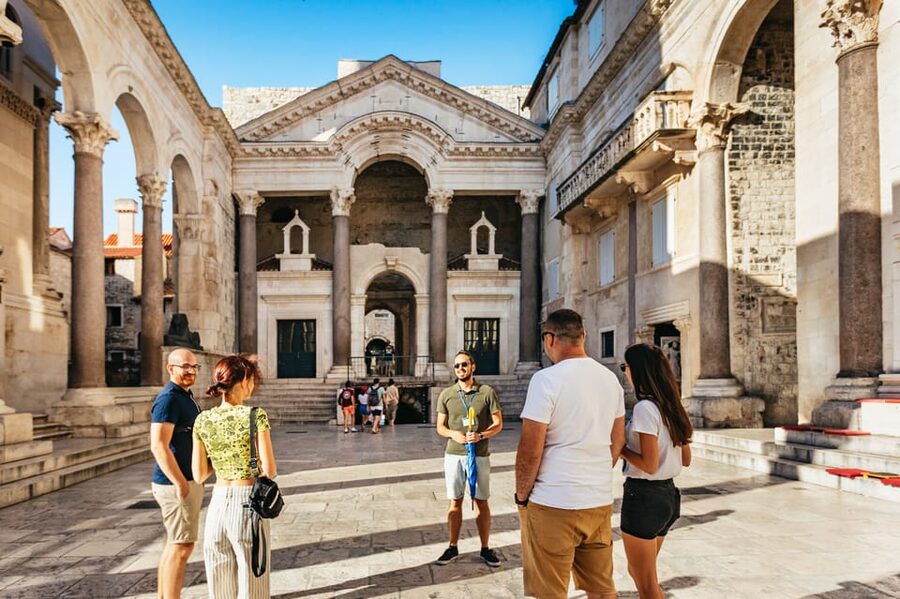
The Cathedral of Saint Domnius is another key stop. Its bell tower dates to the 12th century, and the building helps show how the palace changed after the Roman period. The old imperial setting became part of a Christian city, and the tour connects those changes rather than treating Roman and later Split as separate subjects.
This is where a good explanation can add real value. You may notice the cathedral, the bell tower, and the surrounding palace remains, but the connection between them is not always obvious at first glance. Guides have explained the rivalry between pagan and Christian traditions, along with the people and emperors who shaped the region.
Expect the guide to focus on the exterior and the surrounding historic setting during the standard walking tour. The supplied details do not promise interior admission to every sight, so do not book this expecting a cathedral visit with extensive indoor time. The value here is the context, the setting, and the way the guide links the cathedral to the palace.
If you are traveling with children, the tone should work well. Several guides have been praised for keeping younger family members interested and for making serious history light without losing the main facts. That can be especially useful in Split, where a long list of rulers and dates can quickly blur together.
More palaces to tour around Split:
- Split: Diocletian Palace & Old Town Guided Walking Tour
★ 4.7 · 882 reviews - Split: Game of Thrones Tour with Diocletian’s Palace Cellar
★ 4.8 · 545 reviews - Diocletian’s Palace and Old Town SMALL GROUP Walking Tour
★ 5.0 · 502 reviews - Split: Diocletian’s Palace Virtual Reality Experience
★ 4.4 · 308 reviews
Gregory of Nin, People’s Square, and the City Clock
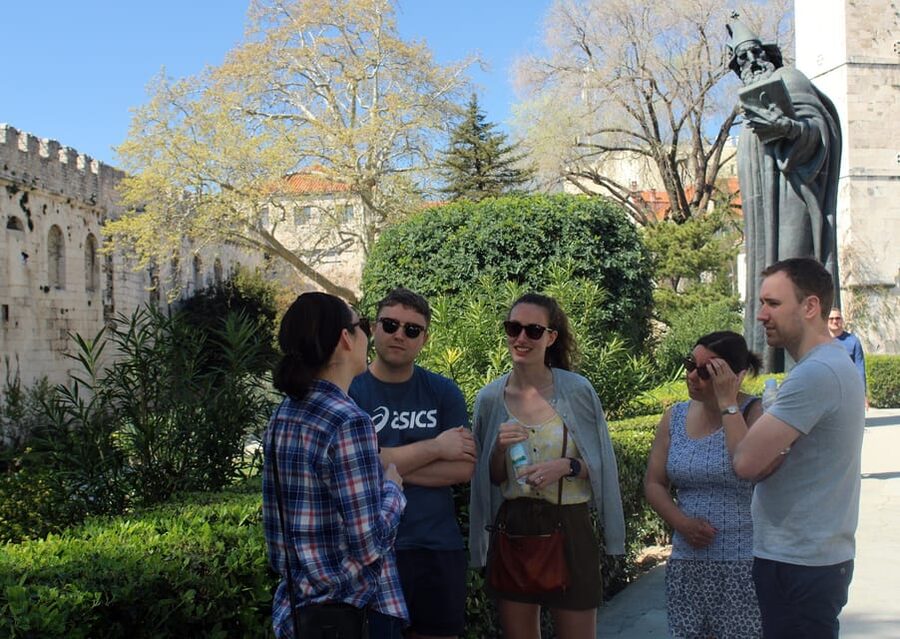
After the palace sights, the route takes in more of the old town. Gregory of Nin returns as a practical landmark, but the statue also gives you a chance to connect Split’s Roman past with its Croatian identity and public life.
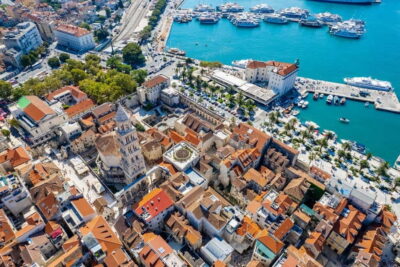
People’s Square, or Pjaca, brings a different mood. Here you see the Old Town Hall and City Clock, reminders that Split’s story continued long after Diocletian. The square helps you read the city as a working center rather than a single ancient monument.
I like this part because it broadens the tour. If the walk stayed inside the palace walls, you could leave with a good Roman overview but only a partial picture of Split. The square and surrounding lanes show how civic life developed around the imperial core.
The exact flow can vary with crowds, weather, and the guide. That is normal for a walking tour in a living old town. One guide may pause for questions, another may keep the group moving, but the main sights remain the same.
The Riva promenade and views toward the Adriatic
The walk down to the Riva gives you a change of scene. After stone lanes and enclosed palace spaces, the promenade opens toward the Adriatic Sea. It is a useful finish because you can see where the old town meets the waterfront and get your bearings for the rest of your stay.
The Riva is not just a photo stop. It gives you a clear sense of Split’s daily rhythm and its connection to the sea. You can use the promenade afterward for a drink, a meal, or a relaxed walk, although those extras are not included in the tour.
The standard route returns to the Golden Gate. That is convenient if you need to continue from the starting area, but it also means the tour does not finish at the Riva. Plan your next stop accordingly. A past outing using a different arrangement ended away from the starting point, so it is worth confirming the exact route for your selected option.
How the guides shape the experience
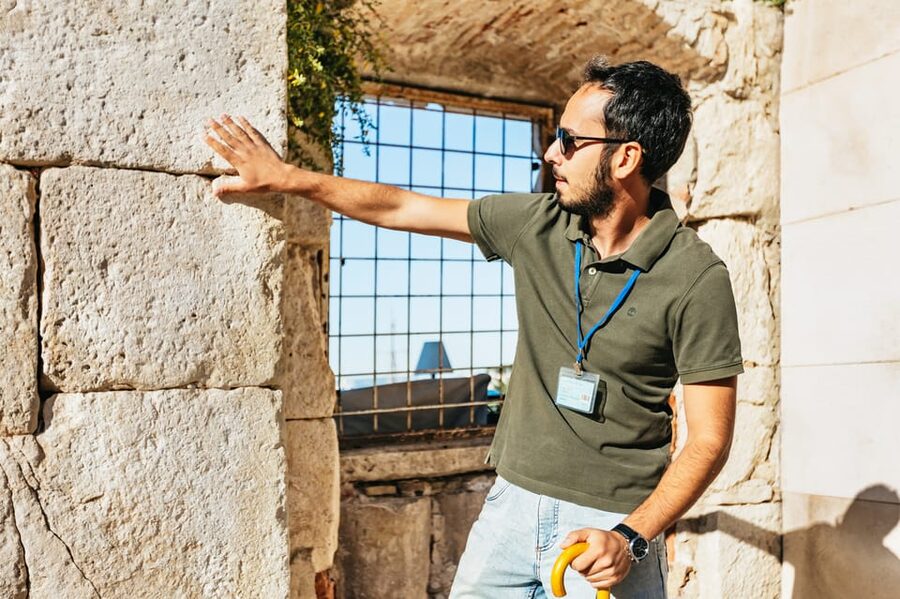
The strongest part of this tour is the guide rather than any single stop. The most praised guides have been local, energetic, and ready to answer questions without flooding you with facts. Ivana has been described as someone who grew up in the old town, while Jakov brings experience as a history and English teacher. Those personal connections can turn a standard route into a better conversation about Split.
Ante is repeatedly associated with energy, humor, and a strong grasp of the palace. Slavko is praised for explaining facts in an entertaining way and for adapting to poor weather. Antonia is described as warm, passionate, and clear. You may not receive one of these exact guides, but the pattern is useful: expect a live English-speaking guide, with the quality of the experience shaped by that person’s storytelling style.
The best guides also watch the group. In hot weather, guides have looked for shade and adjusted the pace. In rain, the tour has still been described as worthwhile, and one group was contacted about moving the start time during heavy rain. Do not count on every adjustment, but the operation appears able to respond to difficult conditions.
One minor weakness is meeting-point clarity. The Golden Gate is a logical place to start, but it can be crowded and full of tour groups. The blue umbrella is important. Check the meeting instructions before leaving and keep your phone available in case the operator needs to contact you.
Is $17 good value for Split?
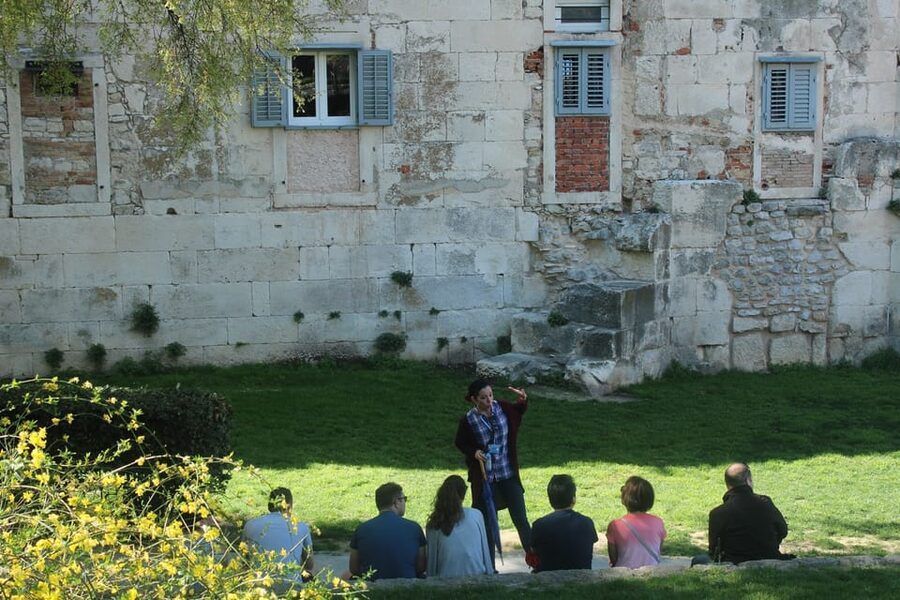
At $17 per person, the basic tour is a strong buy if you want historical context and a quick orientation. You are paying for a licensed English-speaking local guide and a focused walk through the most important parts of the old town. You are not paying for a long museum program or a private experience.
The value is highest on a first visit. Without a guide, you can see the Golden Gate, Peristyle, cathedral, squares, and Riva, but you may miss how they connect. Ninety minutes gives you a usable framework, then you can return to the places that interest you most.
The Trogir option costs more than the basic walk, though the supplied price of $17 applies to the listed activity and may not cover every variation. Check the selected option carefully. The add-on includes transport, a Trogir guide, and 60 minutes of free time, but it also makes the day longer and less flexible.
Free cancellation up to 24 hours before the start and reserve-now, pay-later booking reduce the risk of committing early. Those terms are useful if your Croatian schedule includes ferries, weather changes, or uncertain arrival times.
Who should book this Split walk?
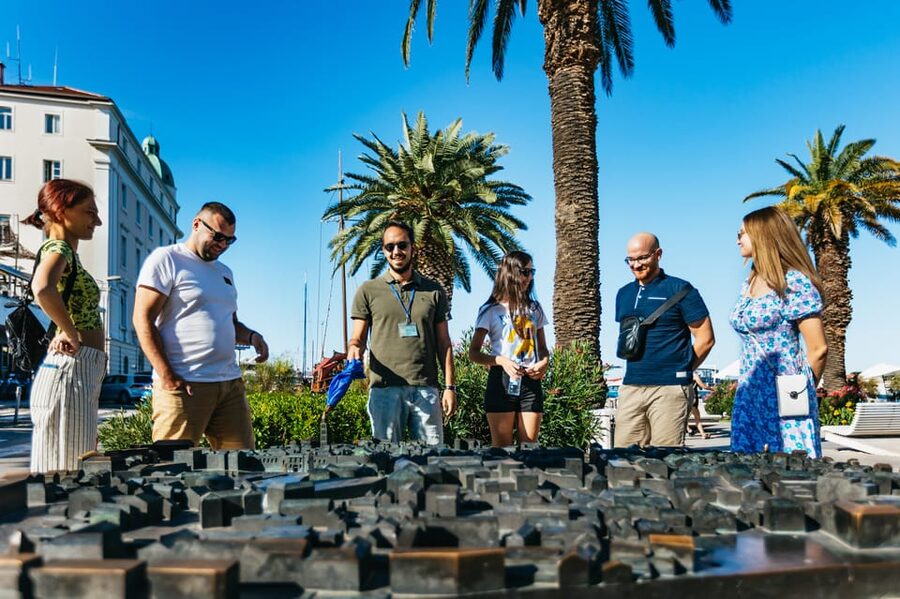
I would choose it for first-time visitors, families who want history presented in an easy style, and anyone arriving in Split without a clear sense of the old town’s layout. It also suits people who enjoy asking questions and hearing local details rather than reading plaques.
The short version works well for a cruise or a tight city schedule, provided your available time matches the selected start. The Trogir option suits you if you want a longer half-day with transport and a second historic town.
I would think twice if you need step-free access, dislike uneven streets, or want a private tour with complete control over the pace. The activity is not suitable for wheelchair users, and the public meeting area can be crowded. Bring comfortable shoes and sunglasses, and plan for hot sun or rain.
Should you book it?
Yes, if you want a reasonably priced introduction to Split that joins the Roman palace to the living city around it. The Peristyle, Golden Gate, Saint Domnius Cathedral, People’s Square, and Riva make a well-chosen route, while local guides such as Ante, Ivana, Slavko, Antonia, and Jakov have helped make the history lively and easy to follow.
Choose the 90-minute walk for orientation and value. Choose the Trogir option only if you want a longer day and accept that an hour of free time there is brief. Find the blue umbrella under Gregory of Nin, wear good shoes, and this should give you a clear start in Split.
FAQ
Where does the Split walking tour begin?
The meeting point is at the Golden Gate, below the large statue of Gregory of Nin. Look for the blue umbrella.
How long is the basic tour?
The standard guided walk lasts 90 minutes, or 1.5 hours.
How long can the extended option last?
Available options range from 90 minutes to five hours. The longer option includes Trogir.
What language is the tour offered in?
The tour is conducted in English by a live local guide.
What sights are included?
The route includes Diocletian’s Palace, the Peristyle courtyard, the Golden Gate, Saint Domnius Cathedral and its bell tower, Gregory of Nin, People’s Square, the Old Town Hall, the City Clock, and the Riva promenade.
Is Trogir included with every booking?
No. Transfer to Trogir, a guided Trogir visit, and 60 minutes of free time are included only if you select that option.
Is hotel pickup included?
Hotel pickup is not included in the standard activity. It is included if you select the private tour option.
Is the tour suitable for wheelchair users?
No. The activity is listed as unsuitable for wheelchair users.
What should I bring?
Wear comfortable shoes and bring sunglasses.
Can I cancel for a full refund?
You can cancel up to 24 hours in advance for a full refund. The reserve-now, pay-later option lets you book without paying immediately.
Fresh palace tours around Split
- Split: Private Walking Tour and Diocletian’s Palace★ 5.0 · 3 reviews
- Split: Diocletian’s Palace Private walking tour★ 5.0 · 3 reviews
- Split: Diocletian’s Palace Virtual Reality Experience★ 4.4 · 308 reviews
- Split: Jewish Heritage & Diocletian’s Palace Walking Tour★ 5.0 · 3 reviews
- Split and Diocletian’s Palace walking tour with a local guid★ 4.9 · 36 reviews
- Split: 1.5-Hour Walking Tour and Diocletian’s Palace★ 4.7 · 256 reviews
- Split: Private Walking Tour with Diocletian’s Palace★ 5.0 · 30 reviews
- Split: Old Town and Diocletian’s Palace Walking Tour★ 3.3 · 3 reviews
Diocletian's Palace Tours: the shortlist.
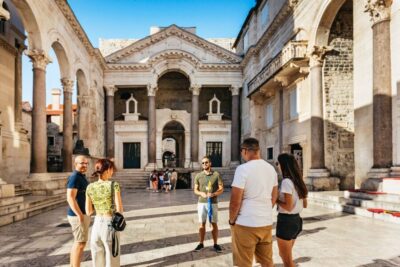
Walking Tour of Split and Diocletian’s Palace
Read our review →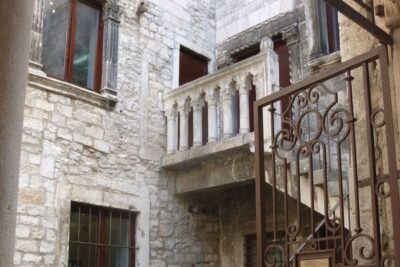
Game of Thrones Tour with Diocletian’s Palace Cellar
Read our review →
Essential Diocletian’s Palace Tour for First-Time Visitors
Read our review →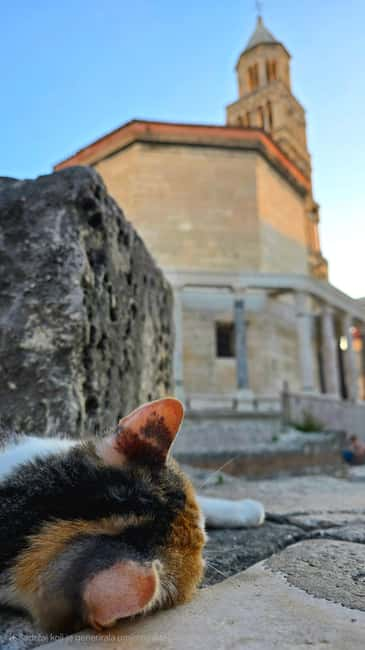
Split and Diocletian’s Palace walking tour with a local guid
Read our review →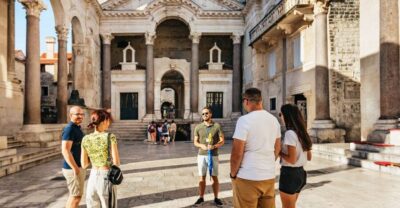
This visit also appears in