
Review · INDIA
Vadodara Palace, Champaner & Pavagad temple from Ahmedabad with guide
The most striking contrast here is the change from royal luxury to ancient ruins and a hilltop shrine in one long day. You begin at Vadodara’s grand Lukshmi Vilas Palace, then move through Champaner’s mosques and temples before climbing toward Kalika Mata Temple on Pavagadh Hill. I like the efficient route and the fact that your own group travels together with a guide. I also like that the palace visit includes admission and time to see its mosaics, chandeliers, and Raja Ravi Varma paintings.
The trade-off is simple: this is a 14-hour outing from Ahmedabad, with considerable time on the road. Pavagadh adds a ropeway ride if available on the day and roughly 100 steps afterward, so this suits you best if you want a full historical day rather than a relaxed local excursion.
Key points to know before booking
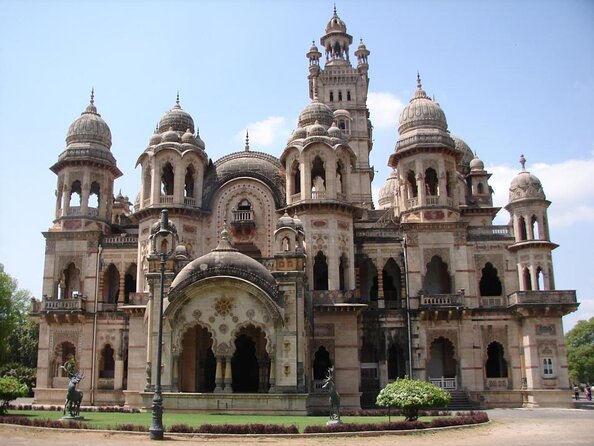
- Lukshmi Vilas Palace covers 500 acres: See grand interiors, royal art, mosaics, chandeliers, and paintings linked to Raja Ravi Varma.
- Champaner is a UNESCO World Heritage Site: Explore mosques, temples, tombs, wells, granaries, and defensive walls from different periods.
- Pavagadh’s Kalika Mata Temple requires effort: A ropeway covers much of the ascent, but you still climb about 100 steps afterward.
- Your group has private transport: Pickup and drop-off at Ahmedabad hotels are included, with no unrelated passengers joining you.
- The day starts at 7:30 am: The early departure helps fit three major sights into one itinerary, but the return may be late.
- Food is not included: Plan for your own meals during this long day, while taxes, guide service, and listed admissions are covered.
Why this Ahmedabad day trip works
Ahmedabad is a strong base for exploring Gujarat, but the best sights in this part of the state are spread out. Vadodara, Champaner, and Pavagadh are not sensible additions to a short city outing. Visiting all three by public transport in one day would require careful connections and little room for delays.
This private trip solves that problem with hotel pickup at 7:30 am and round-trip transport. You do not need to work out the route between the palace, archaeological park, and hill. You can use the drive to rest, ask questions, or watch Gujarat pass by.
I like the private format because the day includes three very different places. At the palace, you need time for architecture and art. At Champaner, a guide can help you understand why the scattered ruins belong together. At Pavagadh, local religious importance matters as much as the views and stonework.
The price is listed at $200 per person. That is not a low-cost sightseeing day, especially if you are traveling alone. But it covers a private activity, a guide, hotel transfers, taxes, handling charges, and the listed admissions. For a small group, the price can make better sense because the transport and guide costs are shared only among your party.
The trip is also booked far ahead on average, around 273 days before departure. That suggests you should reserve early if your dates are fixed, especially since confirmation is subject to availability.
More palaces to tour around India:
- Jaipur Guided City Tour: City Palace, Jantar, Hawa & Jal Mahal
★ 5.0 · 186 reviews - Tipu Palace + Koté Vishnu + Fort + KR Market + Jain Temple = Bengaluru Pété Walk
★ 5.0 · 150 reviews - Full-Day Jaipur City Tour with Amber Fort and City Palace
★ 5.0 · 99 reviews
Entering Lukshmi Vilas Palace in Vadodara
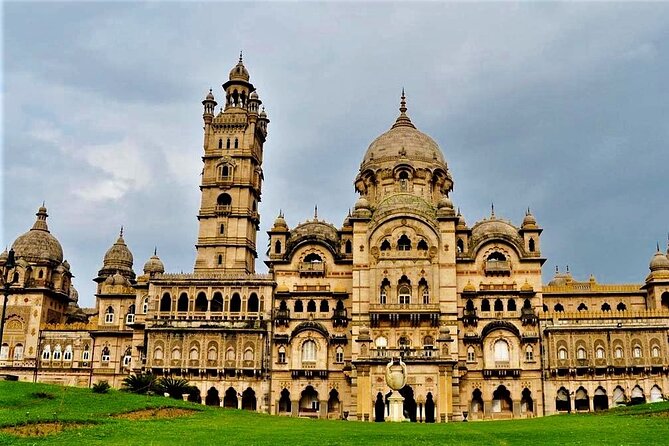
The first major stop is Lukshmi Vilas Palace, built in 1890 by Maharaja Sayajirao Gaekwad III. It remains the home of Vadodara’s royal family, which gives the visit a sense of living royal history rather than a tour of an abandoned monument.
The palace is described as covering 500 acres and as the world’s largest private home. You will not tour every part of that enormous property. The public visit focuses on the areas open for viewing, along with the surrounding grounds.
Inside, look for mosaics, chandeliers, and elaborate decoration. The art collection includes paintings by Raja Ravi Varma, one of India’s best-known painters of the late nineteenth and early twentieth centuries. Those works give the palace visit more substance than a simple walk through grand rooms.
A useful feature is the audio guide available in multiple languages. It helps you follow the palace at your own pace and adds context as you move through the rooms. Your tour guide can also frame the visit within Vadodara’s royal past, but the audio material may be the main source of detail inside the building.
The two-hour allotment is generous enough to see the main public areas without rushing. The grounds include a golf course, another reminder of the scale of the property. Still, do not expect an open-air stroll across all 500 acres. The palace is the focus, and access is limited to the parts open to the public.
This is likely the most polished stop of the day. If you enjoy royal residences, decorative arts, and nineteenth-century architecture, you may find it worth the long drive from Ahmedabad on its own. If grand interiors are not your priority, the later archaeological sites offer a more weathered and open-ended experience.
Reading Champaner’s scattered ruins
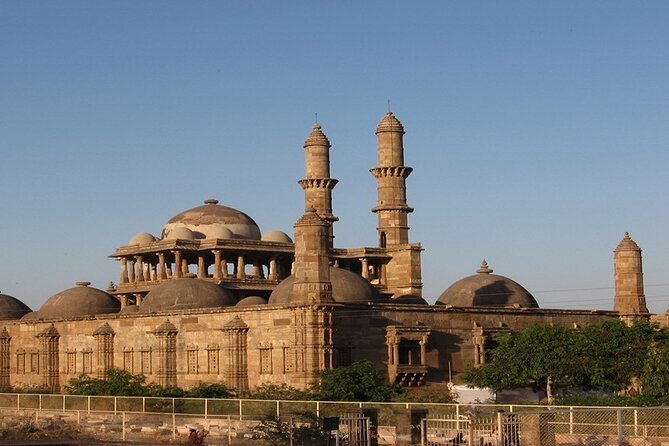
Champaner Pavagadh Archaeological Park changes the mood completely. Instead of one grand residence, you find a broad group of religious, civic, and defensive remains. The site includes mosques, temples, granaries, tombs, wells, and walls.
The city was founded in the eighth century by King Vanraj Chavda. Its later buildings reflect the political and religious changes that shaped the region. That mixture is one reason the site has UNESCO World Heritage status.
You have about one and a half hours here. That is enough to see important structures and get a sense of the site, but not enough for a slow examination of every ruin. Champaner is spread across a large area, so your guide’s choices matter. Ask which buildings you are seeing and how they fit into the wider settlement.
Jami Masjid is a major highlight. Its carved entrance porch leads into a courtyard surrounded by a pillared corridor. The building gives you a clear picture of the site’s Islamic architecture, while the nearby temples show a different design tradition.
The temples are described as examples of the Nagara style, with a garbhagriha, or inner sanctum, a mandapa, or pillared hall, and an entrance porch. These terms become easier to understand when you can see the parts in front of you. The site is valuable precisely because the buildings are not isolated museum pieces. They sit among wells, walls, tombs, and other remains that reveal how a city functioned.
The one drawback is the short visit. Champaner rewards patience, but this tour has to keep moving toward Pavagadh. You should treat the stop as a well-planned introduction rather than a full archaeological study. Wear practical shoes and be prepared for walking over uneven ground, since the attraction is an outdoor complex rather than a single climate-controlled building.
Reaching Kalika Mata Temple on Pavagadh Hill
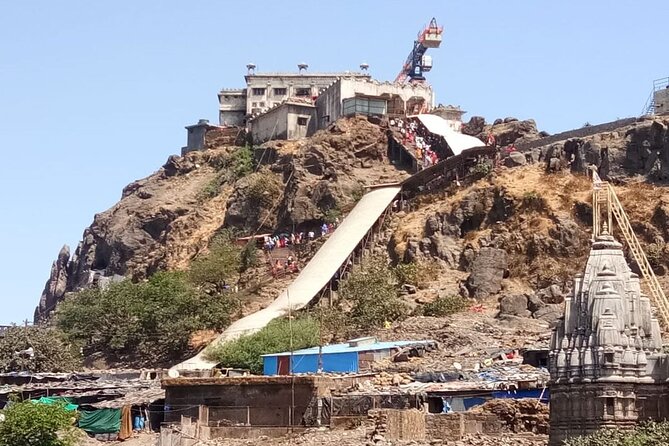
Pavagadh adds a religious destination and a physical challenge to the day. The hill became the capital of the Chauhan Rajputs around 1300. In 1484, Gujarat Sultan Mahmud Begada captured it after a two-year siege.
The most famous destination on the hill is Kalika Mata Temple. The route uses a ropeway for much of the climb, then requires about 100 steps to reach the temple. The ropeway makes the ascent far more manageable than climbing the entire hill, but it does not remove the need for stairs.
The temple stop is listed at about one hour, so time will be tight. That hour has to cover the hill approach, the ropeway, the steps, and the temple visit. Conditions at the site can affect how quickly you move, so keep your expectations practical. This is a focused visit, not an afternoon spent wandering around Pavagadh.
Pavagadh is also notable geologically. The hill is formed from reddish-yellow stone and is counted among India’s oldest rock formations. That unusual color gives the site a different character from the pale stone often associated with North Indian monuments.
You should dress and pack for an active stop. Comfortable footwear is more useful than anything formal, and you should keep water with you since food is not included in the tour. The supplied information does not specify ropeway operating conditions, so your guide will be the right person to advise you on the day.
The temple is an important reason to choose this excursion, but it may not suit everyone. If stairs, hills, or a fast-moving schedule are difficult for you, ask about the practical arrangements before booking. The general participation note says most people can take part, but that is not the same as saying the route is effortless.
Same royal city, another way in:
- Bangalore: Palace, Temples, Fort & Markets Walking Tour
★ 4.9 · 97 reviews - Old Bangalore Historical Walk thro Palace, Temples, Fort & Market
★ 5.0 · 60 reviews - Bangalore: Walking Tour of Fort, Palaces, and Market
★ 5.0 · 58 reviews - 2-Day Private Tour of Jaipur from Delhi: City Palace, Hawa Mahal and Amber Fort
★ 4.5 · 29 reviews
What the private guide adds
A private guide can make the difference between recognizing attractive buildings and understanding what you are seeing. At the palace, the guide can connect the rooms and art to the Gaekwad royal family. At Champaner, the guide can explain the relationship between the mosques, temples, wells, and walls. At Pavagadh, the guide can help place the temple within the hill’s political and religious past.
The guide is included, and the activity is limited to your own group. That gives you more control than a large shared coach tour. You can ask for clarification, spend longer at a favorite building, or move along when a site has given you enough.
The experience has been particularly praised for the guide’s role in making the long day comfortable and informative. No guide name is provided, so you cannot request a particular person based on the available details. Still, the format gives you a direct point of contact throughout the day.
The palace also has audio guidance in multiple languages. That is useful because a guided tour does not always mean every room will be explained at length. You get both a personal guide for the overall route and additional material inside the palace.
Transport, timing, and the real cost of the day
Pickup starts at 7:30 am from Ahmedabad hotels. The advertised duration is approximately 14 hours, so you should keep the whole day open. Do not schedule an evening flight, train, or fixed dinner reservation too close to the expected return.
The transport is one of the strongest practical reasons to book. You avoid arranging separate rides to Vadodara, Champaner, and Pavagadh. You also avoid returning to Ahmedabad after each stop, which would make an already ambitious route harder.
At $200 per person, value depends on your group size and priorities. A solo visitor may find it expensive compared with a single local attraction. A couple or family may see more value in having private transportation, a guide, hotel pickup, and admissions bundled into one day.
Food is not included. That matters because the day lasts roughly 14 hours. Bring money for meals, or confirm with the operator how and when food stops are handled. The supplied details do not name a restaurant or include lunch, so do not assume meals are part of the price.
The booking terms are fairly flexible if your plans change early. You can cancel for a full refund up to 24 hours before the start time. Changes or cancellations inside that 24-hour window are not accepted for a refund.
Who should book this experience?
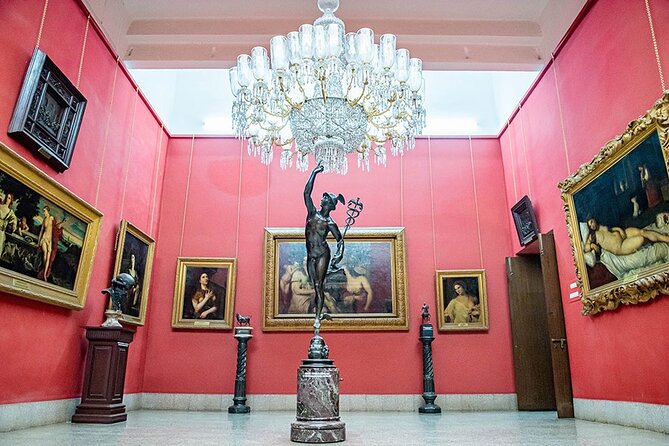
I would choose this trip if you have limited time in Gujarat and want to connect three major sights without handling the transport yourself. It suits couples, families, and small private groups who prefer a dedicated vehicle and guide.
It is especially good for you if you enjoy:
- Royal architecture and decorative interiors
- Archaeological sites with several building types
- Religious monuments and historic hill settlements
- A tightly planned day with plenty to see
- Private transport instead of a shared group excursion
I would hesitate if you want a slow pace, long meals, or extensive time at each ruin. Champaner receives only about 90 minutes, and Pavagadh about an hour. The full route is ambitious by design.
I would also think carefully if stairs or hill access are a serious concern. The ropeway covers much of Pavagadh Hill, but the final climb is about 100 steps. Most people can participate, yet the day still involves walking and a demanding schedule.
Should you book the Vadodara, Champaner, and Pavagadh tour?
Book it if you want the most efficient way to see a royal palace, a UNESCO archaeological park, and a hilltop temple from Ahmedabad in one day. The guide, private transport, hotel transfers, and included admissions remove much of the planning work.
Skip it if you prefer to explore one site slowly or dislike long road days. For the right person, the $200 price buys convenience and access to a route that would be awkward to arrange alone. For others, the packed schedule will feel like too much.
My practical advice is to reserve early, start with comfortable shoes, keep the evening free, and plan for your own food. If those conditions suit you, this is a strong heritage day trip with real variety rather than three similar stops.
FAQ
How long does the tour last?
The tour lasts approximately 14 hours.
What time does the tour start?
The scheduled start time is 7:30 am.
Where does pickup take place?
Pickup and drop-off are offered at hotels in Ahmedabad.
Is this a private tour?
Yes. Only your group participates in the activity.
Which attractions are included?
The route includes Lukshmi Vilas Palace in Vadodara, Champaner Archaeological Park, and Pavagadh Hill with Kalika Mata Temple.
Is Champaner a UNESCO World Heritage Site?
Yes. Champaner Pavagadh Archaeological Park has UNESCO World Heritage status.
Is the Pavagadh ropeway included?
A ropeway is available to cover much of the route to the temple. The tour information states that admission is included, but it does not separately explain ropeway operating conditions.
Is food included in the price?
No. Food is not included.
Can I cancel for a full refund?
Yes. You can cancel at least 24 hours before the experience start time for a full refund. Cancellations or changes made less than 24 hours in advance are not accepted for a refund.
Fresh palace tours around India
- Story of Mysore Silk tour from Bangalore to experience Silk Weaving & Palace★ 5.0 · 28 reviews
- Lalbagh+Bull Temple+Tipu Palace+Market+Lunch=Bangalore City Tour★ 5.0 · 9 reviews
- 2 Day Bandipur Safari and Mysore Palace Tour★ 4.5 · 4 reviews
- Private Tour: Bangalore City Tour Including LalBagh & Tipu Palace★ 4.0 · 4 reviews
- Individual Gujarat tour 2024-2025 (nature and palaces)★ 5.0 · 2 reviews
- Private Jaipur Tour: City Palace, Jantar, Hawa & Jal Mahal★ 5.0 · 2 reviews
- Overnight Pangong Tour From Leh With Thiksey & Shey Palace★ 5.0 · 4 reviews
- Mysore: Palace, Art Gallery & Devaraja Market Walking Tour★ 5.0 · 7 reviews
India Palace Tours: the shortlist.
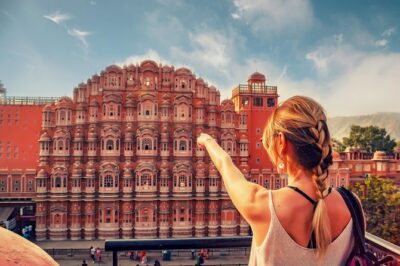
Jaipur Guided City Tour: City Palace, Jantar, Hawa & Jal Mahal
Read our review →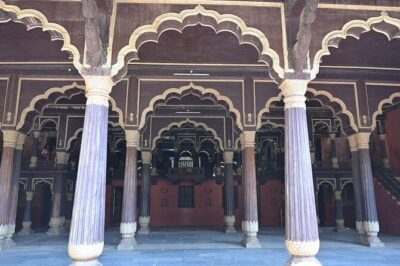
Tipu Palace + Koté Vishnu + Fort + KR Market + Jain Temple = Bengaluru Pété Walk
Read our review →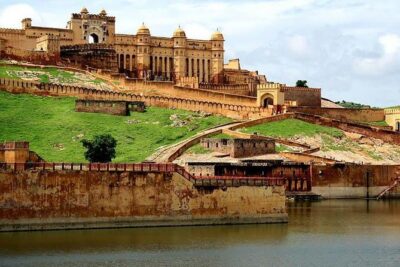
Full-Day Jaipur City Tour with Amber Fort and City Palace
Read our review →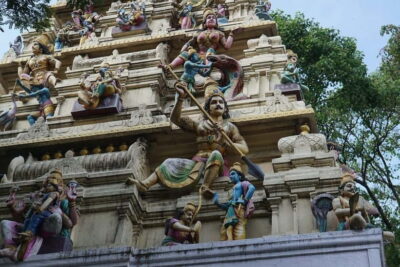
Bangalore: Palace, Temples, Fort & Markets Walking Tour
Read our review →
Old Bangalore Historical Walk thro Palace, Temples, Fort & Market
Read our review →
Bangalore: Walking Tour of Fort, Palaces, and Market
Read our review →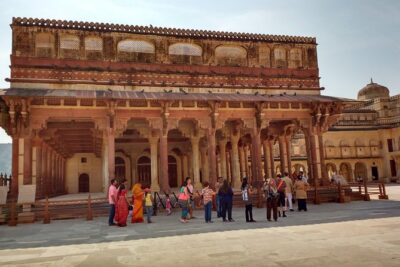
2-Day Private Tour of Jaipur from Delhi: City Palace, Hawa Mahal and Amber Fort
Read our review →
Story of Mysore Silk tour from Bangalore to experience Silk Weaving & Palace
Read our review →This visit also appears in