
Review · INDIA
Jaipur: Elephant Activities Feed, Paint & Ride with Pickup
The heart of this experience is the close contact. At a private sanctuary outside Jaipur, you can feed a rescued elephant, help scrub its skin, paint traditional patterns with plant-based colors, and settle into its slow, swaying gait if you choose a ride. It is less a quick photo stop than a hands-on visit built around animal care.
I like two things right away: private hotel pickup in an air-conditioned car makes the trip easy in Jaipur’s heat, and the session lets you choose how involved to be. You can stay with feeding and photos, or get wet helping with the shower. The main consideration is that the ride may not suit every visitor who is thinking carefully about animal welfare, so follow the mahout’s instructions and ask how the elephants are cared for before you climb aboard.
Key things to know before you book
- Feed before you paint: The session begins with snacks and gentle contact, giving you time to become comfortable around the elephant.
- Natural colors are supplied: Traditional patterns are painted with plant-based, skin-friendly colors.
- The shower is the messy part: Bring spare clothes if you plan to help wash the elephant.
- Your car stays private: Round-trip pickup and drop-off are included from listed Jaipur areas, with fuel, tolls, and taxes covered.
- The ride is optional: You can select the elephant activities that suit you instead of treating every part as compulsory.
- The wider plan is much longer: The advertised duration ranges from one hour to two days and includes city sights, Amer, and even a Ranthambore segment, so check exactly what you are booking.
Meeting the elephant outside Jaipur
Your day starts with pickup from a Jaipur hotel or another agreed location in the city. Listed pickup areas include Jaipur, Bani Park, Banipark, Mansarovar, and Kookas. The spelling varies in the pickup list, so confirm your exact address when you reserve.
The private, air-conditioned car is a real advantage. Jaipur can be hot, dusty, and tiring, especially after walking through forts and palace courtyards. You also avoid the bother of arranging a taxi for the trip out and back. A bottle of water is included, but meals and other drinks are not.
At the sanctuary, a naturalist guide introduces you to the elephant and explains how to approach and handle the animal. This first meeting matters. Elephants are large, strong animals, and the best photographs come after the elephant is calm and you are calm too. You can offer food, touch the elephant, and pose for pictures, but you should let the caretaker set the pace.
The experience is private, so you are not being pushed through a line of people waiting for the same photograph. That gives you more time for small moments: holding out a snack, standing beside the elephant, or waiting for a trunk to reach toward you. The guide can help with photographs and short videos, including close shots of feeding and trunk contact.
More halls, courtyards and throne rooms open around India:
- Jaipur Guided City Tour: City Palace, Jantar, Hawa & Jal Mahal
★ 5.0 · 186 reviews - Tipu Palace + Koté Vishnu + Fort + KR Market + Jain Temple = Bengaluru Pété Walk
★ 5.0 · 150 reviews - Full-Day Jaipur City Tour with Amber Fort and City Palace
★ 5.0 · 99 reviews
Feeding and bonding before the camera comes out
Feeding is the simplest part of the visit, but it is also a useful introduction. You get to see how the elephant responds to you without immediately trying to pose it or climb on it. If you are nervous around such a large animal, start here and take your time.
The supplied description specifically encourages feeding, hugging, and bonding. That does not mean you should force contact. Let the mahout, or elephant caretaker, show you where to stand and how to offer food. Follow instructions closely, especially around the animal’s feet, trunk, and head.
Photography is a major part of the visit. You have plenty of chances for portraits, candid shots, and short videos, and your guide can help capture them. Bring a phone with enough battery and storage. The experience includes photography opportunities, not a stated package of professionally edited photos, so do not assume a separate photographer or printed images are included.
This is a good activity for couples, families, and anyone who wants an animal encounter with more participation than simply watching from a distance. It also works for solo visitors because the guide can help with pictures.
Painting with plant-based colors
Once you have spent time feeding the elephant, you can take part in the painting activity. You use natural, plant-based colors described as safe for the elephant’s skin. The designs draw on traditional Rajasthani elephant painting, giving the activity a local cultural element rather than making it only a modern photo opportunity.
The colors are intended to be skin-friendly, but you should still listen to the guide and avoid putting paint near the elephant’s eyes, mouth, or other sensitive areas. Wear clothing that can handle a little color. The advice to choose comfortable clothes you do not mind getting dirty is practical, not decorative.
Painting is likely to appeal most to families and people who enjoy making something together. It also gives you a quieter activity between feeding and washing. Expect an informal, guided session rather than a formal art class with a set lesson plan. The point is the interaction and the pattern-making, not producing a perfect design.
The elephant shower is the most hands-on part
The washing session is the activity that requires the most preparation. You may help scrub and shower the elephant as part of its daily care. Water, movement, and splashing make this the most playful part of the visit, but they also make it the easiest place to end up soaked.
Bring a spare set of clothes if you plan to take part. Wear practical shoes and avoid anything delicate. The available information does not specify changing-room arrangements, so pack your dry clothes in a small waterproof bag and ask your driver or guide what facilities are available when you arrive.
This activity has a useful practical side. You are not only touching the elephant for a picture. You are helping with a routine care task. Still, the elephant’s comfort comes first. Let the caretaker tell you where to scrub, when to stop, and how close to stand.
The shower may be the best choice if you want an active visit without riding. It gives you a memorable way to interact with the elephant while keeping your feet on the ground.
Same royal city, another way in:
- Bangalore: Palace, Temples, Fort & Markets Walking Tour
★ 4.9 · 97 reviews - Old Bangalore Historical Walk thro Palace, Temples, Fort & Market
★ 5.0 · 60 reviews - Bangalore: Walking Tour of Fort, Palaces, and Market
★ 5.0 · 58 reviews - 2-Day Private Tour of Jaipur from Delhi: City Palace, Hawa Mahal and Amber Fort
★ 4.5 · 29 reviews
Choosing the optional ride
A gentle ride is available for people who want to experience an elephant’s slow, rhythmic gait. The wording describes the ride as an option, and the activity cost is tied to the elephant activities you select. Confirm the exact combination and price at booking rather than assuming every activity is bundled in the $27 headline price.
This is the point where I would make your personal decision carefully. The sanctuary describes the elephants as rescued, and the visit includes a naturalist guide and mahout. That is encouraging, but the supplied information does not give a detailed welfare policy, veterinary record, riding limit, or explanation of each elephant’s rescue background.
If you choose to ride, follow every instruction from the caretaker. Do not treat the elephant as a prop. Keep your movements calm, listen when you are told to mount or dismount, and accept that the elephant’s needs come before your photograph. If you are unsure, feeding, painting, and washing offer plenty of contact without adding a ride.
How the longer Jaipur plan fits in
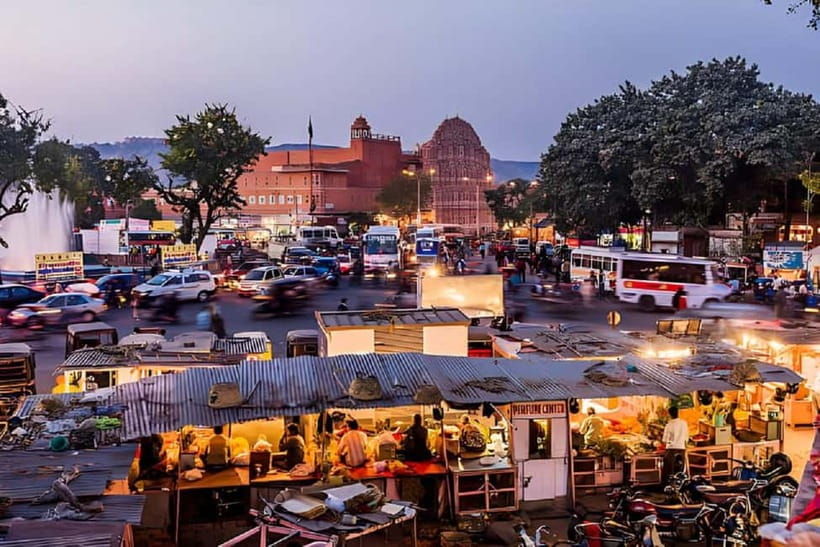
The core elephant session is presented as a one-hour to two-day activity, depending on the option you select. The wider itinerary is much more ambitious than a simple sanctuary visit. It lists Jaipur’s major sights, a viewpoint, a local shopping stop, lunch, Amer, Panna Meena ka Kund, and a three-and-a-half-hour guided segment at Ranthambore National Park.
That range matters. A one-hour elephant activity and a two-day Jaipur and Ranthambore plan are very different products. Check the selected duration, pickup time, and included stops carefully before paying. If your priority is the elephants, you may prefer a shorter private transfer and sanctuary session. If you want a full Jaipur introduction, the expanded plan may make better use of your car and guide.
The city portion includes several of Jaipur’s essential sights:
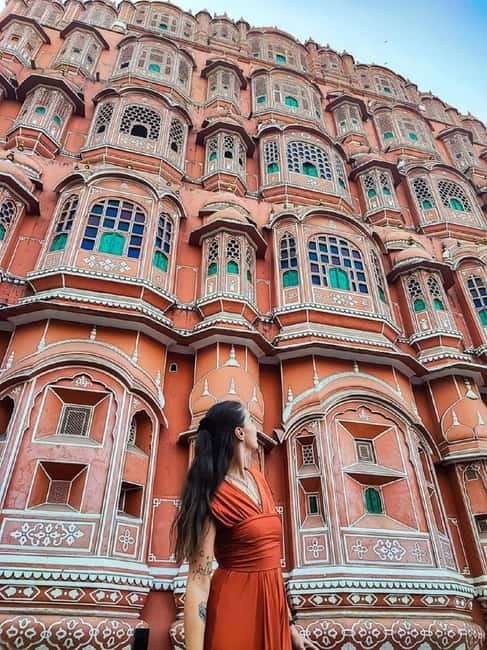
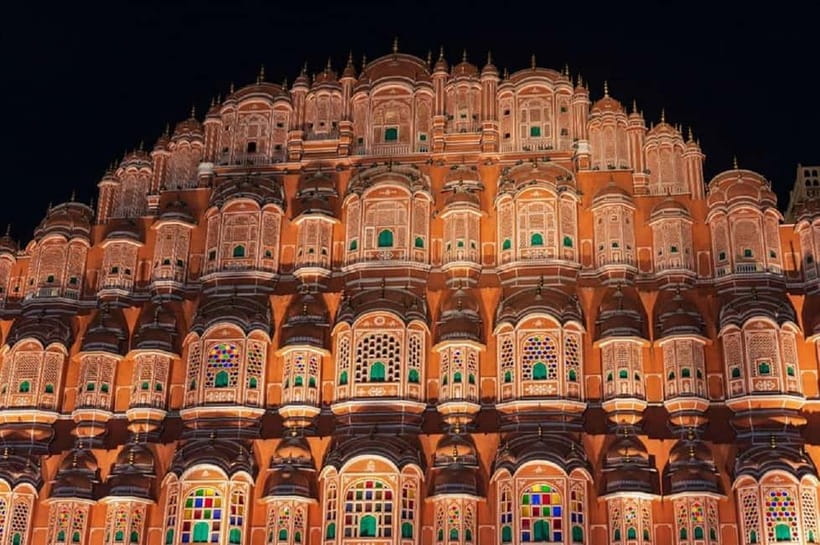
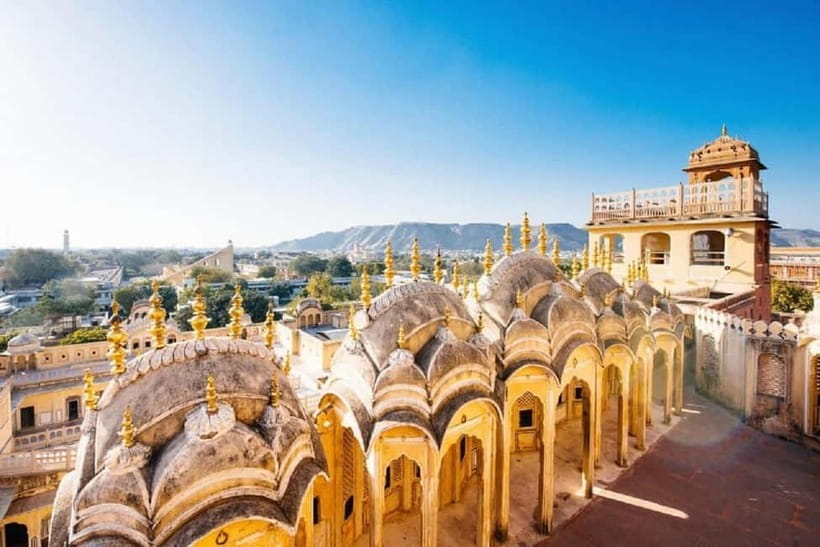
- Hawa Mahal: You receive a guided visit to Jaipur’s famous facade. Its honeycomb of windows is one of the city’s most recognizable views, though the stop can be busy and brief depending on the wider schedule.
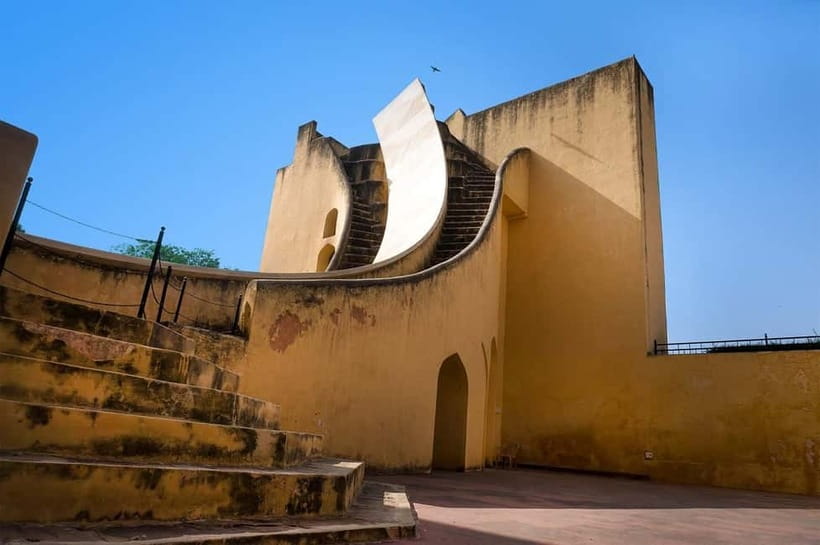
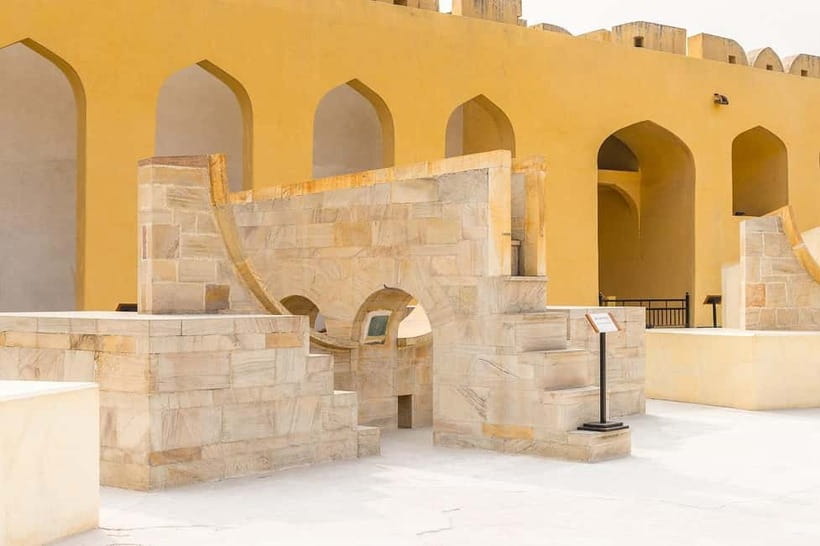
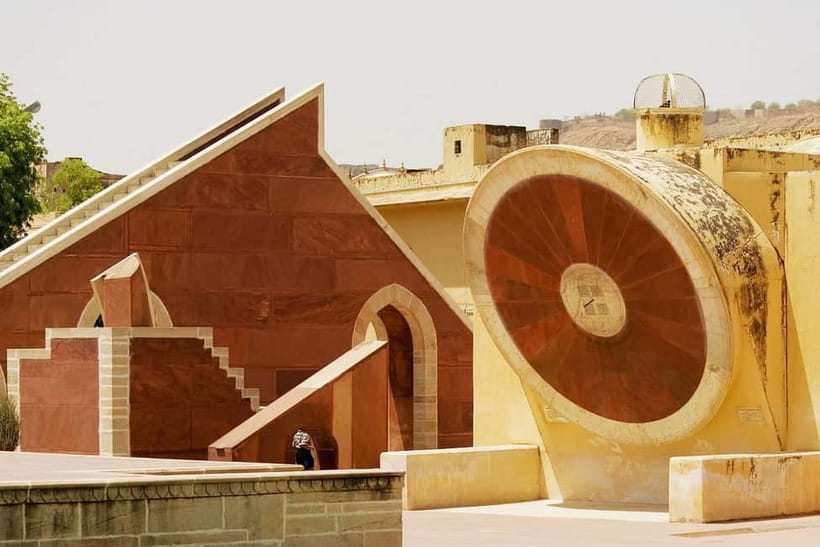
- Jantar Mantar: This astronomical complex is best with a guide because its giant instruments are easier to understand when someone explains how they measure time and celestial movement.
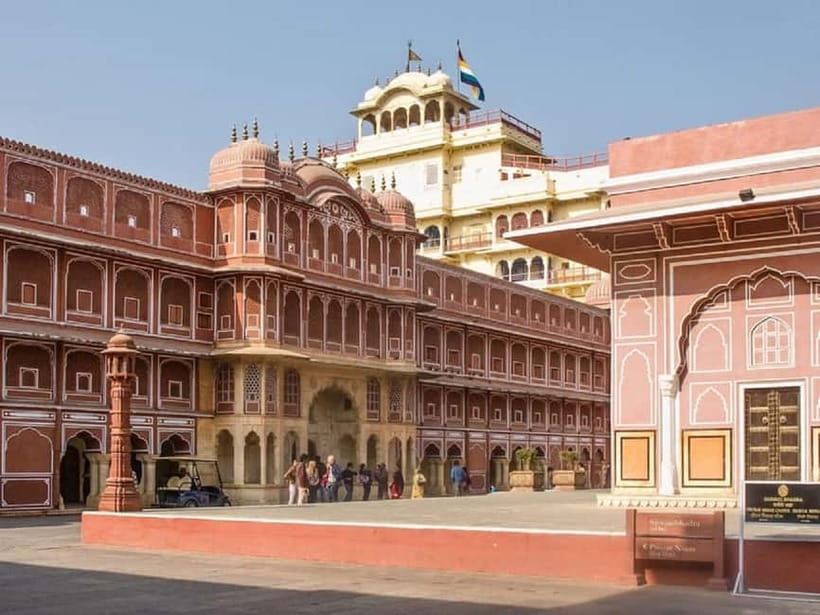
- City Palace: The palace visit adds royal interiors, courtyards, and a sense of Jaipur’s courtly past. It is a substantial sight, so ask how much time is allocated if you also want the elephant session.
- Viewpoint: A 15-minute guided sightseeing stop offers a quick look across Jaipur. It is useful for orientation, but it is not a long scenic break.
- Jal Mahal: The water palace is listed as a 30-minute photo stop and visit. You generally appreciate it from the lakeside rather than as a long interior tour, so keep expectations focused on the view and photographs.
- Local stop and shopping: A 30-minute visit includes a lesser-known local stop, shopping, and a guided look around. This can add a more everyday side of Jaipur, but shopping stops are worth handling at your own pace.
- Lunch in Jaipur: Lunch is allocated 30 minutes, but the meal itself is not included. Plan to pay for your own food and drinks.
- Amer: The fort area receives about 90 minutes of guided sightseeing. This is one of the strongest cultural parts of the wider day, though you will want more time if you prefer to explore every courtyard slowly.
- Panna Meena ka Kund: The stepwell visit is listed for about an hour. Its geometric stairs make it a strong photography stop and a useful companion to Amer.
- Ranthambore National Park: A three-and-a-half-hour guided segment appears in the longer plan. This is not a small add-on to an elephant visit, so verify whether it is part of your chosen booking and how transportation is arranged.
This broad plan can be useful if you have limited time in Rajasthan, but it can also feel packed. Jaipur’s monuments deserve time, and the sanctuary session is more enjoyable when you are not watching the clock. I would avoid assuming that every listed stop belongs to the one-hour version.
Guide style and what to expect from the people
The activity lists English and Hindi support, a private group, and a naturalist guide at the elephant village. The driver also speaks English and Hindi. For the Jaipur sightseeing portions, Jeet is described as humorous, proud of Jaipur, and good at mixing famous monuments with less familiar local streets. Najish is also named as an excellent guide for palace visits, history, culture, and architecture.
Those comments point to a useful difference: the city guide and the sanctuary naturalist may not be the same person. Jeet’s strengths are described in relation to Jaipur sightseeing, while the elephant visit specifically includes a naturalist guide. Confirm who will accompany each part if that matters to you.
The strongest part of the guiding style is personal attention. Jeet has been described as flexible with start times, patient when a pickup point was confusing, and willing to show local daily life beyond the palaces. That kind of flexibility is helpful in a private itinerary, especially when weather or energy changes your plan.
Is $27 good value?
At $27 per person, the price looks attractive for a private experience that includes hotel or airport pickup, an air-conditioned vehicle, entrance to the Elephant Village, selected elephant activities, a naturalist guide, fuel, tolls, taxes, and a water bottle. You are paying for transport and access as well as the animal session.
The value depends on what you select. The headline price is not a guarantee that every possible activity, meal, or optional ride is included, so confirm the activity combination. Meals, drinks, and personal expenses are extra.
For a solo visitor, the private car makes the price especially useful because you are not arranging separate transport. For a couple or family, the cost can compare well with booking a car, driver, entrance fee, and animal activity separately. It is less compelling if you only want a brief elephant encounter and already have reliable transport.
Free cancellation up to 24 hours before the activity and a reserve-now, pay-later option add flexibility. The exact starting times vary by availability.
Practical packing and comfort advice
Wear loose, comfortable clothing that can get dirty or wet. Take a spare outfit if you plan to wash the elephant, and use a bag that keeps dry clothes separate from wet ones.
Bring water beyond the complimentary bottle if you are also taking the longer city itinerary. Since lunch and drinks are not included, carry payment for food and personal purchases.
The activity is listed as wheelchair accessible, but the sanctuary’s individual surfaces and access points are not described in detail. If you use a wheelchair, confirm the exact route and facilities before booking. The private group format may make coordination easier, but the elephant activity itself involves uneven, wet, or outdoor areas.
Who should book this experience?
You should consider it if you want:
- A private, door-to-door visit rather than a shared outing
- Hands-on contact with elephants
- A choice between gentle interaction and more active washing or riding
- Plenty of photographs without a large group around you
- A Jaipur day that can include major sights, local streets, Amer, and Panna Meena ka Kund
- A guide who can add local context to the city portion
You may want something else if you prefer a strict animal-welfare program with published care standards, no riding, or a clearly defined short schedule. You may also find the expanded itinerary too full if you want slow visits at Jaipur’s monuments.
Should you book the Jaipur elephant experience?
Book it if the main appeal is a private, easy-to-arrange elephant encounter with feeding, natural-color painting, washing, and optional riding. The private car, naturalist guide, and flexible activity choices give you more control than a standard group stop, and the $27 starting price can offer good value when transport and entry are included.
Before booking, confirm three things: which elephant activities are covered, whether you want the ride, and whether your reservation is for the short sanctuary visit or the much longer Jaipur and Ranthambore plan. If you are comfortable with those details and prepared for wet clothes, this is a practical way to add an animal-focused day to a Jaipur stay.
FAQ
Where does the elephant experience take place?
It takes place at a private elephant sanctuary in the Jaipur area, described as the Elephant Village.
What elephant activities are available?
You can feed, hug, paint, wash, shower, photograph, and optionally ride the elephant. The selected activities can be customized.
Are the painting colors safe for the elephant?
The experience uses natural, plant-based colors described as organic and skin-friendly.
Is transportation included?
Yes. Hotel, airport, and other listed pickup and drop-off services are included in a private air-conditioned vehicle.
Which Jaipur pickup areas are listed?
Pickup options include Jaipur, Bani Park or Banipark, Mansarovar, and Kookas.
Is a guide included?
Yes. A naturalist guide is included at the Elephant Village. English and Hindi are listed as available languages, and the driver speaks English and Hindi.
Are meals and drinks included?
No. Meals and drinks are not included. A complimentary water bottle is provided.
What should I wear?
Wear comfortable clothing that you do not mind getting dirty or wet. Bring a spare outfit if you plan to join the shower activity.
Can I cancel the booking?
You can cancel up to 24 hours in advance for a full refund. A reserve-now, pay-later option is also available.
Fresh palace tours around India
- Story of Mysore Silk tour from Bangalore to experience Silk Weaving & Palace★ 5.0 · 28 reviews
- Lalbagh+Bull Temple+Tipu Palace+Market+Lunch=Bangalore City Tour★ 5.0 · 9 reviews
- 2 Day Bandipur Safari and Mysore Palace Tour★ 4.5 · 4 reviews
- Private Tour: Bangalore City Tour Including LalBagh & Tipu Palace★ 4.0 · 4 reviews
- Individual Gujarat tour 2024-2025 (nature and palaces)★ 5.0 · 2 reviews
- Vadodara Palace, Champaner & Pavagad temple from Ahmedabad with guide★ 5.0 · 2 reviews
- Private Jaipur Tour: City Palace, Jantar, Hawa & Jal Mahal★ 5.0 · 2 reviews
- Overnight Pangong Tour From Leh With Thiksey & Shey Palace★ 5.0 · 4 reviews
India Palace Tours: the shortlist.
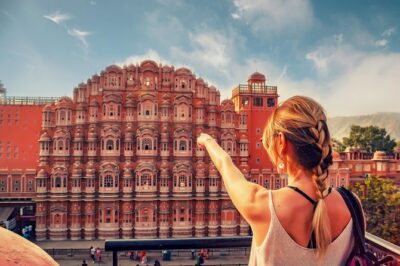
Jaipur Guided City Tour: City Palace, Jantar, Hawa & Jal Mahal
Read our review →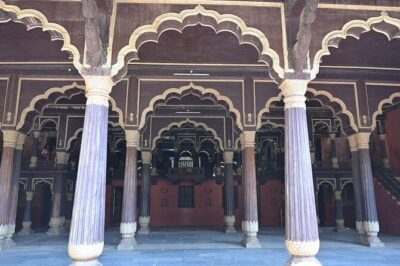
Tipu Palace + Koté Vishnu + Fort + KR Market + Jain Temple = Bengaluru Pété Walk
Read our review →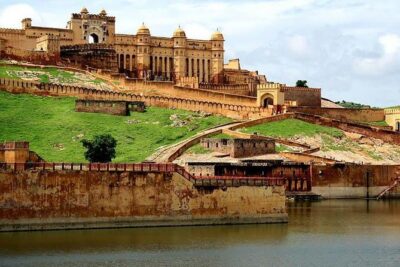
Full-Day Jaipur City Tour with Amber Fort and City Palace
Read our review →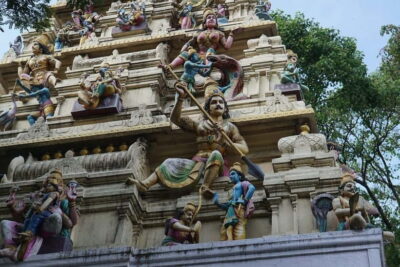
Bangalore: Palace, Temples, Fort & Markets Walking Tour
Read our review →
Old Bangalore Historical Walk thro Palace, Temples, Fort & Market
Read our review →
Bangalore: Walking Tour of Fort, Palaces, and Market
Read our review →
2-Day Private Tour of Jaipur from Delhi: City Palace, Hawa Mahal and Amber Fort
Read our review →
Story of Mysore Silk tour from Bangalore to experience Silk Weaving & Palace
Read our review →This visit also appears in