
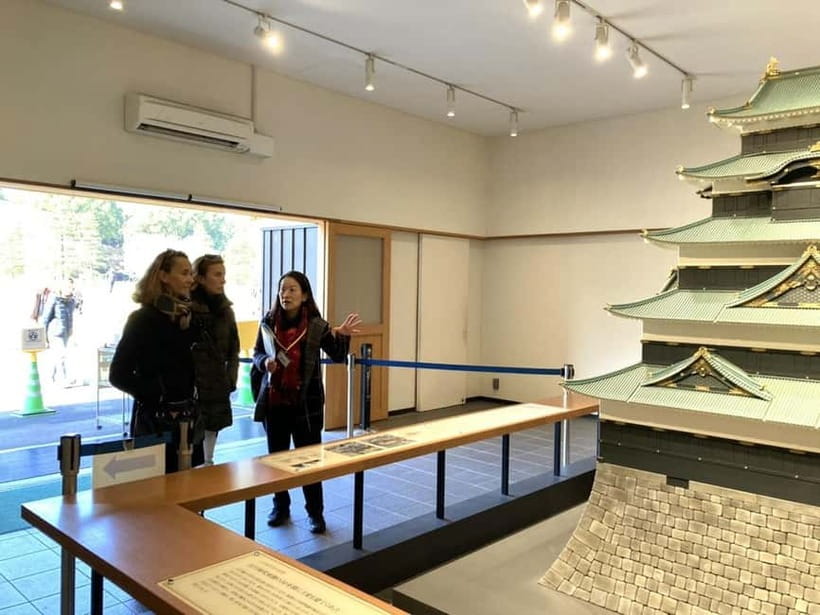
Review · TOKYO
Tokyo: Pvt. Tour – Edo Castle & Imperial Palace East Gardens
Edo Castle once held Japan’s shogun at the center of political power. Today, its stone walls, moats, garden paths, and surviving ruins sit beside modern Tokyo. This private two-hour walk gives you a clear way to read that contrast, with an English-speaking guide at your side.
I like the private format, which lets you set a comfortable pace and ask direct questions. I also like the garden’s changing character: cherry blossoms in spring, irises in summer, and autumn leaves later in the year. The main consideration is simple: you cannot enter the Imperial Palace itself, and seasonal flowers may not be at their best on the day you visit.
Key points to know before you book
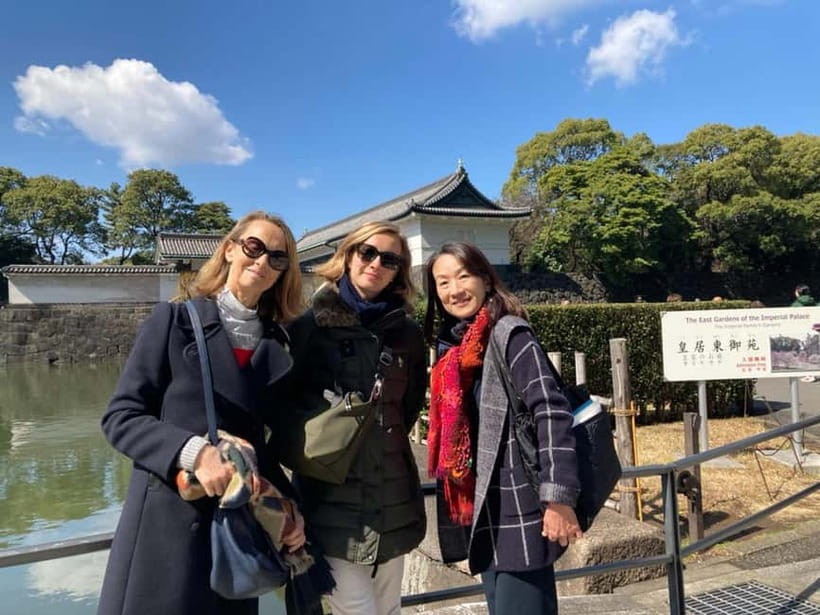
- Edo Castle history in the middle of Tokyo: See old stone walls, moats, the Main Gate, and the site of the former keep.
- A private English-language tour: Your guide can adjust the pace and answer your questions instead of following a large group.
- Ninomaru Garden changes with the seasons: Expect cherry blossoms, irises, or autumn color depending on your dates.
- A useful meeting point: Meet at the Starbucks in Wadakura Fountain Park, about three minutes from Otemachi Station, Exit D2.
- The Imperial Palace interior is off limits: This experience visits the East Gardens only.
- Pack with palace security in mind: Expect a baggage inspection, and leave knives or similar purchases in a coin locker before meeting.
Why Edo Castle is the real story here
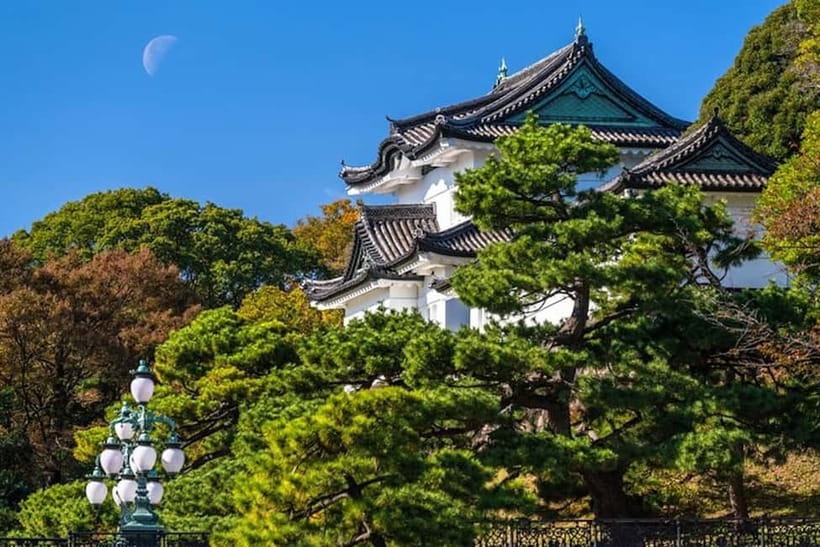
The most interesting part of this visit is not a palace room. It is the evidence left behind after Edo Castle served as the seat of the shogun.
You walk among massive stone walls, moats, and the remains of a vast castle complex. These are not decorative ruins placed in a museum. They form part of the present-day grounds, so you can see how military power once occupied the same central Tokyo area that now hums with offices, rail lines, and government buildings.
A guide helps turn stones into a story. Without context, a wall can look like a wall. With an explanation of the Edo period, castle life, and the role of the shogun, the scale of the site becomes easier to grasp.
I especially value the chance to connect Japan’s feudal past with its modern capital. The East Gardens are not simply a pretty green break. They show how authority, defense, ceremony, and garden design came together in one enormous compound.
More Palace Gardens and Grounds in Tokyo:
- Tokyo: Imperial Palace East Gardens Walking Tour
★ 4.8 · 353 reviews - Tokyo: Edo Castle & East Garden of the Imperial Palace Tour
★ 4.7 · 112 reviews - Tokyo: Imperial Palace East Gardens and Tokyo Station Tour
★ 5.0 · 16 reviews
Meeting at Wadakura Fountain Park
Your starting point is Wadakura Fountain Park. Look for the guide holding a sign that says gotcha. The meeting point is about a three-minute walk from Tokyo Metro Otemachi Station Exit D2, or roughly ten minutes from Tokyo Station’s Marunouchi Central Exit.
That location works well if you are already sightseeing around Tokyo Station or Marunouchi. It is also easy to fit into a day that includes the station’s red-brick exterior, nearby department stores, or the business district.
Give yourself a little extra time to find the exact spot. The guide is not meeting you inside the station, and large Tokyo stations can make even a short walk feel longer than expected.
You will meet an English-speaking guide and then enter the East Gardens as a private group. The format suits families and couples who want to stop for questions, take photographs, or move at a pace that feels comfortable.
The Main Gate and the first look at old Tokyo
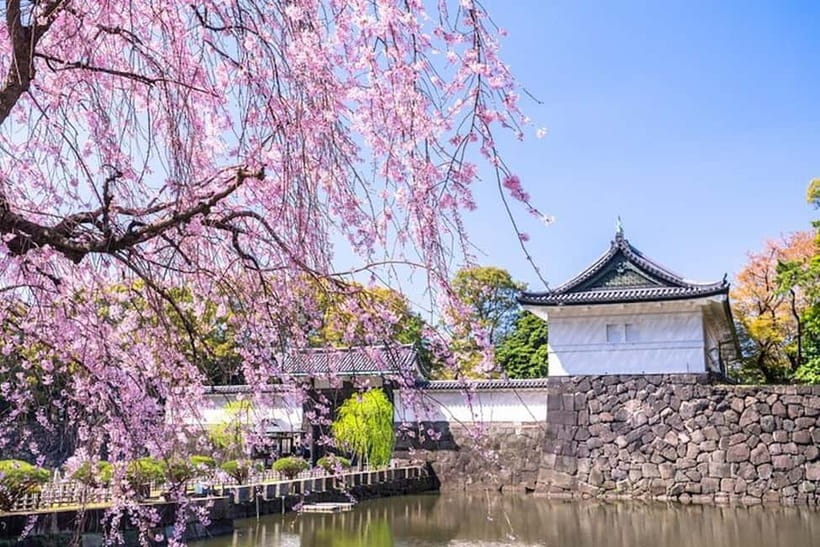
The tour includes the historic Main Gate, with its traditional guardhouse and a visible mix of old and new security arrangements. This is a useful first stop because it shows how the grounds function today while retaining links to their former role.
The gate gives you an immediate sense of transition. You are entering a protected imperial site, but you are also entering a historic castle compound that once required serious defense.
That contrast gives the walk its character. You may see contemporary security procedures near structures and walls that belong to an entirely different age. The setting feels calm, but the site was built around control, access, and power.
At the entrance, visitors are subject to a baggage inspection. Keep your belongings easy to check, and avoid arriving with anything that could create a problem at security.
A particularly useful tip concerns Japanese knives and other items that could be used as weapons. If you buy such an item earlier in the day at Tsukiji, Asakusa, or elsewhere, leave it in a coin locker or similar storage before the meeting.
Edo Castle ruins and the scale of the shogun’s stronghold
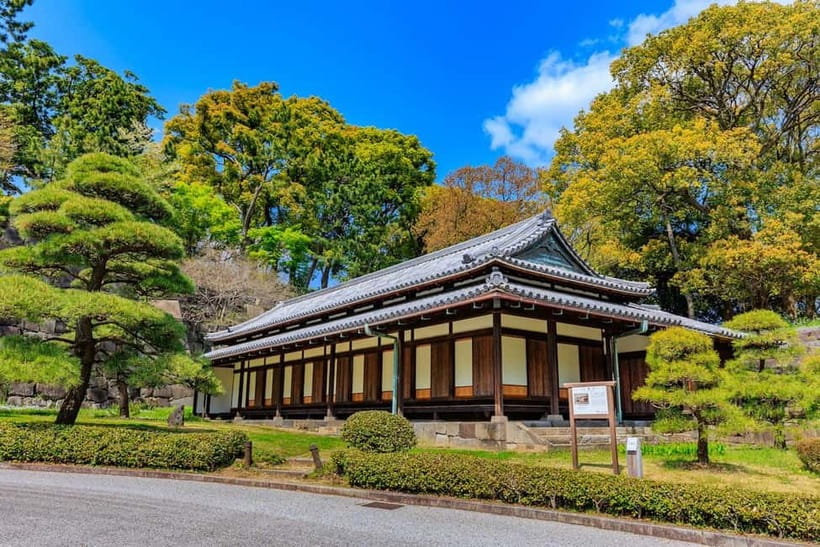
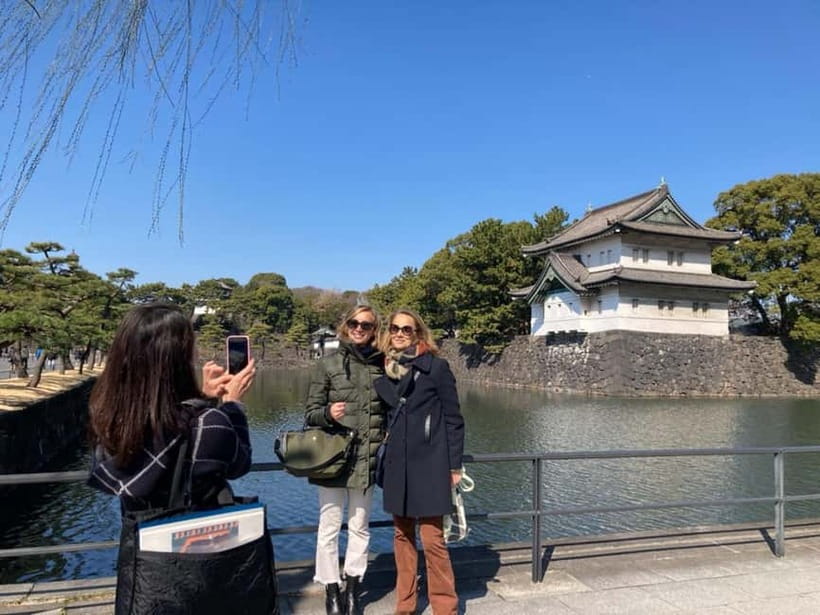
The castle ruins are the historical heart of the walk. You will see old stonework, moats, and the remains of a massive keep. The surviving pieces make it possible to picture a much larger complex than what remains above ground today.
This is where the guide’s role matters most. The site does not present its story in a single, tidy sequence. Your guide can point out what you are seeing and explain how the castle related to the shogun’s rule.
The walking route is leisurely rather than a rushed checklist. Guides have adjusted the pace for families and have made room for questions about the buildings, former residents, gardens, and palace grounds.
Masahito, one of the guides, was praised for walking at his group’s pace and for finding an answer quickly when a question needed extra research. That kind of response is valuable on a historical site, where your most interesting question may not be part of a standard speech.
You should not expect grand castle interiors. The appeal comes from the setting, the surviving stone construction, and the stories that help you understand what stood here.
More Royal Palace Tours around Tokyo:
- Tokyo: Imperial Palace and Shogun Historical Walking Tour
★ 5.0 · 2,251 reviews - Tokyo Castle & Imperial PalaceーShogun Walking Tour
★ 4.7 · 1,068 reviews - Tokyo: Imperial Palace Japanese History Walking Tour
★ 4.9 · 987 reviews - Tokyo: Imperial Palace and Shogun Walking Tour
★ 4.9 · 935 reviews
Ninomaru Garden and the changing seasons
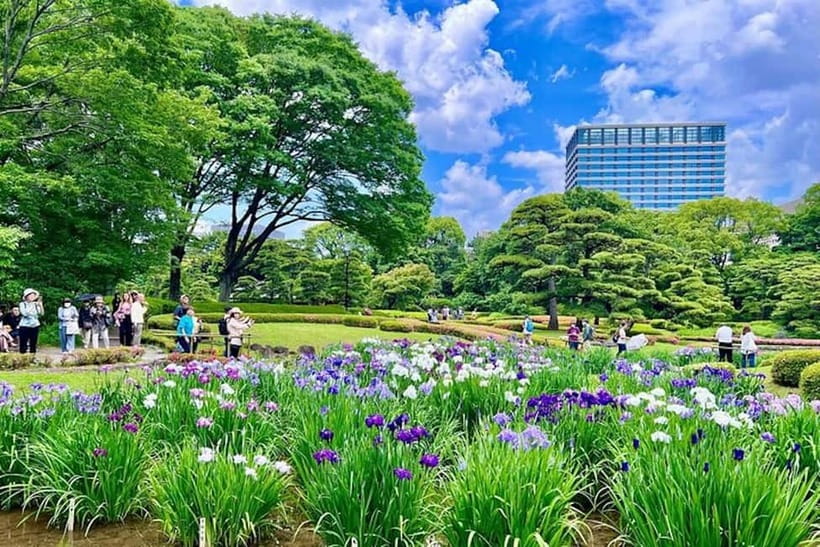
Ninomaru Garden provides a different mood from the castle remains. It is a traditional Japanese garden with seasonal flowers and carefully arranged views. Depending on when you visit, you might see cherry blossoms in spring, irises in summer, or autumn leaves later in the year.
The garden gives the two-hour walk a good rhythm. The castle ruins explain power and defense. The garden offers a quieter look at design, plants, water, and the cultural value of controlled natural beauty.
Naoko, one of the guides, explained details about the garden, the people connected with the grounds, and a hybrid type of koi. That sort of detail is easy to miss if you simply follow the path and take photographs.
Seasonal timing matters. A spring visit does not guarantee a full display of cherry blossoms, and flowers can be early or late depending on the year. One April visit found that the blossoms and flowers had not fully appeared yet. If flowers are your main reason for booking, treat them as a possibility rather than a promise.
The garden is still worth visiting outside peak bloom. Its value comes from the combination of planting, historic setting, and the guide’s explanation, not from one particular week of the calendar.
What a private guide adds to the walk

I would not call this a tour that requires a guide for basic access. You can walk through the East Gardens on your own. The question is what you want from the visit.
A private guide gives you a person to explain the difference between the imperial grounds and the former Edo Castle site. You can ask about the shogun, palace buildings, garden features, koi, or anything that catches your eye.
The private setup also avoids the fixed feel of a large group. Yuji was praised for welcoming a family, keeping a comfortable pace, and pointing out details they might otherwise have missed. Mari was described as prompt and organized, with a clear route through the gardens.
Several guides have been singled out for strong English and friendly, flexible service. Yoshi explained palace buildings and garden details in English, while Ishida was appreciated for his clear communication and understanding of the Edo period.
Guide assignments can vary, so you cannot book a particular person unless the provider confirms it. Names connected with this experience include Hiroshito, Yoshi, Masahito, Mari, Yuji, Naoko, Ishida, Maru, Chichiro, and David.
Two hours is a useful length, with limits
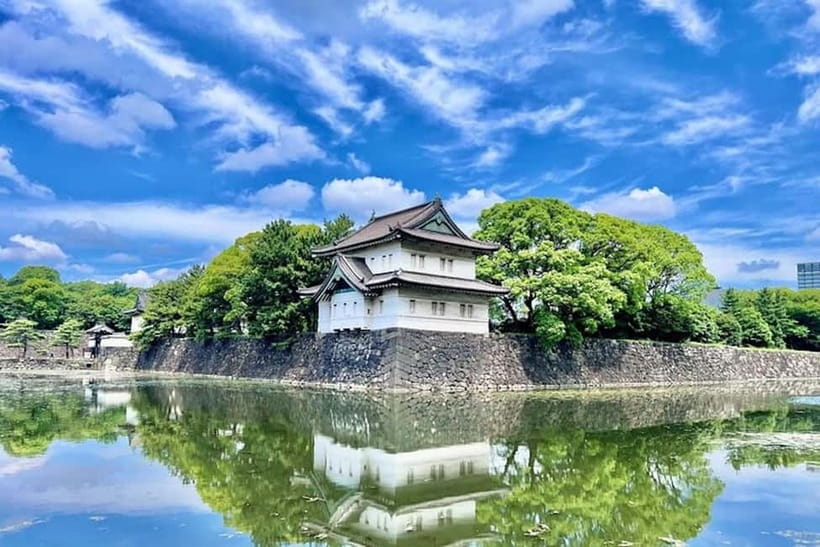
The two-hour duration is one of the tour’s strengths. It is long enough to give the castle ruins and Ninomaru Garden proper attention, but short enough to fit into a busy Tokyo day.
I would place it in a morning or afternoon near Tokyo Station and Otemachi. You can continue to another part of central Tokyo afterward without giving up an entire day.
The short format also means the guide has to choose what to explain. You will not get every detail of the Imperial Palace grounds, and you should not expect an extensive tour of every remaining castle feature.
Still, the pace appears designed for understanding rather than speed. Families have found the walk manageable, and guides have adjusted their movement to suit the group.
Wear shoes suitable for walking and come prepared for outdoor conditions. The supplied details do not specify the exact surface, so I would avoid treating this as a formal indoor palace visit. It is a garden and historic-site walk.
What the tour does not include
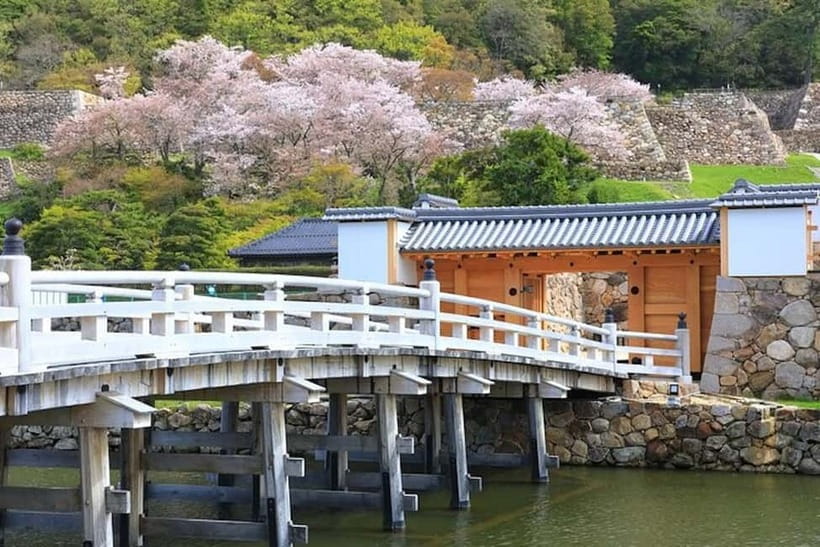
The biggest boundary is clear: this tour does not enter the Inner Palace, where the Emperor resides. You visit the East Gardens and the historic grounds, not the palace interior.
That distinction matters because the name Imperial Palace can create an expectation of grand rooms, ceremonial halls, or an indoor imperial tour. This is not that experience.
Instead, you get public garden access, castle remains, gates, moats, stone walls, and outdoor explanations. If your goal is to see the palace residence itself, this tour will not meet it.
For most first-time visitors, the East Gardens offer the more accessible historical story anyway. They let you see the former castle site without requiring a longer, more formal palace visit.
Is $63 good value for two hours?
At $63 per person, this is not the cheapest way to enter the East Gardens. The value comes from the private English-speaking guide and the interpretation of a site that can be hard to understand on your own.
For a solo visitor, the price may feel high compared with walking through the gardens independently. For a couple, family, or small private group, the ability to ask questions and set the pace makes the cost easier to justify.
I see the strongest value for anyone who wants history explained in plain English. The site has no guarantee that you will encounter flowers at their peak, and the palace interior is excluded, so you are paying for guidance and context rather than exclusive access.
The booking terms add flexibility. You can cancel up to 24 hours in advance for a full refund, and you can reserve now and pay later. Check the available start times when booking, since the exact schedule can vary.
Who will enjoy this East Gardens tour most
I would recommend it to first-time Tokyo visitors who want a calm historical stop between busier city neighborhoods. The meeting point is central, the walk lasts two hours, and the private format works well when your group has different interests.
Families are also a good match. A guide can keep the walk moving, answer spontaneous questions, and adjust the pace. The experience received especially strong praise for being attentive and suitable for family groups.
It also suits visitors who like gardens but want more than photographs. The explanations about the Edo period, palace buildings, former residents, koi, and garden design give the scenery a stronger meaning.
You may want to skip it if you mainly want to enter the Imperial Palace, see palace rooms, or spend a full day on castle architecture. You may also prefer an unguided visit if you are comfortable researching the site yourself and want complete freedom over your time.
Practical advice for a smooth visit
Meet at the Starbucks in Wadakura Fountain Park, not at the Imperial Palace entrance. Look for the sign that says gotcha and allow time for the walk from the station.
Keep your luggage light and accessible for the baggage inspection. Do not bring Japanese knives or similar purchases from earlier shopping stops. Store them before meeting the guide.
Choose your season with realistic expectations. Spring can bring cherry blossoms, summer may offer irises, and autumn can bring colored leaves, but exact timing is not guaranteed.
Tell your guide what interests you. If you care about castle defenses, garden plants, imperial buildings, or Japanese history, a private tour gives you a better chance to shape the conversation.
Should you book it?
Book this tour if you want the former Edo Castle site explained by a private English-speaking guide, especially if you are traveling with family or a small group. The strongest reasons are the flexible pace, the clear route, and the chance to understand stone walls, moats, gardens, and castle ruins as parts of one story.
Think twice if your main goal is entering the palace itself. For a focused look at Japan’s shogun-era center of power, followed by a peaceful garden walk in central Tokyo, $63 is a fair price for two hours of personal guidance.
FAQ
Where does the tour meet?
Meet in front of the Starbucks in Wadakura Fountain Park. The guide will hold a sign that says gotcha.
How far is the meeting point from public transportation?
The meeting point is about a three-minute walk from Tokyo Metro Otemachi Station Exit D2. It is about a ten-minute walk from Tokyo Station’s Marunouchi Central Exit.
How long does the tour last?
The guided walking tour lasts two hours.
Is this a private tour?
Yes. The tour is operated as a private group experience with an English-speaking guide.
Does the tour enter the Imperial Palace?
No. The tour does not enter the Inner Palace or the area where the Emperor resides. It visits the Imperial Palace East Gardens and historic Edo Castle grounds.
What can I see in the East Gardens?
You can see the historic Main Gate, a traditional guardhouse, Edo Castle ruins, stone walls, moats, the former keep area, and Ninomaru Garden.
What flowers might be in bloom?
The gardens may feature cherry blossoms in spring, irises in summer, and autumn leaves in autumn. Exact seasonal timing is not guaranteed.
Is there a security check?
Yes. Visitors are subject to a baggage inspection when entering the Imperial Palace grounds.
What should I do with Japanese knives or similar purchases?
If you buy Japanese knives or other items that could be used as weapons at Tsukiji, Asakusa, or elsewhere, leave them in a coin locker or similar storage before the meeting.
Fresh palace tours around Tokyo
- Tokyo: Imperial Palace East Gardens Walking Tour★ 4.8 · 353 reviews
- Tokyo walking tour around Imperial Palace and Tokyo Station★ 5.0 · 3 reviews
- Tokyo: Imperial Palace, the history of Japan (ENGLISH GUIDE)★ 5.0 · 77 reviews
- Tokyo: Imperial Palace with Nostalgic Alley Kagurazaka tour★ 4.3 · 8 reviews
- Tokyo: Edo Castle Ruins & Imperial Palace East Garden Tour★ 4.4 · 13 reviews
- Tokyo: Imperial Palace East Gardens and Tokyo Station Tour★ 5.0 · 16 reviews
- Tokyo: Edo Castle & East Garden of the Imperial Palace Tour★ 4.7 · 112 reviews
- Tokyo: Edo Castle and Imperial Palace Guided Walking Tour★ 5.0 · 6 reviews
Palace Gardens and Grounds: the shortlist.

Versailles Palace and Gardens Full Access Ticket
Read our review →
Skip-the-Line Tour of Palace and Gardens Access
Read our review →
Schönbrunn Palace & Gardens Skip-the-Line Tour
Read our review →
Alhambra & Gardens Tour w/Nasrid Palaces Option
Read our review →
Versailles Palace & Gardens with Transportation
Read our review →
Versailles Palace Guided Tour & Gardens Access
Read our review →
Versailles Palace and Gardens Tour from Paris
Read our review →
Versailles Full Day Bike Tour with Palace, Gardens, & Picnic
Read our review →This visit also appears in